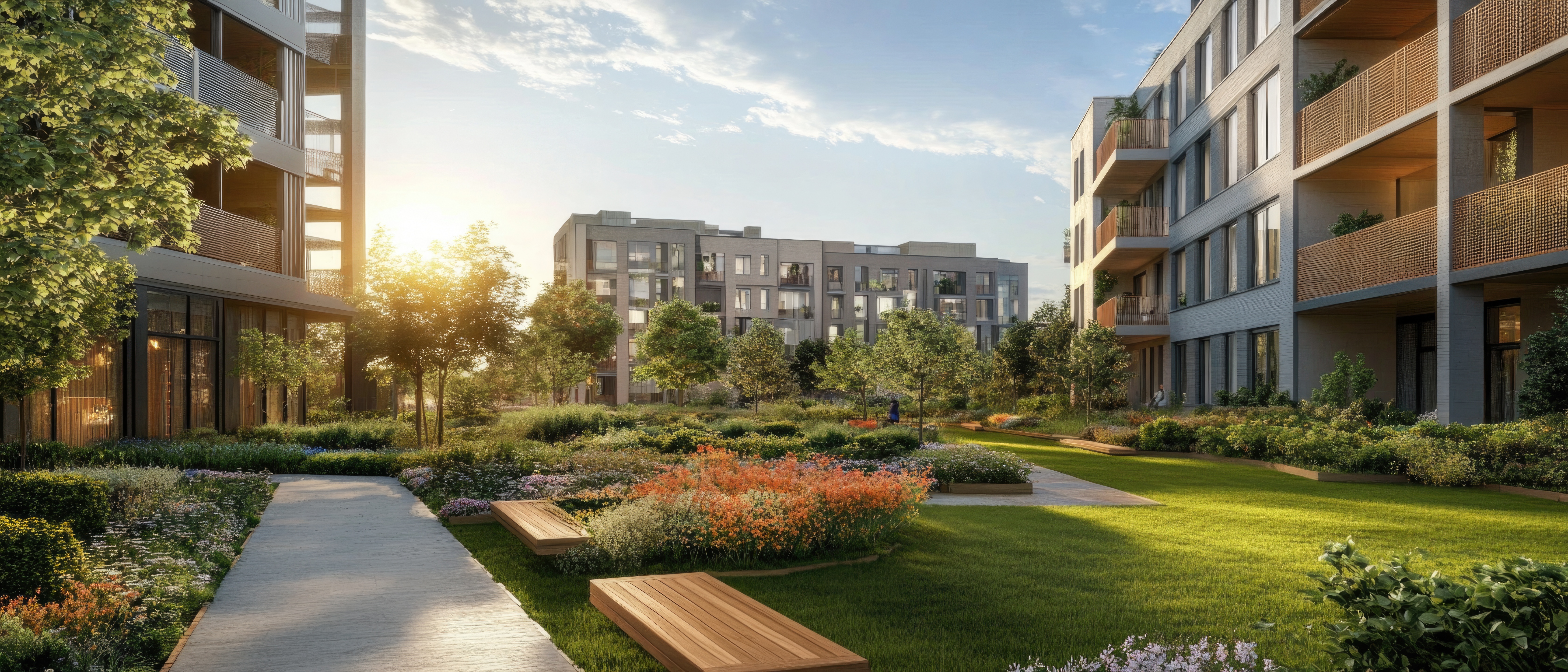
How Greenscape Companies Shape Urban Green Spaces
Greenscape companies transform dense, concrete-heavy environments into functional, sustainable ecosystems through strategic site analysis, biophilic design, and technical installation. By integrating living architecture—such as green r...
Greenscape companies transform dense, concrete-heavy environments into functional, sustainable ecosystems through strategic site analysis, biophilic design, and technical installation. By integrating living architecture—such as green roofs, bioswales, and urban forests—these firms mitigate climate risks, improve public health, and enhance local biodiversity, evolving beyond simple aesthetics to create resilient, high-performance urban infrastructure.
Contents
The Evolution of Greenscaping: From Decoration to Infrastructure
As of 2026, the definition of urban landscaping has shifted significantly. In previous decades, urban greenery was often viewed as a decorative afterthought—an ornamental "fringe" to the primary architectural project. Today, greenscape companies act as critical partners in the urban development process, functioning more like environmental engineering firms than traditional gardening services.
This transition is driven by the realization that "gray infrastructure" (concrete, steel, and asphalt) is insufficient for managing the challenges of modern cities, such as extreme heat and flash flooding. Greenscaping firms now focus on ecosystem services, which are the tangible benefits that natural systems provide to human populations. These include carbon sequestration, temperature regulation, and natural water filtration. By treating vegetation as a form of "green infrastructure," these companies ensure that urban spaces are not only visually appealing but also biologically productive and structurally resilient.
The modern greenscape professional must navigate a complex intersection of horticulture, civil engineering, and urban sociology. They are tasked with selecting species that can survive the harsh "urban canyon" effect—characterized by high wind speeds, limited sunlight, and reflected heat—while simultaneously meeting the aesthetic expectations of property developers and city councils.
Strategic Site Analysis and Ecological Design
Before a single seed is planted, a greenscape company performs a comprehensive site analysis. This technical phase is what separates high-performance greenscaping from generic landscaping. In 2026, this process typically involves sophisticated data collection methods, including drone-based thermal mapping and soil pH telemetry.
Soil Health and Remediation
Urban soil is often compacted, nutrient-deficient, and contaminated with heavy metals or salts from de-icing agents. Greenscape companies prioritize soil remediation, using organic amendments and microbial inoculants to restore the soil’s living network. In some cases, they employ phytoremediation, using specific plant species like sunflowers or certain grasses to extract toxins from the ground, effectively cleaning the site over several growing seasons.
Microclimate Optimization
Every urban lot has a unique microclimate. A greenscape firm analyzes the "sun-path" and "wind-tunnel" effects created by surrounding skyscrapers. By placing deciduous trees on the southern side of a building, they provide shade in the summer while allowing solar heat gain in the winter. This strategic placement is a cornerstone of biophilic design, which seeks to reconnect building occupants with natural rhythms, a practice that has been shown to reduce stress and increase productivity in corporate environments.
Technical Implementation: Green Roofs and Vertical Forests
As ground-level space becomes increasingly scarce in major metropolitan areas, greenscape companies have expanded their operations upward. The implementation of living architecture—specifically green roofs and vertical gardens—is one of the most visible ways these firms shape the urban skyline.
Green Roof Systems
Modern green roofs are far more than just "grass on a roof." They are multi-layered technical systems designed to manage weight loads and water drainage. A standard installation includes:
- Waterproofing Membrane: The first line of defense for the building structure.
- Root Barrier: Prevents plant roots from penetrating the structural layers.
- Drainage and Aeration Layer: Ensures that roots do not become waterlogged while allowing excess water to flow to the building's drainage system.
- Lightweight Growth Media: A specialized soil substitute that provides nutrients without the massive weight of traditional topsoil.
Vertical Gardens (Living Walls)
Vertical forests and living walls utilize hydroponic or felt-based systems to grow vegetation on the exterior or interior facades of buildings. Greenscape companies manage the complex irrigation manifolds required to keep these vertical ecosystems alive. These installations are particularly effective at capturing particulate matter (PM2.5 and PM10) from city air, acting as natural biological filters that improve local air quality.
Climate Resilience: Mitigating Heat and Managing Water
One of the primary reasons municipalities contract greenscape companies is to combat the Urban Heat Island (UHI) effect. Urban areas are often 5 to 10 degrees Fahrenheit warmer than surrounding rural areas due to the absorption of heat by dark surfaces.
Evapotranspiration and Shading
Greenscape firms combat UHI through evapotranspiration—the process by which plants release water vapor into the air, naturally cooling the environment. Large-scale canopy expansion projects involve the strategic planting of native, drought-resistant trees. In 2026, the focus has shifted toward "climate-ready" species—trees that are adapted not just for today’s climate, but for the projected temperatures and rainfall patterns of 2050.
Sustainable Stormwater Management
Traditional drainage systems often become overwhelmed during heavy rain, leading to untreated sewage entering waterways. Greenscape companies mitigate this by designing bioswales and rain gardens. These are landscaped depressions that capture runoff, allowing it to soak into the ground slowly. By using permeable pavers and specialized vegetation, these systems filter pollutants such as oil and heavy metals before the water reaches the water table.
| Feature | Traditional Landscaping | Modern Greenscaping (2026) |
|---|---|---|
| Primary Goal | Aesthetic Appeal | Ecological Performance & Resilience |
| Water Usage | High (Ornamental Lawns) | Low (Xeriscaping & Smart Irrigation) |
| Species Selection | Exotic/Ornamental | Native/Biodiversity-focused |
| Technology | Manual Maintenance | AI-driven Monitoring & IoT Sensors |
| Impact | Isolated to Property | Integrated Urban Ecosystem Services |
| Soil Approach | Synthetic Fertilizers | Biological Soil Remediation |
The Social and Economic Value of Managed Green Spaces
The impact of greenscape companies extends into the socioeconomic fabric of the city. Well-maintained green spaces are no longer seen as a luxury but as a public health necessity.
Enhancing Property Value
Research into hedonic pricing consistently shows that proximity to professionally maintained green spaces increases property values. Commercial developers utilize greenscaping to differentiate their assets in a crowded market. A building with a high-quality "roof park" or interior atrium can command higher rents and see lower tenant turnover rates, as these features are highly prized by the modern workforce.
Public Health and Wellness
The presence of nature in an urban environment has a documented "calming effect." Greenscape companies design parks and pocket gardens that encourage physical activity and social interaction. According to the World Health Organization, access to green space is linked to reduced rates of cardiovascular disease, obesity, and mental health issues. By shaping these spaces, greenscape firms are essentially contributors to the city's preventative healthcare infrastructure.
Technological Integration in Modern Greenscaping
By 2026, the "green" industry has become a "high-tech" industry. Greenscape companies utilize a suite of digital tools to ensure the long-term survival of urban plant life.
- Smart Irrigation: Systems are now linked to local weather stations and soil moisture sensors. They only deliver water when and where it is needed, drastically reducing waste.
- AI-Driven Pest Management: Cameras and sensors can identify early signs of pest infestations or nutrient deficiencies, allowing for targeted, organic treatments before the problem spreads.
- Carbon Tracking: Many firms now provide clients with real-time data on how much carbon their greenscaped areas are sequestering, assisting corporations in meeting their ESG (Environmental, Social, and Governance) goals.
Common Challenges and Maintenance Requirements
Despite the benefits, shaping urban green spaces is fraught with technical challenges. The "urban environment" is inherently hostile to many forms of life.
The Maintenance Gap
The most frequent point of failure in urban greenscaping is the lack of long-term maintenance. A green roof or bioswale is a living system; if the irrigation fails or the drainage becomes blocked, the system can degrade rapidly. Leading greenscape companies now offer "Landscape-as-a-Service" (LaaS) models, where they provide ongoing, tech-enabled monitoring and maintenance as part of a long-term contract.
Biodiversity vs. Aesthetics
There is often a tension between what looks "neat" and what is ecologically beneficial. Native meadows, which provide vital habitats for pollinators, can sometimes look "messy" to the untrained eye. Greenscape firms play a role in educating clients and the public on the beauty of functional ecology, moving the needle away from manicured lawns toward diverse, self-sustaining habitats.
FAQ
What is the difference between landscaping and greenscaping?
Landscaping typically focuses on the visual arrangement of plants and hardscape for aesthetic purposes. Greenscaping is a holistic approach that prioritizes environmental health, using sustainable practices to manage soil, water, and plants as a functional ecosystem.
Can greenscaping help reduce city noise?
Yes. Densely planted trees and vertical green walls act as natural sound barriers. The soft surfaces of leaves and soil absorb sound waves, whereas hard surfaces like concrete reflect and amplify them, helping to create "quiet zones" in busy urban centers.
Are green roofs expensive to maintain?
While the initial installation and specialized maintenance of a green roof are higher than a traditional roof, they often save money over time. They protect the roof membrane from UV damage and temperature fluctuations, potentially doubling the lifespan of the roof while reducing energy costs for cooling.
How do greenscape companies choose which plants to use?
Firms select plants based on a "Right Plant, Right Place" philosophy. They prioritize native species that are adapted to the local climate, but in 2026, they also consider "assisted migration" species that can handle the increased heat and erratic rainfall patterns expected in the coming decades.
Do small urban gardens actually help biodiversity?
Absolutely. Even small "pocket parks" or street-side planters can act as vital "stepping stone" habitats for birds and pollinators moving through a city. When multiple properties in an area utilize greenscaping, they create a functional green corridor.
Practical Recommendation for Property Owners
If you are looking to integrate greenscaping into a project in 2026, start with a biodiversity audit. Rather than simply choosing plants from a catalog, work with a greenscape firm to identify which native species will provide the most benefit to local pollinators and air quality. Prioritize the installation of smart irrigation and sensors from day one; the data collected will help you optimize your maintenance budget and prove the environmental ROI of your investment. Ensure that your maintenance contract includes specialized care for the "green infrastructure" elements, as these require more technical knowledge than standard lawn mowing.
Image Gallery