Highest Paid Net Worth: The Individuals Dominating Wealth Rankings
In the global financial landscape of 2026, the individuals dominating wealth rankings are rarely the highest "paid" in the traditional sense of receiving a monthly salary. Instead, their astronomical net worth is driven by massive equi...
In the global financial landscape of 2026, the individuals dominating wealth rankings are rarely the highest "paid" in the traditional sense of receiving a monthly salary. Instead, their astronomical net worth is driven by massive equity holdings in companies that lead the sectors of artificial intelligence, renewable energy, and global luxury. The distinction lies in asset appreciation—where market capitalization increases fuel multi-billion dollar gains in paper wealth—rather than liquid cash compensation.
Contents
To understand the current hierarchy of global wealth, one must look past the CEO's annual salary and focus on the valuation of their underlying assets. As of 2026, the volatility of the tech sector and the resilience of the luxury market have created a distinct class of "centibillionaires" whose fortunes are more influential than many national economies.
The Distinction Between Earnings and Net Worth
When discussing the "highest paid net worth," a common misconception is that these individuals receive their billions through a payroll system. In reality, the individuals at the top of the 2026 wealth rankings often take a nominal salary—sometimes as low as $1 per year—to focus on long-term capital gains.
Income vs. Asset Appreciation
Traditional "pay" consists of salary, bonuses, and short-term incentives. This is subject to immediate income tax and is generally capped by corporate governance. Net worth, however, is a calculation of total assets minus liabilities. For the world's richest, this includes:
- Publicly Traded Equity: Stocks in companies like Tesla, Amazon, or Meta.
- Private Holdings: Ownership in firms like SpaceX or ByteDance.
- Real Estate Portfolios: High-value commercial and residential properties globally.
- Alternative Assets: Art collections, private jet fleets, and venture capital funds.
The Role of Unrealized Gains
In 2026, the "wealth" seen on rankings like the Bloomberg Billionaires Index is largely comprised of unrealized gains. These are increases in the value of an asset that has not yet been sold. This allows individuals to dominate wealth rankings without having the liquid cash available to match their "paper" net worth. To access this wealth without selling shares—and thus triggering massive tax events—many use their equity as collateral for low-interest loans, a strategy often referred to as "buy, borrow, die."
Individuals Dominating the 2026 Wealth Rankings
The 2026 rankings show a fascinating interplay between legacy industries and the "new" economy driven by the AI revolution. The following individuals represent the peak of global financial influence.
Elon Musk: The Multi-Industry Titan
Elon Musk continues to hold a dominant position in 2026, largely due to the maturation of his diverse portfolio. While his wealth was historically tied to Tesla’s automotive output, his 2026 standing is bolstered by:
- SpaceX and Starlink: With Starlink reaching near-global coverage and SpaceX’s Starship becoming the primary vehicle for lunar and orbital logistics, the private valuation of these entities has rivaled major public aerospace firms.
- xAI: Musk’s dedicated artificial intelligence venture has integrated deeply across his ecosystem, providing a valuation surge as AI compute power becomes the new gold standard.
- Tesla’s Robotics Pivot: By 2026, Tesla is no longer viewed merely as an EV manufacturer but as a robotics and AI company, with Optimus prototypes and Full Self-Driving (FSD) licensing contributing to a sustained high P/E ratio.
Bernard Arnault: The Guardian of Luxury
Bernard Arnault, the chairman and CEO of LVMH, represents the stability of the European luxury sector. Unlike tech fortunes that swing with interest rates, Arnault’s wealth is built on "brand permanence." LVMH’s dominance in 2026 is fueled by:
- Consolidation of High-End Brands: LVMH’s ability to acquire and revitalize legacy brands remains unparalleled.
- The Rise of the Global Middle Class: Increased luxury spending in Southeast Asia and parts of Africa has offset cooling demand in traditional markets.
- Succession Planning: Arnault has successfully integrated his children into key leadership roles, signaling market stability and long-term vision.
Jeff Bezos: Beyond E-commerce
While Jeff Bezos stepped back from the day-to-day operations of Amazon years ago, his wealth remains intrinsically linked to the company’s infrastructure. In 2026, his net worth is driven by:
- AWS Dominance: Amazon Web Services remains the backbone of the internet, particularly as AI companies require immense cloud computing resources.
- Blue Origin: Bezos’s space venture has made significant strides in heavy-lift capabilities, competing directly for lucrative government and commercial satellite contracts.
- Media and Real Estate: His diversified portfolio in media (The Washington Post) and expansive land holdings provide a hedge against market volatility.
Mark Zuckerberg: The AI Rebound
After the "Year of Efficiency" in 2023, Mark Zuckerberg’s fortune saw a massive resurgence leading into 2026. His wealth is now anchored by Meta’s successful integration of generative AI into its advertising suite and the gradual, profitable adoption of Quest-based spatial computing in enterprise environments.
2026 Wealth Ranking Comparison Table
| Rank (2026) | Name | Primary Source | Estimated Net Worth | Key Industry Driver |
|---|---|---|---|---|
| 1 | Elon Musk | Tesla / SpaceX / xAI | $285 Billion | AI & Aerospace |
| 2 | Bernard Arnault | LVMH | $210 Billion | Luxury Goods |
| 3 | Jeff Bezos | Amazon / Blue Origin | $195 Billion | Cloud & E-commerce |
| 4 | Mark Zuckerberg | Meta | $175 Billion | AI & Social Media |
| 5 | Larry Ellison | Oracle | $155 Billion | Enterprise Cloud |
| 6 | Gautam Adani | Adani Group | $140 Billion | Infrastructure & Energy |
| 7 | Bill Gates | Microsoft / Cascade | $135 Billion | Software & Climate Tech |
Note: Net worth figures are estimates based on market valuations as of Q1 2026 and are subject to daily fluctuations.
Geographic Shifts in Wealth Dominance
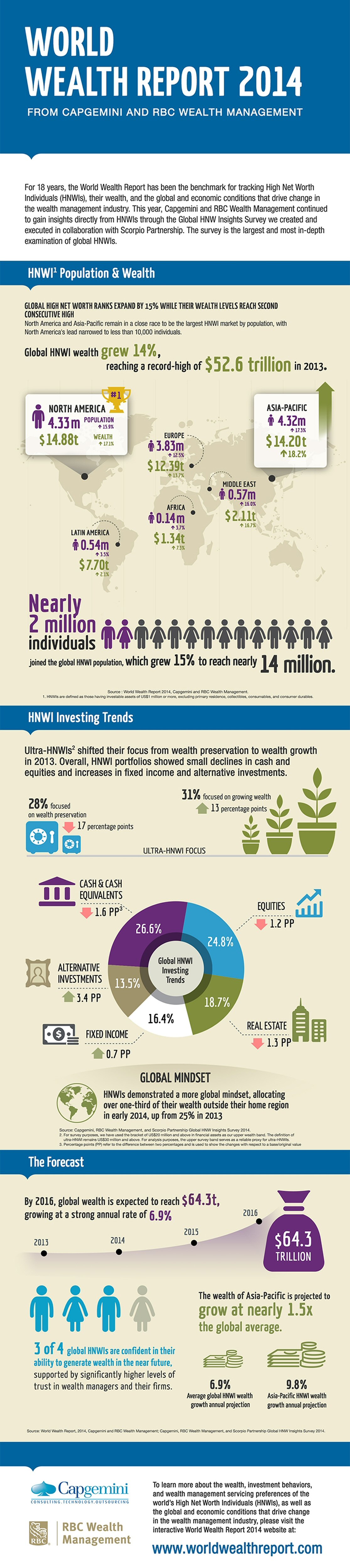
In 2026, we are seeing a shift in where the "highest paid net worth" individuals originate. While the United States remains the primary hub for tech billionaires, India and the broader Asia-Pacific region are producing wealth at an accelerated rate.
The Rise of Indian Infrastructure Giants
Gautam Adani and Mukesh Ambani have become permanent fixtures in the top 10 rankings. Their wealth is built on the physical infrastructure of a nation that is now the world’s most populous. Their dominance in 2026 is driven by:
- Green Energy Transition: Massive investments in solar and hydrogen energy.
- Digital Connectivity: Ambani’s Jio has revolutionized digital access, creating a platform for e-commerce and fintech that rivals Western models.
- Logistics: Adani’s control over ports and airports makes him a critical player in global trade routes.
The European Stability
Europe’s billionaires, such as the Hermès family and Amancio Ortega (Inditex), continue to dominate through retail and luxury. Their wealth is characterized by lower volatility compared to the Silicon Valley set, as they rely on tangible goods and consumer loyalty rather than speculative tech multiples.
Technical Factors Influencing 2026 Wealth Rankings
Several technical and economic factors dictate who rises and falls in these rankings. Understanding these is crucial for anyone tracking the movement of global capital.
Interest Rates and Valuation Multiples
The "highest paid" net worths are highly sensitive to interest rates set by the Federal Reserve and the European Central Bank. Higher rates generally lead to lower valuations for growth stocks (tech), while favoring companies with strong cash flows (luxury and energy). In the 2026 environment of stabilized "higher-for-longer" rates, billionaires with diversified, cash-positive businesses have seen the most consistent growth.
The "AI Premium"
In 2026, a company’s stock price is often tied to its "AI story." This has led to the emergence of "AI Billionaires"—individuals like Jensen Huang of NVIDIA, whose net worth is directly tied to the hardware that powers the global digital economy. The individuals who dominate the rankings are those who successfully integrated AI into their core business models early.
Regulatory and Antitrust Impacts
Wealth rankings are also shaped by legal environments. In 2026, ongoing antitrust scrutiny in the US and the EU against "Big Tech" has forced some diversification. Wealthy individuals are increasingly moving assets into private equity or specialized family offices to mitigate the risk of forced divestitures or changes in capital gains tax legislation.
Common Pitfalls in Tracking Wealth Rankings
When analyzing the individuals dominating these rankings, observers often make several errors:
- Confusing Liquidity with Wealth: Most billionaires cannot sell their entire stake without crashing the stock price. Their wealth is "trapped" in their companies.
- Ignoring Debt: High-net-worth individuals often have significant debt used for leverage. Rankings typically try to account for this, but private debt is not always transparent.
- Overlooking Family Offices: Many of the world's richest people move their wealth into private "family offices" that are not required to disclose holdings in the same way public companies are. This means some of the truly "highest paid net worth" individuals might not appear on public lists at all.
Frequently Asked Questions
Who is the richest person in the world in 2026?
As of 2026, Elon Musk remains the most frequent leader in wealth rankings, though he often trades the top spot with Bernard Arnault depending on the performance of Tesla stock versus LVMH’s quarterly luxury sales.
How do billionaires get "paid" if they don't take a salary?
Most billionaires receive "pay" through stock options and equity grants. They also generate cash for lifestyle expenses by taking loans against their stock holdings, which allows them to access liquidity without selling shares and incurring capital gains taxes.
Why is net worth more important than salary for these rankings?
Salary is a fixed income that is taxed heavily and doesn't scale. Net worth reflects the total value of an individual's ownership in the global economy. For the individuals dominating these rankings, their ownership of the "means of production" is what gives them financial and political power.
Can someone's net worth drop by billions in a single day?
Yes. Because their wealth is tied to the stock market, a bad earnings report or a global economic shift can cause a company's market cap to drop significantly. It is common for top-tier billionaires to see their paper wealth fluctuate by $5 billion to $10 billion in a single trading session.
Are there any new industries creating billionaires in 2026?
Beyond AI and Green Energy, we are seeing the rise of biotech and longevity wealth. Individuals investing in age-reversal technologies and personalized genomic medicine are beginning to climb the rankings as these technologies move from the lab to the commercial market.
Practical Next Steps for Tracking Wealth Data
If you are looking to monitor these rankings for investment or research purposes, it is recommended to follow official disclosures. In the United States, the Securities and Exchange Commission (SEC) provides Form 4 filings, which show when insiders buy or sell stock. Additionally, the Forbes Real-Time Billionaires List and the Bloomberg Billionaires Index provide the most frequently updated snapshots of how global events are shifting the balance of wealth among the world's most powerful individuals.
Image Gallery