Mary Steenburgen’s Role and Impact in the Film Life as a House
Mary Steenburgen portrays Colleen Beck in the 2001 drama Life as a House, directed by Irwin Winkler. As the flirtatious and somewhat disillusioned neighbor of the protagonist George Monroe, Steenburgen provides a critical perspective o...
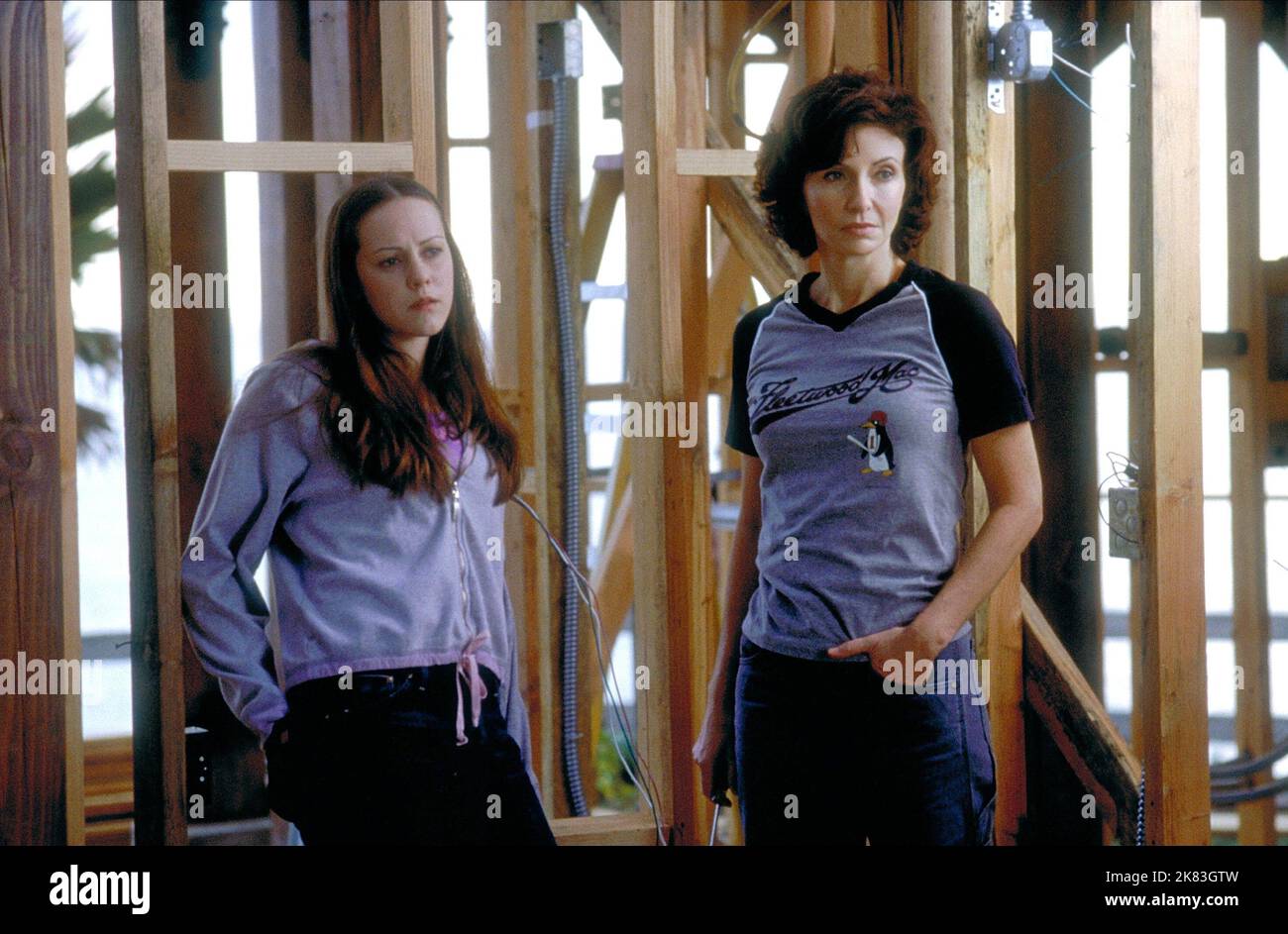
Mary Steenburgen portrays Colleen Beck in the 2001 drama Life as a House, directed by Irwin Winkler. As the flirtatious and somewhat disillusioned neighbor of the protagonist George Monroe, Steenburgen provides a critical perspective on suburban life, acting as a foil to George’s internal transformation and his rebuilding of a family legacy.
Contents
Understanding Colleen Beck: Mary Steenburgen’s Character
In the 2001 film Life as a House, Mary Steenburgen takes on the supporting but pivotal role of Colleen Beck. While the film primarily centers on the relationship between George Monroe (Kevin Kline) and his estranged son Sam (Hayden Christensen), Steenburgen’s character represents the social fabric of the neighborhood that George is simultaneously a part of and retreating from.
Colleen Beck is the mother of Alyssa (played by Jena Malone), the girl next door who becomes the primary love interest for Sam. Colleen is introduced as a woman who is perhaps a bit too interested in the lives of her neighbors. She is portrayed with Steenburgen’s signature blend of warmth, quirkiness, and a subtle undercurrent of suburban sadness. Unlike George’s ex-wife Robin (Kristin Scott Thomas), who represents the emotional core of George’s past, Colleen represents the "potential" of a different kind of life—one that is somewhat superficial but grounded in the immediate, physical world of the neighborhood.
Steenburgen’s performance is notable for how it avoids the "nosy neighbor" trope. Instead, she imbues Colleen with a sense of longing. She is a woman who clearly has a history with George; there is a tangible familiarity between them that suggests years of casual observations and missed opportunities. Her character is essential for grounding the film's more metaphorical elements—the literal building of the house—in the reality of a lived-in, judgment-heavy suburban environment.
The Narrative Function of the Neighbor in Life as a House
In cinematic storytelling, particularly in dramas set in American suburbs, the neighbor often serves as a mirror. In Life as a House, Colleen Beck serves this function perfectly. As George Monroe begins the radical process of tearing down his old shack of a home to build something beautiful in its place, the neighborhood watches with a mixture of confusion and disdain. Colleen is the audience's primary link to this neighborhood reaction.
The Contrast of Stability and Chaos
Colleen Beck represents the standard of "normalcy" that George is actively disrupting. While George is dying of terminal cancer—a fact he keeps hidden for much of the film—his behavior appears to Colleen and the other neighbors as a mid-life crisis or a mental breakdown. Steenburgen plays these scenes with a delicate balance of humor and concern.
One of the more memorable scenes involving Steenburgen occurs when she attempts to flirt with George, unaware of his physical condition or his spiritual focus on his son. This scene highlights the disconnect between George’s urgent, existential mission and the mundane desires of those around him. Colleen’s advances are a reminder of the life George is leaving behind—one defined by social niceties and physical attraction—contrasted against the legacy-building he is currently undertaking.
The Mother-Daughter Dynamic
Another layer of Steenburgen’s role is her relationship with her daughter, Alyssa. Colleen is a mother who is perhaps a bit too permissive or overly friendly, which contrasts with the tense, authoritarian, and ultimately broken relationship between George and Sam. Through Colleen and Alyssa, the film explores a different kind of suburban family dysfunction—one that is less explosive than the Monroes' but equally symptomatic of the environment.
Mary Steenburgen and the 2001 Cinematic Landscape
By the time Life as a House was released in late 2001, Mary Steenburgen was already an Academy Award-winning actress (for Melvin and Howard) known for her ability to bring humanity to character roles. This film came during a period where she was transitioning into more maternal and "anchor" roles in ensemble casts.
The film was released in a post-9/11 landscape where themes of rebuilding, family reconciliation, and finding beauty in the wreckage resonated deeply with American audiences. Steenburgen’s presence provided a sense of continuity and comfort. Her ability to play a character who is slightly "off-center" allowed the film to balance its heavy themes of mortality with moments of levity and human fallibility.
Collaboration with Kevin Kline
The chemistry between Steenburgen and Kevin Kline is a highlight of the film’s supporting narrative. Having both been established stars of the 1980s and 90s, they share a screen presence that feels authentic to two people who have lived next to each other for decades. Steenburgen’s ability to react to Kline’s more manic or emotional moments provides a necessary grounding for the film’s pacing.
Themes of Mortality and Domesticity
The central metaphor of the film—the house—represents the construction of a soul or a legacy. While George and Sam are the ones doing the physical labor, Steenburgen’s character represents the "house" as a social unit. Colleen Beck is interested in the aesthetics and the social standing that a house provides.
When George tears down the house, he is tearing down his old life. Colleen’s concern about the property values and the "eyesore" of the construction site reflects the world's resistance to change. However, as the house nears completion, Colleen—like the rest of the neighborhood—is drawn into the project. This shift signifies the community’s eventual acceptance of George’s transformation.
| Feature | Detail |
|---|---|
| Character Name | Colleen Beck |
| Role Type | Supporting Actress |
| Key Relationships | Mother to Alyssa Beck; Neighbor to George Monroe |
| Primary Theme | Suburban observation and the desire for connection |
| Film Director | Irwin Winkler |
| Release Year | 2001 |
| Screenwriter | Mark Andrus |
| Core Conflict | Balancing suburban expectations with George’s erratic behavior |
Critical Reception of Steenburgen’s Performance
While most of the critical attention for Life as a House was focused on Kevin Kline’s lead performance and Hayden Christensen’s breakout role (which earned him a Golden Globe nomination), Steenburgen received praise for her "luminous" and "reliable" presence. Critics noted that she managed to make a potentially stereotypical character feel like a real human being with her own internal life.
In the decades since its release, the film has become a staple of early 2000s drama. Looking back from 2026, Steenburgen’s role stands out as a masterclass in how to support a lead narrative without overshadowing it. She provides the "texture" of the world that George is trying to leave a mark upon. Without Colleen Beck, the neighborhood would feel like a hollow backdrop; with her, it feels like a community with its own history and prejudices.
Practical Considerations for Viewers in 2026
For those revisiting the film in 2026, it is helpful to understand the context of the "New Line Cinema" era of prestige dramas. This was a time when mid-budget, character-driven stories were a mainstay of the theatrical experience.
- Streaming Availability: As of 2026, Life as a House is frequently available on platforms that curate early 2000s catalogs, such as Max or through digital retailers like Amazon and Apple.
- Physical Media: For collectors, the Blu-ray and 4K restoration versions provide the best way to see the cinematography of Vilmos Zsigmond, which beautifully captures the coastal light of the Palos Verdes setting.
- Thematic Relevance: The film’s focus on terminal illness and the "bucket list" mentality remains a frequent topic of discussion in grief counseling and family therapy circles, often cited for its depiction of how physical work (building the house) can facilitate emotional healing.
Frequently Asked Questions
What happens to Mary Steenburgen’s character at the end of the movie?
Colleen Beck remains a steady presence in the neighborhood. As the house is completed and George passes away, her character serves as part of the community that acknowledges George’s final achievement. Her daughter, Alyssa, maintains a deep connection with Sam, implying that the bond between the two families has been permanently altered and strengthened by the project.
Is Colleen Beck a romantic interest for George?
There is a clear romantic tension and a history of flirtation, but they are not a primary couple. Colleen represents a "what if" scenario—a simpler, perhaps more hedonistic life that George could have pursued if he hadn't focused on his ex-wife and son. Her role is to show George’s growth; he eventually chooses the difficult path of family reconciliation over the easier path of a casual neighborhood fling.
Why is Mary Steenburgen’s role considered significant despite her limited screen time?
Steenburgen’s significance lies in her ability to humanize the "antagonistic" force of suburban judgment. Instead of being a villain who tries to stop the house from being built, she is a neighbor who is curious, lonely, and eventually inspired. She represents the audience’s own initial skepticism being transformed into support.
Does Mary Steenburgen have any famous scenes in the film?
One of her most discussed scenes is a conversation with George where she is remarkably candid about her own life and desires. This scene is often cited by fans of the actress for her ability to deliver dialogue that is both humorous and tinged with a mid-life melancholy.
How does her role compare to her other 2000s work?
During this period, Steenburgen appeared in several high-profile films like Elf (2003) and Step Brothers (2008). Compared to those more comedic roles, her performance in Life as a House is more grounded and dramatic, showcasing the range that allowed her to maintain a steady career for over four decades.
Final Recommendation
If you are looking to understand Mary Steenburgen’s contribution to Life as a House, focus on the scenes where she interacts with the Monroe family as an outsider. Her performance is a subtle exploration of how neighbors impact our lives and how the perception of "home" extends beyond our own front doors. To fully appreciate her work, watch the film specifically for the subtext of her character’s loneliness and her eventual role in the community’s collective healing.
Image Gallery