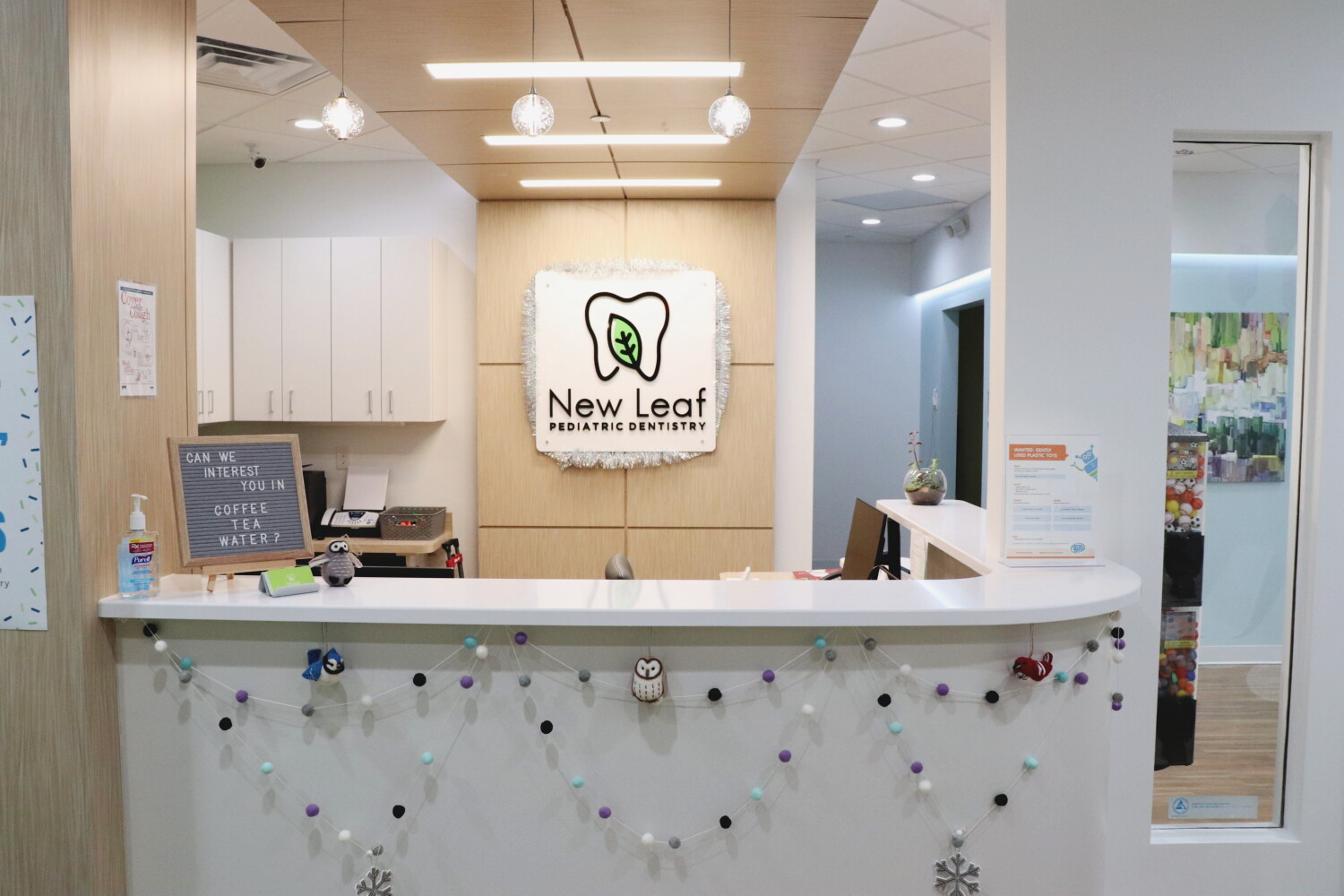
New Leaf Pediatric Dentistry in Fort Lee: A Comprehensive Guide to Specialized Children's Dental Care
New Leaf Pediatric Dentistry in Fort Lee provides specialized oral healthcare for infants, children, and adolescents in a child-centric environment. Located in the heart of Fort Lee, New Jersey, the practice focuses on preventive treat...
New Leaf Pediatric Dentistry in Fort Lee provides specialized oral healthcare for infants, children, and adolescents in a child-centric environment. Located in the heart of Fort Lee, New Jersey, the practice focuses on preventive treatments, behavioral management, and restorative procedures tailored to the unique physiological and emotional needs of developing patients.
Contents
Choosing a dental provider for a child is a decision that impacts their long-term health and their psychological relationship with healthcare. New Leaf Pediatric Dentistry operates on the philosophy that early positive experiences at the dentist prevent future dental anxiety and establish a foundation for a lifetime of healthy smiles. In 2026, the practice continues to integrate advanced diagnostic technology with compassionate care to address the specific needs of the Fort Lee community and surrounding Bergen County areas.
The Importance of Pediatric Specialization in Dentistry
Pediatric dentistry is a recognized specialty of the American Dental Association (ADA) that requires two to three years of additional residency training beyond dental school. This specialized education focuses on child psychology, growth and development, and the management of dental trauma.
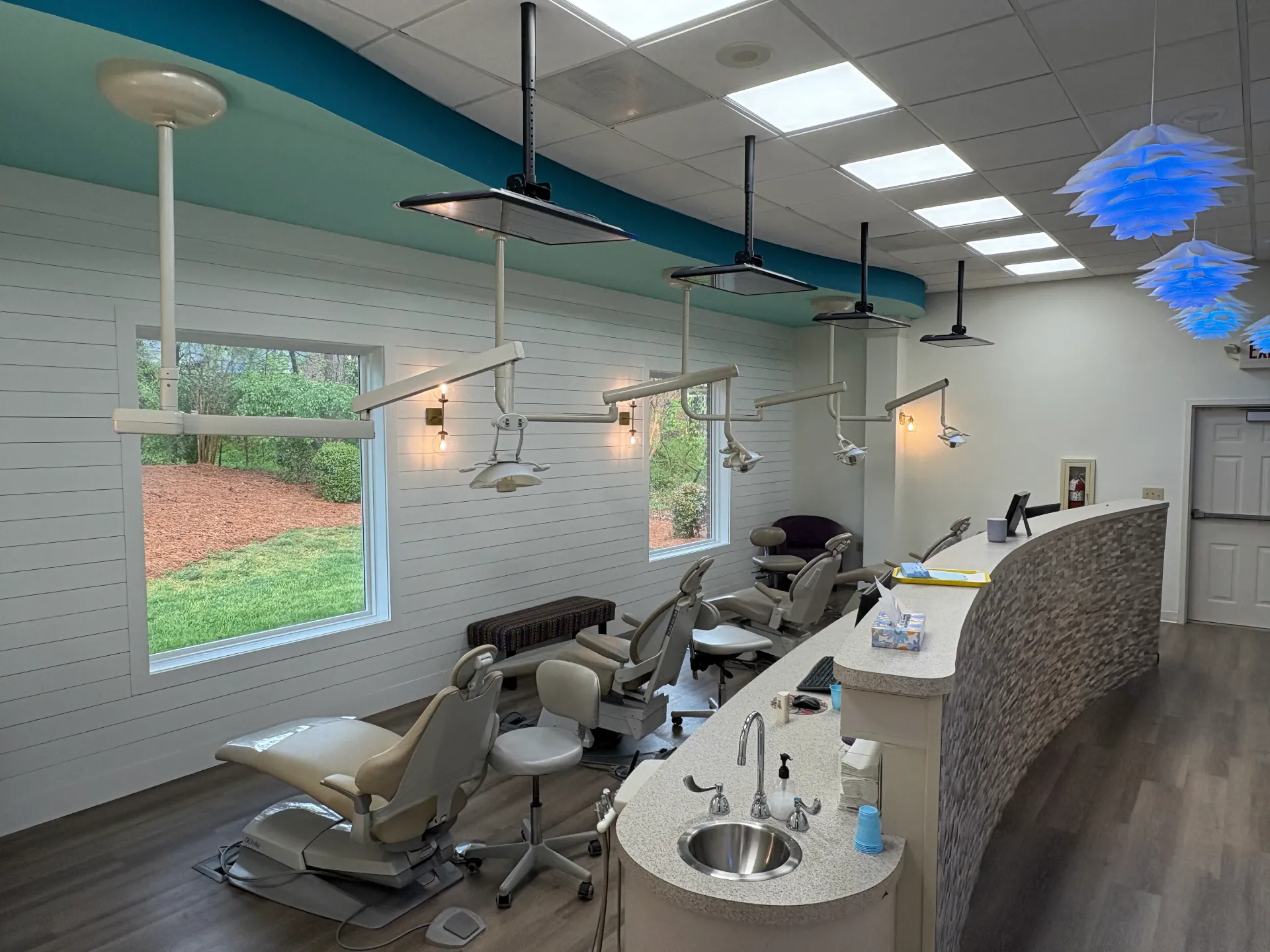
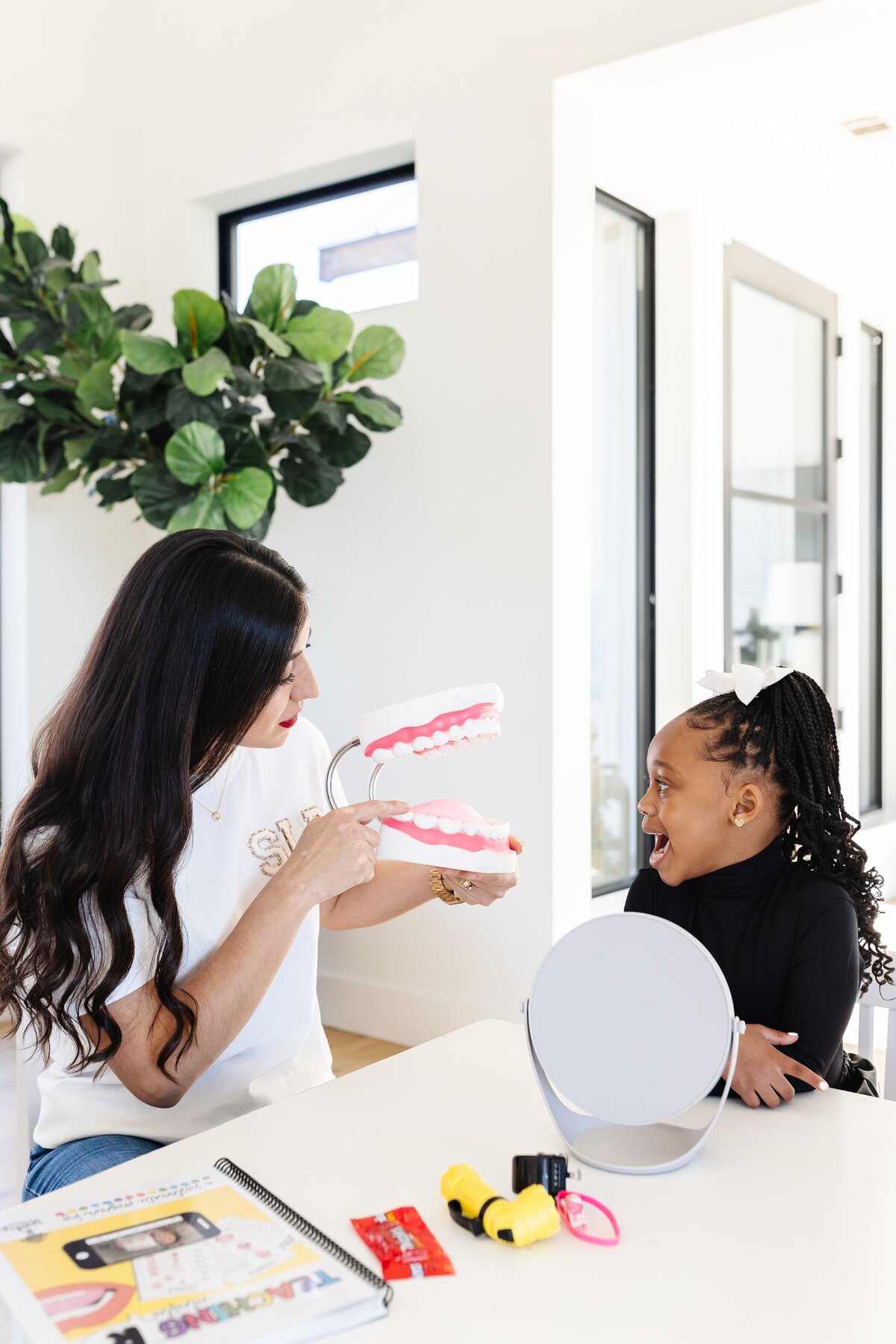
At New Leaf Pediatric Dentistry, this training translates into an environment where "the child comes first." Unlike general dental offices that treat patients of all ages, a pediatric-focused practice uses specialized equipment designed for smaller mouths and employs communication techniques like "Tell-Show-Do" to help children understand procedures without fear.
Why Start Dental Visits by Age One?
The American Academy of Pediatric Dentistry (AAPD) recommends that a child’s first dental visit occur by their first birthday or within six months of the eruption of their first tooth. Early intervention allows the team at New Leaf to:
- Monitor the development of the jaw and emerging teeth.
- Provide anticipatory guidance on teething, pacifier use, and thumb-sucking.
- Identify early signs of "baby bottle tooth decay" or nursing caries.
- Establish a "Dental Home" where records are maintained and emergency care is available.
Core Services and Treatment Philosophy
New Leaf Pediatric Dentistry offers a comprehensive range of services designed to address every stage of a child’s dental development. In 2026, the practice emphasizes minimally invasive techniques and preventive protocols to reduce the need for extensive restorative work.
Preventive Care and Education
Prevention is the cornerstone of pediatric dentistry. Regular check-ups every six months are standard, involving more than just a cleaning.
- Prophylaxis (Cleaning): Professional removal of plaque and tartar that cannot be reached by home brushing.
- Fluoride Treatments: Application of professional-grade fluoride to strengthen enamel and reverse early stages of demineralization.
- Dental Sealants: Thin, protective coatings applied to the chewing surfaces of the back molars. These sealants fill in deep pits and fissures where 80% of cavities in children occur.
- Digital Radiography: Using low-radiation digital X-rays to detect decay between teeth and monitor the alignment of permanent teeth before they erupt.
Restorative Treatments
When decay or damage occurs, New Leaf utilizes materials and methods suited for primary (baby) teeth.
- Composite Fillings: Tooth-colored resins that provide a natural appearance while restoring the tooth's structure.
- Pediatric Crowns: In cases of extensive decay where a filling is insufficient, crowns (often stainless steel or white zirconia) are used to save the primary tooth until it naturally falls out.
- Pulpotomies: Often referred to as a "baby root canal," this involves removing the infected part of the pulp to save the tooth and prevent the spread of infection to the permanent tooth underneath.
Behavioral Management and Sedation
For children with high anxiety, extensive dental needs, or sensory processing disorders, New Leaf Pediatric Dentistry offers various levels of sedation to ensure safety and comfort.
- Nitrous Oxide (Laughing Gas): A mild sedative inhaled through a small mask. It helps children relax while remaining fully awake and communicative.
- Conscious Oral Sedation: A liquid medication that makes the child drowsy and helps them stay calm during longer procedures.
- General Anesthesia: For complex cases or children who cannot cooperate safely under other methods, anesthesia may be administered by a board-certified anesthesiologist.
Specialized Care for Children with Special Needs
One of the defining features of New Leaf Pediatric Dentistry is its commitment to treating children with special healthcare needs (SHCN). This includes children with autism spectrum disorder, Down syndrome, cerebral palsy, and various systemic health conditions.
The Fort Lee office is designed to accommodate physical disabilities, and the staff is trained in specific desensitization techniques. By scheduling longer appointments and using sensory-friendly approaches, the practice ensures that every child receives high-quality dental care regardless of their developmental or physical challenges.
Comparison: Pediatric vs. General Dentistry
Understanding the differences between a general dentist and a pediatric specialist like those at New Leaf is essential for parents in Fort Lee.
| Feature | General Dentistry | Pediatric Dentistry (New Leaf) |
|---|---|---|
| Target Audience | All ages (Adults and Children) | Infants through Adolescents |
| Additional Training | 4 years of Dental School | Dental School + 2-3 years Residency |
| Office Environment | Clinical and professional | Bright, kid-friendly, and interactive |
| Equipment Size | Standard adult-sized | Miniature instruments for small mouths |
| Behavioral Strategy | Standard communication | Specialized "Tell-Show-Do" and desensitization |
| Focus Area | Maintenance and Restoration | Growth, development, and prevention |
| Special Needs | Variable experience | Specifically trained for SHCN patients |
Navigating the Patient Experience in Fort Lee
Located in the densely populated area of Fort Lee, New Leaf Pediatric Dentistry is positioned to serve a diverse population. The office workflow is optimized to respect the busy schedules of modern parents while ensuring children do not feel rushed.
The First Visit Protocol
During the initial visit, the dentist performs a comprehensive exam, checking for cavities and assessing the child’s bite (occlusion). The visit often concludes with a cleaning and fluoride treatment if the child is comfortable. Parents are encouraged to stay with their children during the exam to help build trust.
Insurance and Financial Planning
In 2026, navigating dental insurance remains a priority for families. New Leaf typically works with a variety of PPO insurance providers common in the New Jersey area, such as Delta Dental, Horizon Blue Cross Blue Shield, and Cigna. The administrative staff assists parents in verifying coverage for preventive versus restorative services to minimize out-of-pocket expenses.
Advanced Technology and Safety Standards
The field of pediatric dentistry has seen significant technological shifts leading into 2026. New Leaf integrates these advancements to improve diagnostic accuracy and patient comfort.
- Laser Dentistry: Used for frenectomies (treating tongue-ties or lip-ties) and sometimes for cavity preparation, often reducing the need for local anesthesia.
- Intraoral Cameras: High-resolution cameras that allow parents to see exactly what the dentist sees on a monitor, facilitating better understanding of the treatment plan.
- BPA-Free Materials: Ensuring that all sealants and composite resins are free from Bisphenol A, addressing common parental concerns regarding chemical exposure.
Frequently Asked Questions
When should my child have their first dental X-ray?
Most children receive their first set of X-rays around age two or three. The first X-rays are usually "bitewings" to check for decay between the back teeth where they touch. If a child has an injury or a specific developmental concern, X-rays may be taken earlier. New Leaf uses digital sensors that require significantly less radiation than traditional film.
How does New Leaf handle a dental emergency?
Dental emergencies, such as a knocked-out tooth or severe toothache, require immediate attention. New Leaf Pediatric Dentistry typically reserves emergency slots in their daily schedule. For a knocked-out permanent tooth, it is critical to keep the tooth moist (in milk or a tooth-saver solution) and reach the office within 30 to 60 minutes for the best chance of re-implantation.
My child sucks their thumb; when should I be worried?
Thumb-sucking is a natural reflex for infants, but if the habit persists after the permanent front teeth begin to erupt (usually around age 5 or 6), it can cause problems with tooth alignment and the shape of the roof of the mouth. The specialists at New Leaf can provide strategies and, if necessary, dental appliances to help a child break the habit.
Are baby teeth really that important if they are just going to fall out?
Yes. Primary teeth serve several vital functions: they allow for proper chewing and nutrition, assist in speech development, and, most importantly, act as placeholders for permanent teeth. If a baby tooth is lost too early due to decay, the surrounding teeth may shift, causing crowding and orthodontic issues when the permanent teeth try to emerge.
What should I do if my child is terrified of the dentist?
Anxiety is common, especially if a child has had a previous negative experience. New Leaf staff use positive reinforcement and non-threatening language (e.g., calling the suction a "Mr. Thirsty"). Parents are advised to avoid using words like "shot," "drill," or "pain" at home, as these can prime the child for fear before they even arrive at the office.
Practical Recommendations for Parents
To maximize the benefits of the care provided at New Leaf Pediatric Dentistry in Fort Lee, parents should adopt a proactive approach at home. Consistently brushing twice a day with fluoride toothpaste (a "smear" for under age 3, a "pea-sized" amount for ages 3-6) is the most effective way to prevent decay. Furthermore, scheduling appointments during the morning when children are well-rested can significantly improve their cooperation during the visit.
If you are a resident of Fort Lee or the surrounding Bergen County area, the next step is to schedule a baseline consultation. This "meet and greet" allows the child to become familiar with the office sights and sounds without the pressure of an immediate procedure, ensuring their journey toward oral health starts on a positive note.
Image Gallery