Jim Crane’s Stake in Insurance Auto Auctions: Strategic Context and Business Analysis
Jim Crane, the Houston-based billionaire, founder of Crane Capital Group, and owner of the Houston Astros, built his wealth primarily through freight forwarding, supply chain logistics, and strategic private equity investments. While C...
Jim Crane, the Houston-based billionaire, founder of Crane Capital Group, and owner of the Houston Astros, built his wealth primarily through freight forwarding, supply chain logistics, and strategic private equity investments. While Crane's core operations center on logistics enterprises like Crane Worldwide Logistics, his investment group has historically targeted high-margin industrial supply chain assets, including vehicle disposition services and automotive salvage networks tied to Insurance Auto Auctions (IAA).
Contents
Executive Overview: Jim Crane and Crane Capital Group
James R. "Jim" Crane established himself as a prominent figure in global logistics when he founded Eagle Global Logistics (EGL) in 1984. Under his leadership, EGL grew into a premier supply chain management enterprise before being acquired in 2007. Following the sale of EGL, Crane launched Crane Capital Group, an investment firm specializing in transport, logistics, specialized industrial services, real estate, and sports media.
- Jim Crane / Crane Capital Group
- Logistics & Freight Forwarding
- Salvage & Auto Auctions Supply Chain
- Sports & Real Estate Assets
Crane’s investment thesis across industrial holdings focuses on businesses that combine physical asset density with complex logistical networks. Automotive salvage platforms—such as Insurance Auto Auctions (IAA)—fit precisely into this framework. Salvage auctions rely heavily on regional towing operations, yard storage management, vehicle titling regulatory compliance, and cross-border freight coordination.
The Corporate Evolution of Insurance Auto Auctions (IAA)
To understand how executive investors and capital groups evaluate salvage auto networks, it is essential to trace the structural evolution of Insurance Auto Auctions over the past two decades.
- 2005: Kelso & Co. Private Equity Buyout
- 2007: Combination with ADESA to form KAR Auction Services
- 2019: Public Spin-Off of IAA, Inc. (NYSE: IAA)
- 2023: Acquisition by Ritchie Bros. Auctioneers (~$7.3B Transaction)
1. The Private Equity Era (2005–2007)
Founded in 1982, Insurance Auto Auctions grew into a leading market facilitator for total-loss vehicles, repossessed autos, and fleet dispositions. In 2005, private equity firm Kelso & Company took IAA private in a transaction valued at approximately $855 million. During this phase, private equity syndicates and institutional co-investors capitalized on optimizing IAA's branch footprint and digital bidding tools.
2. Integration into KAR Auction Services (2007–2019)
In 2007, Kelso combined IAA with ADESA, a major wholesale used-vehicle auction operator, creating KAR Auction Services, Inc. (now OPENLANE). Under the KAR umbrella, IAA operated as the salvage segment, handling vehicles declared total losses by insurance carriers due to collisions, natural disasters, or theft recovery.
3. The 2019 NYSE Spin-Off
In June 2019, KAR Auction Services executed a tax-free spin-off of IAA, Inc. as an independent, publicly traded entity listed on the New York Stock Exchange under the ticker IAA. The standalone company focused entirely on salvage auto processing, digital auction marketplaces, and global buyer matching.
4. The Ritchie Bros. Acquisition (2023)
In February 2023, commercial auction giant Ritchie Bros. Auctioneers completed its acquisition of IAA, Inc. in a stock-and-cash transaction valued at approximately $7.3 billion (including debt assumption). The combined entity expanded Ritchie Bros.' market reach into light-vehicle salvage while providing IAA with broader international buyer bases and heavy-equipment commercial crossover capabilities.
Operational Mechanics: Why Salvage Auctions Attract Logistics Capital
Salvage vehicle auctions differ significantly from traditional used-car wholesale auctions. The revenue model is deeply tied to insurance carrier relationships, total-loss claims processing, and multi-modal transport logistics.
- Insurance Carrier Total-Loss Claim
- Dispatch & Towing to Local Yard
- Title Clearance & Vehicle Preparation
- Digital Auction & Global Buyer Bidding
- Buyer Payment, Freight Outbound & Settlement
Total-Loss Claim Influx
When an insured vehicle sustains damage exceeding a specific percentage of its Actual Cash Value (ACV)—typically between 70% and 80%, depending on state regulatory thresholds—the insurer declares the vehicle a total loss, pays the insured policyholder, and takes title to the vehicle.
Yard Network and Processing
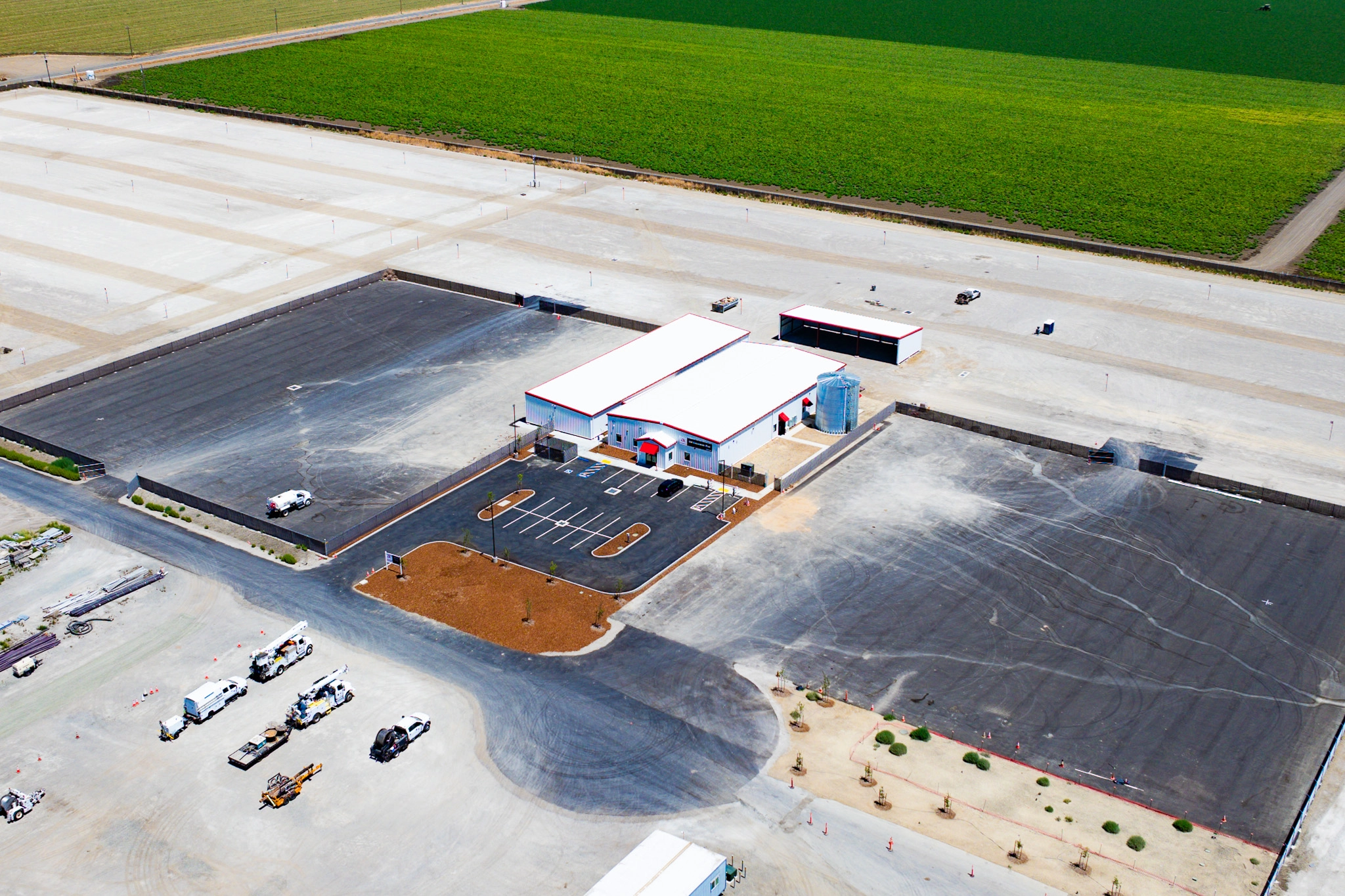
IAA and its primary competitor, Copart, operate vast physical branch footprints across North America and Europe. Upon assignment from an insurer, the auction operator dispatches towing networks, transports the vehicle to a secure processing yard, completes legal title clearance, and documents the vehicle's condition with high-resolution imagery and engine diagnostic reports.
Digital Bidding and Global Buyer Base
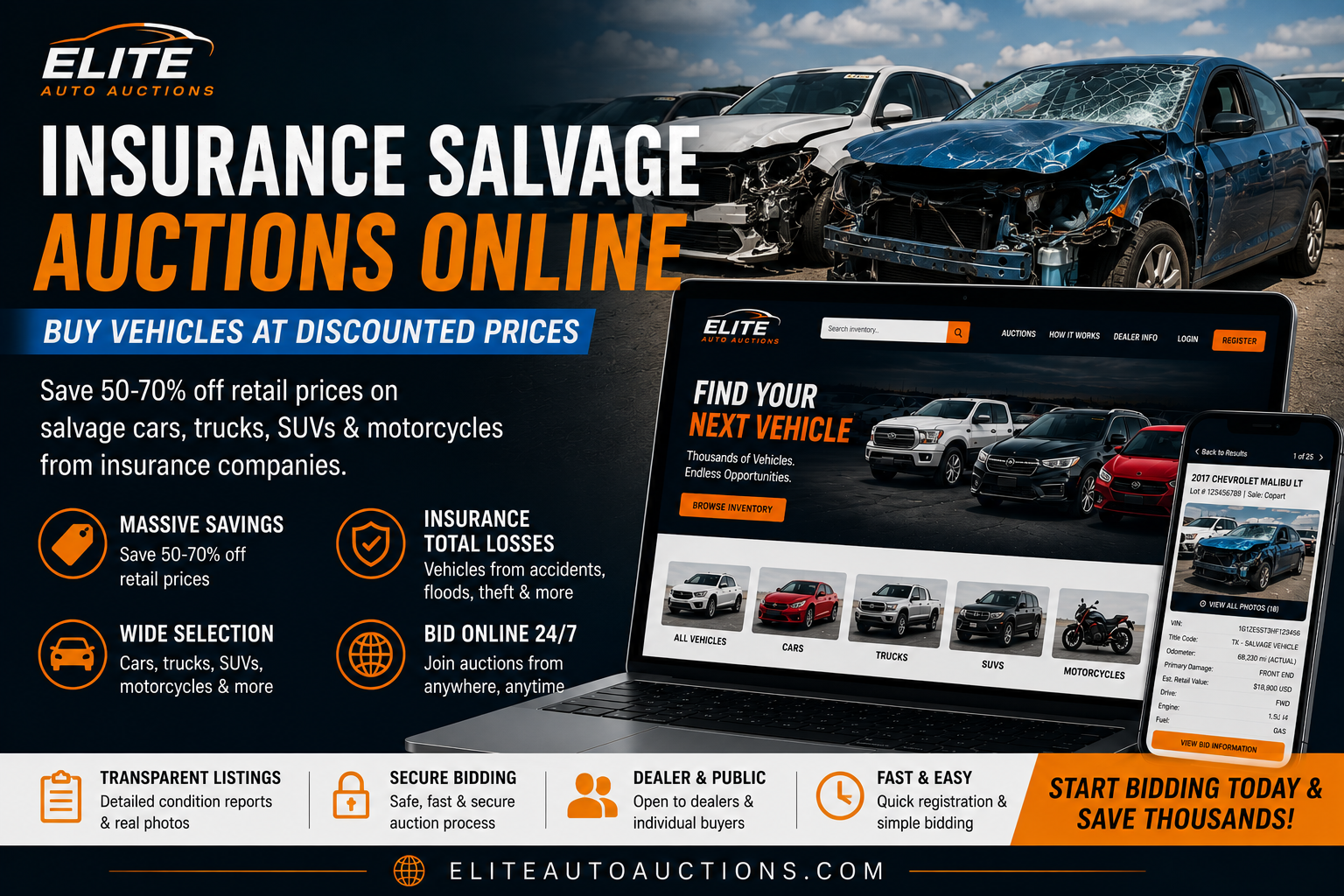
Modern salvage auctions operate through hybrid or fully digital auction platforms. Buyers range from domestic licensed auto rebuilders, dismantlers, and scrap recyclers to international buyers importing vehicles into Latin America, Eastern Europe, Africa, and the Middle East.
Ancillary Supply Chain Services
For logistics-focused investors like Jim Crane, the primary value driver extends beyond the commission fee on the hammer price. Substantial revenue flows from ancillary services:
- Inbound/Outbound Towing: Dispatching localized flatbed and multi-car transport fleets.
- Title Processing Services: Managing complex DMV vehicle title transfers across jurisdictions.
- Vehicle Storage Fees: Daily yard storage charges assessed during title processing delays.
- International Freight Forwarding: Coordinating container shipping and port logistics for overseas buyers.
Comparative Matrix: Structural Transformations in the Salvage Auction Industry
The table below outlines the structural transitions of Insurance Auto Auctions, detailing the evolving ownership models, logistics operations, and market dynamics over time.
| Historical Phase | Era / Timeframe | Dominant Ownership Model | Strategic Logistics Focus | Primary Revenue Drivers |
|---|---|---|---|---|
| Standalone Public Co. | 1992 – 2005 | Publicly Traded (NASDAQ) | Local processing yards & physical auctions | Buyer/seller auction fees, physical yard storage |
| Private Equity LBO | 2005 – 2007 | Kelso & Co. Private Equity Syndicate | Branch footprint expansion, facility consolidation | Cost rationalization, early digital platform deployment |
| KAR Enterprise Division | 2007 – 2019 | Subsidiary of KAR Auction Services | Co-located wholesale & salvage operations | Combined buyer networks, shared corporate infrastructure |
| Standalone NYSE Co. | 2019 – 2023 | Independent Public Co. (NYSE: IAA) | Buyer app optimization, API integration with insurers | Buyer fee optimization, international broker programs |
| Combined Enterprise | 2023 – Present | Subsidiary of Ritchie Bros. / RB Global | Cross-sector marketplace (commercial + auto) | Unified buyer base, global cross-selling, combined logistics |
Strategic Takeaways for Private Equity and Supply Chain Investors
Analyzing institutional investments in auto salvage networks offers several vital insights for corporate strategists, logistics executives, and equity investors:
1. Recession Resiliency of Salvage Assets
Salvage auto auctions demonstrate counter-cyclical and non-cyclical characteristics. Vehicle collision frequencies remain tied to overall miles driven, while extreme weather events (such as hurricanes or flash flooding) trigger sharp spikes in total-loss vehicle volumes. Insurers must dispose of total-loss vehicles regardless of broader economic conditions.
2. High Barriers to Entry
Establishing a competing salvage auction enterprise requires immense physical footprint capital. Operators must secure hundreds of acres of industrial-zoned real estate near major metropolitan areas, secure regulatory environmental permits, and maintain enterprise software integration directly with national auto insurance carrier claim systems.
3. Technological Disruption in Bidding Platforms
The transition from physical live-auction lanes to fully digital platforms reduced operational overhead per unit sold while expanding the buyer pool globally. Today, over half of North American salvage units are exported or purchased by out-of-state buyers relying entirely on digital condition reports.
Frequently Asked Questions
What is the connection between Jim Crane and Insurance Auto Auctions?
Jim Crane's connection to auto auctions stems from his broader financial operations through Crane Capital Group and his extensive background in freight forwarding and transportation logistics. Salvage auctions like IAA rely heavily on complex supply chain services—such as vehicle transport, storage, and cross-border freight—which align with the core focus of Crane's investment portfolio.
Who owns Insurance Auto Auctions today?
IAA, Inc. is owned by RB Global, Inc. (formerly Ritchie Bros. Auctioneers), which completed its acquisition of IAA in February 2023 in a transaction valued at approximately $7.3 billion.
How do auto insurance carriers utilize companies like IAA?
Insurance carriers partner with salvage auction networks to manage vehicles declared a total loss after severe accidents, floods, or thefts. The auction company handles towing, titling, yard storage, and digital auctioning, returning the net proceeds of the vehicle sale to the insurer to offset claim payouts.
What is the main difference between salvage auctions and traditional used-car auctions?
Salvage auctions primarily handle total-loss, damaged, flood-affected, or repossessed vehicles sold to dismantlers, rebuilders, scrap processors, and exporters. Traditional wholesale auctions focus on operational, clean-title lease returns, trade-ins, and dealer inventory.
Why are international buyers critical to salvage auction valuations?
International buyers purchase significant volumes of damaged vehicles to repair in markets with lower labor costs or to harvest for spare parts. This global bidding competition raises hammer prices, generating higher net recoveries for insurance carriers and higher fee revenues for auction operators.
Strategic Recommendations for Executives and Investors
- Evaluate Physical Asset Footprints: When analyzing vehicle disposition networks, prioritize operators with owned or long-term leased real estate in high-density logistics corridors. Physical yard capacity remains the primary constraint during high-volume weather events.
- Assess Insurance Carrier Integration: Audit the depth of API and software integrations between auction platforms and major insurance claims management systems. Automated title assignments create sustainable competitive advantages.
- Optimize Freight Intermodal Connections: Logistics providers partnering with auction platforms should establish streamlined export pipelines, connecting inland processing yards directly to port facilities to reduce dwell times and storage costs.
Financial Disclaimer: This analysis is provided for educational and informational purposes only and does not constitute financial, legal, or investment advice. Corporate holdings, organizational structures, and valuation metrics are subject to change based on market conditions and regulatory filings.
Image Gallery