Why Point of Sale Work Often Isn't Worth the Hassle
Point of sale work frequently causes frustration because hardware incompatibilities, complex payment gateway integrations, and strict PCI-DSS compliance demands create continuous troubleshooting loops that often outweigh the transactio...
Point of sale work frequently causes frustration because hardware incompatibilities, complex payment gateway integrations, and strict PCI-DSS compliance demands create continuous troubleshooting loops that often outweigh the transactional benefits for small operators.
Contents
Demystifying Point of Sale Work: What It Actually Entails
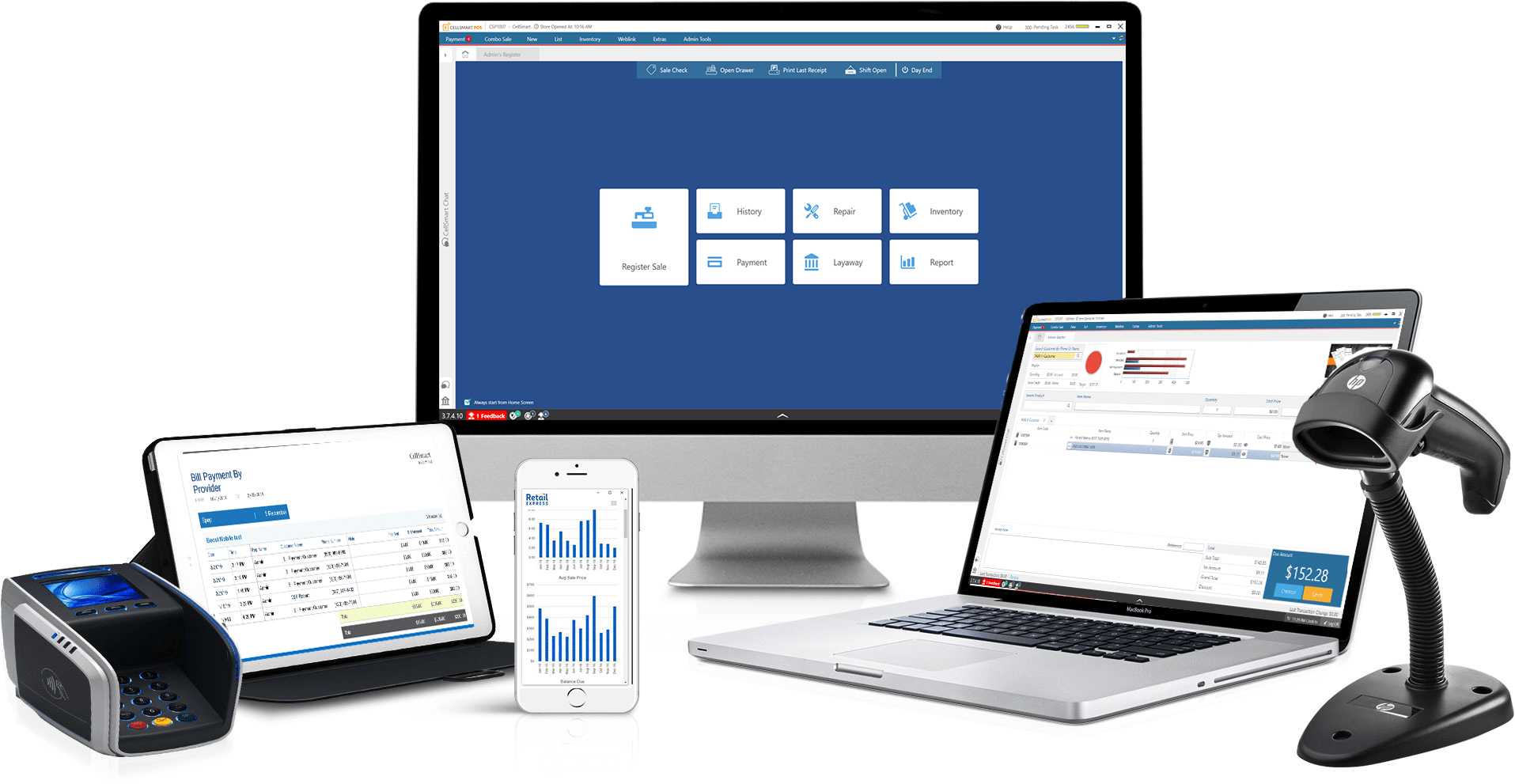
Implementing, maintaining, or upgrading a point of sale (POS) system involves a complex intersection of hardware deployment, network configuration, database synchronization, and software updates. Far beyond simply plugging in a cash register and swiping a card, modern POS work requires coordinating merchant accounts, inventory management systems, receipt printers, barcode scanners, and cloud-based databases.
For retail and hospitality businesses, the promise of a seamless checkout experience often clashes with the reality of installation hurdles. Technicians and business owners frequently find themselves caught in a cycle of firmware updates, driver conflicts, and peripheral disconnections. When a terminal drops its internet connection during peak business hours, the financial cost of downtime quickly escalates, turning routine maintenance into an operational crisis.
Furthermore, the evolution from legacy, terminal-based hardware to cloud-based omnichannel systems has increased the technical overhead. Setup now demands robust local network infrastructure, secure Wi-Fi configurations, and constant vigilance regarding data encryption. The administrative burden of managing these systems forces many organizations to reallocate valuable staff time away from customer service and core revenue-generating tasks.
The Hidden Costs and Technical Complexities of POS Deployments
Evaluating the true price of point of sale work requires looking past the initial hardware quote or software subscription fee. The hidden costs emerge through installation labor, proprietary accessory lock-ins, and ongoing technical support subscriptions. Many commercial platforms utilize closed ecosystems, meaning a business cannot reuse existing card readers, receipt printers, or cash drawers when migrating to a new provider.
| Cost Factor | Legacy POS Systems | Cloud-Based POS Systems |
|---|---|---|
| Initial Hardware Investment | High upfront equipment purchase | Moderate, often bundled or leased |
| Software Licensing | One-time or local server maintenance | Recurring monthly subscription fees |
| Integration Complexity | Manual data exports, isolated silos | API-driven, requires stable internet |
| Compliance Management | On-premise security configurations | Automated, vendor-managed updates |
Network reliability represents another major technical hurdle. Cloud-dependent systems require uninterrupted broadband connectivity. When an internet outage occurs, offline mode capabilities often prove restrictive, limiting transaction types, preventing real-time inventory updates, and creating reconciliation nightmares once connectivity returns. Troubleshooting these intermittent network failures demands specialized technical knowledge that standard retail staff rarely possess.
Compliance, Security, and Liability Pressures
Handling payment card data introduces severe legal and financial responsibilities. Businesses must strictly adhere to the Payment Card Industry Data Security Standard (PCI-DSS). Failing an audit or experiencing a data breach can result in massive fines, increased processing fees, and permanent reputational damage.
Consequently, point of sale work involves stringent security configurations, including:
- Implementing end-to-end encryption (E2EE) for all card-present and card-not-present transactions.
- Enforcing tokenization to ensure sensitive credit card numbers never touch local business servers.
- Managing strict role-based access controls to limit employee visibility into financial data.
- Conducting regular network vulnerability scans and maintaining up-to-date firewall rules.
The administrative weight of these compliance measures means that a simple software update can inadvertently break security token exchanges, locking merchants out of payment processing entirely until manual interventions are completed.
When POS Upgrades Go Wrong: Common Failure Points
When point of sale projects fail, the root causes typically stem from poor integration planning, inadequate staff training, or premature hardware deprecation. Vendors frequently release software updates that conflict with older terminal models, forcing businesses into hardware refresh cycles sooner than anticipated.
Another common failure point involves inventory synchronization errors. When an e-commerce platform fails to communicate accurately with a brick-and-mortar POS database, merchants face overselling issues, stock discrepancies, and frustrated customers. Resolving these discrepancies requires tedious manual stock audits and complex database mapping that drains administrative resources.
Evaluating Alternatives: Is Outsourcing or Simplification the Answer?
Given the persistent friction associated with point of sale management, many businesses are reevaluating their approach. Rather than handling deployments and troubleshooting internally, operators increasingly turn to specialized managed service providers or consolidated all-in-one hardware ecosystems.
While outsourcing POS administration adds a predictable monthly expense, it often prevents costly downtime and shields non-technical teams from the intricacies of merchant account configuration and regulatory compliance. However, businesses must weigh these service fees against profit margins to determine if external support is financially viable.
Frequently Asked Questions
Why do POS systems frequently lose connection to peripheral devices?
Peripherals like receipt printers and barcode scanners often disconnect due to unstable Bluetooth pairing, outdated device drivers, operating system permission blocks, or physical cable wear. Resolving these issues requires systematic troubleshooting of both the local hardware port and the host application settings.
What makes PCI compliance so difficult to maintain in a retail environment?
PCI compliance requires continuous adherence to strict network, software, and physical security rules. Because staff turnover is high and software environments change constantly through automated updates, maintaining a fully compliant state demands ongoing audits and vigilance.
Are cloud-based POS systems more reliable than traditional local servers?
Cloud-based systems offer easier remote updates and centralized data management, but they depend entirely on stable internet connectivity. Traditional local servers can operate during internet outages, but they require expensive on-premise hardware maintenance and manual backups.
How often should a business replace its POS hardware?
Most commercial POS hardware has an operational lifespan of three to five years. Replacements are typically driven by software vendor deprecation policies, security standard updates, or hardware failure due to wear and tear.
Can existing hardware be reused when switching POS providers?
In most cases, proprietary software locks and specialized firmware prevent legacy hardware from working with a new provider. Businesses usually must purchase new terminals and peripherals compatible with the incoming platform's gateway.
Practical Next Steps for Managing POS Frustrations
If your current point of sale setup consumes disproportionate time and financial resources, begin by auditing your actual downtime costs, vendor support responsiveness, and administrative overhead. Compare these metrics against alternative providers offering managed support or consolidated hardware ecosystems. When evaluating new solutions, demand clear service level agreements (SLAs), transparent fee structures, and guaranteed offline functionality to protect your daily operations from technical failure.
Image Gallery