Effective Evidence-Based Strategies on How to Calm the Anger
Calming anger requires a dual-pronged approach that addresses immediate physiological arousal and long-term cognitive regulation. By utilizing techniques such as controlled diaphragmatic breathing, progressive muscle relaxation, and co...
Calming anger requires a dual-pronged approach that addresses immediate physiological arousal and long-term cognitive regulation. By utilizing techniques such as controlled diaphragmatic breathing, progressive muscle relaxation, and cognitive reappraisal, individuals can deactivate the body's acute stress response and shift from an impulsive reactive state to a controlled, rational state of mind.
Contents
Understanding the Physiology of Anger
Anger is a natural human emotion, but it is driven by the sympathetic nervous system, often referred to as the "fight-or-flight" response. When you perceive a threat or provocation, your amygdala—the brain's emotional processing center—triggers the release of stress hormones, primarily adrenaline and cortisol. This results in an increased heart rate, elevated blood pressure, and a surge of glucose to the muscles.
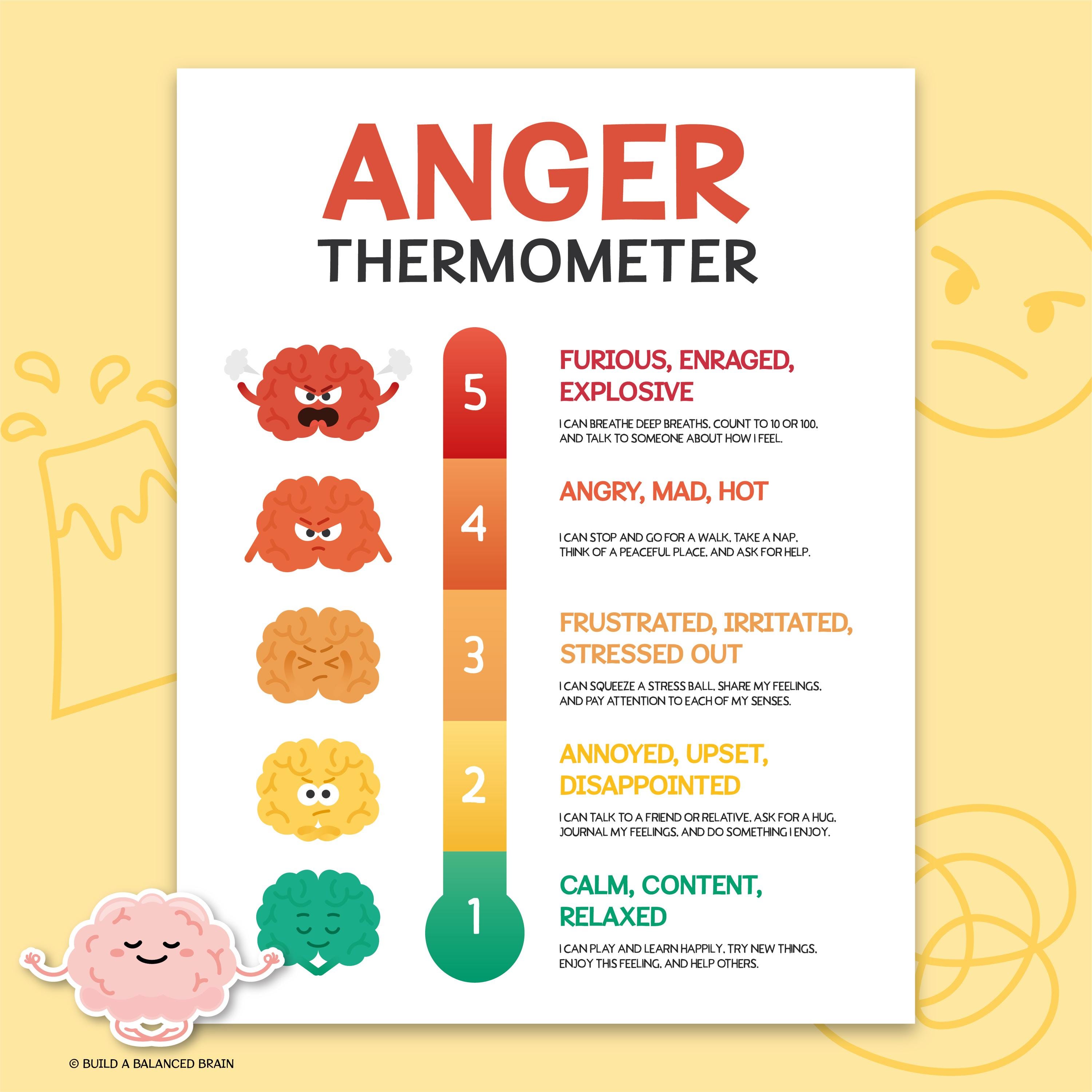
Recognizing these physical cues is the first step in regaining control. If you wait until you are in the "red zone" of explosive anger, your prefrontal cortex—the area responsible for reasoning and impulse control—is effectively inhibited. Calming the anger effectively is therefore about interrupting this neurobiological cascade before it reaches a point of no return.
Immediate De-escalation Techniques
When you feel the initial rise of anger, your goal is to manually override the body’s automated stress response. These techniques are designed for immediate implementation in high-stress moments.
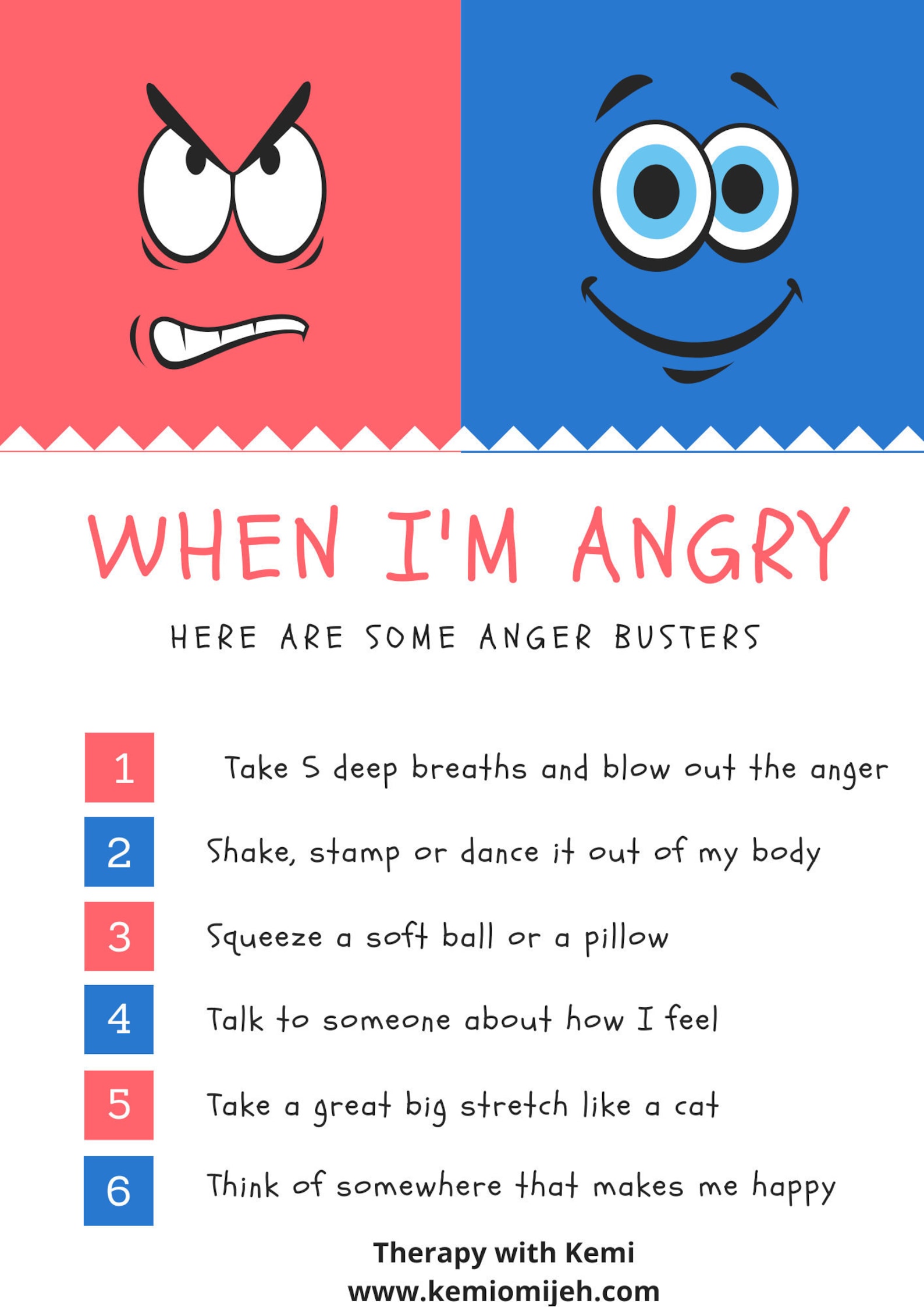
1. Diaphragmatic Breathing
Slow, deep breathing stimulates the vagus nerve, which activates the parasympathetic nervous system—the body's "rest and digest" mechanism.
- Inhale deeply through your nose for a count of four, ensuring your abdomen expands rather than your chest.
- Hold the breath for a count of four.
- Exhale slowly through pursed lips for a count of six.
- Repeat this cycle for three to five minutes. The focus on counting redirects cognitive resources away from the source of the anger.
2. The Five-Minute Rule
Physical distance from the source of your anger is often necessary to allow the hormone levels in your bloodstream to stabilize. If a situation becomes heated, inform the other party that you need a short break to collect your thoughts. Stepping away for five minutes gives your endocrine system the time required to clear the excess adrenaline, effectively lowering your physiological baseline.
3. Sensory Grounding
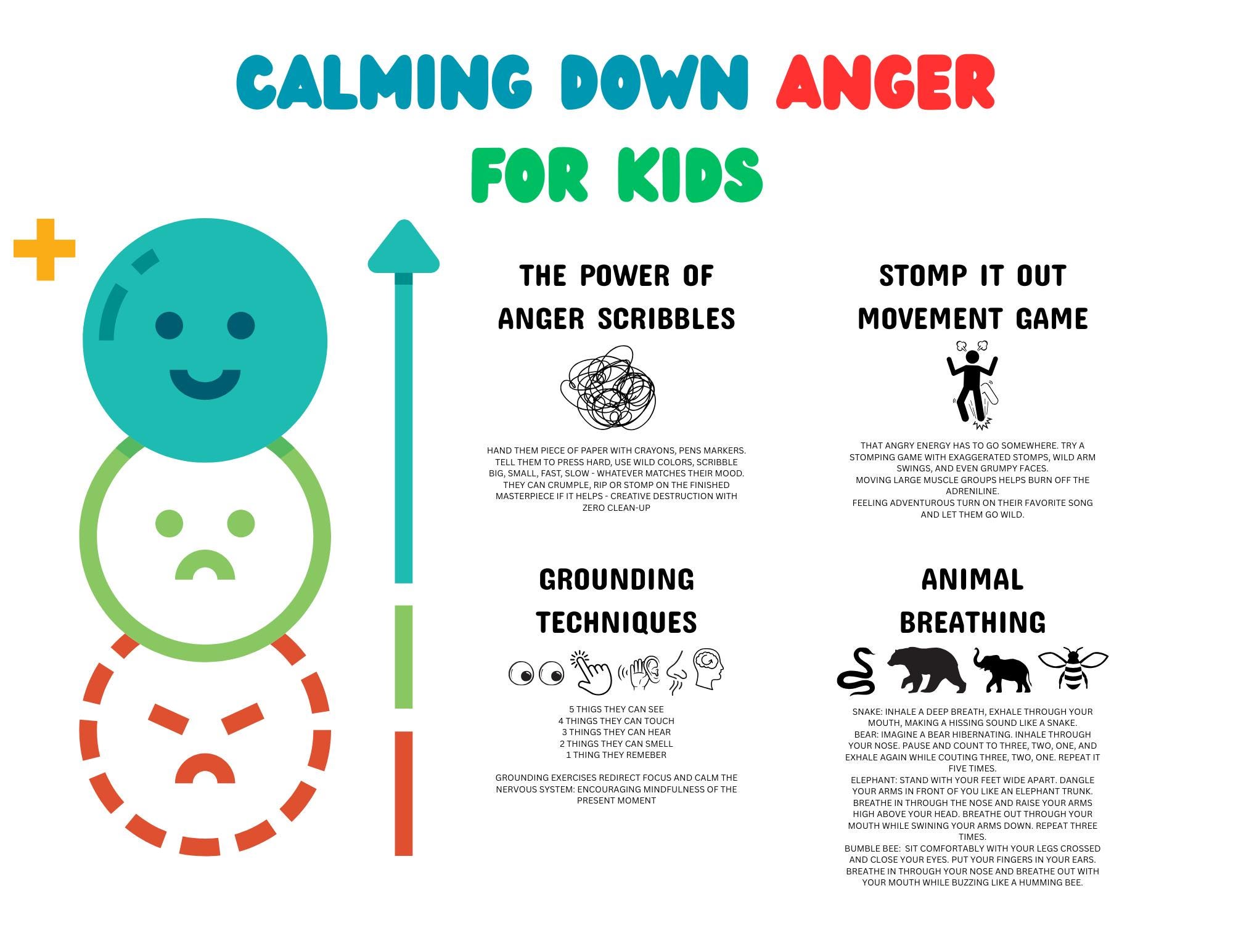
Use the 5-4-3-2-1 technique to pull your focus out of an internal narrative and into the present physical environment. Identify five things you can see, four things you can touch, three things you can hear, two things you can smell, and one thing you can taste. This process forces your brain to switch from an emotional processing mode to an analytical, sensory-input mode.
Cognitive Reappraisal: Changing the Narrative
While physical techniques manage the symptoms of anger, cognitive reappraisal addresses the triggers. This psychological process involves shifting your perspective on an event to change its emotional impact.
Many people become angry because they hold rigid expectations of how others "should" behave or how situations "must" unfold. When reality diverges from these expectations, the result is frustration. By practicing cognitive reappraisal, you actively challenge these "must" thoughts. Ask yourself:
- Is this situation truly a disaster, or is it merely an inconvenience?
- What other explanations might exist for the other person’s behavior?
- Does holding onto this anger serve my long-term goals or well-being?
By reframing an obstacle as a temporary problem rather than a personal attack, you significantly reduce the intensity of your emotional response.
Comparison of Anger Management Strategies
| Strategy | Primary Mechanism | Best Applied During |
|---|---|---|
| Deep Breathing | Parasympathetic activation | Immediate physiological surge |
| Physical Timeout | Hormone level regulation | Heated interpersonal conflict |
| Cognitive Reframing | Prefrontal cortex engagement | Post-event reflection/Prevention |
| Progressive Relaxation | Muscle tension reduction | Chronic, background irritability |
Chronic Anger and Environmental Factors
If you find that your anger is frequent, disproportionate to the circumstances, or persistent, it may be linked to chronic stress, sleep deprivation, or underlying health conditions. In 2026, many workplace and personal environments are characterized by high digital connectivity and fragmented attention, which can lower one’s threshold for irritability.
Review your external environment for consistent triggers. Are you regularly over-scheduled? Are you failing to meet basic biological needs like consistent hydration or sleep? These "hidden" stressors act as a fuel tank for anger; if you are already at 80% capacity due to exhaustion, it takes very little to push you into an explosive state.
Common Mistakes in Managing Anger
People often attempt to manage anger in ways that are counterproductive. Understanding these traps is essential for meaningful progress.
- Suppression: Trying to ignore or "bottle up" anger does not make the emotion disappear. It often leads to increased physical stress and eventual, more volatile outbursts later.
- Ventilation Myths: Research into "catharsis"—the idea that you must express anger to get rid of it—has largely debunked the notion that hitting pillows or yelling helps. Studies indicate that these behaviors often reinforce the neural pathways associated with aggression, making it easier to become angry in the future.
- Substance Use: Using alcohol or sedatives to numb anger is a temporary fix that impairs the prefrontal cortex further, making it harder to handle future conflicts with clarity.
Frequently Asked Questions (FAQ)
1. How long does it take for the body to return to a calm state after being triggered? It typically takes 20 to 30 minutes for the physiological effects of adrenaline to subside once the perceived threat is removed. However, if you continue to ruminate on the incident, you can keep the stress response active indefinitely.
2. Is it ever healthy to express anger? Yes, if it is done assertively rather than aggressively. Assertiveness involves clearly stating your needs or boundaries without attacking the other person. Expressing "I" statements, such as "I feel frustrated when this deadline is missed," is distinct from accusing others.
3. What is the role of diet and exercise in managing anger? Regular cardiovascular exercise helps regulate baseline cortisol levels, making it harder to reach a point of peak anger. Conversely, diets high in processed sugars can cause blood glucose spikes and crashes, which are frequently associated with mood instability and increased irritability.
4. When should I seek professional help for anger? You should consult a mental health professional if your anger leads to physical violence, verbal abuse, threats, or if it negatively impacts your professional life or personal relationships. Chronic anger may also be a symptom of underlying conditions such as clinical depression or anxiety.
5. Can mindfulness apps help with anger management? Yes. Mobile applications that focus on guided meditation or breath-work can be effective tools for building the "mental muscle" required to remain calm. Consistent practice outside of stressful moments makes these tools easier to access when you are actually in the midst of an anger episode.
Next Steps and Recommendations
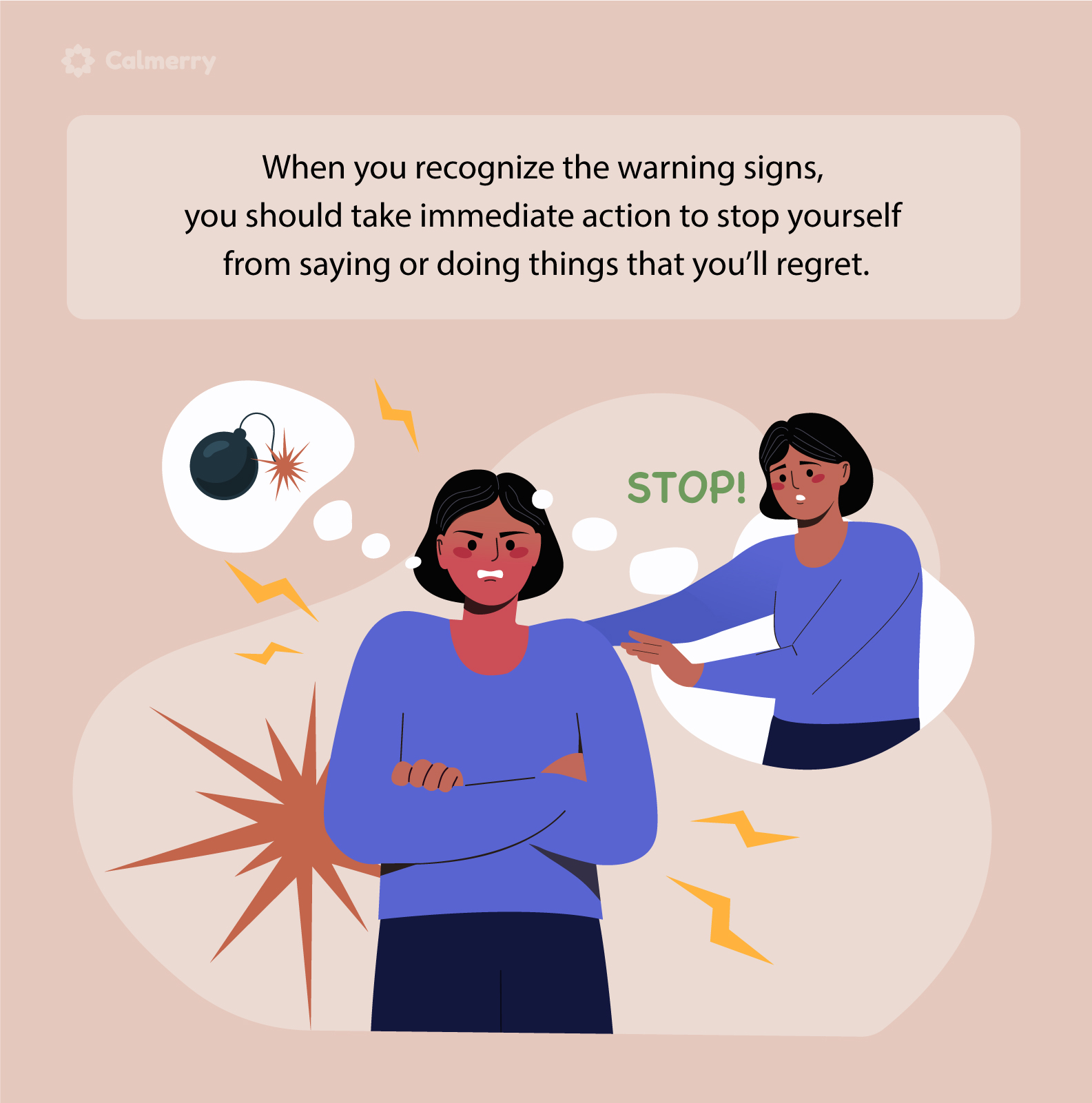
To effectively manage anger, start by documenting your triggers for one week. Note the context, the physical sensations you felt, and your subsequent actions. Once you identify these patterns, prioritize one or two of the physiological techniques listed above, such as diaphragmatic breathing, to use the moment you recognize your "early warning signs" of anger. If your anger persists or interferes with your daily quality of life, seek an evaluation from a licensed counselor or psychologist.
Image Gallery