One Vehicle Auto Insurance Explained: A Comprehensive Guide for 2026
One vehicle auto insurance is a standard insurance policy designed to cover a single passenger car, truck, or SUV under a single contract. It provides financial protection against liability for bodily injury and property damage, while...
One vehicle auto insurance is a standard insurance policy designed to cover a single passenger car, truck, or SUV under a single contract. It provides financial protection against liability for bodily injury and property damage, while offering optional coverage for theft, vandalism, and physical damage to the vehicle itself.
Contents
Navigating the landscape of auto insurance in 2026 requires an understanding of how modern technology, shifting legal requirements, and inflationary pressures on repair costs influence individual policy premiums. Whether you are a first-time car owner or a long-time driver looking to optimize your coverage, understanding the mechanics of a single-vehicle policy is the first step toward financial security on the road.
The Fundamentals of a Single-Vehicle Policy
A one-vehicle auto insurance policy is the most common form of personal lines insurance. Unlike a multi-car policy—which covers several vehicles under one umbrella—a single-vehicle policy is tailored specifically to the risks associated with one specific Identification Number (VIN).
In most jurisdictions, carrying at least a minimum level of insurance is a legal mandate. This ensures that if you are at fault in an accident, there are funds available to compensate the victim. However, a basic policy rarely provides enough protection for the policyholder’s own assets. In 2026, the complexity of vehicle hardware, including advanced driver-assistance systems (ADAS) and integrated sensors, has made even minor collisions expensive, driving the need for more than just state-minimum liability.
Policy Structure and Parties Involved
Every auto insurance contract involves three primary parties:
- The Insurer: The company providing the financial guarantee.
- The Insured: The individual (or individuals) named on the policy who are covered while operating the vehicle.
- The Vehicle: The specific asset defined by its make, model, year, and VIN.
Core Coverage Components
When you receive a quote for one vehicle, the total premium is the sum of several different types of coverage. Understanding these components allows you to customize your policy to match your risk tolerance and budget.
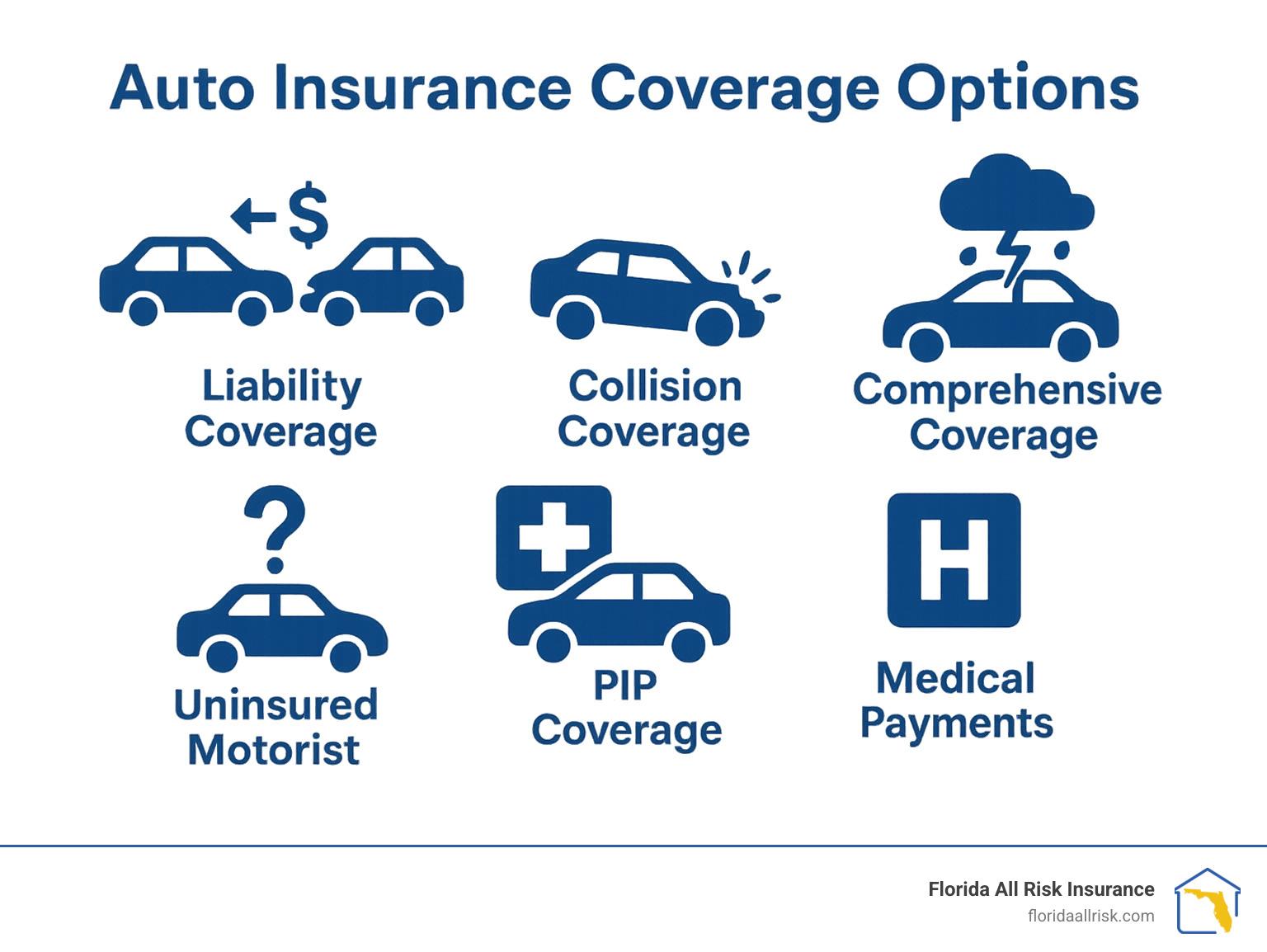
Liability Coverage (Bodily Injury and Property Damage)
Liability is the foundation of any auto policy. It does not cover you or your car; instead, it covers the "other person" if you are at fault.
- Bodily Injury (BI): Pays for the medical bills, lost wages, and legal fees of people injured in an accident you caused.
- Property Damage (PD): Pays for repairs to the other driver’s vehicle or stationary property (like fences or storefronts) damaged in the collision.
In 2026, many experts recommend liability limits well above the legal minimums, often suggesting a "100/300/100" split—meaning $100,000 per person for BI, $300,000 per accident for BI, and $100,000 for PD. Given the rising costs of healthcare and vehicle technology, low limits can leave you personally liable for the difference.
Collision and Comprehensive Coverage
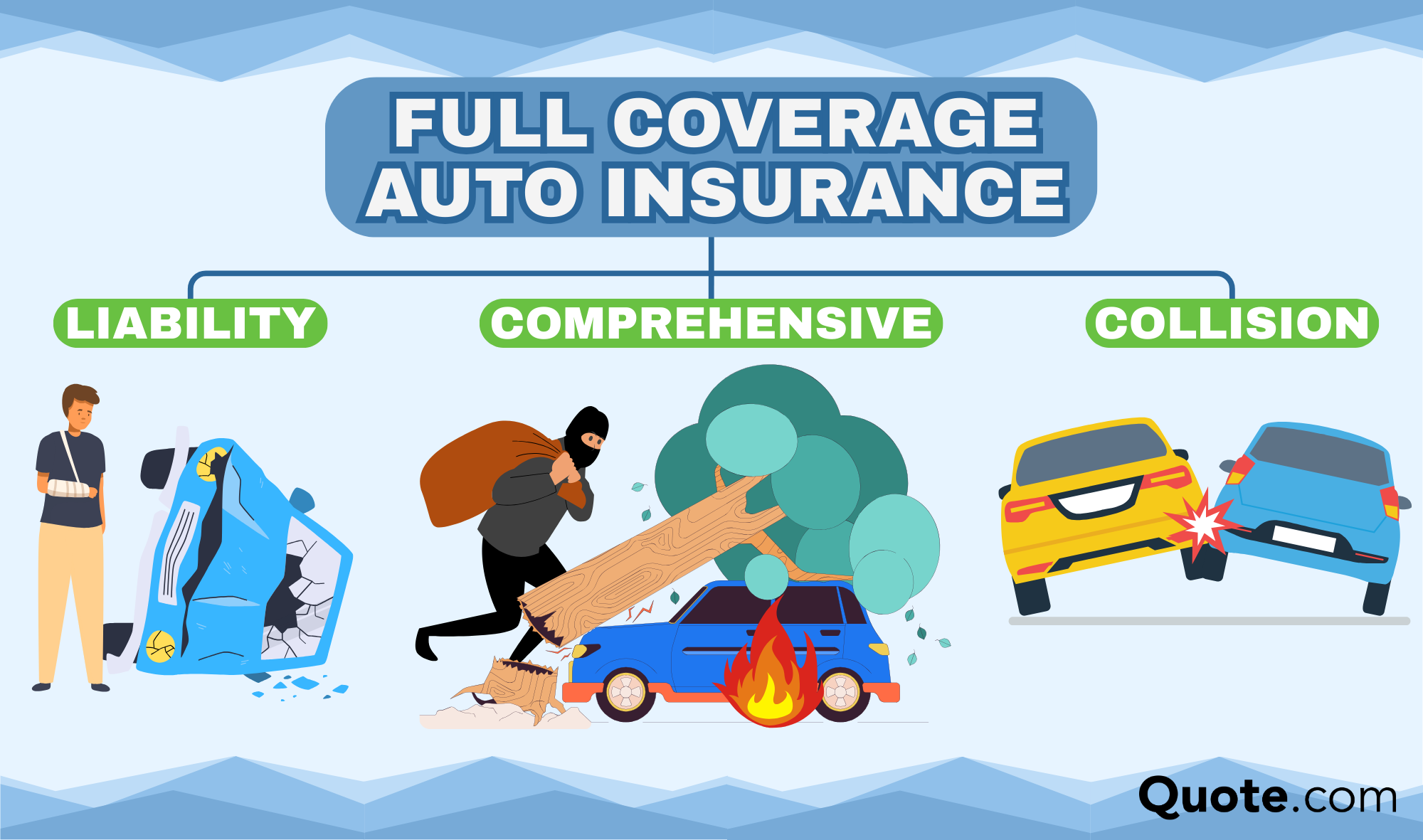
Often referred to as "full coverage" when combined with liability, these two components protect your own vehicle.
- Collision Insurance: This pays to repair or replace your vehicle after an accident involving another car or an object (like a tree), regardless of who is at fault.
- Comprehensive Insurance: This covers "acts of God" or non-collision events. This includes theft, fire, falling objects, hail, and damage caused by animals. In 2026, comprehensive claims have seen a rise due to increased extreme weather events and the high cost of replacing specialized glass used in modern EVs and luxury vehicles.
Uninsured and Underinsured Motorist Protection (UM/UIM)
Despite legal requirements, a significant percentage of drivers remain uninsured or carry insufficient limits. UM/UIM coverage steps in to pay for your medical bills and property damage if you are hit by a driver who cannot afford to pay the damages. This is particularly vital in no-fault states or areas with high rates of insurance non-compliance.
Personal Injury Protection (PIP) and Medical Payments
These coverages focus on the occupants of your vehicle. PIP is more comprehensive, often covering medical expenses, funeral costs, and lost wages. Medical Payments (MedPay) is more limited, generally focusing only on immediate medical bills regardless of fault.
How Premiums are Determined in 2026
The cost of insuring a single vehicle is no longer based solely on your age and driving record. In 2026, insurance companies utilize sophisticated AI-driven underwriting and real-time data to price risk.
Telematics and Usage-Based Insurance (UBI)
The most significant shift in recent years is the transition to Telematics. By 2026, most major insurers offer (or require) a mobile app or plug-in device that monitors your driving habits. Factors such as hard braking, rapid acceleration, nighttime driving, and total mileage are analyzed. Drivers with safe habits can see discounts of up to 40%, while aggressive drivers may face higher premiums.
Vehicle Tech and Repairability
The "smart" features of your car directly impact your rates. While ADAS features like automatic emergency braking can reduce the likelihood of an accident—leading to lower liability premiums—the cost to repair those same systems after a minor "fender bender" is immense. A bumper replacement that cost $800 a decade ago can now cost $3,500 due to the calibration required for embedded sensors and cameras.
Regional and Demographic Factors
- Location: Rates are heavily influenced by local crime rates (theft/vandalism), traffic density, and the frequency of local weather-related claims.
- Credit-Based Insurance Scores: In many regions, insurers use credit history as a predictor of risk, under the theory that individuals who manage finances responsibly are also more responsible behind the wheel.
- Driving History: A clean record remains the single best way to keep costs low. Tickets and accidents typically stay on your record for three to five years, impacting your "risk tier."
Comparing Coverage Levels
Choosing the right level of protection depends on the value of your vehicle and your personal financial situation. The following table illustrates common configurations for a single-vehicle policy in 2026.
| Coverage Type | Liability Only (Minimum) | Standard Coverage | Premium "Full" Coverage |
|---|---|---|---|
| Bodily Injury | State Minimum (e.g., 25/50) | 100/300 | 250/500 |
| Property Damage | State Minimum (e.g., 10/20) | $50,000 | $100,000+ |
| Collision | Not Included | Included ($500 Deductible) | Included ($250 Deductible) |
| Comprehensive | Not Included | Included ($500 Deductible) | Included ($100 Deductible) |
| Roadside/Rental | Not Included | Often Optional | Included |
| Ideal For | Older cars with low resale value | Most daily drivers | New, financed, or luxury vehicles |
Strategies to Optimize Your Policy
If you are only insuring one vehicle, you do not have the "multi-car discount" available to families. However, there are several other ways to reduce your annual spend without sacrificing essential protection.
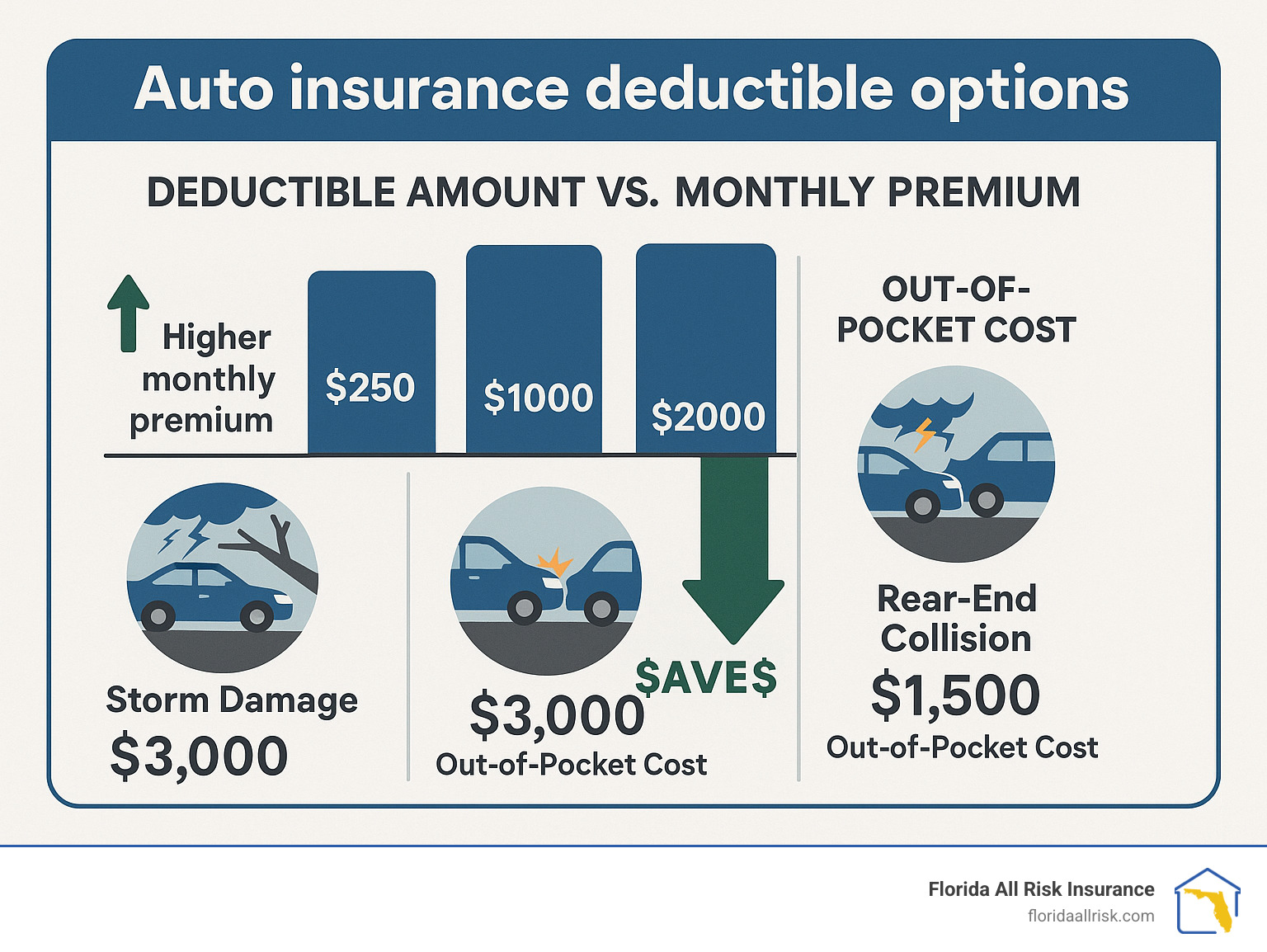
Increasing Deductibles
The deductible is the amount you pay out-of-pocket before insurance kicks in for collision or comprehensive claims. Raising your deductible from $500 to $1,000 can significantly lower your monthly premium. This is a viable strategy if you have an emergency fund capable of covering the higher out-of-pocket cost in the event of a claim.
Bundling with Other Products
Even if you only have one car, you likely have other insurance needs. "Bundling" your auto policy with renters, homeowners, or life insurance is one of the most effective ways to secure a discount. In 2026, many providers offer "loyalty bundles" that provide a single interface for managing all household risks.
Seeking Specific Discounts
Insurers offer a wide array of specialized discounts that many policyholders overlook:
- Good Student Discount: For drivers under 25 with a "B" average or higher.
- Safety Feature Discount: For vehicles equipped with the latest anti-theft and collision-avoidance tech.
- Low Mileage Discount: For those who work from home or use public transit, reducing their time on the road.
- Professional/Alumni Affiliations: Discounts for members of certain professional organizations or university alumni associations.
Common Pitfalls to Avoid
When setting up a single-vehicle policy, avoid the "set it and forget it" mentality. Failing to update your policy can lead to coverage gaps or overpayment.
- Underinsuring Modern Vehicles: If you have a loan on your vehicle, your lender will require collision and comprehensive. However, you should also consider Gap Insurance. If your new car is totaled, the insurance payout (Actual Cash Value) might be less than what you owe on the loan. Gap insurance covers that "gap."
- Ignoring Policy Exclusions: Most standard policies do not cover commercial use. If you use your personal vehicle for ridesharing (like Uber) or delivery services (like DoorDash), you must add a commercial endorsement. Failure to do so could result in a denied claim.
- Failing to Shop Annually: The insurance market is volatile. A company that was the cheapest for you last year might have adjusted its risk algorithms this year. It is prudent to compare quotes from at least three different providers every 12 months.
Frequently Asked Questions
Does my one-vehicle policy cover other people driving my car?
Generally, yes. In most states, "insurance follows the car." This means if you give a friend permission to borrow your vehicle, your insurance serves as the primary coverage in the event of an accident. However, if that person lives in your household and is not listed on your policy, the insurer may deny the claim or require them to be added.
Can I add a second vehicle to my policy later?
Yes. Most insurers allow you to add an additional vehicle at any time. Doing so usually converts the policy into a multi-car policy, which often triggers a discount on the premiums for both vehicles. You will need the VIN and mileage for the new vehicle to generate a quote.
Is one-vehicle insurance cheaper than a multi-car policy?
On a per-vehicle basis, a multi-car policy is usually cheaper because insurers offer discounts for the increased business. However, the total "bill" for a one-vehicle policy will always be lower because you are only paying to cover one risk.
What happens if I use my car for work?
If you use your vehicle for commuting to a single place of business, your personal policy is sufficient. If you use it for business tasks—such as visiting multiple clients, transporting goods for a fee, or using it as a "tool" for your job—you likely need a commercial auto rider or a separate business policy.
How does my credit score affect my one-vehicle premium?
In many states, insurers use a "Credit-Based Insurance Score." Statistical data suggests a correlation between financial responsibility and driving safety. A higher credit score can lead to significantly lower premiums, while a lower score may categorize you as a higher risk.
Next Steps for Vehicle Owners
To ensure you have the best possible coverage for your single vehicle in 2026, begin by reviewing your current "Declarations Page." This document outlines your current limits and deductibles. Compare these against the National Association of Insurance Commissioners (NAIC) guidelines for your specific state.
Once you understand your current baseline, use an online comparison tool to gather at least three new quotes. Be prepared to provide your VIN and current mileage to get the most accurate pricing. If you are comfortable with digital monitoring, opt-in for a telematics program to demonstrate your safe driving habits and secure the lowest possible rate.
Image Gallery