Why Sunoco Inc Matters to Fuel Buyers
Sunoco Inc. (now operating primarily as Sunoco LP) remains a cornerstone for fuel buyers in 2026 because of its massive distribution infrastructure, "Top Tier" certified fuel quality, and unmatched supply chain stability. By integratin...
Sunoco Inc. (now operating primarily as Sunoco LP) remains a cornerstone for fuel buyers in 2026 because of its massive distribution infrastructure, "Top Tier" certified fuel quality, and unmatched supply chain stability. By integrating extensive midstream assets with a high-performance heritage, Sunoco ensures reliable delivery and engine longevity for both retail consumers and large-scale commercial fleets.
Contents
The Evolution of a Fuel Giant: From Refiner to Logistics Powerhouse
To understand why Sunoco matters in 2026, one must look at its strategic pivot from a traditional oil refiner to one of the largest independent fuel distributors in the United States. Historically known as Sunoco Inc., the company transitioned its core business model toward a Master Limited Partnership (MLP) structure, Sunoco LP. This shift was not merely a corporate reorganization; it was a fundamental change in how fuel reaches the end user.
For fuel buyers today, this evolution means that Sunoco focuses entirely on the "midstream" and "downstream" segments of the energy sector. By exiting the volatile refining business years ago, Sunoco insulated its customers from the direct shocks of refinery maintenance shutdowns. Instead, it built a diverse portfolio of supply sources. In 2026, Sunoco manages the distribution of over 8 billion gallons of fuel annually, sourcing from dozens of third-party refiners to ensure that if one source goes offline, the buyer's supply remains uninterrupted.
This reliability is particularly vital for commercial fuel buyers who cannot afford downtime. Whether you are a logistics manager overseeing a regional trucking fleet or a construction firm requiring bulk diesel on-site, Sunoco’s specialized focus on logistics ensures a consistent flow of product across more than 30 states.
Why Fuel Quality Matters: The Science of "Top Tier"
For the individual retail consumer, the name Sunoco is synonymous with quality. In 2026, engine technology has become increasingly sensitive to fuel impurities and carbon buildup. Sunoco remains a dedicated participant in the Top Tier Detergent Gasoline program, a standard developed by leading automakers like BMW, General Motors, and Toyota.
Sunoco’s fuel is treated with a proprietary additive package designed to keep intake valves and fuel injectors clean. Why does this matter to the buyer?
- Fuel Economy: Carbon deposits on fuel injectors can disrupt the spray pattern, leading to inefficient combustion. By using high-quality detergents, Sunoco fuel helps maintain the original fuel economy of the vehicle.
- Engine Longevity: Reducing "engine gunk" prevents premature wear on critical components, potentially saving owners thousands of dollars in long-term maintenance costs.
- Emissions: Cleaner combustion results in lower tailpipe emissions, helping vehicles meet increasingly stringent environmental standards in 2026.
Beyond standard gasoline, Sunoco’s role as the official fuel provider for NASCAR serves as a real-world laboratory. The high-octane fuels developed for the track inform the chemistry of the fuels found at the pump. When a buyer pulls into a Sunoco station, they are benefiting from decades of high-performance testing where "good enough" is never the standard.
The NuStar Acquisition and Supply Chain Resilience
A major reason Sunoco matters to fuel buyers in 2026 is the successful integration of NuStar Energy L.P., a multi-billion dollar acquisition finalized in 2024. This move significantly expanded Sunoco’s footprint in the midstream sector, particularly in the Midwest and West Coast.
For fuel buyers, the importance of this merger cannot be overstated. It gave Sunoco control over critical pipelines and terminaling facilities. In the world of fuel buying, "terminaling" is the process of storing fuel before it is loaded onto trucks for local delivery. By owning the terminals, Sunoco can better manage inventory levels and price volatility.
| Feature | Impact on Retail Buyers | Impact on Commercial Buyers |
|---|---|---|
| Terminal Access | More consistent pricing at local stations. | Priority loading during regional fuel shortages. |
| Pipeline Integration | Reduced risk of localized "run-outs." | Lower "last-mile" transportation costs. |
| Geographic Diversity | Sunoco stations available in more regions. | Simplified vendor management for national fleets. |
| Storage Capacity | Stabilized supply during hurricane seasons. | Ability to lock in bulk pricing via forward contracts. |
This infrastructure creates a "buffer" against global energy shocks. While Sunoco does not control the price of crude oil, its ownership of the delivery "highway" allows it to offer more competitive and stable wholesale rates than smaller, unintegrated distributors.
Commercial Fuel Buying: More Than Just a Pump
For business-to-business (B2B) fuel buyers, Sunoco matters because of its sophisticated fleet management and wholesale services. In 2026, managing fuel costs is often the difference between profit and loss for transportation companies.
Sunoco offers a suite of fleet cards and digital tools that allow managers to track every gallon spent. These tools provide:
- Level 3 Data Reporting: Detailed insights into who bought fuel, where, and for which vehicle, preventing unauthorized usage and fraud.
- Customizable Restrictions: Managers can limit purchases by time of day, day of the week, or specific product types (e.g., diesel only).
- Tax Compliance: Automated reporting for International Fuel Tax Agreement (IFTA) filings, which significantly reduces the administrative burden on fleet owners.
Furthermore, Sunoco’s wholesale division provides customized delivery solutions. For industries like agriculture, marine, and aviation, Sunoco provides specialized fuel grades that meet rigorous industry-specific certifications. Their ability to deliver "job-site" fueling—where a tanker fills equipment directly on a construction site—saves companies hours of labor costs that would otherwise be spent driving machinery to a retail location.
Navigating the Energy Transition in 2026
As we move through 2026, the energy landscape is shifting toward lower-carbon alternatives. Sunoco matters to the modern fuel buyer because it is bridging the gap between traditional petroleum and the fuels of the future.
Sunoco has heavily invested in the distribution of Renewable Diesel and Sustainable Aviation Fuel (SAF). Unlike traditional biodiesel, renewable diesel is chemically identical to petroleum diesel, meaning it can be used in existing engines without modification. For commercial buyers under pressure to meet ESG (Environmental, Social, and Governance) targets, Sunoco provides a seamless way to reduce their carbon footprint without replacing their entire fleet of vehicles.
Additionally, Sunoco’s strategic partnership with Energy Transfer LP—one of the largest energy infrastructure companies in North America—gives them a front-row seat to the hydrogen and carbon capture markets. This relationship ensures that as the world moves toward new energy sources, Sunoco will have the infrastructure in place to deliver those fuels to the buyer, just as they have with gasoline for over a century.
Common Pitfalls for Fuel Buyers and How Sunoco Solves Them
Many buyers make the mistake of choosing fuel based solely on the lowest price per gallon shown on a street sign. However, this "lowest-cost" strategy often ignores hidden expenses.
- The "Cheap Gas" Penalty: Unbranded or low-tier fuels often lack the detergents necessary to prevent engine deposits. Over time, this leads to a "knock" or "ping" in the engine and a decrease in power. Sunoco’s commitment to Top Tier standards eliminates this risk.
- Supply Insecurity: Small distributors often buy fuel on the "spot market." When a pipeline breaks or a hurricane hits the Gulf Coast, these distributors are the first to lose access to supply. Sunoco’s ownership of terminals and pipelines ensures they are the last to run dry.
- Inconsistent Octane Levels: High-performance engines require precise octane ratings. Sunoco’s rigorous quality control protocols at the terminal level ensure that the 91 or 93 octane fuel you pay for actually meets those specifications when it enters your tank.
Frequently Asked Questions
Does Sunoco offer 94-octane fuel in 2026?
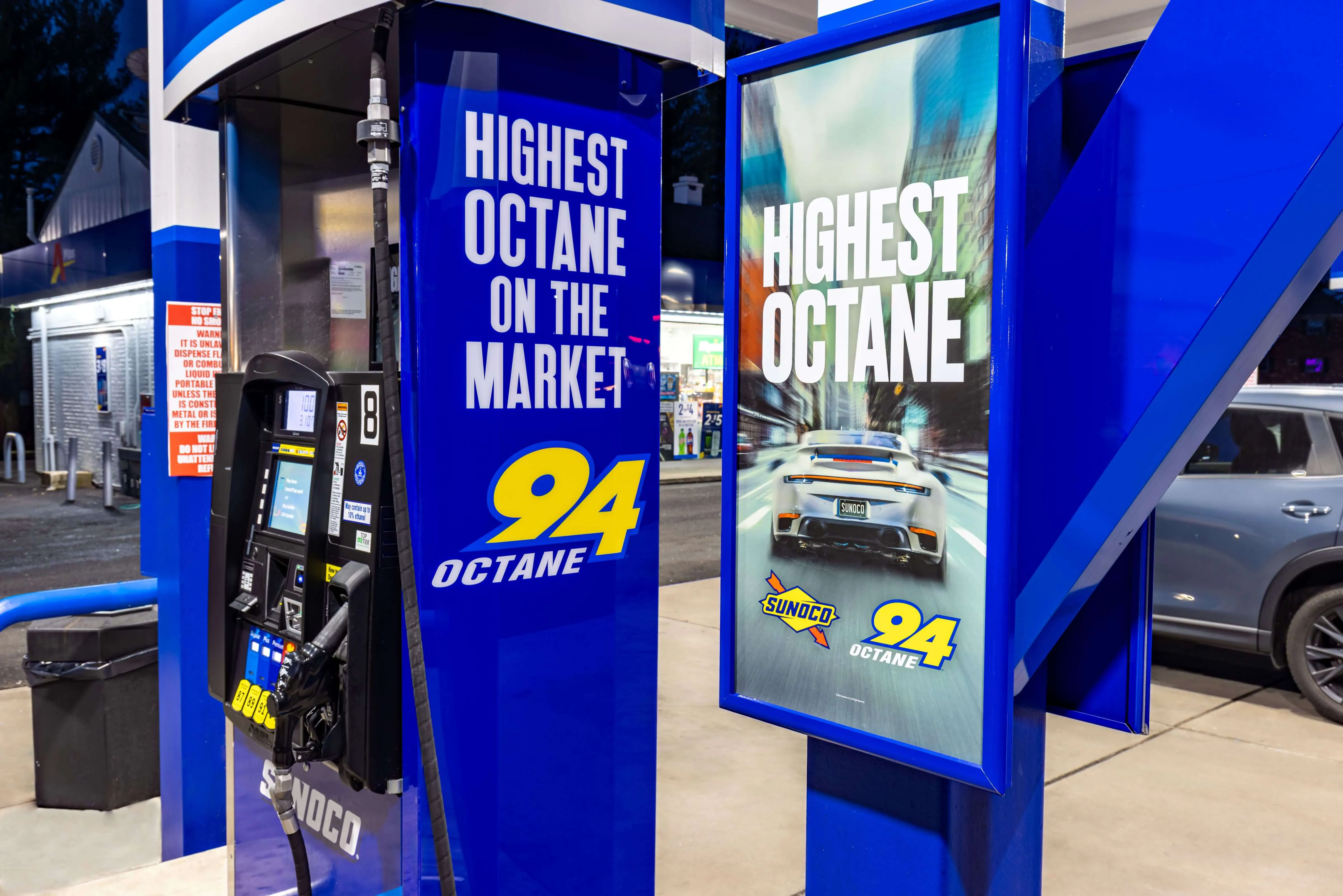
Sunoco has a long history of offering high-octane options, including their legendary Ultra 94. While availability varies by region and state emissions laws, Sunoco remains the primary source for high-performance fuels at the retail level. In 2026, many enthusiasts still seek out Sunoco for their performance-tuned engines that require higher knock resistance.
How does the Sunoco Go Rewards program work?
The Sunoco Go Rewards program is a mobile-app-based loyalty system. As of 2026, it offers per-gallon discounts for users who pay through the app. It also integrates with various grocery store loyalty programs, allowing buyers to stack rewards and significantly reduce their out-of-pocket costs at the pump.
Why is Sunoco considered a midstream company now?
Although consumers see Sunoco at gas stations (downstream), the company’s internal value lies in its midstream assets: pipelines, terminals, and storage tanks. By controlling the "middle" of the process, Sunoco can move fuel more efficiently from any refinery to any market, which is why they are classified as a logistics and distribution leader.
Can I buy Sunoco race fuel for my personal car?
Sunoco produces specialized race fuels (like Sunoco 260 GT) that are available at select stations and through authorized distributors. While these are intended for off-road or racing use, they demonstrate the technical expertise that Sunoco applies to its standard consumer-grade gasoline.
Is Sunoco fuel safe for older, classic cars?
Yes. Sunoco’s high-quality additive packages are beneficial for older engines that may be more prone to carbon buildup. For classic car owners, using a fuel with high-quality detergents and consistent octane ratings is essential for preserving the engine's original performance.
Final Recommendation for Fuel Buyers
Whether you are an individual driver or a corporate fleet manager, the choice of fuel provider is an investment in your equipment's longevity and your operational reliability. In 2026, Sunoco Inc./LP stands out because it offers more than just a commodity; it offers a sophisticated logistics network and a verified standard of chemical quality.
To maximize value, retail buyers should utilize the Sunoco Go Rewards app to track spending and capture discounts. Commercial buyers should contact a Sunoco wholesale representative to discuss terminal-access agreements and fleet card integrations. By aligning with a distributor that owns its infrastructure, you protect yourself against the volatility of the modern energy market.
Image Gallery