7 Best Places to Fish for Salmon in Alaska
Alaska remains the premier global destination for anglers seeking world-class salmon fishing, offering diverse ecosystems, massive runs, and unforgettable wilderness settings across thousands of rivers and coastal waters. Planning a su...
Alaska remains the premier global destination for anglers seeking world-class salmon fishing, offering diverse ecosystems, massive runs, and unforgettable wilderness settings across thousands of rivers and coastal waters.
Contents
Planning a successful salmon fishing trip in Alaska requires understanding state-specific regulations, navigating remote geography, choosing the right seasonal windows, and selecting locations that match your target species—whether you are pursuing aggressive King salmon, acrobatic Silver salmon, or hard-fighting Sockeye. Alaska hosts all five Pacific salmon species: Chinook (King), Coho (Silver), Sockeye (Red), Chum (Dog), and Pink (Humpy). Because each species has unique life cycles and migration patterns, timing and location dictate the success of any angling expedition.
1. The Kenai River
The Kenai River is arguably the most famous salmon fishery in the world, renowned for producing trophy-sized Chinook salmon alongside massive runs of Sockeye and Coho. Located on the Kenai Peninsula and easily accessible from Anchorage, the river offers both do-it-yourself bank fishing and guided boat excursions.
Fisheries and Timing
The Kenai is split into the Upper, Middle, and Lower sections, each presenting different angling characteristics:
- Lower Kenai (Soldotna to the mouth): Famous for giant early- and late-run King salmon. These fish enter the river straight from Cook Inlet, carrying maximum strength and weight.
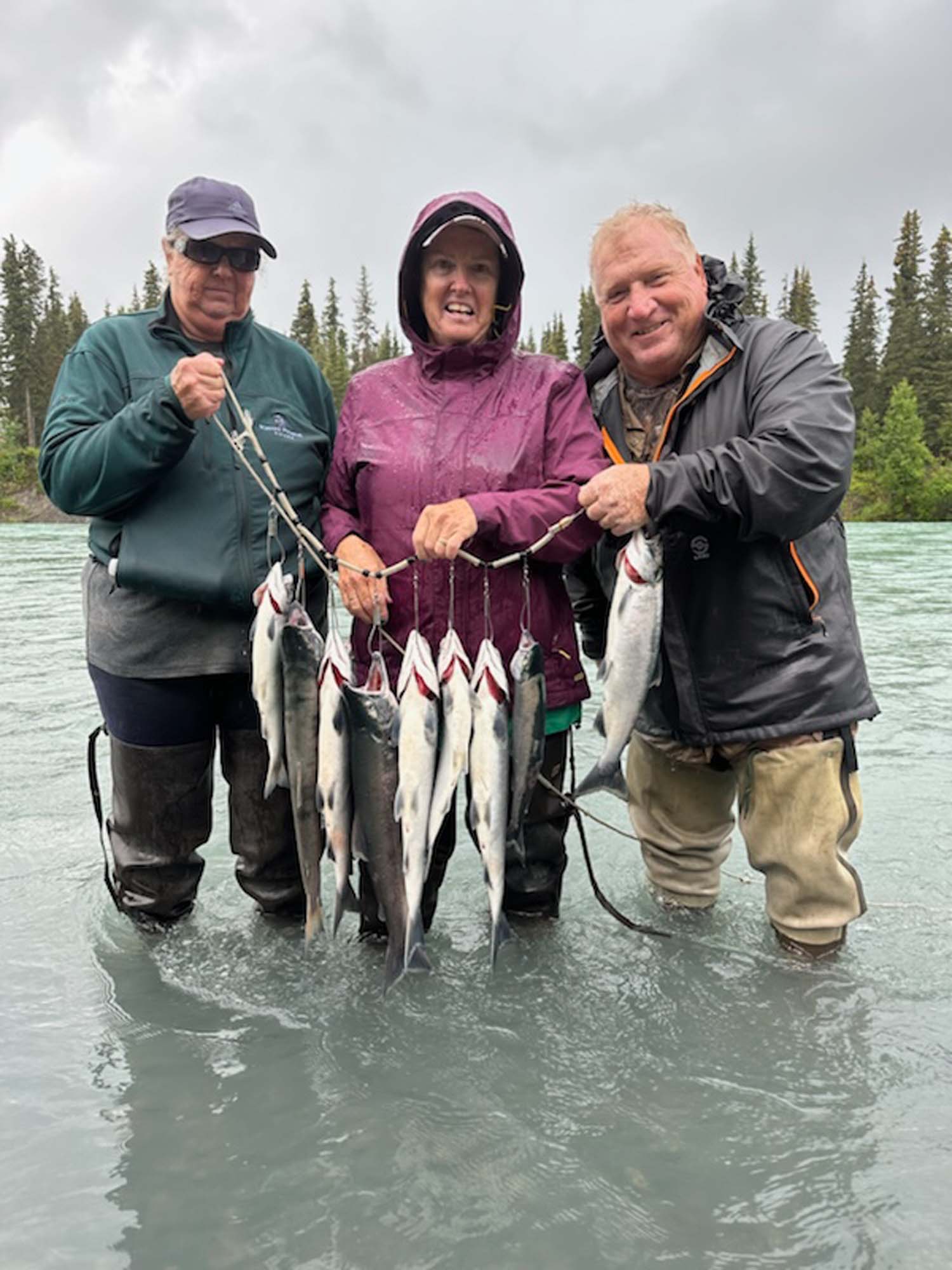
- Middle and Upper Kenai (Kenai Lake to Skilak Lake): Prime waters for Sockeye salmon during their massive June and July runs, as well as Coho salmon later in the autumn.
Logistics and Access
Accessing the Kenai is straightforward compared to remote bush-plane destinations. Anglers can fly into Anchorage, rent a car, and drive roughly two to three hours south to Soldotna or Kenai. The river features numerous public boat launches, state parks, and boardwalks (such as those at the Soldotna Creek Park). However, fishing pressure can be high during peak runs, and emergency closures or strict catch-and-release rules are frequently enacted by the Alaska Department of Fish and Game (ADF&G) to protect returning spawning stocks.
2. The Kvichak River
For anglers seeking absolute solitude combined with staggering numbers of fish, the Kvichak River in Bristol Bay stands out as an elite destination. Connecting Lake Iliamna to Kvichak Bay, this river hosts the largest run of Sockeye salmon on the planet.
The Bristol Bay Sockeye Experience
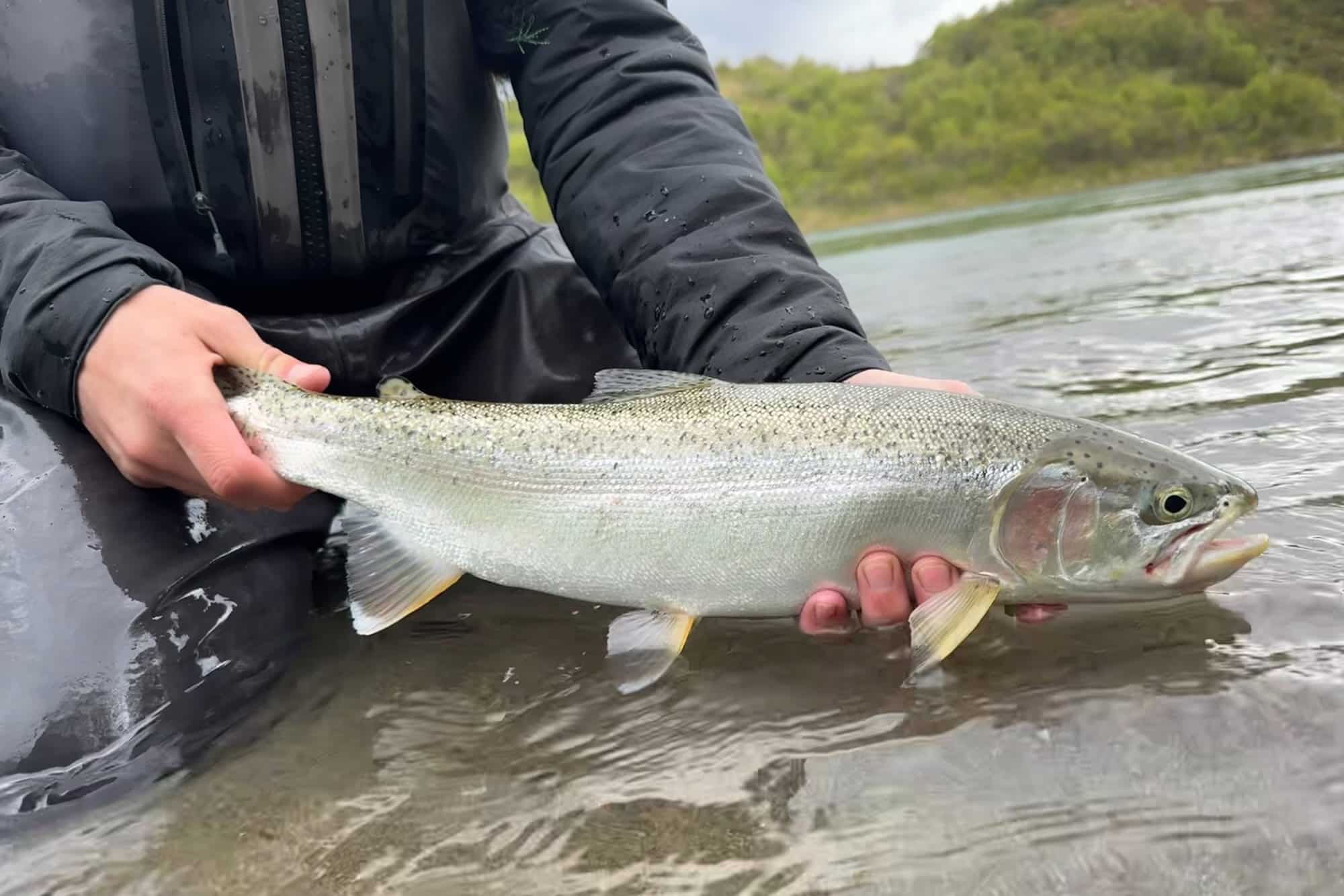
During peak Sockeye runs in late June and July, millions of red salmon navigate the Kvichak River system. The water is exceptionally clear, allowing anglers to sight-fish using traditional fly-fishing techniques, such as drift-fishing yarn flies or bare hooks with bright colored beads. In addition to Sockeye, the river supports robust populations of resident rainbow trout that feed aggressively behind spawning salmon.
Access and Accommodations
Unlike the road-accessible Kenai River, the Kvichak requires a fly-in journey. Anglers typically fly from Anchorage to King Salmon or directly into local wilderness lodges via floatplane. Most visitors stay at all-inclusive fly-in lodges that provide guided boat access, meals, and specialized gear. While expensive, this option delivers an authentic remote Alaskan wilderness experience far away from highway crowds.
3. The Copper River
Originating in the Wrangell-St. Elias Mountains and emptying into the Gulf of Alaska near Cordova, the Copper River is legendary for its wild, powerful salmon runs and the exceptional fat content of its fish, which fuel their long, grueling journey upstream.
Target Species and River Dynamics
The Copper River is best known for its exceptional early-run Sockeye and resilient Chinook salmon. The water is heavily glacial and silt-laden, meaning sight-fishing is rarely an option. Instead, anglers rely on vibration, scent, and precise presentation along current seams, eddies, and gravel bars where migrating salmon rest out of the main heavy current.
Navigating the Copper River Highway
Road-accessible fishing exists along the Copper River Highway out of Cordova, though much of the upper drainage requires boat access or specialized bush-plane transport. Anglers should exercise caution regarding swift currents, cold water temperatures, and changing weather conditions. Checking current emergency orders from ADF&G is critical here, as glacial melt and fluctuating escapement goals frequently alter bag limits.
4. Egegik River
Situated on the Alaska Peninsula within the Bristol Bay region, the Egegik River is a powerhouse for Sockeye salmon and a favorite among dedicated fly-fishermen and commercial guides alike.
High-Volume Sockeye Action
The Egegik River experiences some of the earliest and most concentrated Sockeye salmon runs in Alaska. When the run peaks in late June and early July, the sheer volume of fish moving up the narrow river channels provides non-stop action. Anglers frequently experience double-digit hookups daily using standard spin-casting or fly-fishing setups.
Planning Your Trip
Reaching the Egegik River typically involves flying from Anchorage to King Salmon via a regional commercial carrier, followed by a charter flight to local fishing camps or remote lodges. Because infrastructure is minimal compared to the Kenai Peninsula, visitors must book guided packages that include lodging, meals, watercraft, and expert local navigation.
5. Naknek River
Flowing from Naknek Lake into Kvichak Bay near King Salmon, the Naknek River offers a rare combination of comfort, accessibility, and monumental fish sizes. It is particularly famous for producing world-class King salmon alongside exceptional runs of Sockeye, Chum, and Coho.
Why the Naknek Shines
The Naknek River features wide, deep channels and diverse structure, making it ideal for both back-trolling plugs for trophy Kings and swinging flies for aggressive Silvers in August and September. Furthermore, the Naknek is home to some of the largest resident rainbow trout in Alaska, providing world-class multi-species opportunities on days when salmon fishing slows down.
Accessibility
King Salmon acts as a major regional hub, making the Naknek River much easier to access than many other remote Bristol Bay rivers. Commercial flights operate daily between Anchorage and King Salmon. Anglers can choose between staying at full-service riverside lodges or renting local cabins and hiring independent boat guides.
6. Sitka (Saltwater Salmon Fishing)
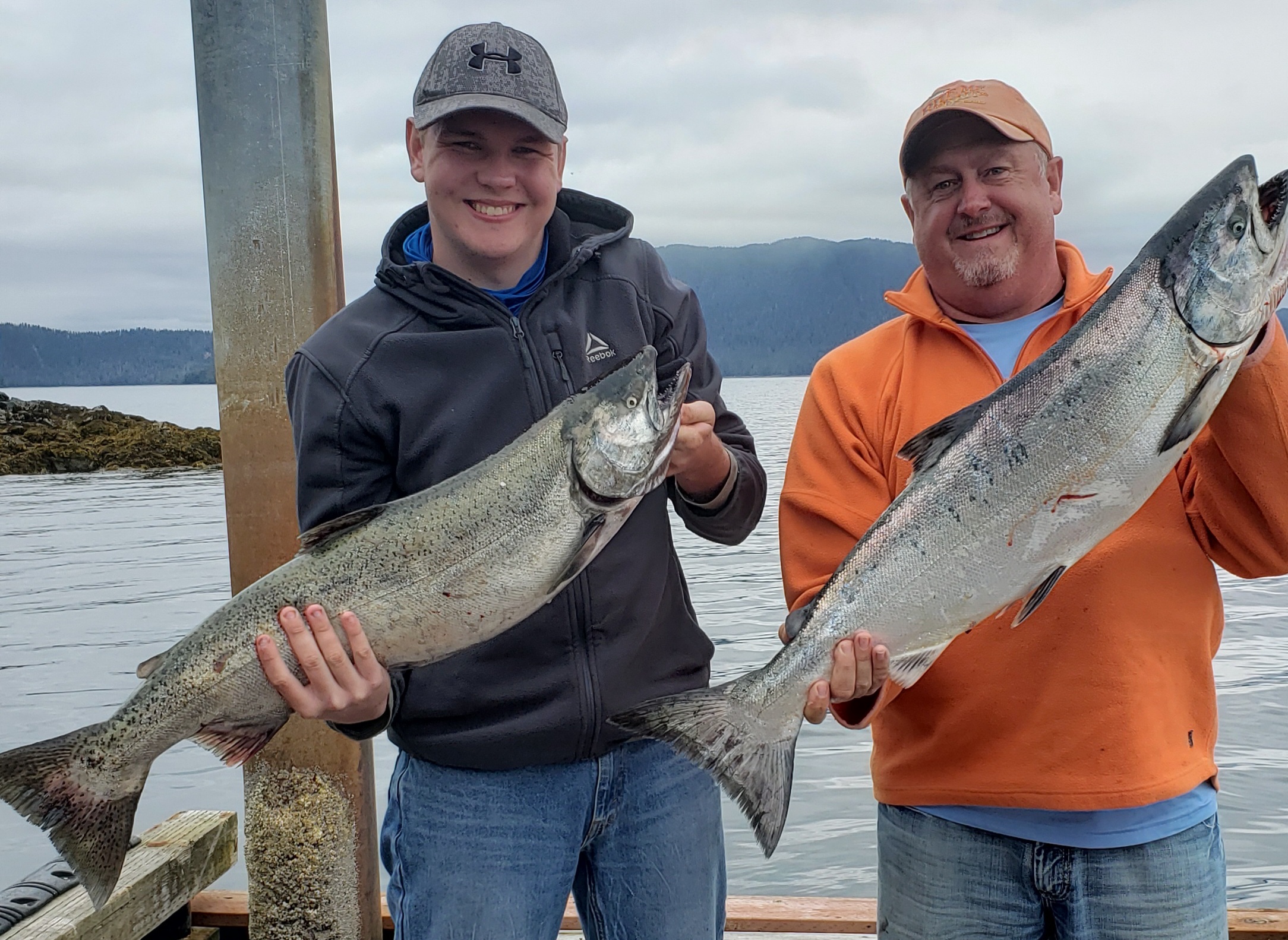
While most travelers picture rushing rivers when thinking of Alaskan salmon, Southeast Alaska's saltwater fisheries—centered around the coastal community of Sitka—offer some of the most thrilling ocean-boat fishing available.
Ocean-Bright Salmon
In the marine waters surrounding Sitka, Pacific salmon are actively feeding, meaning they are exceptionally aggressive, strong, and rich in oils. Anglers fishing out of Sitka regularly target feeding Chinook and Coho salmon using techniques like mooching with live or cut herring, downrigger trolling, or jigging. Peak saltwater fishing runs from May through September, with Kings peaking in June and massive schools of silver salmon arriving in July and August.
Logistics and Infrastructure
Sitka is highly accessible via commercial jet service from Seattle or Anchorage. The city features a robust marine infrastructure with numerous charter boat operations, fish-processing facilities, and waterfront lodges. This makes Sitka an ideal destination for anglers who prefer staying in comfortable town accommodations while enjoying daily offshore marine adventures.
7. Aniak River
For adventurous anglers seeking a pristine wilderness float trip or a remote tent-camp experience, the Aniak River—a major tributary of the Kuskokwim River in interior-southwest Alaska—delivers an unmatched multi-species paradise.
The Multi-Species Haven
The Aniak River stands out because it supports strong runs of all five Pacific salmon species:
- Chum and Pink Salmon: Arrive in massive numbers during mid-summer.
- Coho Salmon: Provide aggressive surface-fly strikes in late August and September.
- King and Sockeye Salmon: Run earlier in June and July.
Additionally, the river is world-renowned for aggressive topwater mouse-pattern fishing for leopard-spotted rainbow trout, Arctic grayling, and northern pike.
Expedition Requirements
The Aniak River has no road system connecting it to major cities. Trips require flying into Bethel or Aniak via commercial airlines, followed by a bush-plane flight into the upper river drainage. Most anglers book guided float trips utilizing rafts or drift boats, camping along gravel bars under the midnight sun. Thorough preparation, bear safety protocols, and experienced guides are essential for navigating this remote wilderness safely.
| Destination | Primary Species | Peak Season | Access Type | Best Suited For |
|---|---|---|---|---|
| Kenai River | King, Sockeye, Coho | June – September | Road Accessible (Anchorage / Soldotna) | DIY anglers, families, trophy seekers |
| Kvichak River | Sockeye, Rainbow Trout | Late June – July | Fly-In (Bush plane from King Salmon) | Fly-fishers, solitude seekers |
| Copper River | Sockeye, King | May – July | Road Accessible (Cordova / Highway) | Adventurous bank & boat anglers |
| Egegik River | Sockeye | Late June – July | Fly-In (Bristol Bay charter) | High-volume fish catchers |
| Naknek River | King, Sockeye, Rainbow Trout | June – September | Commercial Flight to King Salmon | Multi-species anglers, comfort |
| Sitka (Marine) | Chinook, Coho | May – September | Commercial Jet to Sitka | Ocean boat anglers, easy logistics |
| Aniak River | All 5 Species, Trout | June – September | Bush Plane / Float Trip | Wilderness explorers, fly-anglers |
Essential Planning and Regulatory Guide for Alaska Salmon Fishing
Embarking on a successful salmon fishing trip in Alaska requires strict adherence to state laws, proper licensing, and careful consideration of timing and gear.
1. Licensing and King Stamps
Every angler aged 16 and older must purchase an Alaska sport fishing license. Non-residents can choose between 1-day, 3-day, 7-day, 14-day, or annual licenses. Furthermore, if you plan to fish for Chinook (King) salmon anywhere in the state, you must purchase a King Salmon Stamp for the corresponding period. Licenses and stamps can be purchased online through the Alaska Department of Fish and Game website or at local sporting goods stores across the state.
2. Understanding Emergency Orders
Alaska's fisheries are dynamic. Run strengths, water levels, and weather conditions can fluctuate rapidly. The ADF&G closely monitors escapement numbers in real-time using sonar and weir counts. If a run falls below projected targets, the department issues Emergency Orders (EOs) that can instantly alter bag limits, switch waters to catch-and-release only, or close fisheries entirely. Always check the official ADF&G website for emergency orders specific to your drainage immediately before your trip.
3. Catch Limits and Conservation
Bag limits vary widely by region, river system, and time of year. For example, while some remote Bristol Bay streams allow generous Sockeye limits (often five per day), heavily pressured waters like the Kenai River often restrict anglers to one King per day (or catch-and-release only depending on the run year). Catch-and-release best practices—such as using barbless hooks, minimizing air exposure for released fish, and using heavy enough tackle to land fish quickly—ensure the long-term health of Alaska's wild runs.
Frequently Asked Questions
What is the best month to fish for salmon in Alaska?
July is generally considered the peak month for overall salmon fishing across Alaska, as millions of Sockeye and early runs of King and Chum salmon peak simultaneously. However, June is best for early King salmon and Sockeye, while August and September are ideal for Coho (Silver) salmon and late-season runs.
Do I need a guide to fish for salmon in Alaska?
While road-accessible rivers like the Kenai or Copper can be fished successfully without a guide, remote wilderness rivers like the Kvichak or Aniak require guided services, floatplane transport, and specialized river navigation expertise due to swift glacial currents and wildlife considerations.
How do I ship my caught salmon home?
Most coastal towns and fishing lodges feature professional fish-processing facilities. These operations will clean, fillet, vacuum-pack, flash-freeze, and box your salmon in airline-approved insulated fish boxes so you can check them as luggage or ship them via air cargo.
What gear do I need for Alaskan salmon?
Gear depends heavily on the species and technique. Medium-to-heavy casting rods with braided line and heavy spinning reels are standard for spin-fishermen targeting large Kings or casting spoons for Silvers. Fly anglers typically use 8-weight to 9-weight single-hand or spey rods paired with sinking-tip lines and robust disc-drag reels.
Are there brown bears in Alaska salmon fishing areas?
Yes. Alaska is prime bear country (both brown and black bears). Bears are naturally attracted to salmon streams during spawning runs. Anglers must carry EPA-registered bear spray, know how to store food and fish waste securely, and remain alert at all times.
Final Recommendation
To maximize your Alaskan salmon fishing experience, match your target species to the appropriate geographic region and calendar window. If you prefer independent travel, easy logistics, and road access, target the Kenai Peninsula or Sitka’s saltwater charters. If you seek ultimate wilderness solitude and staggering fish counts, invest in a fly-in wilderness lodge in the Bristol Bay region. Always purchase your fishing license and King stamp in advance, check ADF&G emergency orders daily, and respect local wildlife and conservation regulations to preserve Alaska's legendary fisheries for future generations.
Image Gallery