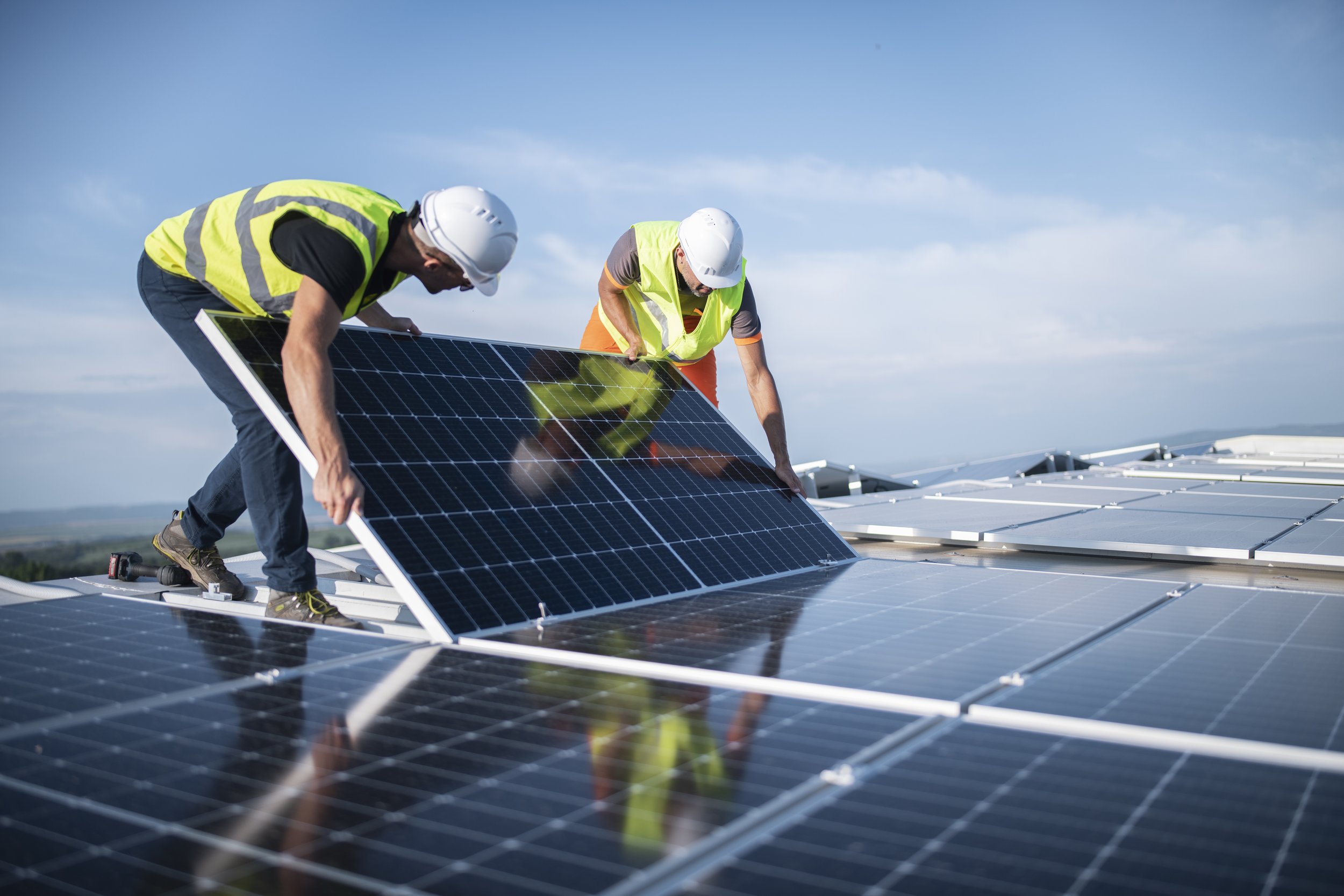
What the Solar Panel Installation Agreement and Deaths Reveal About Industry Risks
The intersection of solar panel installation agreements and installer fatalities reveals a systemic tension between rapid market expansion and operational safety safeguards. Long-term consumer contracts often transfer structural and fi...
The intersection of solar panel installation agreements and installer fatalities reveals a systemic tension between rapid market expansion and operational safety safeguards. Long-term consumer contracts often transfer structural and financial liabilities onto homeowners, while aggressive installation deadlines, multi-tiered subcontracting chains, and uneven safety compliance significantly elevate occupational hazards and property risks across the residential solar sector.
Contents
The Structural Reality Behind Rapid Solar Expansion
Over the past decade, the residential solar sector has experienced explosive growth driven by federal tax credits, state-level clean energy mandates, and rising retail electricity prices. However, investigative reporting, state regulatory enforcement actions, and occupational safety records indicate that this rapid scaling has created significant vulnerabilities in contract enforcement and job-site safety.
When examining what solar panel installation agreements and installer fatalities reveal, two distinct but interconnected systemic patterns emerge:
- Financial and Liability Shift: Complex financial agreements—including Power Purchase Agreements (PPAs), solar leases, and specialized loan products—are frequently structured to insulate solar sales organizations and developers from long-term property damage, system underperformance, and structural defaults.
- Operational and Safety Compromises: Rushed installation schedules driven by high-volume sales targets, combined with reliance on unvetted micro-subcontractors, have led to acute workplace safety failures, resulting in preventable falls, electrocutions, and severe structural hazards.
Understanding these mechanics requires examining the legal fine print presented to consumers alongside the real-world conditions experienced by installation crews on residential rooftops.
What Solar Installation Agreements Reveal: Hidden Fine Print and Legal Protections
Residential solar contracts are legally binding, long-term instruments ranging from 15 to 25 years. While marketed as simple path-to-savings opportunities, the fine print often reveals a heavy imbalance of legal rights and operational responsibilities between the solar firm and the property owner.
| Contract Clause | Practical Impact & Risk Exposure |
|---|---|
| Mandatory Binding Arbitration | Waives trial rights; hides systemic defects. |
| UCC-1 Financing Filings (Fixtures) | Encumbers property title; delays home resale. |
| Annual Price Escalator Clauses | Increases kWh rate annually, eroding savings. |
| Roof Integrity & Leak Waivers | Limits installer liability for water damage. |
| System Transfer Restrictions | Requires buyer approval upon property sale. |
Mandatory Binding Arbitration and Class-Action Waivers
Most standard residential solar panel installation agreements contain mandatory binding arbitration clauses governed by rules such as those of the American Arbitration Association. These provisions require consumers to resolve disputes in private arbitration proceedings rather than public courts.
Arbitration clauses frequently bar homeowners from joining class-action lawsuits. As a result, widespread operational defects—such as improper roof penetrations, deceptive energy production forecasts, or misleading financial terms—are kept out of the public record, preventing prospective buyers from assessing a developer's true track record.
Property Liens and UCC-1 Financing Statements
When solar systems are financed via solar loans or leases, installation companies or third-party lenders file Uniform Commercial Code (UCC) financing statements, specifically a UCC-1 fixture filing, in local land records.
While lenders assert that a UCC-1 filing attaches only to the solar equipment itself, it creates an encumbrance on the property title. If a homeowner attempts to sell or refinance their property, mortgage lenders often refuse to proceed unless the solar loan is fully paid off or the solar company formally subordinates its lien. This process can cause significant delays or financial hardship during real estate transactions.
Roof Integrity Warranties vs. Installation Indemnification
A major point of conflict in solar contracts involves roof damage liability. While companies frequently market a "10-year roof leak warranty," the explicit contractual language usually contains severe qualifications:
- Penetration Limits: Liability is often limited strictly to the radius of roof penetrations made by the installer (e.g., within 3 inches of rafter lag bolts).
- Pre-Existing Condition Clauses: Installers disclaim all liability if the underlying roof decking, shingles, or rafters are judged to have had pre-existing wear, shifting responsibility back to the homeowner.
- Short Notice Windows: Agreements may require homeowners to provide written notification of leaks within 5 to 10 days of discovery, failing which the warranty is entirely voided.
What Fatality and Injury Data Reveals: Rooftop Hazards and Subcontracting Risks
Data from the Occupational Safety and Health Administration (OSHA) and the U.S. Bureau of Labor Statistics (BLS) highlight severe occupational hazards in the solar installation sector. Installing rooftop solar panels combines two historically high-risk trades: roofing construction and high-voltage electrical work.
- Primary Rooftop Installation Hazards
- Falls from Heights
- Missing guardrails
- Unused harness ties
- Fragile skylights
- Electrocution Hazards
- Ungrounded DC strings
- Damaged wire insulation
- Panel backfeed risks
- Thermal & Heat Stress
- Extreme surface temps
- Dehydration & fatigue
- Rushed completion targets
- Falls from Heights
Leading Causes of Solar Installation Fatalities
Workplace fatality reports compiled by safety regulators highlight three main hazards for solar installers:
- Falls from Elevation: Falling from residential roofs, ladders, or scaffolding remains the leading cause of death in solar construction. Investigations frequently find that crews lacked adequate fall protection systems (such as personal fall arrest harnesses, anchor points, or guardrails) required under OSHA standard 29 CFR 1926.501.
- Electrocution and Arc Flash: Solar photovoltaic (PV) modules generate direct current (DC) electricity whenever exposed to light, even before final system commissioning. Installers working with energized components, ungrounded wiring arrays, or damaged insulation face lethal electrical shock and arc flash risks.
- Extreme Heat Stress and Dehydration: Rooftop environments amplify ambient temperatures, pushing surface temperatures on dark roofing shingles above 130°F (54°C). Rushed production quotas can prevent workers from taking mandatory rest and hydration breaks, leading to heat exhaustion, loss of balance, and fatal falls.
The Impact of Subcontracting Chains
To lower overhead and rapidly scale installation capacity, major solar sales organizations frequently outsource physical assembly to third-party subcontractors. This multi-tiered labor structure creates distinct risks:
- Diffused Liability: Primary sales brokers may disclaim legal responsibility for safety violations occurring on-site, attributing failures entirely to independent sub-contractors.
- Piece-Rate Compensation Pressures: Subcontractors are often paid fixed rates per watt or per completed job rather than hourly rates. This financial structure incentivizes workers to bypass vital safety procedures—such as establishing compliant fall protection anchors—to complete more installations per day.
- Inadequate Safety Training: Fast-growing subcontracting firms may deploy under-trained workers who lack comprehensive training in electrical hazards, code-compliant conduit installation, and rooftop structural evaluation.
Comparative Matrix: Standard Solar Terms vs. Operational Risk Indicators
Evaluating solar projects requires analyzing both legal terms and technical safety practices. The table below details key operational differences between low-risk installation agreements and high-risk contract practices.
| Evaluation Area | Standard/Safe Industry Practice | High-Risk Contract or Operational Flag |
|---|---|---|
| Dispute Resolution | Option for judicial review or non-binding mediation before arbitration. | Mandatory binding arbitration with complete waiver of class-action rights. |
| Property Liens | Soft fixture filing clearly limited to solar equipment without title encumbrances. | Direct real estate lien or uncooperative UCC-1 subordination terms during property sales. |
| Roof Leak Liability | Minimum 10-year comprehensive structural and penetration warranty. | Strict leak liability disclaimers citing pre-existing roof conditions or brief reporting windows. |
| Workplace Safety Practices | 100% compliant OSHA fall arrest systems, dedicated safety monitor, documented pre-work audit. | Absence of rooftop anchor points, unharnessed workers, rushed single-day quotas. |
| Subcontracting Oversight | Direct employment of licensed electricians and certified solar installers (e.g., NABCEP). | Unverified multi-tiered subcontractors paid on a piece-rate basis. |
| Energy Production Guarantees | Explicit cash compensation if the system produces below verified baseline calculations. | Estimated estimates with non-binding guarantees and steep escalation rates. |
Regulatory Responses and Consumer Protection Initiatives
Regulators and law enforcement agencies are increasing scrutiny on residential solar sales tactics and site operations.
Federal Trade Commission (FTC) and CFPB Enforcement
The Consumer Financial Protection Bureau (CFPB) and the Federal Trade Commission (FTC) monitor predatory financing products associated with green energy installations. Key regulatory concerns include:
- Misleading claims that solar installations cost zero dollars or are fully funded by federal grants.
- Deceptive calculations regarding solar tax credits, such as including the federal Investment Tax Credit (ITC) in upfront cost reductions for consumers who lack sufficient tax liability to claim it.
- Hidden financing fees, such as dealer fees ranging from 15% to 35% built into the total loan principal.
State Attorney General Lawsuits
Attorneys General in multiple states have filed enforcement actions against deceptive residential solar operators. These actions focus on unconscionable contract terms, unauthorized signature placements on loan documents, failure to honor statutory cancellation periods (such as the federal 3-day right of rescission under the Truth in Lending Act), and failure to repair roofs damaged during installation.
OSHA Workplace Safety Inspections
OSHA continues targeted enforcement programs focusing on fall prevention in residential construction. Solar installers cited for repeated safety violations face severe financial penalties, operational shutdown orders, and potential criminal referrals in cases involving willful negligence that results in worker fatalities.
Actionable Guidance for Property Owners and Contractors
To manage financial, legal, and safety risks in residential solar projects, stakeholders must take proactive verification steps prior to contract execution and physical construction.
Essential Steps for Property Owners
Conduct an Independent Legal and Contract Review:
- Review all termination clauses, annual price escalator percentages, and UCC-1 subordination provisions in writing.
- Negotiate the removal or modification of broad roof-leak liability disclaimers.
- Ensure that energy production promises are backed by an explicit compensation mechanism.
Verify Contractor Licenses and Safety Records:
- Confirm that the installer holds an active specialty contractor license (e.g., C-10 Electrical or C-46 Solar Contractor licenses in relevant jurisdictions).
- Check the company's safety compliance history using the OSHA Establishment Search Tool.
- Require proof of comprehensive general liability insurance, property damage coverage, and worker's compensation insurance for all on-site personnel.
Obtain an Independent Roof Assessment:
- Hire an independent, licensed roofing professional to inspect the roof deck, structural rafters, and shingles before signing a solar contract.
- If the roof has less than 10 to 15 years of remaining functional life, replace or repair it before mounting a long-term solar array.
Review Title Impact with Lenders:
- Contact your mortgage servicer to clarify how the installation financing will interact with your existing mortgage and future refinancing options.
Operational Directives for Solar Workers and Contractors
Enforce Absolute Fall Protection Compliance:
- Inspect all personal fall arrest systems (PFAS), harnesses, lanyards, and temporary roof anchors before stepping onto a roof deck, adhering strictly to OSHA 29 CFR 1926.501.
- Never execute rooftop work without a secondary anchor point or compliant guardrail system.
Implement Safe Electrical Isolation Standards:
- Treat all PV modules and string wiring as continuously energized source circuits.
- Utilize National Fire Protection Association (NFPA 70E) standards for electrical safety in the workplace, including voltage-rated gloves and personal protective equipment (PPE).
Exercise Mandatory Stop-Work Authority:
- Stop installation work immediately if structural rafter decay, ungrounded wiring conditions, high wind conditions, or extreme thermal hazards are identified on site.
Disclaimer: This article provides objective analysis of standard industry practices, contract structures, and occupational safety regulations for informational purposes. It does not constitute formal legal counsel, financial planning, or structural engineering advice. Consult a licensed attorney, certified financial professional, and registered roofing contractor for advice on specific contracts and property conditions.
Frequently Asked Questions
What does a UCC-1 filing in a solar contract mean for my property title?
A UCC-1 filing is a public notice stating that a lender has a security interest in personal property or fixtures attached to your real estate—in this case, the solar panel system. While it does not give the solar company ownership of your home, it encumbers the title. This encumbrance can prevent you from selling or refinancing your home unless the solar loan is fully paid off, transferred to an eligible buyer, or formally subordinated by the solar lender.
Why do solar agreements contain mandatory binding arbitration clauses?
Solar installation companies include mandatory binding arbitration clauses to resolve consumer disputes outside of public courts. Arbitration keeps legal proceedings confidential and bars homeowners from initiating or joining class-action lawsuits. This shields the installation firm from public disclosure of systemic installation defects, deceptive sales tactics, or repeated warranty breaches.
What are the main hazards causing deaths during solar panel installations?
The leading causes of worker fatalities during solar panel installations are falls from elevated roofs or ladders, electrocution from high-voltage DC arrays, and severe heat-related illnesses. Rushed completion schedules and inadequate fall arrest equipment contribute significantly to these workplace accidents.
Who is legally liable if a rooftop solar worker falls or suffers an injury on my property?
Liability depends on state labor laws, contractor licensing conditions, and insurance coverage. Generally, if the solar contractor maintains mandatory worker's compensation insurance, that policy serves as the primary remedy for injured workers. However, if the installer is un-insured, unlicensed, or if gross property hazards existed (such as un-gated skylights or rotten roof decking), property owners and prime contractors can face personal injury lawsuits.
Can I cancel a solar installation contract after signing it?
Under the FTC's Cooling-Off Rule and the Truth in Lending Act, consumers typically have a statutory right to cancel a contract signed at their home within three business days without penalty. Once that window closes, cancelling a contract usually requires paying substantial cancellation fees or liquidated damages specified in the contract terms, unless the contractor committed material fraud or failed to meet agreed-upon installation deadlines.
How can I verify an installation company's safety and regulatory record?
You can verify an installer's workplace safety history by searching the OSHA Establishment Search database for prior safety violations and fines. You can also check your state's contractor licensing board for active license status, consumer complaints, and administrative disciplinary actions, as well as checking records with the Better Business Bureau and state Attorney General enforcement pages.
Practical Recommendation
Before executing a solar panel installation agreement, request a complete, un-redacted copy of the full contract, including all attached schedules, financing terms, and warranty disclaimers. Have the contract reviewed by an independent real estate attorney, confirm that all installation crews are directly covered by active worker's compensation and liability insurance policies, and mandate an independent roof structural audit prior to any equipment delivery or installation work.
Image Gallery