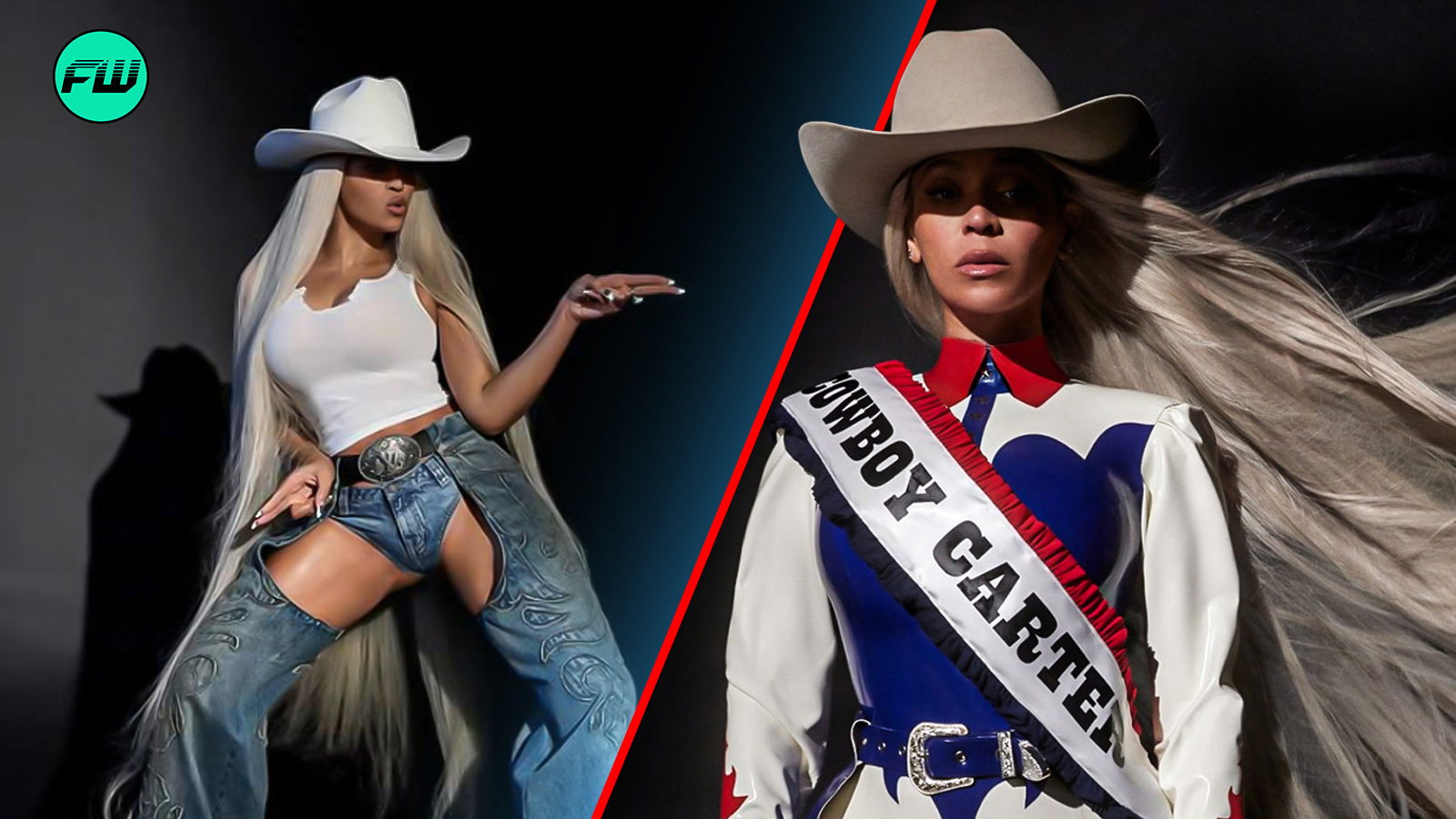
Understanding the Absence of Ashley Everett on the Cowboy Carter Tour
Ashley Everett, a long-time collaborator and former dance captain for Beyoncé, is notably absent from the touring personnel associated with the Cowboy Carter era and its related promotional activities. While fans have frequently associ...
Ashley Everett, a long-time collaborator and former dance captain for Beyoncé, is notably absent from the touring personnel associated with the Cowboy Carter era and its related promotional activities. While fans have frequently associated Everett with the artist’s live performances for over a decade, the specific requirements and creative direction of the Cowboy Carter project necessitated a shift in the dance ensemble and live staging logistics.
Contents
The Professional History of Ashley Everett and Beyoncé
To understand the current touring landscape, it is essential to recognize the duration and significance of the professional partnership between Ashley Everett and Beyoncé. Everett first began working with the pop superstar in 2007. Over the next fifteen years, she became a fixture in major concert productions, music videos, and high-profile television appearances, including the iconic 2013 Super Bowl XLVII halftime show and the Formation World Tour.
Her role as dance captain afforded her a level of visibility that made her an unofficial face of the choreography associated with many of Beyoncé’s most famous tracks. For many members of the audience, the consistency of the dance troupe served as a bridge between different eras of the artist’s discography. However, in the world of professional touring, such long-term roles are often subject to changes in creative vision, personal availability, and the specific thematic requirements of a new project.
Artistic Evolution and Cowboy Carter Creative Direction
The Cowboy Carter album, characterized by its deep roots in country, Americana, and blues, represents a significant stylistic pivot from the high-energy, pop-heavy, and Afrofuturist aesthetics seen in projects like Renaissance. Every tour or performance cycle involves a deliberate selection process for dancers and choreographers that matches the unique "look and feel" of the new material.
When a music project undergoes such a drastic genre transformation, the artistic director and choreography team often seek out dancers whose movement styles, technical backgrounds, or aesthetic presentation align with the new thematic environment. The Cowboy Carter tour, reflecting the aesthetic of the American West, required a specific movement vocabulary. This change in creative direction often results in a rotation of the core performance team, as directors look to build a new ensemble that fits the specific narrative of the current cycle.
Factors Influencing Touring Personnel Selection
Professional dancers face a demanding, often unpredictable schedule. Several factors beyond simple creative decisions influence whether a specific performer appears on a new tour:
- Contractual Availability: Touring schedules are planned months, and sometimes years, in advance. If a lead dancer has prior commitments, personal projects, or health-related constraints, they may not be able to accommodate the rigorous multi-month schedule of a major global tour.
- Choreographic Requirements: The shift in genre—from house and electronic dance music in previous projects to the country-infused rhythms of the current album—requires a different set of physical skills. Choreographers often recruit dancers who specialize in the specific styles required for the new stage design.
- The "Era" Concept: Beyoncé’s career is defined by distinct, curated "eras." This concept extends to every visual element of the production, including the styling, stage lighting, and the movement of the performers. To signal a fresh chapter, creative teams often introduce new faces to represent the evolution of the brand.
- Professional Transitions: Many dancers who reach the level of dance captain eventually transition into roles as choreographers, creative directors, or independent commercial artists. The absence of a veteran performer does not necessarily indicate a conflict; it may simply signify a shift in that performer’s individual career trajectory.
Comparing Touring Ensembles: A Framework
The following table illustrates the typical considerations when evaluating the composition of a professional touring dance troupe. Understanding these variables helps clarify why changes occur between album cycles.
| Consideration | Impact on Touring Personnel |
|---|---|
| Genre Continuity | High genre shifts (e.g., Pop to Country) often require a change in dance styles. |
| Stage Design | Minimalist vs. elaborate staging dictates the number and type of dancers needed. |
| Project Length | Longer tours may discourage dancers with other career ambitions from signing on. |
| Creative Evolution | Artists often refresh their team to maintain a sense of innovation and surprise. |
| Physical Demands | Specific athletic requirements for a show (e.g., harness work, heavy cardio) influence selection. |
Addressing Fan Speculation
In the age of social media, the absence of a long-standing collaborator often triggers speculation regarding interpersonal relationships. It is important to distinguish between professional staffing decisions and personal history. In the commercial music industry, personnel changes are a standard feature of business operations. The rotation of dancers ensures that the performance ensemble remains aligned with the evolving artistic vision of the artist. The omission of specific names from a tour roster is typically a logistical and creative outcome rather than a reflection of professional standing or personal discord.
Frequently Asked Questions (FAQ)
Why is Ashley Everett not appearing in the current performances? Ashley Everett is not part of the current Cowboy Carter touring cycle due to the standard rotation of personnel that occurs between distinct creative eras. Changes in artistic direction and the specific choreographic needs of a new project often lead to a re-evaluation of the entire performance team.
Does this mean there is a conflict between the artist and the dancer? There is no verified evidence of a conflict. Professional collaborations in the entertainment industry are finite by design. The transition of dancers between different tours and projects is a common industry practice, often driven by timing, artistic evolution, and the specific needs of the production.
Will Ashley Everett work with the artist in the future? The industry standard allows for past collaborators to return for future projects, guest appearances, or special events. Professional relationships in music are rarely closed-ended. Her history as a long-standing dance captain remains a part of her professional portfolio, regardless of her presence on a single specific tour.
What kind of training is required for a tour of this magnitude? Professional dancers for major global tours undergo intensive boot camps that cover endurance, choreography memorization, and performance precision. Because Cowboy Carter emphasizes a unique blend of country and R&B movement, the current troupe was selected for their specific ability to execute that fusion.
Are there other major changes in the touring team? Yes, it is standard for the entire creative department—from the band and backing vocalists to the styling team and choreographers—to experience shifts during a significant artistic pivot. The Cowboy Carter production is distinct in its creative identity, which necessitates a bespoke team of professionals.
Practical Advice for Following Touring Updates
For those interested in the specific personnel involved in current concert tours, the most accurate information is typically found through official press releases, the production’s credit lists, or the social media channels of the artists and their management teams. Fans often track these changes through secondary fan databases; however, these should be viewed as non-official.
If you are a student of dance or an aspiring professional looking to understand career longevity in this industry, the primary takeaway is that versatility is key. The ability to adapt to new creative directions, as seen in the shifting requirements of major touring productions, is essential for maintaining a career that spans multiple project cycles. Focus on official announcements and direct credits from the concert program to ensure you have accurate information regarding who is involved in any given performance.
Image Gallery