Choosing and Using Pillows with Speakers for Sleep and Relaxation
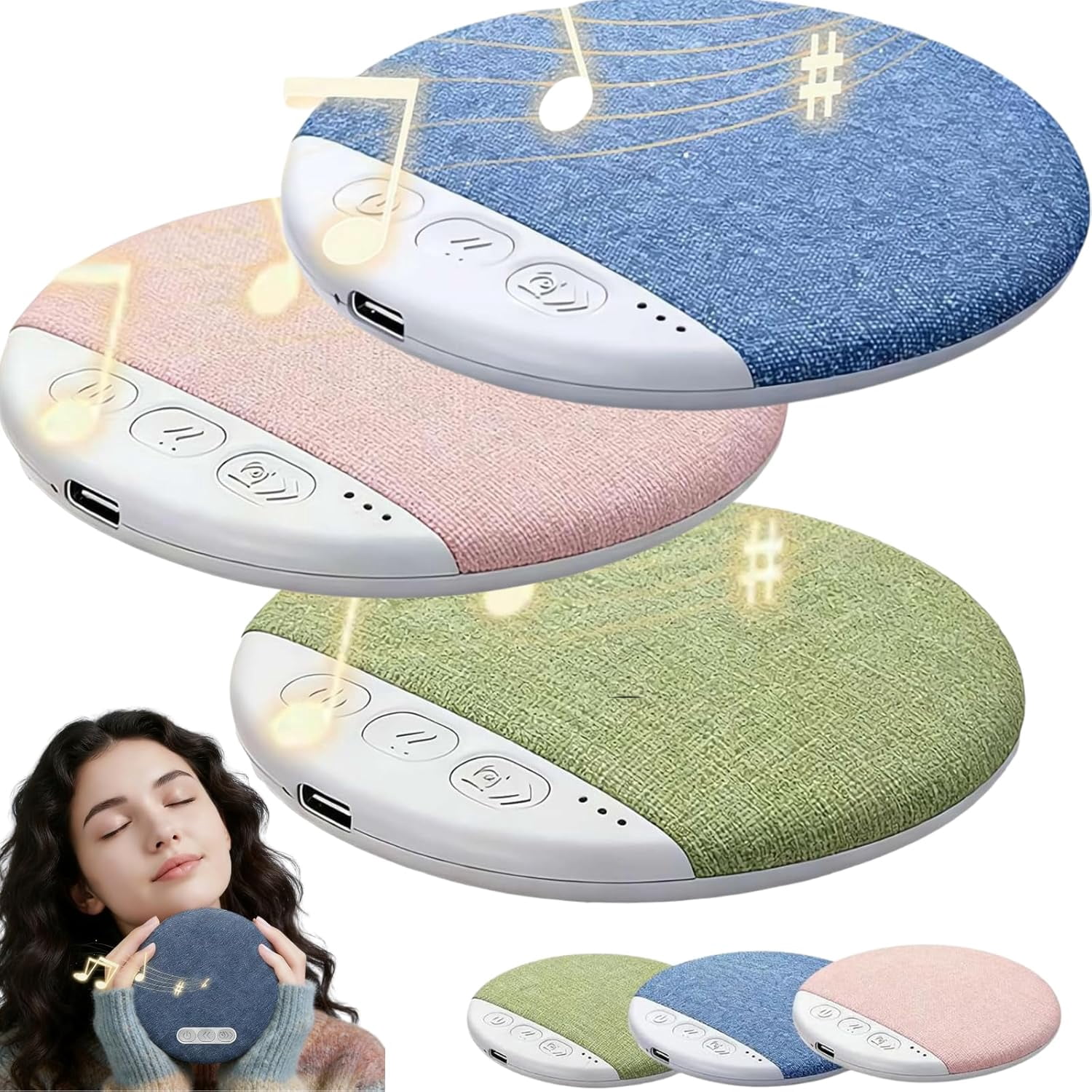
Pillows with speakers, often referred to as sound therapy or sleep pillows, are specialized bedding products embedded with flat, low-profile transducers or miniature speakers. Designed to transmit audio—such as white noise, guided medi...
Pillows with speakers, often referred to as sound therapy or sleep pillows, are specialized bedding products embedded with flat, low-profile transducers or miniature speakers. Designed to transmit audio—such as white noise, guided meditations, or music—directly to the user without the discomfort of wearing headphones, these pillows cater to individuals seeking improved sleep hygiene or private audio enjoyment.
Contents
Understanding the Technology Behind Audio-Integrated Pillows
At their core, pillows with speakers function by utilizing small audio drivers tucked into the interior foam or fiberfill layers. Unlike traditional surface-level speakers, these internal components are designed to minimize vibration that could be felt as an irritant while maximizing sound transmission through the pillow material.
There are two primary ways these pillows transmit sound:
- Integrated Speaker Systems: These use small, cushioned speakers positioned within the pillow’s casing. They are generally wired to a 3.5mm jack or connected via Bluetooth to a smartphone or audio player.
- Bone Conduction or Surface Transducers: More advanced models use transducers that turn the pillow surface into a speaker diaphragm. This allows the user to hear the audio clearly when their ear is pressed against the pillow, while effectively muting the sound to anyone lying next to them.
The primary design goal for these products is to provide an acoustic experience that is audible to the user but remains quiet enough to avoid disturbing a bed partner, making them a common solution for those living in shared environments or those who find traditional earbuds uncomfortable for side sleeping.
Key Considerations Before Purchasing
Selecting a pillow with speakers requires balancing audio quality with the fundamental need for ergonomic support. Because these products serve as sleep aids, the quality of the bedding material—whether it is memory foam, down alternative, or latex—is as important as the electronic components inside.
Ergonomics and Sleep Position
Most speakers in pillows are located in a fixed position. It is critical to ensure that the internal hardware aligns with where you naturally rest your ear. If you are a side sleeper, look for pillows that offer a recessed pocket for the speaker or a design that buffers the pressure of the device against the ear cartilage. Prolonged pressure on the ear from a hard speaker housing can cause discomfort or "pressure sores" over time.
Wired vs. Wireless Connectivity
- Wired Models: These typically use a standard 3.5mm auxiliary cable. They are generally more affordable and eliminate the need for battery charging. However, the presence of a cord in the bed can be a source of frustration and may present a minor entanglement risk.
- Bluetooth Models: These provide a cord-free experience, which is preferred for active sleepers who move frequently throughout the night. The trade-off is the requirement for a battery—typically rechargeable via USB—which necessitates periodic charging and introduces the potential for component failure or battery degradation.
Comparative Overview of Pillow Types
| Feature | Wired Speaker Pillows | Bluetooth Speaker Pillows | Passive Sound Pillows |
|---|---|---|---|
| Setup | Plug-and-play | Pairing required | N/A (acoustic only) |
| Maintenance | Minimal | Requires charging | None |
| Price Point | Low to Mid | Mid to High | Low |
| Durability | High (fewer electronics) | Moderate (battery-dependent) | High |
| Mobility | Tethered to device | Fully wireless | Universal |
Practical Integration and Usage
To derive the most benefit from a pillow with speakers, you should treat it as part of a broader sleep hygiene strategy. If you are using the device to mask tinnitus or to fall asleep to ambient noise, consistency is key.
Initial Setup and Troubleshooting
- Positioning: Test the pillow while sitting or lying down to identify the exact location of the audio drivers. You may need to rotate the pillow to align the sound source with your ear canal.
- Volume Regulation: Always start with the volume set to the lowest possible level. Because the speaker is in close proximity to the ear, sound carries much more efficiently than with external speakers. High volumes can cause auditory fatigue or, in extreme cases, potential hearing discomfort.
- Connectivity Issues: For Bluetooth models, ensure the firmware on your source device is current. If audio drops out, check for interference from other household Wi-Fi or Bluetooth devices. For wired models, ensure the jack is fully seated in the port; a loose connection is the most common cause of one-sided audio failure.
- Maintenance: Most pillows with speakers cannot be submerged in water. Always check the manufacturer's cleaning instructions—typically involving spot cleaning the exterior casing—before attempting to wash the item.
Potential Limitations and Safety
While these pillows are effective for many, there are inherent limitations. Audiophiles may find the sound quality lacking; these speakers are rarely designed for high-fidelity music reproduction and prioritize midrange frequencies for voice and ambient sound.
Furthermore, users should be mindful of electronic health and safety standards. Ensure that any battery-operated device you bring into your bed is certified by relevant regional safety agencies (such as the FCC in the United States or CE markings in Europe) to prevent overheating. If you suffer from severe chronic sleep disorders, these pillows should be used as a supplement to professional medical advice, not a primary treatment for conditions like clinical insomnia or diagnosed sleep apnea.
Frequently Asked Questions
Are pillows with speakers safe for long-term use? Yes, provided they are manufactured with internal thermal protection and standard low-voltage components. Avoid using them while plugged into a wall charger; always run them on battery power to eliminate the risk of electrical surges near your head while sleeping.
Can I wash a pillow with speakers? Generally, no. Most models require you to remove the electronic components before cleaning the pillowcase. If the electronics are non-removable, you must limit cleaning to spot-treating the fabric surface with a damp, soapy cloth. Always check the specific care tag provided by the manufacturer.
Will my partner hear the sound coming from my pillow? When used at moderate volumes, the sound is usually contained within the pillow material. However, if the volume is set high, the sound may bleed out. Surface-transducer technology generally offers better sound isolation than traditional low-profile speaker drivers.
How long does the battery last on Bluetooth models? Battery life varies by model, but most high-quality sleep pillows offer between 8 to 12 hours of continuous playback, which is sufficient for a full night’s sleep. They typically require a standard USB-C or Micro-USB charge.
Can these pillows help with tinnitus? Many users utilize these pillows to play "soundscapes" or white noise that masks the perception of tinnitus, helping them fall asleep. They are often recommended by audiologists as part of sound enrichment therapy, provided the volume levels are kept at a gentle, non-damaging baseline.
Next Steps for Implementation
If you decide to incorporate a pillow with speakers into your sleep routine, start by assessing your current sleep position and your primary motivation for the purchase. If you primarily listen to audiobooks, a wired model may suffice; if you are an active sleeper who requires freedom of movement, a Bluetooth-enabled model is the superior choice. Before committing to a purchase, review the manufacturer’s return policy, as individual ergonomic preferences for pillow firmness are highly subjective and cannot be fully assessed until the product is used in your own bed.
Image Gallery