The Climate in Addis Ababa: A Comprehensive Guide to Weather and Seasonal Patterns
Addis Ababa features a subtropical highland climate characterized by mild, consistent temperatures and distinct wet and dry seasons. Due to its significant elevation of approximately 2,355 meters (7,726 feet), the city avoids the extre...
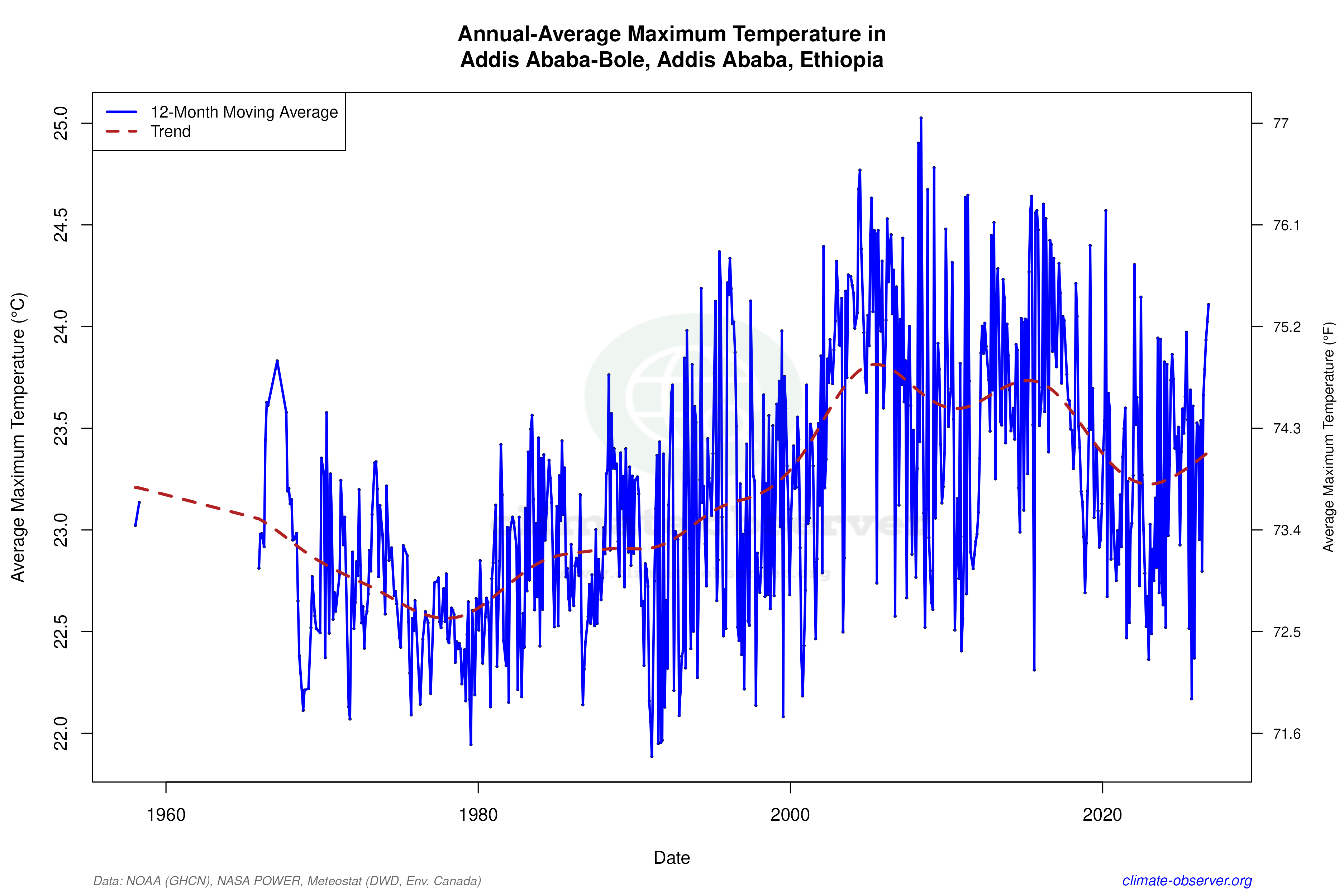
Addis Ababa features a subtropical highland climate characterized by mild, consistent temperatures and distinct wet and dry seasons. Due to its significant elevation of approximately 2,355 meters (7,726 feet), the city avoids the extreme tropical heat typical of its latitude, maintaining average daytime highs between 20°C and 25°C year-round while experiencing cool, crisp evenings.
Contents
The Defining Role of Altitude and Geography
To understand the climate in Addis Ababa, one must first look at its geography. Situated on a plateau at the base of the Entoto Mountains, Addis Ababa is one of the highest capital cities in the world. This elevation is the primary regulator of its weather patterns. While its proximity to the equator (roughly 9 degrees north) would typically suggest a hot, tropical environment, the "thin" air at 2,300+ meters ensures that temperatures remain temperate.
The city’s topography also creates microclimates. The northern districts, climbing toward the Entoto fringe, are significantly cooler and receive more rainfall than the southern, lower-lying industrial and residential zones near Bole. In 2026, urban planners continue to monitor these variations as the city expands, noting that the "urban heat island" effect is slightly elevating nighttime temperatures in the densely packed central business districts compared to the forested outskirts.
The Seasonal Cycle: Bega, Belg, and Kiremt
Unlike the four-season model found in temperate zones, the climate in Addis Ababa is defined by its rainfall patterns. The year is traditionally divided into three distinct seasons: the long dry season (Bega), the short rainy season (Belg), and the main rainy season (Kiremt).
The Bega (Dry Season): October to February
The Bega is often considered the most pleasant time of year for visitors. During these months, the Intertropical Convergence Zone (ITCZ) moves south of Ethiopia, leaving the highlands under the influence of cool, dry northeasterly winds.
- Atmospheric Conditions: Expect clear, deep-blue skies and intense solar radiation during the day.
- Temperature Fluctuations: This season sees the highest diurnal temperature range. While daytime temperatures can comfortably reach 23°C (73°F), the absence of cloud cover allows heat to escape rapidly at night. In December and January, nighttime temperatures can drop to 5°C (41°F) or lower, particularly in the higher elevations of the city.
- Visibility: Visibility is generally high, though occasional dust from the surrounding arid lowlands can create a haze toward the end of the season.
The Belg (Short Rains): March to May
The Belg is a transitional period where the dry conditions of the Bega begin to break. This season is characterized by unpredictable, intermittent showers that provide much-needed moisture for early-season crops in the surrounding rural areas.
- Weather Patterns: Mornings are typically sunny, with clouds building up in the late afternoon, leading to short, often intense bursts of rain.
- Warmest Months: Historically, March, April, and May are the warmest months in Addis Ababa. As the sun moves directly overhead and before the heavy cloud cover of the main rains arrives, afternoon temperatures frequently peak at 25°C (77°F).
The Kiremt (Main Rainy Season): June to September
The Kiremt is the defining meteorological event for the Ethiopian highlands. Driven by moisture-laden air from the Atlantic and Indian Oceans, this season brings the majority of the city’s annual precipitation.
- Precipitation Intensity: Rain during the Kiremt is rarely a constant drizzle; instead, it usually manifests as heavy afternoon or evening thunderstorms. July and August are the wettest months, often receiving over 250mm of rain each.
- Cooler Days: Ironically, while this is the "summer" in the northern hemisphere, it is the coolest time of year in Addis Ababa in terms of daytime highs. The persistent cloud cover prevents solar heating, keeping afternoon temperatures around 20°C (68°F).
- Cultural Significance: The end of the Kiremt is marked by the Meskel festival in late September, celebrating the return of the sun and the blooming of the yellow Adey Abeba flowers.
Temperature and Rainfall Data
The following table outlines the average climatic data for Addis Ababa as of 2026, based on long-term meteorological averages.
| Month | Avg High (°C) | Avg Low (°C) | Precipitation (mm) | Avg Rainy Days |
|---|---|---|---|---|
| January | 23 | 8 | 12 | 2 |
| February | 24 | 9 | 35 | 4 |
| March | 25 | 10 | 65 | 7 |
| April | 24 | 11 | 85 | 10 |
| May | 25 | 11 | 80 | 10 |
| June | 23 | 10 | 135 | 20 |
| July | 20 | 11 | 275 | 27 |
| August | 20 | 11 | 285 | 27 |
| September | 21 | 10 | 185 | 22 |
| October | 22 | 9 | 35 | 5 |
| November | 23 | 8 | 10 | 2 |
| December | 23 | 7 | 8 | 1 |
Humidity, Air Quality, and Atmospheric Pressure
Because of its high altitude, the climate in Addis Ababa involves factors beyond just temperature and rain.
Humidity and Comfort
For most of the year, humidity levels are low to moderate, contributing to a high "comfort factor." Even during the rainy season, the air rarely feels "muggy" because the cool temperatures prevent the high absolute humidity found in coastal tropical cities. During the Bega, relative humidity can drop below 30%, which can lead to dry skin and respiratory irritation for those unaccustomed to the climate.
Atmospheric Pressure and Oxygen
At 2,355 meters, the atmospheric pressure is significantly lower than at sea level (approximately 75% of sea-level pressure). Visitors often notice they become "winded" more easily during physical exertion. It typically takes three to five days for the body to acclimate by producing more red blood cells. In 2026, altitude acclimation remains a standard consideration for international athletes who use the city and its surrounding hills for high-altitude training.
Solar Radiation and UV Index
One of the most overlooked aspects of the Addis Ababa climate is the intensity of the sun. The combination of high altitude and equatorial proximity means there is less atmosphere to filter ultraviolet (UV) rays. Even on cool, cloudy days in August, the UV index can reach "Extreme" levels. Sun protection is a functional necessity rather than a seasonal option.
Practical Implications for Residents and Travelers
The "eternal spring" climate of Addis Ababa dictates specific lifestyle and logistical choices.
Clothing and the "Onion" Strategy
The key to comfort in Addis Ababa is layering. Because the temperature can swing by 15°C or more between midday and midnight, residents typically dress in layers (the "onion" method).
- Daytime: Light cotton or linen clothing is suitable for the sunny afternoons.
- Evening: A medium-weight jacket, sweater, or traditional Ethiopian scarf (Netela) is essential once the sun sets.
- Rainy Season: Durable umbrellas and waterproof footwear are mandatory. The city’s infrastructure, while improving, can experience localized flooding and muddy conditions in unpaved areas during heavy Kiremt downpours.
Health and Wellness
The dry air of the Bega season requires increased hydration. Additionally, travelers should be aware that the lower oxygen levels can exacerbate pre-existing cardiovascular or respiratory conditions. It is advisable to limit alcohol consumption and intense exercise during the first 48 hours after arrival.
Best Time to Visit
- For Outdoor Activities: October to February offers the most stable weather for hiking in the Entoto Mountains or visiting the city's open-air markets like the Mercato.
- For Cultural Festivals: Late September (Meskel) and January (Timket/Epiphany) coincide with some of the city's most vibrant celebrations and excellent weather.
Frequently Asked Questions
Does it ever snow in Addis Ababa?
No, it does not snow in Addis Ababa. While nighttime temperatures can drop significantly, they rarely reach the freezing point (0°C) within the city limits. However, heavy hailstorms are common during the rainy seasons, sometimes leaving the ground covered in white ice pellets that observers occasionally mistake for snow.
Is Addis Ababa a malaria risk zone?
Due to its high altitude, Addis Ababa is generally considered a malaria-free zone because the temperatures are too cool for the Anopheles mosquito to thrive and transmit the parasite. However, if you are traveling from Addis Ababa to lower-lying regions of Ethiopia (such as the Awash Valley or the Omo Valley), malaria precautions are essential.
How does the climate affect food and agriculture in the city?
The temperate climate allows for a unique variety of crops. Addis Ababa’s markets are filled with highland staples like Teff (used to make Injera), as well as cool-weather vegetables like kale, carrots, and potatoes. The "Belg" rains are particularly crucial for the local supply of fresh produce in the spring months.
Is air conditioning necessary in Addis Ababa?
Air conditioning is rarely used or needed in residential buildings in Addis Ababa. The naturally mild daytime temperatures and cool nights provide effective climate control. Most modern hotels and offices rely on natural ventilation or passive cooling designs. Conversely, heating is more commonly sought after during the chilly nights of December and July.
Strategic Recommendation for 2026
For those planning a stay in Addis Ababa in 2026, whether for business or leisure, the most important action is to prepare for high-altitude conditions. Do not let the mild 22°C forecast deceive you; the combination of intense UV radiation and low oxygen levels requires active management. Ensure you have high-SPF sunscreen, polarized sunglasses, and a versatile wardrobe that accommodates significant temperature drops after 6:00 PM. If you are visiting during the Kiremt (June–September), schedule your outdoor meetings and tours for the morning hours to avoid the high probability of heavy afternoon thunderstorms.
Image Gallery