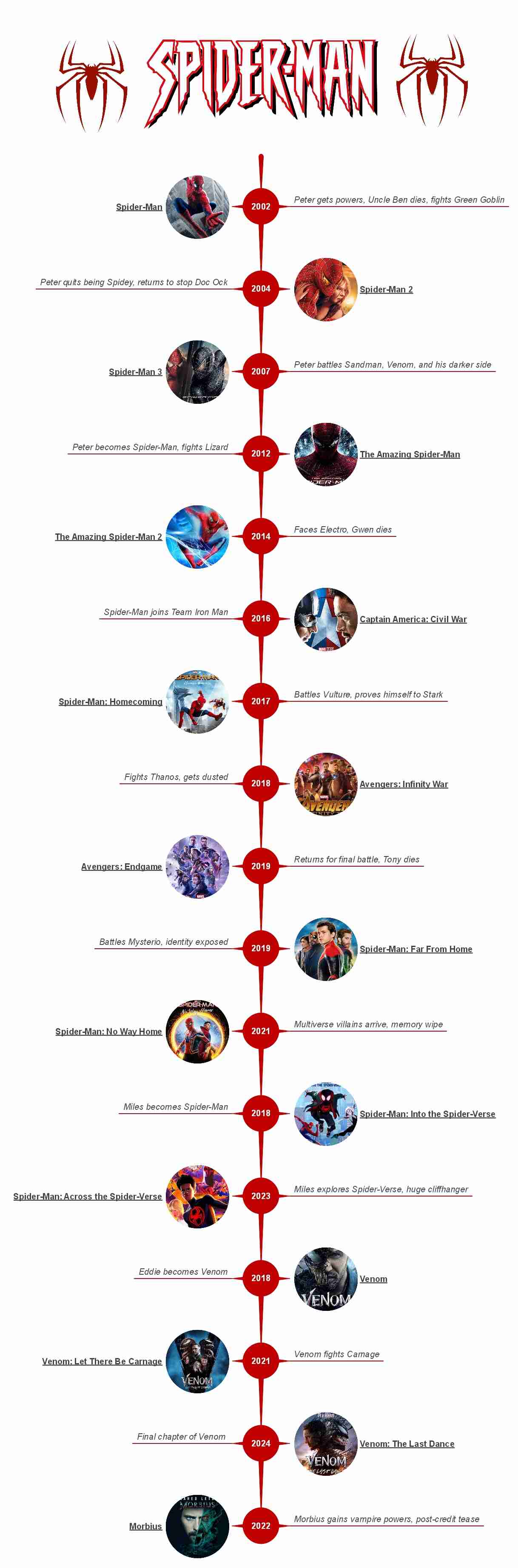
The Financial Impact of Spider-Man: A Comprehensive Look at Movie Net Worth
The term "Spider-Man movie net worth" refers to the total financial performance and cumulative profitability of the cinematic iterations of the Spider-Man franchise, spanning from Sam Raimi’s 2002 debut through the modern Marvel Cinema...
The term "Spider-Man movie net worth" refers to the total financial performance and cumulative profitability of the cinematic iterations of the Spider-Man franchise, spanning from Sam Raimi’s 2002 debut through the modern Marvel Cinematic Universe (MCU) collaborations. These films have generated billions in global box office revenue, merchandising rights, and home entertainment sales, cementing the franchise as one of the most lucrative intellectual properties in cinematic history.
Contents
The Economic Scale of the Spider-Man Franchise
Spider-Man is widely considered the crown jewel of Sony Pictures’ catalog. Unlike many other Marvel characters whose film rights were sold to various studios, the rights to Spider-Man remained with Sony (formerly Columbia Pictures). This creates a unique financial ecosystem where the "net worth" of the film series is measured by its ability to drive consistent theatrical attendance and its resilience as a multi-generational brand.
To understand the financial magnitude, one must differentiate between gross box office returns and the estimated net value. While individual films like Spider-Man: No Way Home (2021) broke records by grossing over $1.9 billion worldwide, the "net worth" of the movies is not a static bank account balance. It is an evaluation of the franchise's total historical impact on studio revenue, including adjustments for production budgets, marketing expenditures, and the lucrative secondary market of streaming rights and physical media.
Analyzing the Revenue Streams
A Spider-Man film functions as a financial engine that generates income across several distinct channels. These channels are critical for stakeholders, including Sony Pictures and Marvel Studios, to determine the long-term viability of the character.
Global Box Office Performance
The primary metric for a film's immediate financial health is the worldwide box office. Since 2002, Spider-Man films have consistently ranked among the highest-grossing movies of their respective years. This theatrical reliability ensures that even lower-performing installments significantly outweigh their production costs, which often range from $150 million to $250 million per production.
Home Entertainment and Licensing
Beyond theatrical release, the "net worth" of the series is bolstered by long-tail revenue. This includes:
- Digital Sales and Rentals: Continued demand on platforms like Apple TV and Amazon Prime Video.
- Merchandising Rights: While Disney holds many rights to Marvel merchandise, the films drive demand for action figures, apparel, and video games, which keeps the brand’s valuation high.
- Television and Streaming Distribution: Sony has signed landmark deals with platforms like Netflix and Disney+ to grant exclusive streaming windows, generating hundreds of millions in licensing fees.
Historical Comparison of Production vs. Performance
To grasp the financial weight of the franchise, it is helpful to view the data comparatively. The following table highlights the budgetary vs. gross performance (nominal) of select key installments to illustrate the profit potential inherent in the franchise.
| Movie Title | Release Year | Production Budget | Worldwide Gross |
|---|---|---|---|
| Spider-Man | 2002 | $139 Million | $825 Million |
| Spider-Man 2 | 2004 | $200 Million | $789 Million |
| The Amazing Spider-Man | 2012 | $230 Million | $758 Million |
| Spider-Man: Homecoming | 2017 | $175 Million | $880 Million |
| Spider-Man: No Way Home | 2021 | $200 Million | $1.92 Billion |
Note: Data reflects general production budgets and global box office results. Marketing and exhibition fees are not deducted in this raw comparison.
The Role of Strategic Partnerships
The financial success of recent Spider-Man films is tied directly to the 2015 agreement between Sony Pictures and Marvel Studios (Disney). This partnership allowed Peter Parker to enter the MCU, exponentially increasing the character's exposure.
This is a case study in corporate synergy. By integrating Spider-Man into the broader Avengers storyline, the films benefitted from the "shared universe" effect, where individual films perform better because audiences are invested in a larger narrative arc. This strategic move effectively raised the floor of the franchise’s net value, as even a standalone Spider-Man project now carries the momentum of the entire Marvel brand.
Potential Risks and Volatility
While the franchise is a commercial powerhouse, it is not immune to financial risks. The "net worth" of the series can be impacted by several factors:
- Rising Production Costs: Blockbuster tentpoles now frequently exceed $250 million in production costs before marketing. A "flop" in such a high-stakes environment can cause significant volatility in quarterly earnings for a studio.
- Audience Saturation: Superhero fatigue is a constant concern for studios. If the market becomes oversaturated with comic-book adaptations, the box office returns for future installments could decline, affecting the long-term valuation of the Spider-Man intellectual property.
- Contractual Negotiations: The relationship between Sony and Disney is subject to periodic renegotiation. Should these agreements fall through, the ability of future films to cross the billion-dollar threshold would be severely challenged.
Frequently Asked Questions
Does Sony own the Spider-Man movie rights permanently?
Sony Pictures holds the film rights to Spider-Man as long as they continue to produce films within specific timeframes as outlined in their original contract with Marvel. If they were to stop producing content for an extended period, the rights could potentially revert, but for now, they remain the exclusive custodian of the character in film.
How much do the actors earn from these movies?
Actor earnings are distinct from the film's net worth. Leading actors typically receive a base salary plus a percentage of the "back-end" or performance-based bonuses, depending on the film’s total gross revenue. These figures are usually private but are negotiated based on the projected commercial success of the franchise.
Are the animated Spider-Verse movies included in the franchise valuation?
Yes, the Spider-Verse franchise represents a vital expansion of the brand. These films have created a new, highly profitable segment for Sony, appealing to a different demographic while maintaining the same core intellectual property value.
Why do some Spider-Man movies have a lower "net worth" than others?
Financial performance is subject to external factors like release dates, competition from other major franchises, and critical reception. A movie with a higher production budget but lower audience engagement will naturally have a lower net profit margin than a lower-budget project that becomes a cultural phenomenon.
Is the "net worth" of the Spider-Man movie brand affected by comics?
While the comic books provide the foundation for the characters and stories, the film franchise functions as a separate financial entity. However, the popularity of the films significantly increases the sales volume and licensing value of the associated comic books and related literature.
Recommendation for Further Inquiry
If you are researching the financial details of these films for investment analysis or media studies, focus your search on the "Investor Relations" pages of publicly traded parent companies like Sony Group Corporation and The Walt Disney Company. These entities provide audited annual reports that break down "Film Segment" performance. Be wary of speculative websites that estimate personal actor wealth or unverified budget leaks, as these rarely reflect the official accounting standards required for public financial disclosure.
Image Gallery