Darrell Waltrip Stats in NASCAR: A Comprehensive Career Overview
Darrell Waltrip stands as one of the most prolific, charismatic, and influential figures in the history of NASCAR. Spanning a career that began in the early 1970s and extended into the 2000s, his statistical legacy places him among an...
Darrell Waltrip stands as one of the most prolific, charismatic, and influential figures in the history of NASCAR. Spanning a career that began in the early 1970s and extended into the 2000s, his statistical legacy places him among an elite echelon of stock car racing champions. Analyzing Darrell Waltrip stats in NASCAR reveals an era-defining competitor who secured 84 premier series victories—tied with Bobby Allison for fourth on the all-time wins list—alongside three Cup Series championships. This deep examination explores his comprehensive career metrics, championship campaigns, track-specific dominance, and enduring legacy in American motorsports.
Contents
The Foundation of a NASCAR Legend
Understanding the magnitude of Darrell Waltrip’s statistics requires examining the competitive landscape of NASCAR during the 1970s, 1980s, and 1990s. Racing against legendary adversaries like Richard Petty, Cale Yarborough, Dale Earnhardt, and Bobby Allison, Waltrip carved out a reputation as an exceptionally fast qualifier, a master of short tracks and superspeedways alike, and a fierce, uncompromising competitor.
Born in Owensboro, Kentucky, Waltrip began his NASCAR Winston Cup Series career in 1972. While his early starts were sporadic with independent teams, his undeniable speed quickly caught the attention of prominent car owners. His breakthrough came when he transitioned to full-time competition, eventually driving powerhouse equipment for DiGard Racing and later Junior Johnson & Associates. Throughout his storied career, Waltrip competed in 809 premier series races, accumulating staggering numbers that defined modern stock car racing.
Core Career Statistics and Milestones
To properly assess Darrell Waltrip stats in NASCAR, one must look at the foundational pillars of his racing resume: race wins, pole positions, top-five finishes, and laps led. These metrics illustrate not only his capacity to win races but also his remarkable consistency over a long period.
Summary of Career Metrics
| Metric | Total / Statistic |
|---|---|
| Starts | 809 |
| Wins | 84 |
| Championships | 3 (1981, 1982, 1985) |
| Pole Positions | 59 |
| Top-5 Finishes | 390 |
| Top-10 Finishes | 533 |
| Laps Led | 24,111 |
Waltrip’s 84 victories rank him fourth all-time in the NASCAR Cup Series, trailing only Richard Petty, David Pearson, and Jeff Gordon. His 59 pole positions tie him with Lee Roy Yarbrough and Chase Elliott for 12th on the all-time list, demonstrating exceptional single-lap speed, particularly during his tenure with Junior Johnson in the early 1980s. Furthermore, finishing inside the top five in nearly half of his career starts (390 out of 809) highlights a level of sustained competitiveness that few drivers have ever matched.
Championship Years and Peak Dominance
While regular-season victories cemented his fame, Waltrip’s three NASCAR Cup Series championships define his competitive peak. He secured back-to-back titles in 1981 and 1982, followed by a third championship in 1985.
The 1981 Championship Season
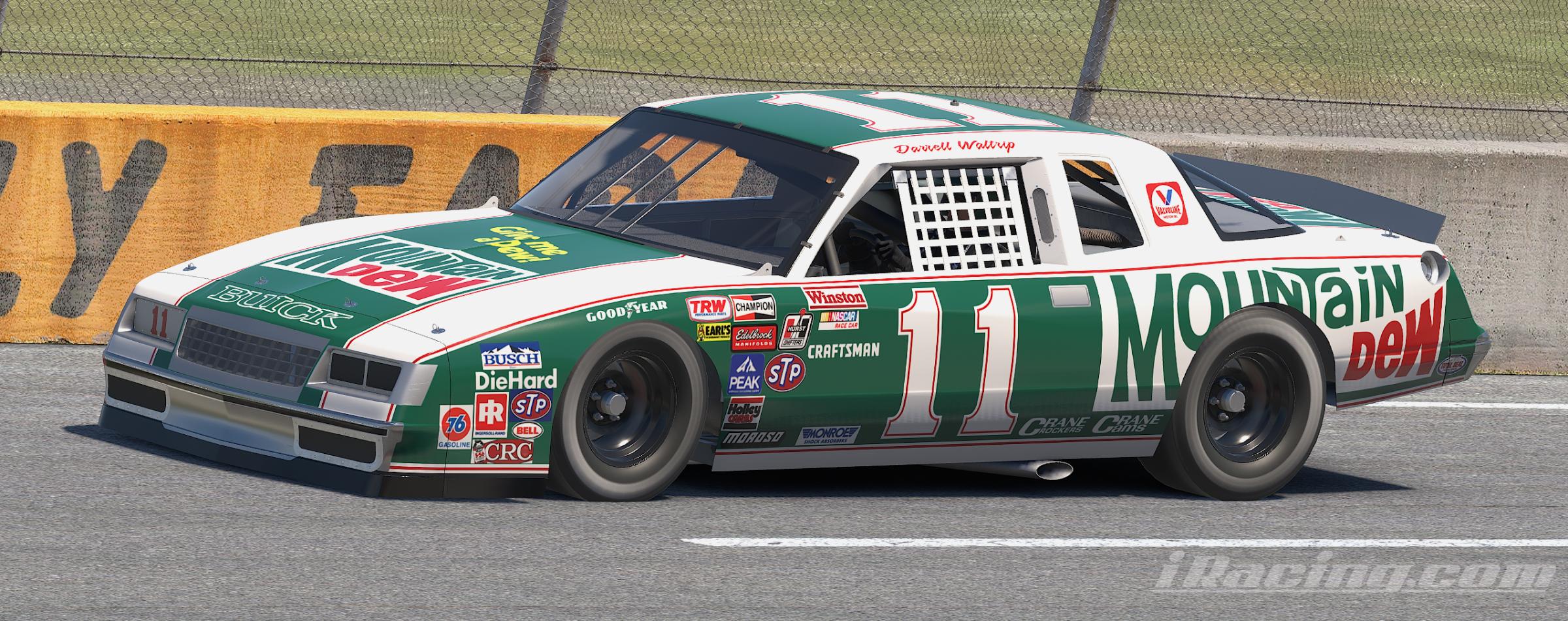
Driving the iconic No. 11 Mountain Dew Buick for Junior Johnson, Waltrip captured his first championship in dramatic fashion. He secured 12 victories during the 1981 season alone—tying a modern-era record—while overcoming a slow start to edge out Bobby Allison in the final standings. His aggressive driving style and technical feedback transformed his race cars into dominant weekly threats.
The 1982 Title Defense
Waltrip successfully defended his crown in 1982, piloting the same Junior Johnson-prepared Buick to 12 wins, 13 poles, and 21 top-five finishes. This back-to-back championship run cemented his status as the premier driver of the early 1980s, showcasing an era of technical mastery and mechanical reliability.
The 1985 Championship with Hendrick Motorsports
After moving to Rick Hendrick’s fledgling organization, Waltrip claimed his third and final title in 1985. Driving the No. 11 Tide Chevrolet, he accumulated 3 wins, 14 top-fives, and consistent finishes that held off a hard-charging Bill Elliott. This championship was particularly significant as it helped establish Hendrick Motorsports as a future powerhouse in the sport.
Track-Specific Excellence and Supersonic Speed
Waltrip’s versatility was evident across nearly every configuration on the NASCAR schedule. However, certain tracks witnessed his most dominant performances. He was particularly lethal at short tracks like Bristol Motor Speedway, Martinsville Speedway, and North Wilkesboro Speedway, as well as high-speed layouts like Darlington Raceway and Charlotte Motor Speedway.
Short Track Mastery
At Bristol Motor Speedway, Waltrip secured 12 victories, a record that stood for decades and established his nickname "Jaws" due to his outspoken nature and dominance on the concrete oval. His mastery of Martinsville and North Wilkesboro further solidified his reputation as a driver who could maneuver heavy stock cars through tight, technical corners better than almost anyone else of his generation.
Superspeedway Success
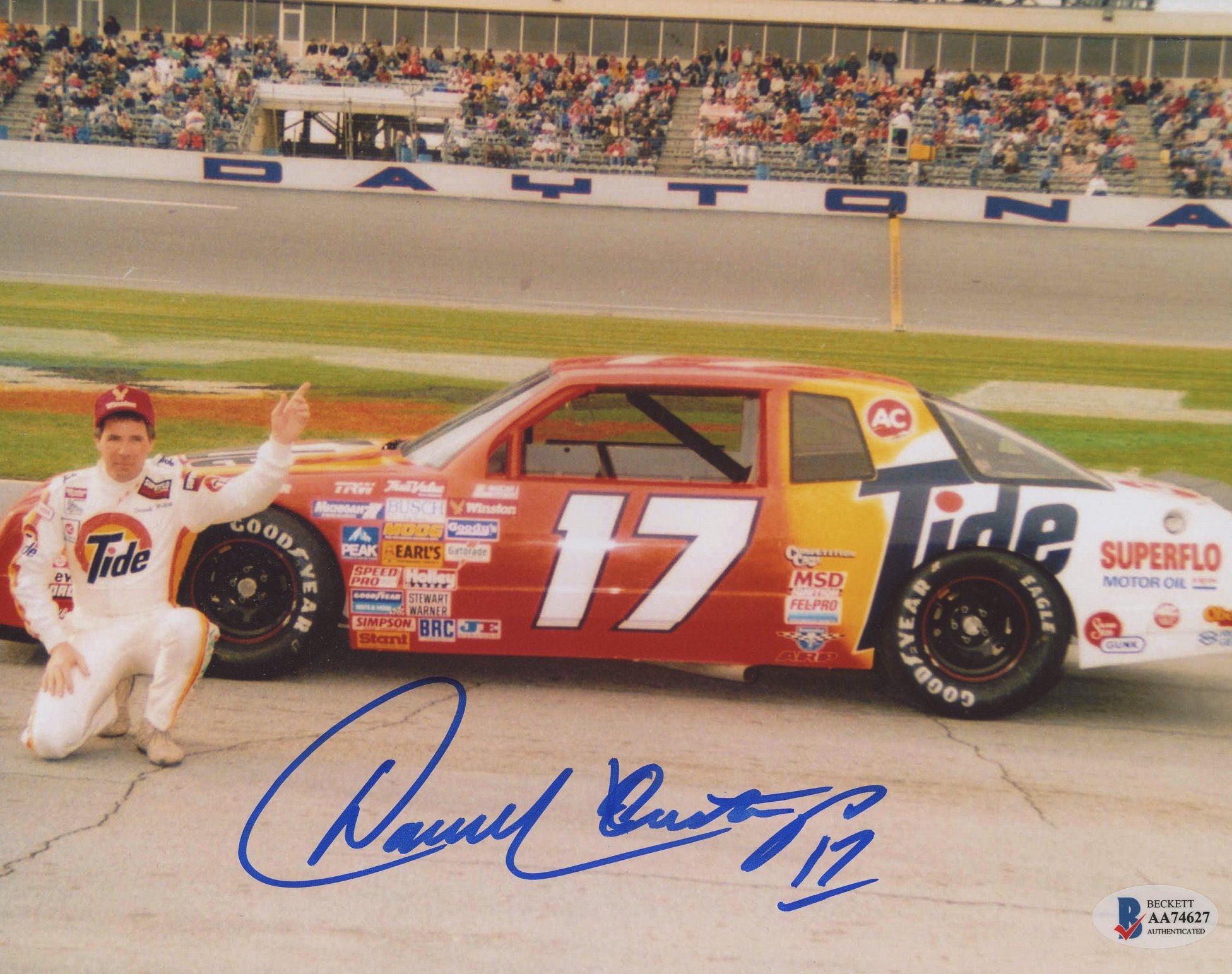
Waltrip won the prestigious Daytona 500 in 1989 after 17 attempts, driving for Rick Hendrick. Victory in the Great American Race had eluded him for years, making his emotional win in the No. 17 Hendrick Motorsports Chevrolet one of the defining moments of his career. He was equally dominant at the Coca-Cola 600 at Charlotte Motor Speedway, winning the historic endurance race five times.
Evolution of the Sport and Late Career Statistics
As the 1990s progressed, the demographics and technical landscape of NASCAR shifted. Younger drivers entered the series, and aerodynamic engineering altered how cars handled. Waltrip’s statistics during this later phase reflect a transition from weekly championship contender to veteran owner-driver and respected elder statesman of the garage.
Following his departure from Hendrick Motorsports, Waltrip ran his own teams and drove for various owners, including a memorable stint with Travis Carter Enterprises. While victories became scarcer in the mid-to-late 1990s, his streak of consecutive starts continued, culminating in his retirement from full-time driving at the end of the 2000 season. His final start came at Atlanta Motor Speedway, bringing the curtain down on a premier series career spanning nearly three decades.
Frequently Asked Questions
How many NASCAR Cup Series races did Darrell Waltrip win?
Darrell Waltrip won 84 NASCAR Cup Series races during his career. This total ties him with Bobby Allison for fourth place on the all-time premier series wins list, behind only Richard Petty, David Pearson, and Jeff Gordon.
How many championships did Darrell Waltrip win?
Waltrip won three NASCAR Cup Series championships. He claimed back-to-back titles in 1981 and 1982 while driving for Junior Johnson, and earned his third championship in 1985 driving for Hendrick Motorsports.
Did Darrell Waltrip ever win the Daytona 500?
Yes, Waltrip won the Daytona 500 once in his career, taking the checkered flag in the 1989 edition of the race driving the No. 17 Chevrolet for Hendrick Motorsports after years of near-misses.
How many pole positions did Darrell Waltrip achieve?
Throughout his 809 career starts, Waltrip secured 59 pole positions. This places him among the most prolific qualifiers in NASCAR history, highlighting his exceptional one-lap speed.
What tracks were Darrell Waltrip’s most successful?
Waltrip excelled across various track types, but he was particularly dominant at Bristol Motor Speedway with 12 wins, Charlotte Motor Speedway, and Darlington Raceway, where his technical precision paid massive dividends.
Next Actions and Further Exploration
For fans and researchers looking to explore Darrell Waltrip stats in NASCAR further, examining official historical databases such as NASCAR’s historical archives or the Racing-Reference records provides race-by-race breakdowns of every start, finish, and lap led. Reviewing race broadcasts from the 1981 and 1982 championship seasons also offers valuable context into how his driving style and crew chief partnerships shaped modern stock car racing.
Image Gallery