The Capacity of Wrigley Stadium Explained
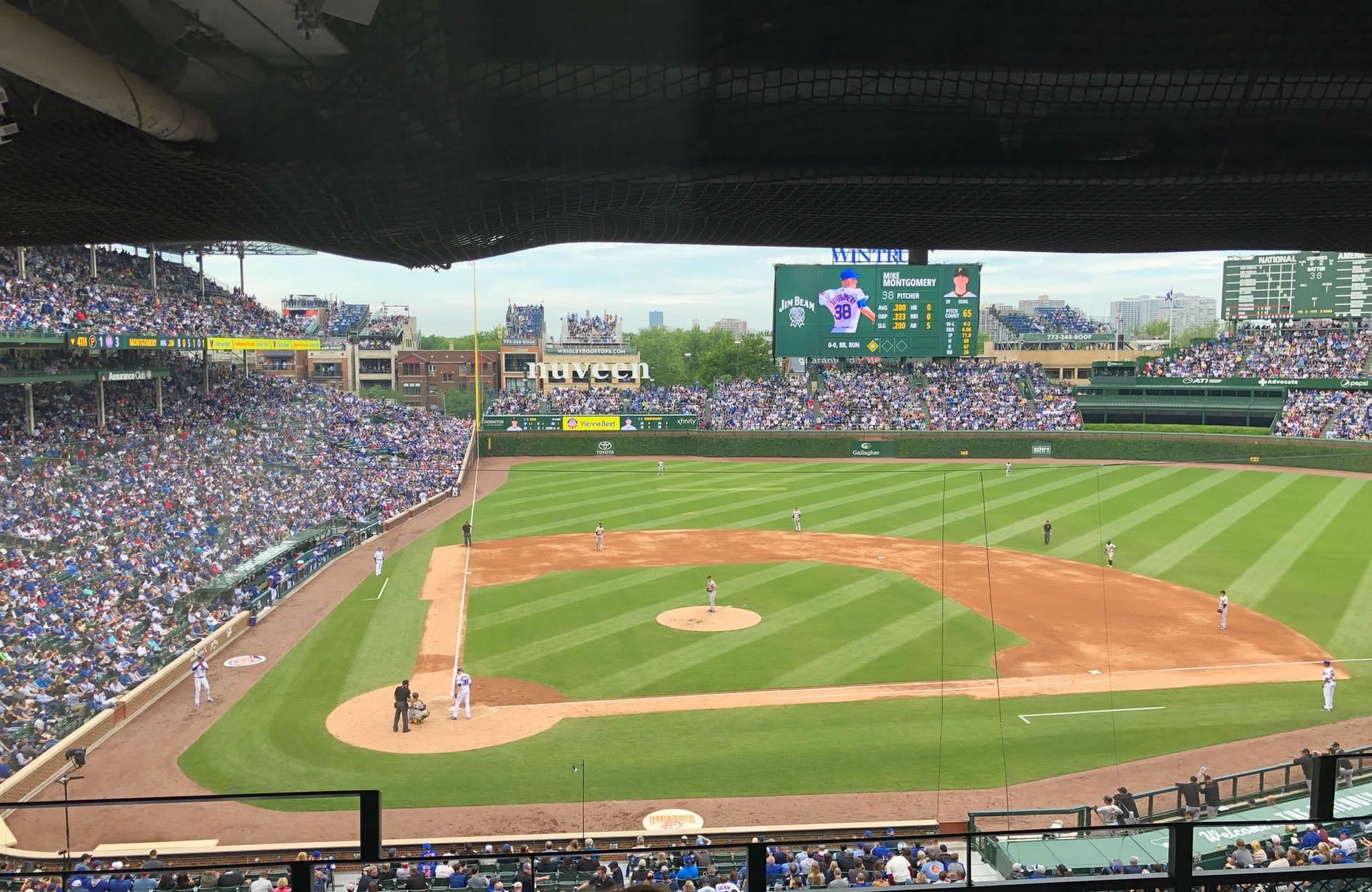
Wrigley Field, historically and colloquially known as Wrigley Stadium, has a seating capacity of 41,649 as of official Major League Baseball configurations. This number fluctuates slightly depending on temporary seating arrangements, s...
Wrigley Field, historically and colloquially known as Wrigley Stadium, has a seating capacity of 41,649 as of official Major League Baseball configurations. This number fluctuates slightly depending on temporary seating arrangements, standing room only availability, concerts, and structural modifications completed during the extensive multi-year restoration project known as the 1060 Project.
Contents
Historical Evolution of Wrigley Field Capacity
Understanding the modern capacity of Wrigley Field requires examining its century-long structural evolution. Opened in 1914 as Weeghman Park, the venue originally seated significantly fewer fans. Over the decades, expansions transformed the ballpark from a modest neighborhood structure into a sprawling concrete-and-steel multi-tiered stadium.
When the Chicago Cubs moved into the park, initial capacities hovered around 14,000 to 20,000 spectators. Subsequent ownership groups gradually added seating tiers. The most notable early expansion occurred in the 1930s under owner P.K. Wrigley, who introduced the iconic double-decked press box and expanded the upper deck. By the mid-20th century, capacity stabilized in the high 30,000s.
For many decades leading into the 21st century, the official capacity was traditionally cited at approximately 38,900 to 39,160. This figure remained relatively static due to zoning restrictions, the tight urban footprint bounded by Waveland Avenue, Addison Street, Sheffield Avenue, and Clark Street, and the preservationist mindset regarding the historic hand-turned scoreboard and brick outfield ivy.
The 1060 Project and Modern Seating Adjustments
The most significant shift in modern capacity arrived with the 1060 Project, a multi-phase, $575 million private restoration and expansion initiative launched by the Ricketts family. Initiated after the 2014 season, this project modernized clubhouses, added new concourse space, built the Delta Sky360 Club, and introduced outfield signage and videoboards.
Crucially for seating capacity, the 1060 Project added new seating sections throughout the ballpark. The expansion of the upper deck, the creation of new seating areas behind home plate, and the installation of outfield bleacher expansions pushed the maximum capacity past the 41,000 mark.
| Era / Project Phase | Approximate Capacity | Key Structural Changes |
|---|---|---|
| Original Opening (1914) | ~14,000 - 20,000 | Initial construction of Weeghman Park by Charles Weeghman. |
| 1930s Expansion | ~38,000 | Addition of upper deck and iconic press box under P.K. Wrigley. |
| Late 20th Century | ~39,000 | Incremental adjustments, lighting installation (1988), and bleacher modifications. |
| Post-1060 Project (Current) | ~41,649 | Extensive multi-year renovation adding outfield signage, club spaces, and tier seats. |
Factors Influencing Fluctuations in Game-Day Attendance
While the official design capacity sits at 41,649, the actual number of attendees inside Wrigley Field varies from game to game. Several operational, legal, and structural variables dictate how many fans occupy the park on any given afternoon or evening.
Standing Room Only (SRO) Tickets
For high-demand matchups, postseason games, and marquee weekend series against rival clubs like the St. Louis Cardinals or Chicago White Sox, the Cubs organization releases Standing Room Only tickets. These passes allow fans to view the game from designated concourse areas, the Left and Right Field porches, and specific perimeter rails. SRO inventory can push total attendance figures past 42,000.
Rooftop and Surrounding Infrastructure
An analysis of Wrigley Field capacity must account for the unique ecosystem surrounding the stadium. While not part of the interior stadium bowl, the famous rooftops along Sheffield Avenue and Waveland Avenue host ticketed patrons. Historically operated independently, these rooftop views became integrated into official team business partnerships. However, these figures are tracked separately from the official MLB interior capacity of 41,649.
Accessibility and ADA Compliance
Modern stadium operations require strict adherence to the Americans with Disabilities Act (ADA). Renovations during the 1060 Project improved wheelchair accessibility, companion seating locations, and elevator capacities. ADA modifications often require the removal of traditional stationary seats to install wider platforms, which can marginally alter the net seating capacity of specific sections year over year.
Wrigley Field Capacity for Concerts and Special Events
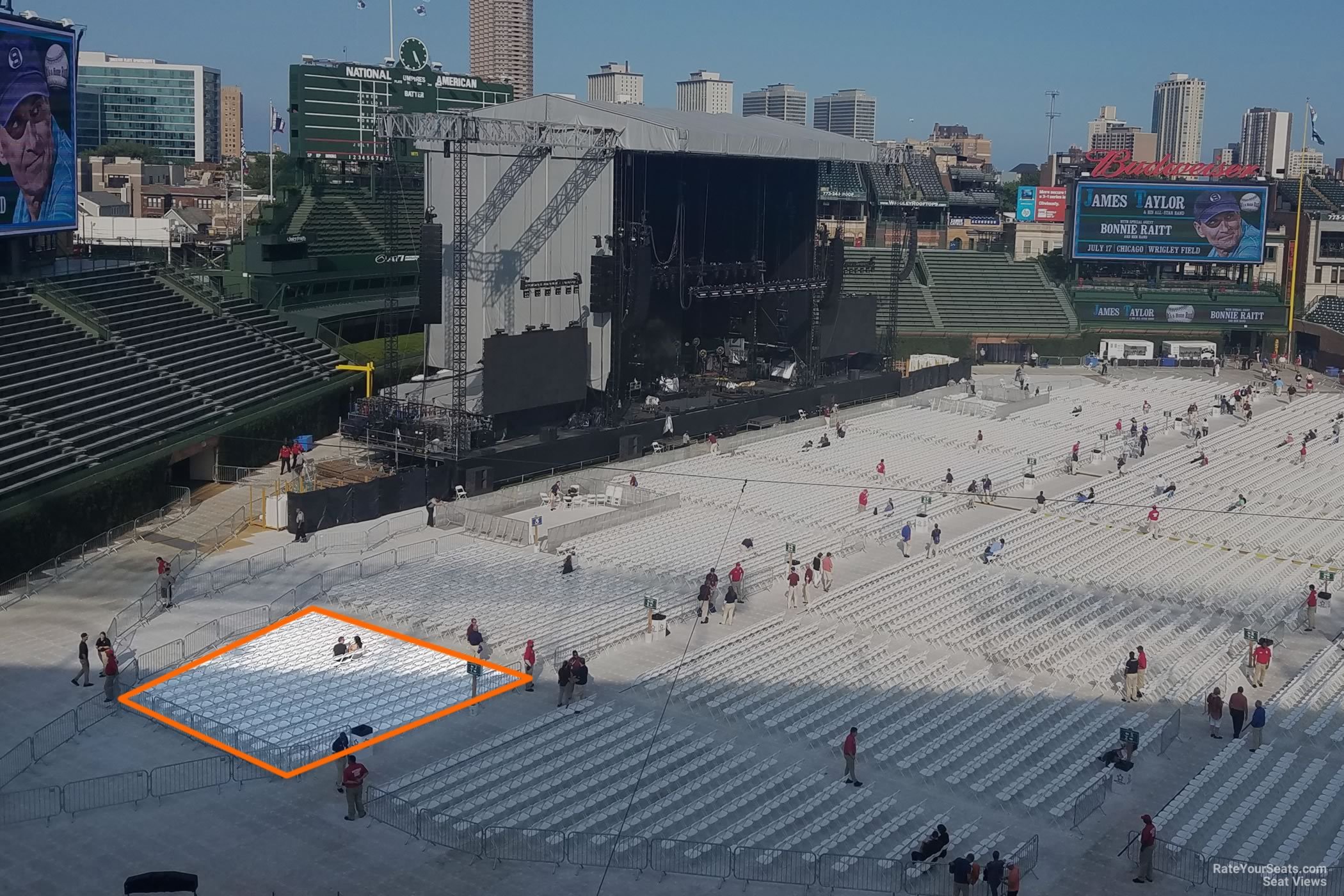
Beyond Major League Baseball games, Wrigley Field functions as a major open-air concert venue and host site for other sporting events, such as the NHL Winter Classic and college football games. Configuration changes for these events alter capacity significantly.
When configured for a concert, the baseball infield is covered with protective flooring, and temporary seating is placed on the field turf. General admission floor areas combined with the standard bowl seating allow concert capacities to range between 40,000 and 43,000 attendees, depending on the stage footprint and backstage infrastructure requirements.
For hockey matches or football games, sightline adjustments and the placement of the rink or gridiron across the diamond necessitate the removal of thousands of lower-bowl seats. Consequently, capacity for non-baseball athletic events often scales differently than standard baseball configurations.
Frequently Asked Questions
What is the exact official capacity of Wrigley Field?
The official seating capacity of Wrigley Field is 41,649. This figure includes standard bowl seating, club seats, suites, and bleacher areas, though exact nightly attendance varies based on standing-room-only sales and ADA configurations.
Did the 1060 Project increase or decrease Wrigley Field capacity?
The 1060 Project increased the overall capacity of Wrigley Field. By expanding the bleachers, adding new seating sections, and restructuring internal concourses, the team raised the capacity from its historical baseline of roughly 38,900 to over 41,000 seats.
Why is Wrigley Field capacity lower than modern NFL or college football stadiums?
Wrigley Field is constrained by its historic urban location in Chicago's Lakeview neighborhood. Built in 1914, the ballpark is surrounded by city streets and residential properties, leaving no physical land footprint for massive multi-tiered bowl expansions seen in modern suburban stadiums.
Can Wrigley Field host over 42,000 people?
Yes. Through the sale of Standing Room Only (SRO) tickets, total event attendance frequently exceeds the baseline seated capacity of 41,649, particularly during rivalry games, postseason runs, and summer concert events.
How does Wrigley Field capacity compare to other classic MLB ballparks?
Wrigley Field holds a mid-tier capacity compared to other Major League Baseball venues. It is larger than historic counterparts like Boston's Fenway Park (which seats roughly 37,000 to 38,000), but smaller than newer or heavily expanded parks that routinely accommodate 45,000 to 50,000 fans.
Practical Next Steps and Verification
If you are planning to attend a game, concert, or special event at Wrigley Field, verify seating locations and ticket types directly through the official Chicago Cubs ticketing portal. Review stadium entry guidelines regarding bag policies and digital ticketing requirements before arriving at the corner of Clark and Addison to ensure a seamless entry experience.
Image Gallery