Why Clubs Need Accounting Software: Streamlining Financial Management for Organizations in 2026
Clubs need accounting software to ensure financial transparency, automate membership dues collection, and maintain strict compliance with evolving tax regulations. Specialized software tracks restricted funds and simplifies reporting f...
Clubs need accounting software to ensure financial transparency, automate membership dues collection, and maintain strict compliance with evolving tax regulations. Specialized software tracks restricted funds and simplifies reporting for board members, significantly reducing risks associated with manual entry errors and volunteer turnover in an increasingly complex and digital financial landscape.
Contents
As we move through 2026, the operational demands on social clubs, sports organizations, professional associations, and non-profits have reached a critical tipping point. The days of managing a club’s finances via a shared spreadsheet or a physical ledger are largely over. Modern regulatory environments, member expectations for digital payment options, and the need for real-time financial visibility make dedicated accounting software an essential infrastructure rather than a luxury.
The Evolving Financial Landscape for Modern Clubs
In 2026, the financial ecosystem in which clubs operate is characterized by instant transactions and heightened scrutiny. Members no longer wish to pay dues via cash or check; they expect integrated mobile payments and automated invoicing. Simultaneously, tax authorities globally have increased their digital oversight, requiring more granular reporting for non-profit statuses and taxable commercial activities within clubs.
For many organizations, the transition to accounting software is driven by the sheer volume of transactions. A mid-sized sports club may deal with hundreds of registration fees, equipment purchases, facility rentals, and coaching stipends. Manually tracking these across disconnected platforms leads to "data silos," where the treasurer is the only person who understands the financial health of the organization. This lack of centralized data creates bottlenecks and increases the likelihood of human error, which can be devastating for organizations relying on tight margins or public grants.
Core Benefits of Implementing Specialized Accounting Software
The primary motivation for adopting accounting software is the transition from reactive to proactive financial management. When a club uses a system designed for its specific needs, it gains several strategic advantages that extend far beyond simple bookkeeping.
Financial Transparency and Member Trust
Clubs are unique because they are often funded by member contributions. This creates a fiduciary responsibility for the leadership to prove that funds are being used appropriately. Accounting software allows for the generation of clear, professional reports that can be shared during annual general meetings. When members can see exactly how their dues are allocated—whether to facility maintenance, event planning, or reserve funds—it builds trust and long-term loyalty.
Automation of Recurring Revenue
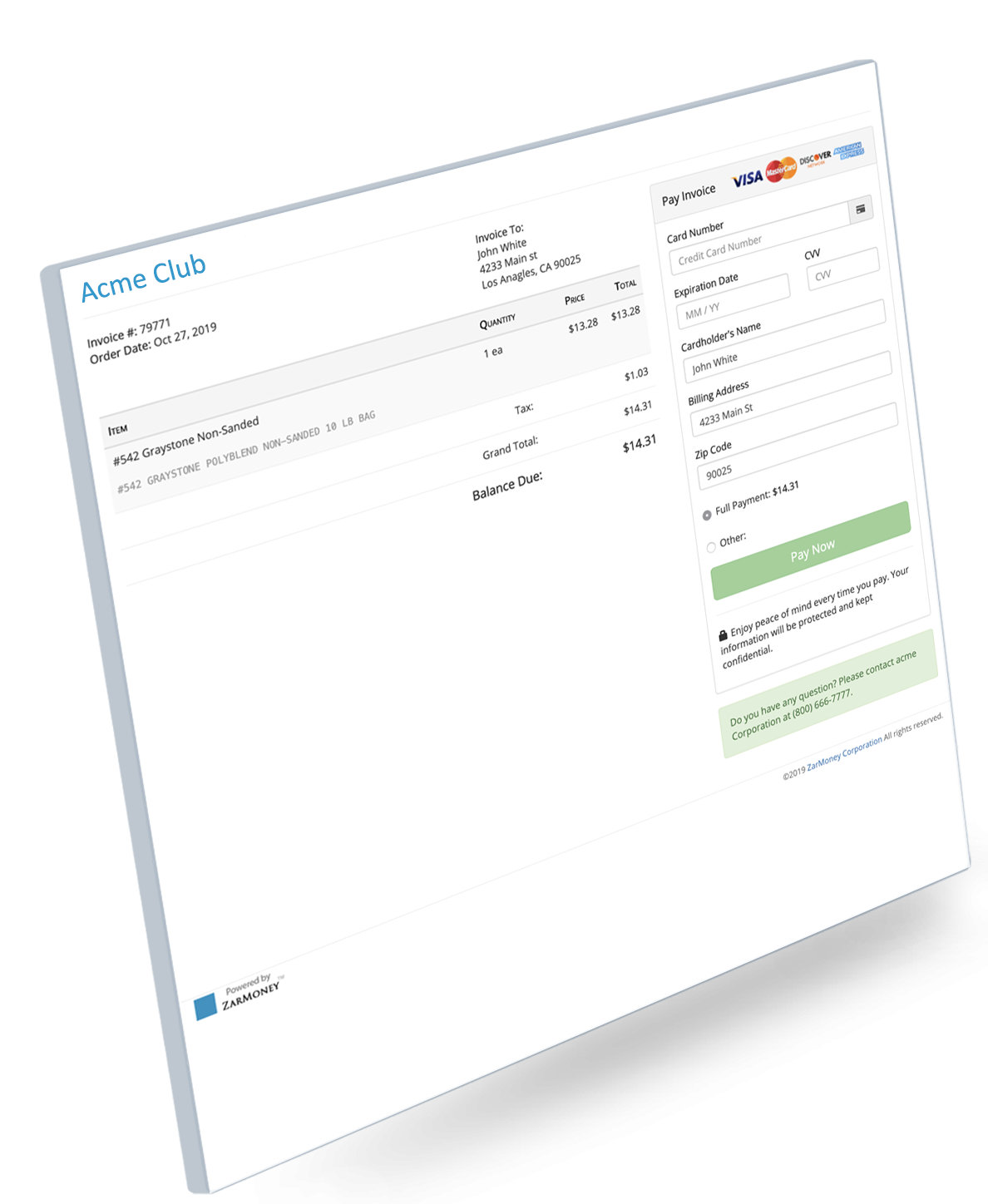
The most time-consuming task for any club treasurer is the collection of dues. Manual invoicing is prone to delays and missed payments. Accounting software automates this process by sending scheduled invoices, processing credit card or digital wallet payments, and automatically updating the general ledger. This ensures a steady cash flow and reduces the "awkward" conversations treasurers often have to have with delinquent members.
Real-Time Reporting and Decision Making
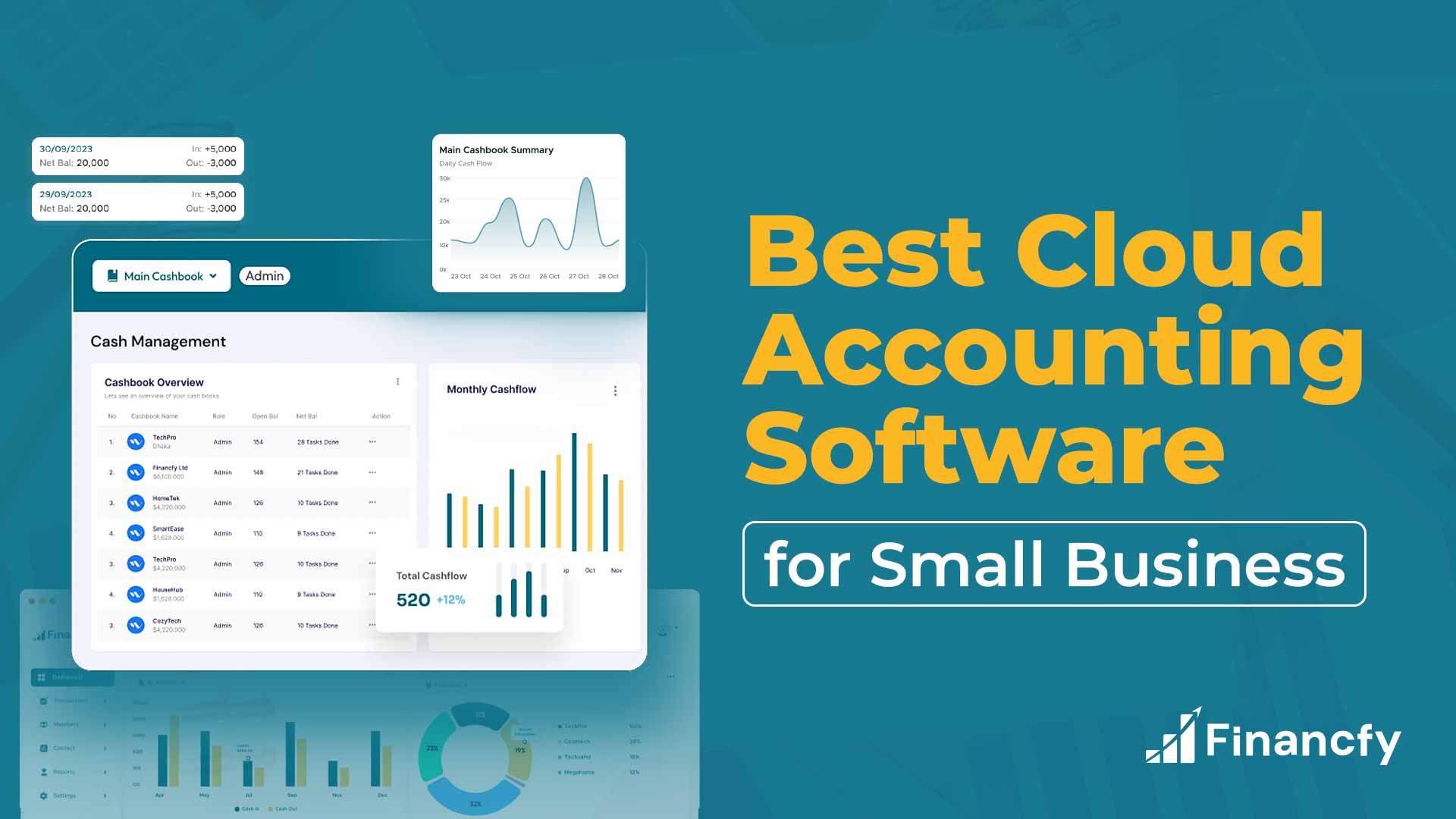
In 2026, waiting until the end of the quarter to see a financial statement is insufficient. Boards need to make decisions based on current data. Cloud-based accounting platforms provide real-time dashboards showing bank balances, outstanding liabilities, and budget variances. If an event is over-budget, leadership can identify the issue immediately and adjust spending elsewhere, rather than discovering a deficit months later.
Addressing Unique Club Financial Requirements
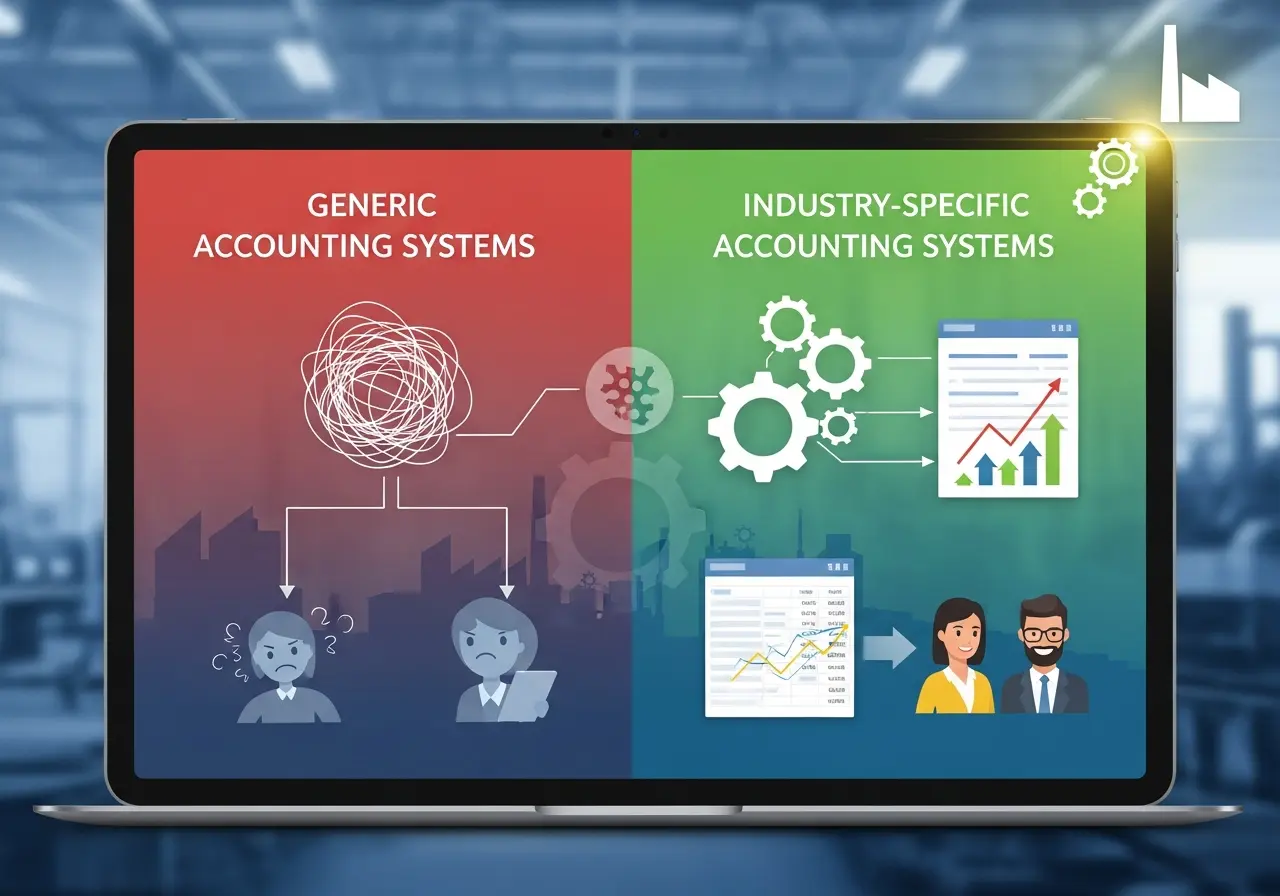
General-purpose accounting software often fails to address the specific nuances of club finances. Organizations should look for solutions that handle the following three areas with precision.
Fund Accounting and Restricted Grants
Many clubs receive grants or donations that are "restricted," meaning the money can only be spent on specific projects (e.g., a new youth program or building repairs). Standard business accounting focuses on profit and loss, but clubs need fund accounting. This allows the treasurer to segregate money into different "buckets" within the same bank account, ensuring that restricted funds are never accidentally used for general operating expenses.
Integrated Member Management
The most effective club software bridges the gap between the member database and the financial ledger. When a new member joins via the website, their information should automatically flow into the accounting system, creating a customer profile and an initial invoice. This integration eliminates duplicate data entry and ensures that the membership roster always matches the financial records.
Event and Program Cost Tracking
Clubs often run multiple programs simultaneously. Dedicated software allows for "class" or "project" tracking, enabling the organization to see the specific ROI of a fundraiser, a tournament, or a social gala. If a particular event consistently loses money, the software provides the data necessary to either restructure or cancel it to protect the club’s overall solvency.
Mitigating Risks and Preventing Internal Fraud
A significant but often unspoken reason for adopting robust accounting software is the prevention of internal fraud and mismanagement. According to reports from the Association of Certified Fraud Examiners (ACFE), small organizations and non-profits are frequently targeted because they lack internal controls.
Accounting software introduces several layers of security:
- Audit Trails: Every transaction is logged with a time stamp and a user ID. If an entry is deleted or altered, the software maintains a record of who did it and when.
- Role-Based Access: Not everyone needs to see everything. Software allows the president to view reports, the treasurer to make entries, and an external auditor to have "read-only" access. This limits the number of people who can move money.
- Bank Reconciliation: Automating the reconciliation process ensures that the software's records match the bank's records daily. This makes it nearly impossible for unauthorized withdrawals to go unnoticed for long periods.
Comparing Manual Bookkeeping vs. Cloud-Based Software
The following table highlights the operational differences between traditional manual methods and modern accounting software for clubs in 2026.
| Feature | Manual/Spreadsheet Methods | Cloud-Based Accounting Software |
|---|---|---|
| Data Accuracy | High risk of formula errors and typos. | Automated entry and bank syncing reduce errors. |
| Accessibility | Limited to the person holding the file. | Real-time access for all authorized board members. |
| Audit Readiness | Requires weeks of document gathering. | One-click report generation with digital receipts. |
| Security | Minimal; files can be lost or overwritten. | Encrypted data with multi-factor authentication. |
| Member Payments | Manual tracking of checks and cash. | Automated online payments and instant receipts. |
| Compliance | Dependent on the treasurer's knowledge. | Regular updates to reflect current tax laws. |
Key Features to Look for in Club Accounting Solutions
When selecting a platform, clubs should prioritize features that align with their specific operational scale. For 2026, these features are considered standard for high-performing organizations:
- Mobile Accessibility: Treasurers are often volunteers who manage finances on the go. A robust mobile app for capturing receipts and approving expenses is vital.
- API Integrations: The software should "talk" to other tools the club uses, such as Square for point-of-sale at a snack bar or Mailchimp for member newsletters.
- Budget Forecasting: Look for tools that allow you to "stress test" your budget—for example, seeing how a 10% drop in membership would affect your ability to pay rent.
- Digital Document Storage: The ability to attach a PDF of an invoice directly to the transaction in the ledger is essential for maintaining a paperless office and easing the audit process.
Managing Transition and Volunteer Turnover
One of the greatest risks to a club is the "knowledge vacuum" that occurs when a long-serving treasurer leaves. If the records are in a complex, personalized spreadsheet, the successor may struggle for months to understand the system.
Accounting software standardizes the financial process. It provides a consistent framework that remains the same regardless of who is in the treasurer's seat. This continuity is essential for the long-term health of the club. Modern platforms often include "onboarding" modules and help centers that allow new volunteers to train themselves, ensuring that the transition of power is seamless and the club's credit rating or tax standing is never put at risk during leadership changes.
Cost Considerations and ROI in 2026
While there is a cost associated with software subscriptions—ranging from $20 to $150 per month depending on the club's size—the Return on Investment (ROI) is usually realized through time savings and error reduction.
- Time Savings: If a treasurer saves 10 hours a month on manual data entry, and those hours are valued at even a modest volunteer rate, the software pays for itself immediately.
- Loss Prevention: Catching a single missed membership payment or avoiding a tax penalty for late filing can cover the annual cost of the subscription.
- Scalability: Good software grows with the club. An organization can start with a basic tier and add features like payroll or advanced inventory management as they expand their operations.
Common Mistakes to Avoid
Organizations often make the mistake of choosing the cheapest option without verifying if it supports multi-user access or non-profit reporting. It is also common to skip the "set-up" phase. Investing in a professional consultant or a certified accountant to set up the Chart of Accounts correctly in the first month is a prerequisite for long-term success.
Frequently Asked Questions
Do small clubs with limited budgets really need accounting software?
Yes. Even small clubs face legal requirements for financial reporting and tax filing. Many software providers offer "Lite" versions or discounted pricing for registered non-profits, making it affordable for organizations with small budgets. The cost of a single financial error or a lost spreadsheet far outweighs the monthly subscription fee.
Is cloud-based software safe for sensitive member financial data?
In 2026, reputable cloud accounting providers use bank-grade encryption and multi-factor authentication (MFA). Storing data in the cloud is generally much safer than keeping it on a single volunteer's laptop, which can be lost, stolen, or suffer a hardware failure without a recent backup.
Can accounting software help with our annual tax filings?
Absolutely. Most modern accounting platforms allow you to export data directly into tax preparation software or provide a specific "Tax Summary" report. This significantly reduces the fees charged by external accountants, as they spend less time organizing your data and more time ensuring you receive all eligible deductions or exemptions.
How hard is it to move from spreadsheets to accounting software?
The transition requires an initial investment of time to import your member list and opening balances. However, most platforms provide CSV import templates that make this process straightforward. It is recommended to run the new software alongside your old system for one month to ensure everything reconciles correctly before fully switching over.
Does the software handle donations and sponsorships differently than dues?
Yes. Quality club software allows you to categorize income types. This is crucial because sponsorships may have different tax implications than membership dues, and donations may require the automated issuance of a tax-deductible receipt, which the software can handle instantly upon payment.
Final Recommendation
For any club looking to thrive in 2026, implementing dedicated accounting software is a fundamental step toward professionalization. Start by auditing your current financial process: if you rely on a single person's spreadsheet or if it takes more than ten minutes to produce a balance sheet, it is time to transition. Begin by trialing a cloud-based solution that offers fund accounting and integrated member management. This investment will not only protect the organization’s assets but will also relieve the administrative burden on your volunteers, allowing the club to focus on its primary mission and community.
Image Gallery