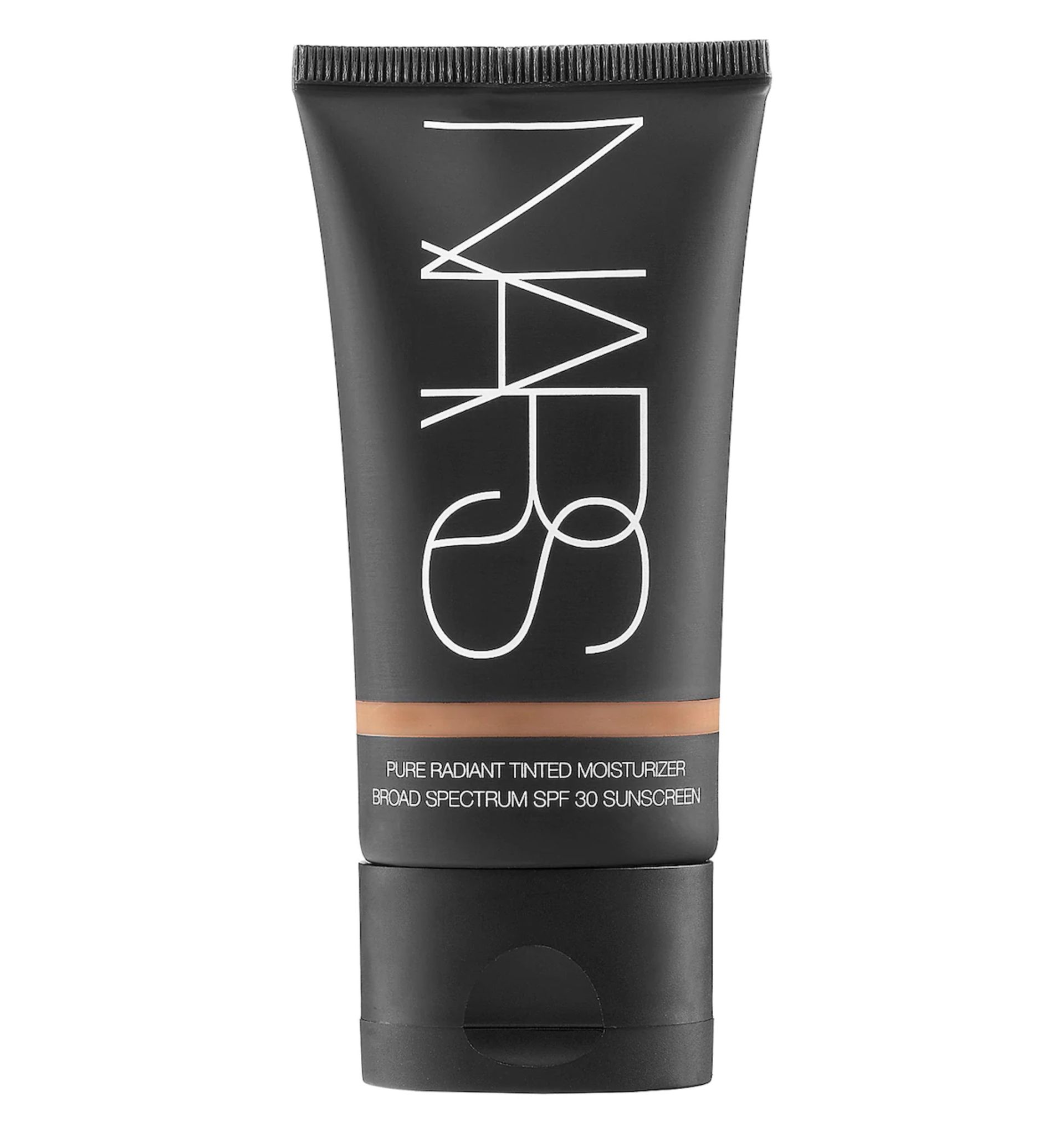
Can a Cool Toned Tinted Moisturizer Work for My Skin?
A cool-toned tinted moisturizer works effectively if your skin possesses pink, red, or bluish undertones. While the sheerer pigments of tinted moisturizers allow for more flexibility than traditional foundations, applying a cool-toned...
A cool-toned tinted moisturizer works effectively if your skin possesses pink, red, or bluish undertones. While the sheerer pigments of tinted moisturizers allow for more flexibility than traditional foundations, applying a cool-toned product to warm or olive skin often results in an ashy, dull, or "grey" appearance. Success depends on matching the product's base pigment to your biological undertone.
Contents
Choosing the right base for your complexion has evolved significantly by 2026. With the rise of "skin-first" makeup formulations, the distinction between a tinted moisturizer and a lightweight foundation has blurred. However, the fundamental rules of color theory remain the cornerstone of a natural look. If you have ever applied a product that looked perfect in the bottle but turned ghostly or orange on your face, you have experienced the importance of undertones.
Understanding Skin Undertones in 2026 Beauty Standards
To determine if a cool-toned tinted moisturizer is right for you, you must first distinguish between your overtone and your undertone. Your overtone is the color you see on the surface—often affected by sun exposure, rosacea, or acne. Your undertone is the permanent, muted color beneath the surface that never changes.
The Three Primary Undertones
- Cool (Pink, Red, or Bluish): People with cool undertones tend to burn easily in the sun and often have visible blue or purple veins.
- Warm (Yellow, Peachy, or Golden): Those with warm undertones usually tan easily and have veins that appear greenish.
- Neutral: A balance of both warm and cool. Neutral-toned individuals can often wear a wide range of colors without looking washed out.
A cool-toned tinted moisturizer is specifically formulated with a higher concentration of pink or red pigments. In the 2026 market, these products often utilize sophisticated iron oxides that mimic the natural heme (blood) flow beneath the skin to provide a "lit-from-within" flush. If your skin is naturally cool, these pigments integrate seamlessly. If your skin is warm, these pink pigments sit on top of your natural yellow tones, creating a muddy or "chalky" effect.
The Science of "Cool Tones" in Pigmented Skincare
The chemistry of tinted moisturizers relies on a delicate balance of hydration and suspension. Unlike heavy foundations that use high loads of titanium dioxide for total opacity, tinted moisturizers are designed to be translucent. This translucency is why some people believe they can "cross-over" into different undertones.
However, color theory dictates that when you place a cool pigment (blue/pink base) over a warm surface (yellow/gold base), the colors do not always blend to create a new, pleasing shade. Instead, they can neutralize each other in a way that saps the vibrancy from the face. This is particularly noticeable in 2026 formulations which often include light-refracting minerals. These minerals are designed to bounce light off the pigment; if the pigment is the wrong "temperature" for your skin, the reflection will look unnatural.
Why "Sheer" Doesn't Always Mean "Universal"
Many brands market their products as "universal tints." While these work for some neutral complexions, they are rarely truly universal. A "cool-toned" specific label is a signal that the brand has prioritized the needs of the fair-to-deep pink spectrum. If you have a deep complexion with cool (reddish/blue) undertones, a cool-toned moisturizer can look stunningly rich. But if that same deep skin has a golden undertone, the cool-tinted product will likely look ashy.
How to Determine if You Have a Cool Undertone
Before investing in a new product, perform these three industry-standard tests to verify your suitability for cool-toned cosmetics.
1. The Vein Test
Examine the veins on the inside of your wrist under natural sunlight. If your veins appear distinctly blue or purple, you are likely cool-toned. If they appear green, you are warm. If you cannot quite tell or they look teal, you are likely neutral.
2. The Jewelry Test
Think about which precious metals enhance your skin's radiance. If silver or platinum makes your skin look bright and healthy, while gold makes you look slightly tired or sallow, you have a cool undertone. This is a classic indicator that pink-based pigments (cool-toned) will work best for you.
3. The White Paper Test
Hold a piece of stark white paper up to your clean, makeup-free face in a room with natural light. If your skin looks pink or rosy in comparison to the paper, you are cool-toned. If your skin looks yellow or sallow, you are warm.
| Feature | Cool Undertone | Warm Undertone | Neutral Undertone |
|---|---|---|---|
| Vein Color | Blue or Purple | Green or Olive | Blue-Green / Indistinguishable |
| Sun Reaction | Burns easily, rarely tans | Tans easily, rarely burns | Tans first, may burn later |
| Best Metals | Silver, White Gold | Yellow Gold, Copper | Both / Rose Gold |
| Associated Colors | Pink, Blue, Red | Yellow, Peach, Golden | Mix of both |
| Result of Cool Tint | Natural, healthy glow | Ashy, grey, or dull | Soft, brightening effect |
What Happens When a Warm Undertone Uses Cool-Toned Products?
It is a common mistake to reach for a cool-toned moisturizer to "cancel out" warmth or sallowness. Unfortunately, makeup pigments do not work like high-quality house paint; they are layered over a living, breathing canvas.
When a person with warm, golden skin applies a cool-toned tinted moisturizer:
- The "Grey" Cast: The pink in the moisturizer and the yellow in the skin are nearly opposite on the color wheel. When layered, they can create a neutralized grey tone, making the wearer look ill or tired.
- The "Floating" Face: Because the undertones don't match, the product looks like it is "sitting on top" of the skin rather than melting into it. The jawline becomes a stark border of color mismatch.
- Exaggerated Redness: Paradoxically, if you have surface redness (overtone) but a warm undertone, using a cool-toned product can sometimes make the redness look more obvious by adding more pink/red pigment to the area.
The Role of Shearness: Why Tinted Moisturizers Are More Forgiving
There is one caveat to the "match your undertone" rule: opacity. In 2026, the trend toward "skin tints" and "serum foundations" means that many products have a pigment load of only 5% to 10%.
Because these products are so sheer, a slight mismatch in undertone is often undetectable to the naked eye. This is why some people with neutral-warm skin can "get away" with a cool-toned tinted moisturizer. The natural skin tone shines through the pigment, effectively "mixing" with it on the surface. If the product provides very light coverage, the cool tones might simply act as a subtle brightening agent. However, as soon as you move into "medium coverage" tinted moisturizers, the undertone match becomes non-negotiable.
Troubleshooting: Making a Mismatched Tinted Moisturizer Work
If you have already purchased a cool-toned moisturizer and realized your skin is actually warm or neutral, you do not necessarily have to discard the product. As of 2026, cosmetic "mixers" or "adjusters" are widely available.
- Add a Bronzing Drop: Adding a single drop of a warm, golden liquid bronzer can shift a cool-toned moisturizer toward a neutral or warm profile.
- Use it as a Brightener: Apply the cool-toned product only to the high points of the face (cheekbones and bridge of the nose) to act as a subtle, non-shimmering highlight, then use a matching shade elsewhere.
- Sheer it Out: Mix the tinted moisturizer with your regular, un-tinted facial lotion. By reducing the pigment concentration even further, the undertone clash becomes less visible.
Common Pitfalls and Misconceptions
One of the biggest misconceptions in 2026 is that "Fair" always equals "Cool." Many people with very pale skin assume they must be cool-toned, but "fair-warm" (pale skin with yellow/peachy undertones) is very common. Similarly, "Deep" does not always mean "Warm." There are many deep skin tones with beautiful, cool-blue or cool-red undertones that require cool-toned products to look their best.
Always check the product description for keywords like "Rosy," "Petal," "P," or "C" (for Cool). If you see keywords like "Golden," "Honey," "Honey," or "W" (for Warm), steer clear if you have identified yourself as having a cool undertone.
FAQ
Can I use a cool-toned tinted moisturizer if I have rosacea?
It is generally not recommended. Rosacea is a surface "overtone" of redness. If your underlying "undertone" is actually warm or neutral, adding a cool-toned (pink-based) moisturizer will only add more red pigment to your face, potentially making the rosacea look more inflamed. Instead, look for neutral or slightly warm tones to help balance the surface redness.
What is the difference between "Cool" and "Fair" in 2026 products?
"Fair" refers to the depth of the shade (how light or dark it is), whereas "Cool" refers to the hue of the pigment (the pink/blue base). You can be "Fair-Cool," "Fair-Warm," or "Fair-Neutral." Always select the depth first, then the undertone.
Does SPF in tinted moisturizers affect the cool tone?
Modern SPF formulations in 2026 have largely solved the "white cast" problem, but some mineral sunscreens (Zinc Oxide/Titanium Dioxide) still have an inherently cool, slightly blue-white base. This can actually make a cool-toned tinted moisturizer look even cooler/pincier than intended. If you are neutral, this might push the product into being "too cool" for your skin.
Can my undertone change from summer to winter?
No. Your overtone changes (you get darker or lighter with sun exposure), but your undertone—the cool, warm, or neutral base—remains the same throughout your life. You may need a darker cool-toned moisturizer in the summer, but you will still need those cool pigments.
Is "Olive" skin considered cool?
Olive skin is unique and often misunderstood. It typically has a green or greyish undertone. While it is often grouped with "Warm," it is actually its own category. Cool-toned tinted moisturizers usually look very "off" on olive skin, making it look ashy or orange. Olive tones generally do best with "Neutral" or specialized "Olive" pigment ranges.
Practical Recommendation
To determine if a cool-toned tinted moisturizer will work for you, start by verifying your undertone using the Vein Test and the White Paper Test. If you confirm that you have pink or bluish undertones, a cool-toned product will provide the most seamless, natural-looking finish.
If you discover you have warm or olive undertones, avoid cool-toned labels, even if the shade depth looks correct. Instead, opt for "Warm" or "Golden" formulations to ensure your skin looks vibrant and healthy rather than ashy. For those who are unsure, a "Neutral" tinted moisturizer is the safest 2026 baseline, offering a balance that accommodates the sheer nature of the product while minimizing the risk of a color clash.
Image Gallery