Comprehensive Guide to Redmond Hazardous Waste Disposal in 2026
Residents and businesses in Redmond, Washington, can dispose of household hazardous waste (HHW) primarily through the Factoria Household Hazardous Waste Drop-Off Site in Bellevue or the traveling Wastemobile service. These programs, ma...
Residents and businesses in Redmond, Washington, can dispose of household hazardous waste (HHW) primarily through the Factoria Household Hazardous Waste Drop-Off Site in Bellevue or the traveling Wastemobile service. These programs, managed by the Hazardous Waste Management Program in King County, offer free disposal for most residential materials, including oil-based paints, pesticides, and automotive fluids.
Contents
The Framework of Hazardous Waste Management in Redmond
In 2026, the management of hazardous materials in Redmond remains a collaborative effort between the City of Redmond, King County, and the Washington State Department of Ecology. Unlike standard curbside recycling or garbage collection, hazardous waste requires specialized handling because of its potential to contaminate groundwater, cause fires, or harm waste management workers.
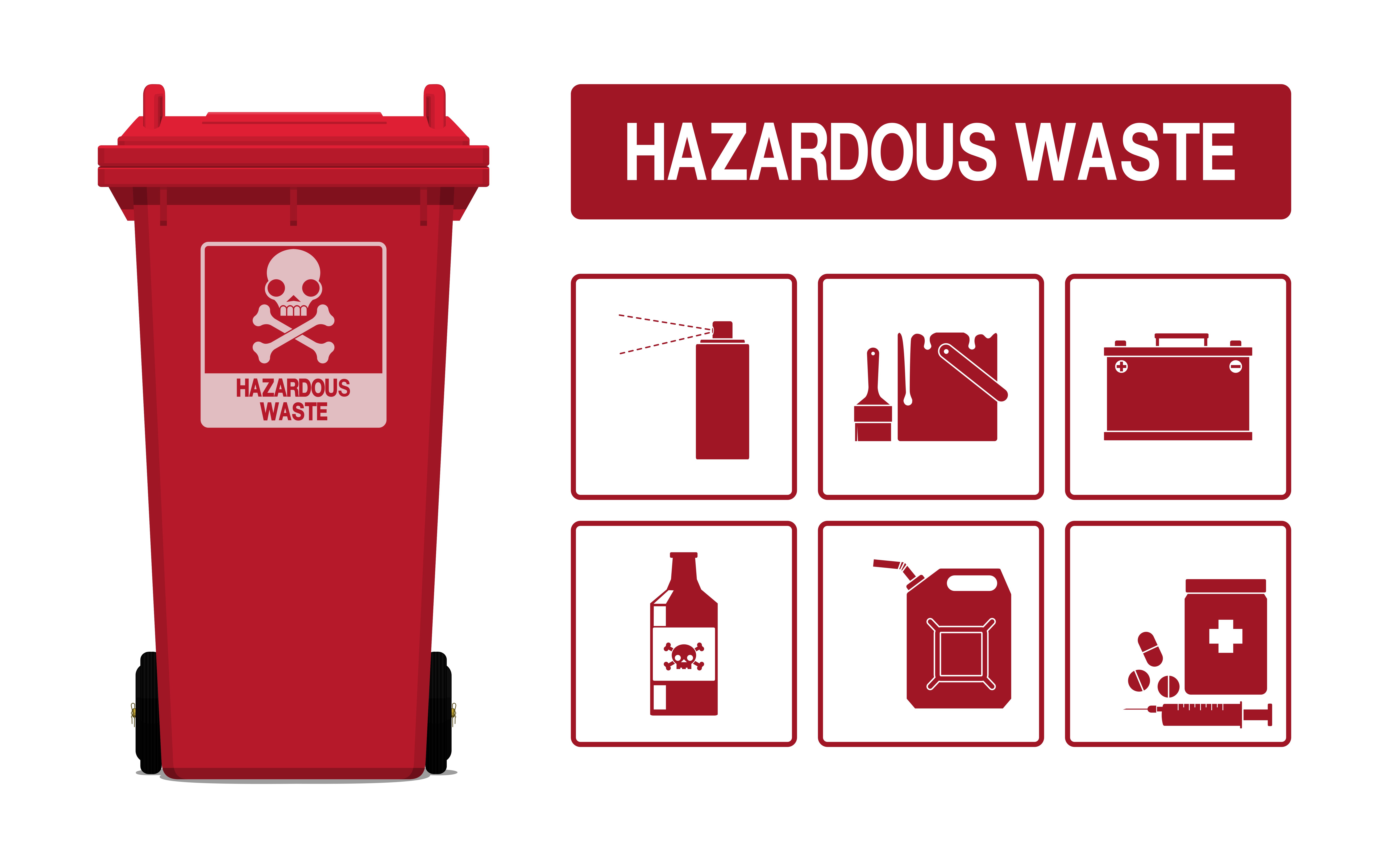
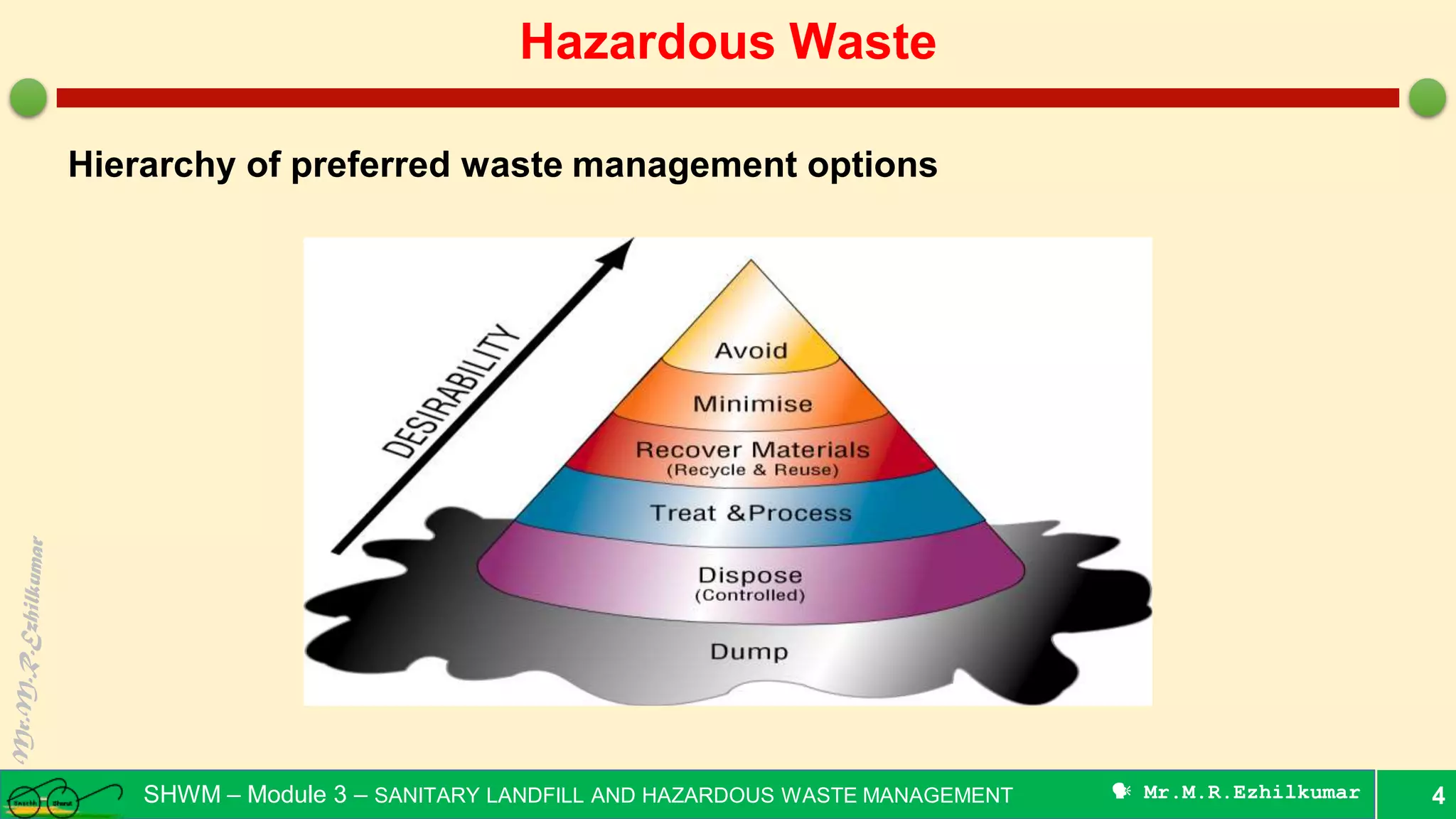
Hazardous waste is generally defined by four characteristics: ignitability, corrosivity, reactivity, and toxicity. In a suburban environment like Redmond, these often manifest as common household products such as pool chemicals, fertilizers, solvent-based cleaners, and older mercury-containing thermometers. The local infrastructure is designed to divert these toxins from the Cedar Hills Regional Landfill, ensuring that chemical compounds are either neutralized, recycled, or disposed of in high-security hazardous waste landfills.
Primary Disposal Options for Redmond Residents
Because the City of Redmond does not have a permanent hazardous waste facility within its immediate city limits, residents utilize regional infrastructure. The proximity of the Factoria station makes it the most reliable year-round resource for those living in neighborhoods like Education Hill, Overlake, or Bear Creek.
1. Factoria Household Hazardous Waste Drop-Off Site
Located just south of Redmond in Bellevue, the Factoria facility is the primary hub for hazardous waste. As of 2026, this site continues to accept a wide array of materials from residents at no additional charge, as the service is funded through modest surcharges on utility bills.
- Location: 13800 SE 32nd St, Bellevue, WA 98005.
- Hours of Operation: Typically open Tuesday through Friday (8:00 am – 4:00 pm) and weekends (9:00 am – 5:00 pm), though it is closed on Mondays and major holidays.
- Residential Limits: There is a limit of 30 gallons of liquid waste per visit, and individual containers must not exceed 5 gallons in size.
2. The King County Wastemobile
The Wastemobile is a mobile collection service that travels throughout King County to provide localized access to hazardous waste disposal. It frequently stages events in Redmond or nearby Woodinville (often at the Lake Washington Institute of Technology). This is an ideal option for residents who may find the trip to Bellevue inconvenient. The Wastemobile operates on a rotating seasonal schedule, typically appearing in the Redmond area several times per year.
3. Curbside Collection Limitations
While Waste Management (Redmond’s primary hauler) provides comprehensive curbside service, their ability to take hazardous materials is extremely limited. In 2026, some residents may be eligible for curbside pickup of motor oil or household batteries if they follow strict containment protocols and schedule the pickup in advance. However, chemicals like gasoline, brake fluid, or pesticides are strictly prohibited from curbside bins.
Categorizing Materials: What Can and Cannot Be Dropped Off
Understanding the distinction between "hazardous" and "difficult to recycle" is essential for efficient disposal. Not all items that seem dangerous are handled by the hazardous waste program.
Accepted Materials
The following items are standard acceptances at both the Factoria facility and the Wastemobile:
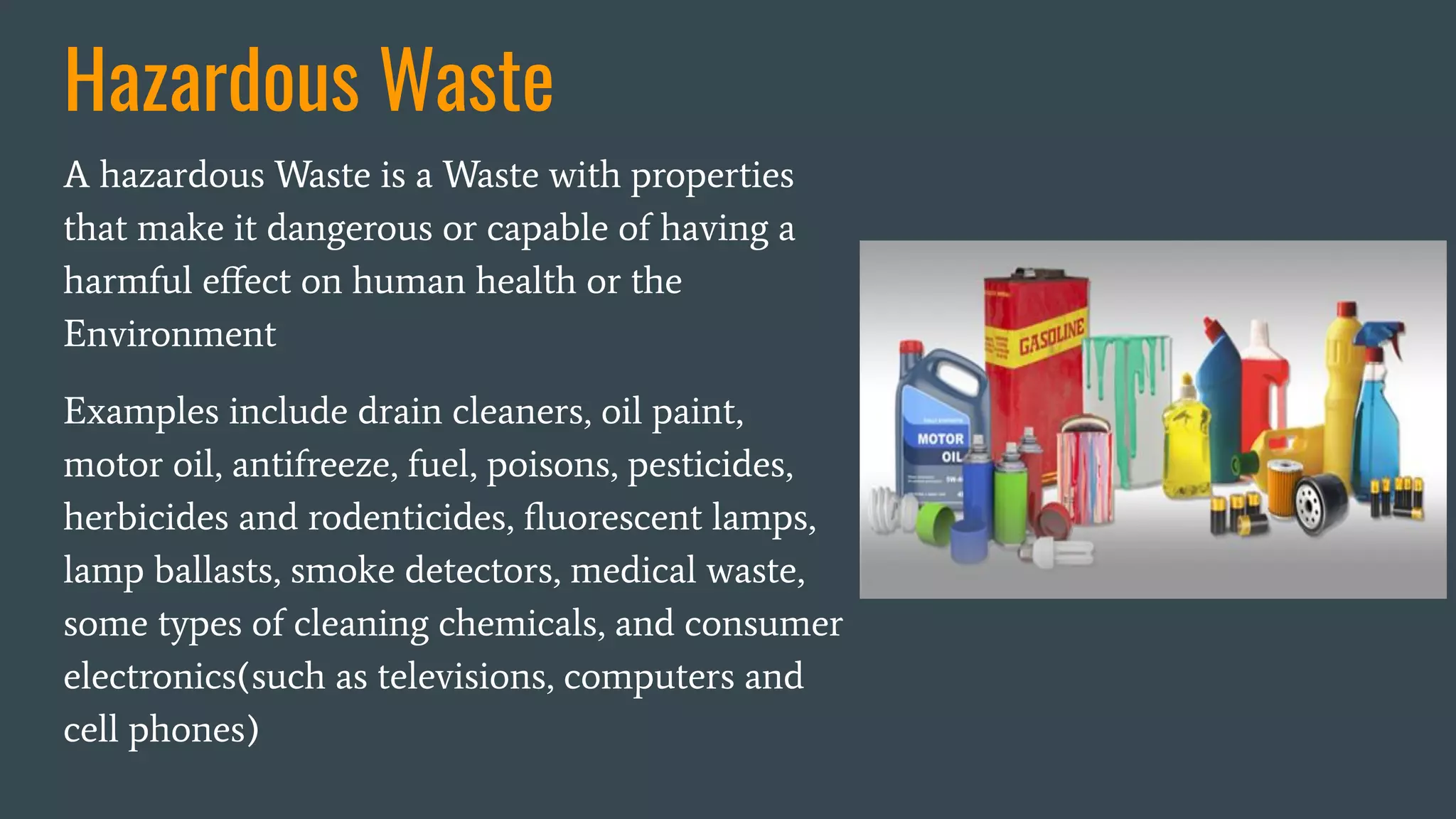
- Automotive Products: Used motor oil, oil filters, antifreeze, brake fluid, and gasoline (must be in an approved fuel container).
- Garden and Yard Chemicals: Pesticides, herbicides, fungicides, and chemical fertilizers.
- Household Cleaners: Oven cleaners, drain openers, ammonia, and solvent-based disinfectants.
- Flammable Liquids: Kerosene, charcoal lighter fluid, and thinners.
- Mercury-Containing Items: Fluorescent tubes, compact fluorescent lamps (CFLs), and mercury thermometers.
Prohibited Items
Certain materials require specialized handling outside of the standard hazardous waste program:
- Explosives and Ammunition: These must be handled by local law enforcement. Residents should contact the Redmond Police Department for guidance rather than bringing these to a waste site.
- Asbestos: This requires a specialized contractor and disposal at specific facilities like the King County Solid Waste Division asbestos-handling locations.
- Medical Waste and Sharps: Used needles (sharps) should be placed in puncture-proof containers and taken to designated pharmacy drop-off points or specific hospital collection bins.
- Radioactive Materials: This includes some types of industrial gauges and specialized medical equipment.
Small Business Hazardous Waste (SQGs)
In 2026, small businesses in Redmond are regulated as Small Quantity Generators (SQGs). Unlike residential disposal, business disposal is not free, though it is significantly subsidized and more affordable than hiring a private hazardous waste contractor.
Businesses that generate less than 220 pounds of hazardous waste per month (or approximately 27 gallons of liquid) may qualify for the King County business disposal program. To participate, Redmond business owners must:
- Obtain an SQG Certification: This verifies that the business does not exceed the volume limits set by the Washington Department of Ecology.
- Schedule an Appointment: Unlike residents, businesses cannot "drop in" at Factoria. They must schedule a specific time for drop-off.
- Pay via Voucher or Invoice: Fees are based on the weight and type of material. Some businesses may be eligible for a "Business Hazardous Waste Voucher" which provides a discount for the first drop-off of the year.
Comparison of Disposal Methods in Redmond (2026)
| Method | Best For | Typical Cost | Constraints |
|---|---|---|---|
| Factoria Site | Regular household volumes, year-round access | Free (Residents) | 30-gallon limit per visit |
| Wastemobile | Occasional cleanup, local convenience | Free (Residents) | Limited dates/seasonal schedule |
| Curbside Pickup | Motor oil and small batteries | Included in service | Strict packaging requirements |
| PaintCare Sites | Latex and oil-based paint only | Free | Only specific retail locations |
| Business Program | Retailers, auto shops, small labs | Fee-based | Appointment required; weight limits |
The "PaintCare" Exception
Washington State’s PaintCare program has revolutionized how Redmond residents handle old paint. While the hazardous waste program accepts oil-based paint, latex paint (water-based) is not technically "hazardous" once it is solidified. However, to keep it out of the landfill, many local hardware stores in Redmond serve as PaintCare drop-off sites. These locations accept both latex and oil-based paints for recycling, provided the containers are 5 gallons or smaller and have original labels.
Safe Transportation and Preparation Guidelines
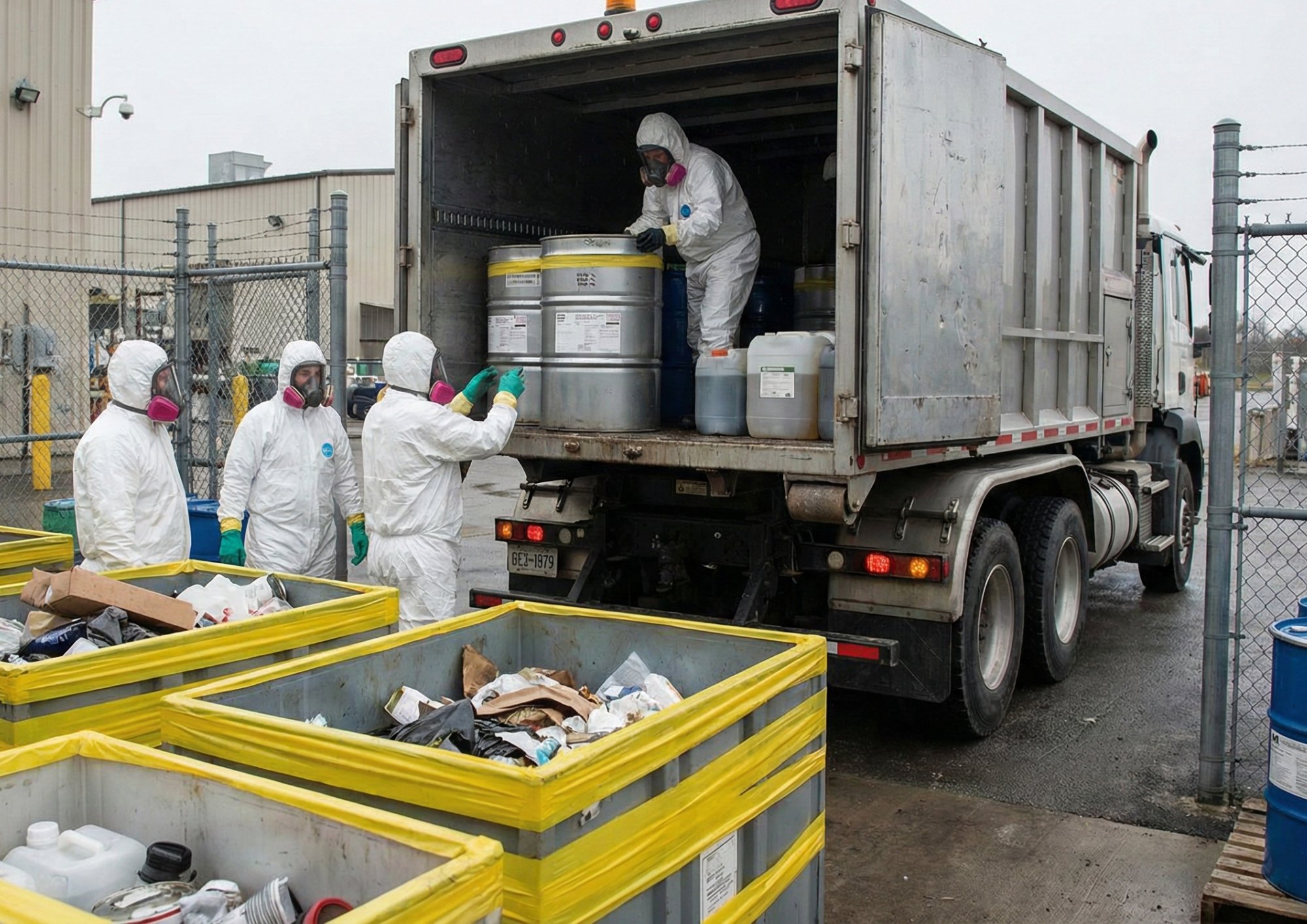
The risk of chemical reactions increases during transport. When moving hazardous waste from a Redmond residence to the Bellevue facility, follow these safety protocols:
- Keep Products in Original Containers: If a label is missing, mark the container with "Unknown" and describe the contents if you know them. Never mix different products in one container; mixing chlorine and ammonia, for example, creates toxic vapors.
- Secure the Load: Place containers upright in a sturdy plastic bin or cardboard box lined with newspaper. This prevents tipping and contains any leaks that might occur during transit.
- Ventilate Your Vehicle: If you are transporting volatile chemicals like gasoline or thinners, keep your car windows cracked to prevent the buildup of toxic fumes in the cabin.
- Drive Directly to the Site: Do not leave hazardous waste in a hot car while running other errands. Heat can cause containers to pressurize or ignite.
Environmental and Legal Compliance
Redmond sits atop a sensitive aquifer system that provides a portion of the city's drinking water. Improper disposal of hazardous waste—such as pouring used motor oil down a storm drain or burying old pesticides—is a violation of both the Redmond Municipal Code and the Washington Model Toxics Control Act.
In 2026, the Washington Department of Ecology has increased its monitoring of "non-point source pollution." This means that residential runoff is scrutinized just as much as industrial discharge. By utilizing the official hazardous waste channels, Redmond residents help prevent heavy metals and synthetic organic compounds from entering the Sammamish River and Lake Sammamish, protecting local salmon populations and biodiversity.
Frequently Asked Questions
Can I dispose of alkaline batteries in my regular trash?
Yes, in 2026, standard alkaline batteries (AA, AAA, C, D) are generally considered non-hazardous in King County and can be placed in the regular trash. However, Lithium-ion, Nickel-Cadmium, and Lead-Acid batteries are strictly prohibited from the trash due to fire risks and must be taken to a hazardous waste site or a Call2Recycle drop-off point.
What should I do with old gasoline that has sat in my mower?
Old or "sour" gasoline is highly flammable and cannot be reused. You should transport it in an approved fuel container to the Factoria Household Hazardous Waste site. Note that the facility will usually not return your gas can unless it is a specialized, high-value container, so plan accordingly.
Is there a limit on how many fluorescent tubes I can bring?
For residents, the Factoria site typically limits the intake to 10 fluorescent tubes or bulbs per person per day. This is to ensure that the vapor-recovery systems at the facility are not overwhelmed by accidental breakage. For larger quantities, you may need to contact a commercial recycler.
How do I dispose of a smoke detector?
Most smoke detectors contain a tiny amount of Americium-241, a radioactive isotope. While they are legal to dispose of in regular garbage in many jurisdictions, it is highly recommended to mail them back to the manufacturer. Check the back of the device for the manufacturer’s address and "take-back" instructions.
Does the Redmond hazardous waste program accept electronics?
No, televisions, computers, and monitors are handled under the E-Cycle Washington program. While these contain hazardous materials like lead and cadmium, they are processed at electronics recycling centers rather than hazardous waste chemical facilities. Many Redmond retailers, such as Goodwill or Best Buy, participate in E-Cycle Washington.
Final Recommendation for Redmond Residents
To ensure the most efficient experience, residents should consolidate their hazardous materials and make a single trip to the Factoria Household Hazardous Waste Drop-Off Site during midweek hours to avoid weekend congestion. Always verify current wait times or holiday closures on the King County Hazardous Waste Management Program website before departing. For those with only a few items like paint or batteries, checking local retail take-back programs in downtown Redmond may save a trip to Bellevue.
Image Gallery