What to Expect From Marketing Video Production Services
Professional marketing video production services provide a structured three-phase workflow—pre-production, production, and post-production—designed to align visual storytelling with business objectives. Clients should expect a collabor...
Professional marketing video production services provide a structured three-phase workflow—pre-production, production, and post-production—designed to align visual storytelling with business objectives. Clients should expect a collaborative environment involving strategy, scripting, expert filming, and technical editing to deliver high-quality assets optimized for specific platforms, audience retention, and measurable conversion goals.
Contents
The transition from a simple idea to a high-converting video asset involves a complex interplay of creative strategy and technical execution. As of 2026, the demand for video content has shifted from "volume-first" to "impact-first," making the choice of a production partner a critical business decision. Understanding the roadmap of professional services ensures that your investment yields a product that not only looks professional but also serves its primary purpose: driving ROI.
The Pre-Production Phase: Strategy and Planning
The most successful marketing videos are won or lost in the pre-production phase. This is the foundational period where the agency aligns its creative vision with your brand’s KPIs. Expect a high degree of collaboration during this stage, as the production team needs to inhabit your brand’s voice and understand your target demographic's pain points.
Discovery and Creative Briefing
The process typically begins with a discovery session. You should expect the production company to ask probing questions about your "why." They will look for the primary message, the desired emotional response, and the specific call to action (CTA). This information is codified into a Creative Brief, a document that serves as the "North Star" for the entire project. This stage is not just about aesthetics; it is about defining how the video will integrate into your 2026 marketing funnel.
Scripting and Storyboarding
Once the brief is approved, the agency moves into scriptwriting. For marketing videos, scripts are often split into two columns: audio (what is said) and visual (what is seen). You should expect at least two rounds of revisions here. Following the script, a storyboard is created. This provides a visual representation of every shot, allowing you to visualize the pacing and composition before a single camera is turned on. Storyboarding is essential for high-budget productions because it prevents expensive mistakes or "missing the shot" during the actual production day.
Logistics and Casting
Pre-production also covers the "invisible" work:
- Location Scouting: Finding and securing the rights to film in specific environments.
- Casting: Holding auditions to find professional talent that resonates with your audience.
- Permitting: Ensuring all legal requirements are met for public or private filming.
- Production Scheduling: Creating a "call sheet" that dictates exactly who needs to be where and when.
The Production Phase: The Shoot Day
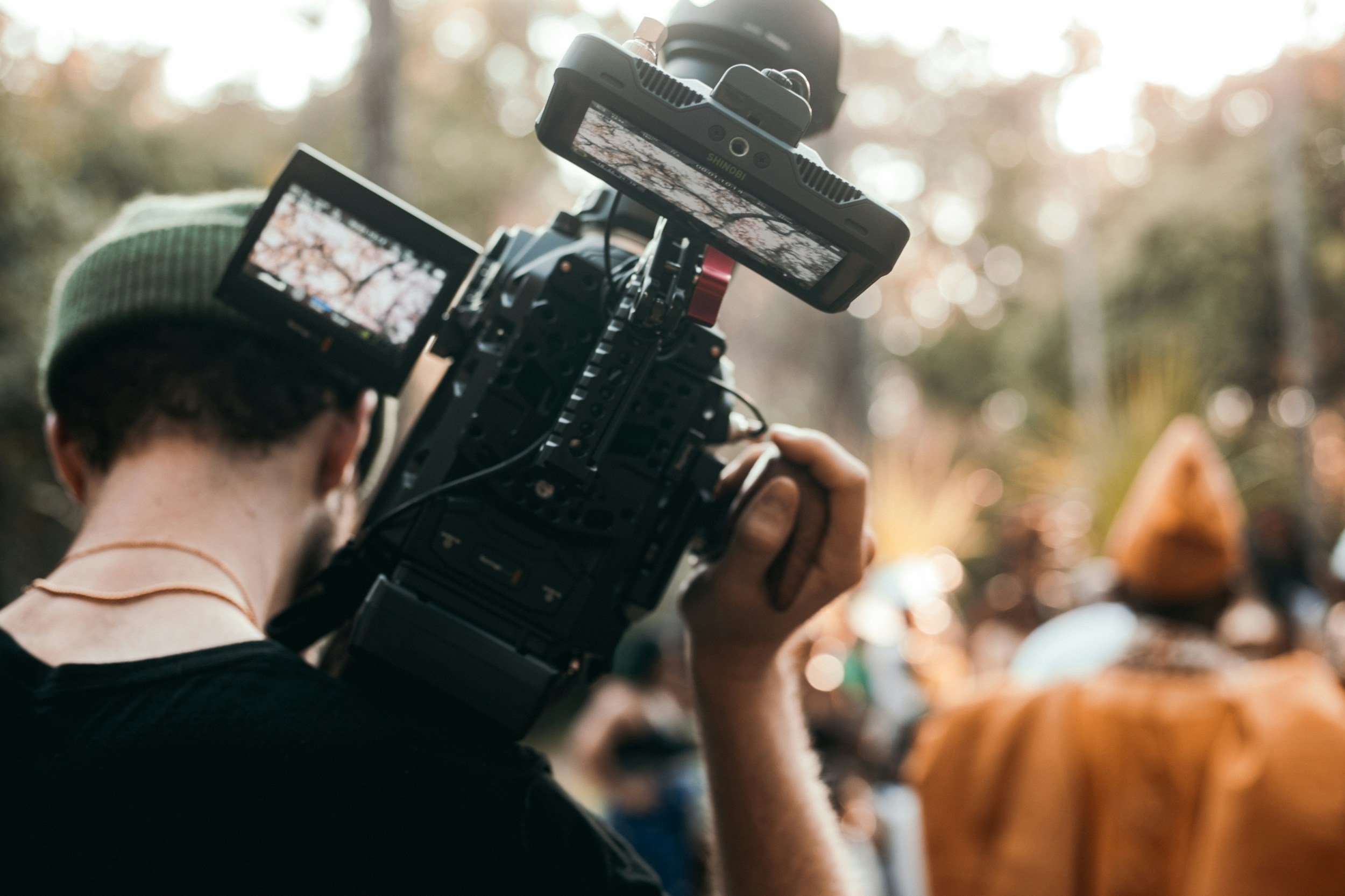
The production phase is the execution of the pre-production plan. Depending on the complexity of your project, this could range from a half-day shoot with a single camera operator to a multi-day production with a full crew.
Professional Crew Roles
In a standard marketing video production, you should expect to see several key players. The Director manages the creative performance and ensures the script’s intent is captured. The Director of Photography (DP) or Cinematographer is responsible for the look of the film, managing lighting, lens choices, and camera movement. Other vital roles include the Gaffer (lighting lead), Production Assistant (PA), and a dedicated Sound Recordist. High-quality audio is often more important than 8K resolution; viewers will forgive a slightly grainy image, but they will immediately tune out if the audio is thin or echoes.
Equipment Standards
By 2026, the standard for professional production has moved beyond just "4K." Expect agencies to utilize cinema-grade sensors (such as those from RED, Arri, or Sony’s FX line) that offer high dynamic range. Furthermore, expect the use of specialized stabilization tools like gimbals, drones for aerial perspectives, or even Virtual Production setups. Virtual production uses large LED volumes to create realistic digital environments, allowing for controlled lighting and weather conditions that traditional location shooting cannot provide.
On-Set Collaboration
As the client, you are often invited to the "Video Village"—an area on set where you can watch the live feed from the camera on a calibrated monitor. You should expect the agency to give you opportunities to provide feedback between takes. However, a professional production service will balance your input with the technical requirements of the shoot to ensure the project stays on schedule.
Post-Production: The Craft of Editing
Post-production is where the "story is told for the third time" (the first being the script, the second being the shoot). This phase is technical, iterative, and usually the longest part of the process.
The Assembly and Rough Cut
The editor begins by organizing hours of footage and selecting the best takes. The first version you see is the Rough Cut. This version focuses on the narrative flow and timing. It will likely lack finished graphics, color grading, or final sound mixes. You should expect this to feel "unfinished," as its purpose is to confirm the structural integrity of the video before the time-intensive polishing begins.
Color Grading and Visual Effects (VFX)
Once the "picture is locked" (meaning no more timing changes will be made), the video goes to color grading. This is where a colorist manipulates the shadows, highlights, and hues to create a specific "look" or "mood" that matches your brand identity. For example, a healthcare video might use a clean, high-key blue tint, while a luxury real-estate video might opt for warm, golden tones.
Sound Design and Mastering
Professional sound design involves more than just leveling the volume. It includes:
- Foley: Adding or enhancing realistic sound effects (footsteps, clicking buttons).
- Music Licensing: Ensuring the background track is legally cleared for commercial use.
- Voiceover (VO): Recording and cleaning up professional narration.
- Mixing: Balancing the VO, music, and ambient sounds so the message remains clear.
Understanding Service Tiers and Costs
Marketing video production costs vary wildly based on the scope, crew size, and required deliverables. Most agencies in 2026 offer tiered packages based on the complexity of the asset.
| Service Level | Est. Cost Range (2026) | Typical Timeline | Best Use Case |
|---|---|---|---|
| Social-First Content | $2,500 – $7,500 | 1–3 Weeks | TikTok/Reels, Short Ads, Internal Comms |
| Corporate/Explainer | $10,000 – $30,000 | 4–8 Weeks | Brand Story, Product Launch, Homepage Video |
| Premium/Cinematic | $50,000 – $150,000+ | 3–5 Months | TV Commercials (TVC), High-End Brand Films |
| Animated/Motion GFX | $5,000 – $25,000 | 4–10 Weeks | Technical Explainer, SaaS Product Walkthroughs |
Key Deliverables and Technical Specifications
When the project concludes, you should expect more than just a single MP4 file. Modern marketing requires a "campaign-ready" suite of assets.
- The Hero Film: The primary long-form version of the video (e.g., 90-120 seconds).
- Social Cuts: 15, 30, and 60-second versions optimized for specific platforms.
- Aspect Ratio Variations: 16:9 (Widescreen for YouTube/Web), 9:16 (Vertical for Mobile), and 1:1 (Square for Instagram/LinkedIn).
- SRT Files: Captions are mandatory for social media where videos often play on mute.
- Raw Footage (Optional): Some agencies allow you to purchase the raw files for an additional fee, though most retain the "Work-in-Progress" files unless negotiated otherwise.
Common Pitfalls and How to Avoid Them
Even with a professional agency, projects can go off the rails if expectations aren't managed.
- Scope Creep: Adding "one more small thing" during post-production can lead to additional fees and delayed deadlines. Ensure the initial contract clearly defines the number of revision rounds.
- Underestimating Pre-Production: Skipping the storyboard or script approval to "get to the fun part" (shooting) almost always results in a product that doesn't meet the marketing objectives.
- Licensing Issues: Always verify that your contract includes perpetual usage rights for music and talent. You do not want to receive a "cease and desist" or a copyright strike on your YouTube channel because a license expired after one year.
Frequently Asked Questions
How many rounds of revisions are typically included?
Standard marketing video production services usually include two rounds of revisions. The first round is for major structural changes to the rough cut, and the second is for minor tweaks to graphics, text, or color. Requests beyond this usually incur an hourly editing fee.
Who owns the rights to the final video?
In most professional agreements, the client owns the final, rendered video files once the final payment is made. However, the production company often retains the rights to use the video in their own portfolio or "sizzle reel" for self-promotion. It is important to clarify ownership of the raw footage and project files, as these are typically not included in a standard deliverable package.
How long does the average marketing video take to produce?
A standard high-quality corporate video takes between 6 to 10 weeks from discovery to final delivery. This includes two weeks for pre-production, 1-3 days for filming, and 4-6 weeks for editing, feedback loops, and final mastering.
What is the ROI of professional video production?
According to data from industry leaders like Wistia and HubSpot, video remains the highest-converting medium in digital marketing. In 2026, businesses using professional video report higher engagement rates and better brand recall compared to those using stock-heavy or low-production-value content.
Do I need to provide the script?
While you can provide a draft, most professional services offer creative writing and scripting as part of their package. They understand how to write "for the ear" and how to pace dialogue for visual impact, which is often different from writing for a blog or a whitepaper.
Practical Recommendation
When selecting a partner for marketing video production, prioritize their portfolio's relevance over their proximity to your office. In 2026, remote collaboration tools make it easy to work with specialists across the globe. Request a detailed line-item quote rather than a flat fee; this transparency allows you to see exactly where your budget is going—whether it's on a high-end camera package, specialized lighting, or a senior editor. Start by creating a clear list of your non-negotiable goals and a realistic budget range to ensure you find an agency that can deliver high-value results.
Image Gallery