Dealing with Breast Augmentation Results That Feel Too Small: Causes, Timing, and Solutions
Feeling that your breast augmentation results are too small is a common post-operative experience often referred to as "sizing regret." This perception frequently stems from the resolution of initial swelling, the natural "drop and flu...
Feeling that your breast augmentation results are too small is a common post-operative experience often referred to as "sizing regret." This perception frequently stems from the resolution of initial swelling, the natural "drop and fluff" process, or a psychological adjustment to the new body contour. Addressing this typically requires a revision surgery to exchange implants or perform fat grafting after full tissue recovery.
Contents
The journey toward breast augmentation is often paved with months of research, consultations, and anticipation. However, for a significant percentage of patients, the post-operative period brings an unexpected realization: the results do not look as large as they had envisioned. This phenomenon, colloquially known in the plastic surgery community as "boob greed," is rarely about a surgeon’s error and more often about the complex interplay between tissue dynamics, swelling, and patient expectations. As we navigate the clinical landscape of 2026, surgeons have better tools to predict sizes, yet the subjective experience of "feeling too small" remains one of the leading reasons for revision surgery.
Understanding the "Too Small" Phenomenon
When a patient feels their breast augmentation is too small, it is essential to distinguish between a technical under-sizing and the natural evolution of surgical results. During the first few days after surgery, the breasts often appear larger than they will eventually be. This is due to significant edema (swelling) and the fact that the pectoral muscles are tight, pushing the implants upward and outward.
As the weeks progress, several factors change the visual perception of size:
The Resolution of Edema
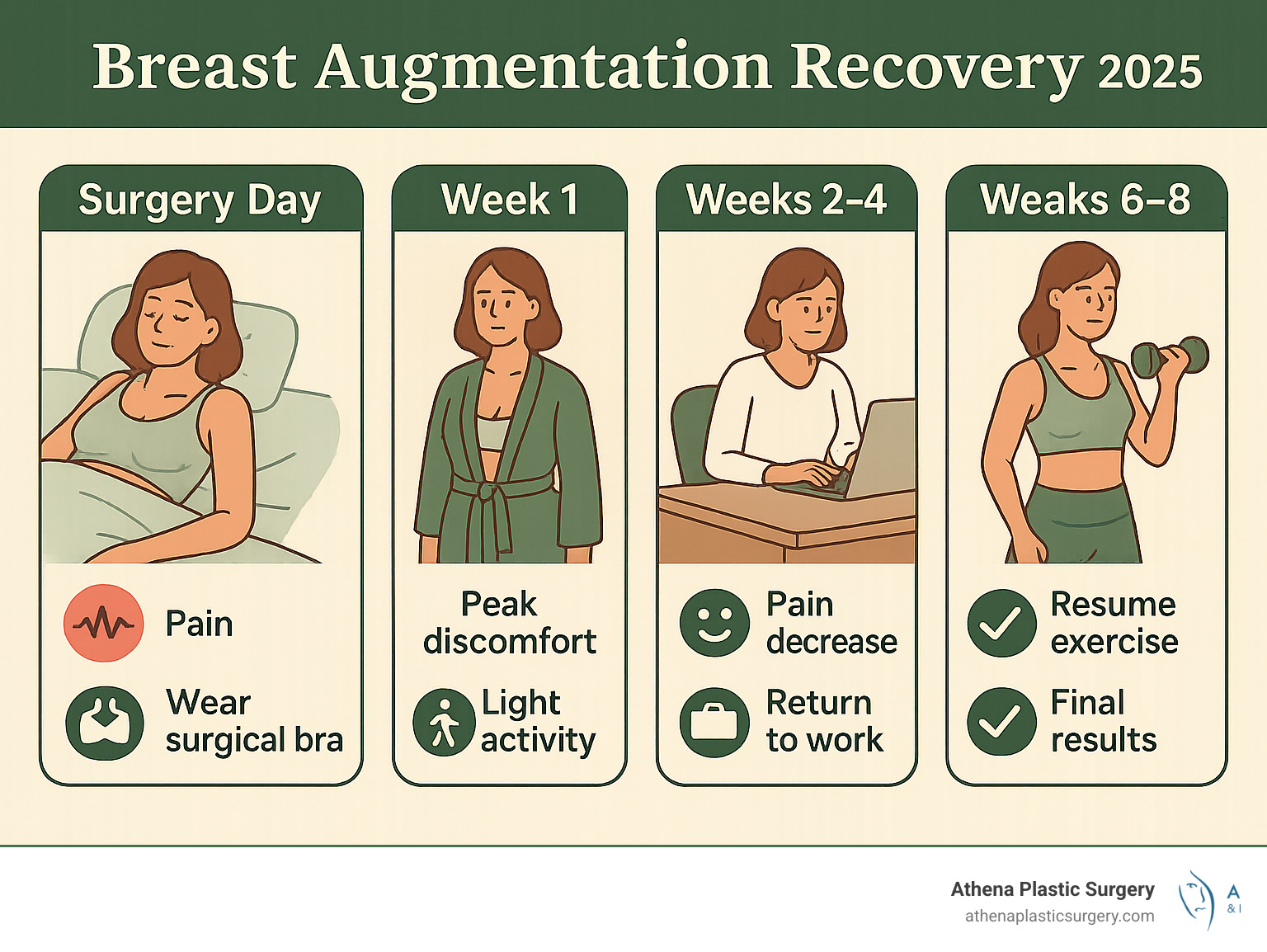
In the first 72 hours, the body’s inflammatory response is at its peak. As the lymphatic system begins to drain the excess fluid, the overall projection of the breast may decrease. By the six-week mark, most of the surgical swelling has subsided, which can lead a patient to feel they have "lost" size that they had grown accustomed to during the first week of recovery.
The "Drop and Fluff" Process
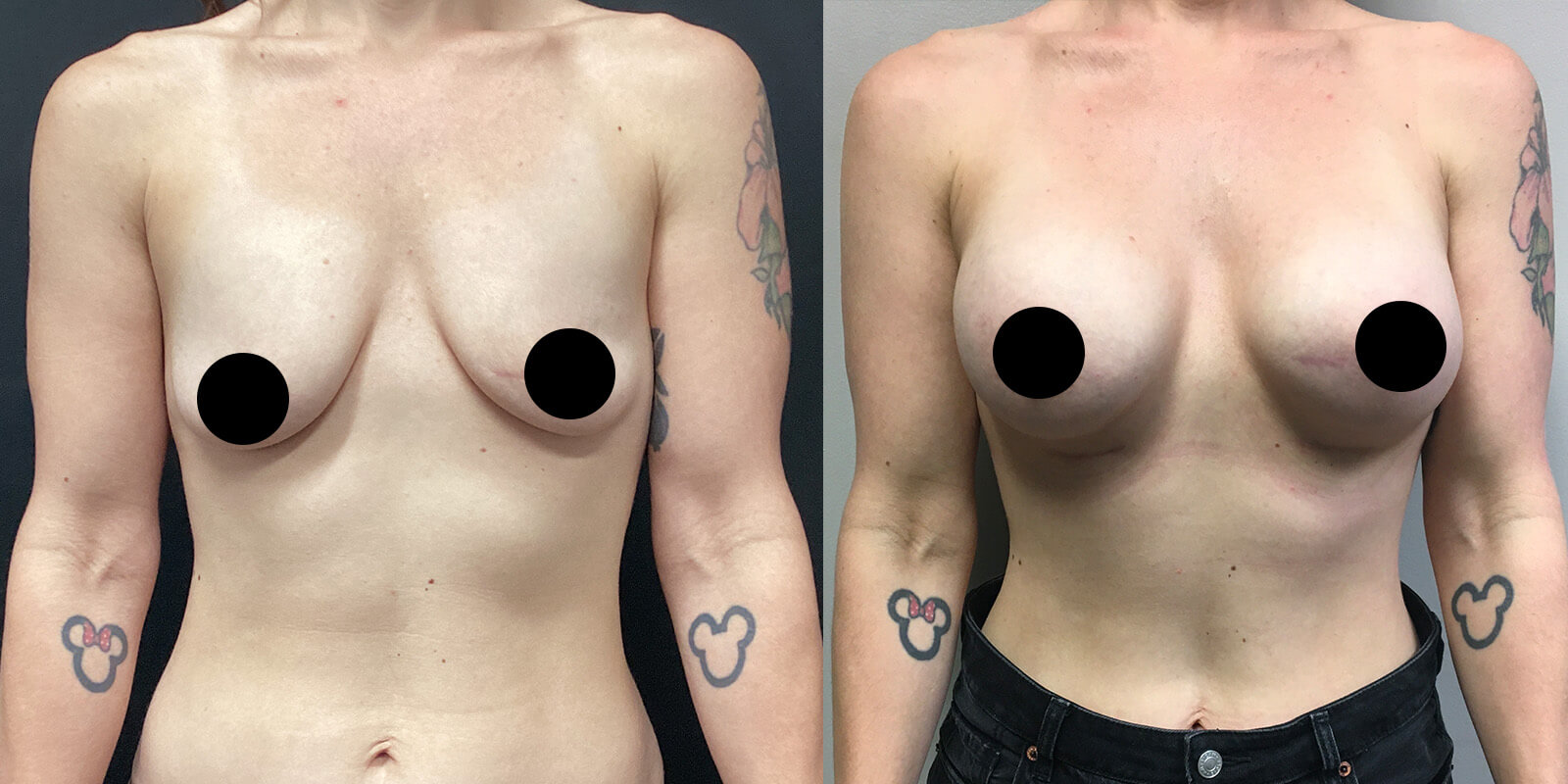
"Drop and fluff" is a non-technical term used to describe the phase where the breast implants settle into their final position. Initially, particularly with submuscular placement (implants placed behind the pectoral muscle), the implants sit high on the chest wall. As the muscle relaxes and the lower pole of the breast skin expands, the implant "drops" into the breast pocket and "fluffs" out, filling the bottom of the breast. While this creates a more natural shape, the loss of upper-pole fullness that was present during the high-riding phase can be misinterpreted as a loss of volume.
Visual Adaptation and "Sizing Regret"
The human brain is remarkably good at adapting to changes in physical appearance. After a few months, the "new" look becomes the "normal" look. This psychological adaptation often leads patients to feel that they could have gone larger without it looking unnatural. In 2026, preoperative 3D imaging (such as Crisalix or Vectra) has helped bridge this gap, but even the most advanced simulation cannot perfectly replicate the weight and presence of an implant in daily life.
Technical Factors Influencing Perceived Size
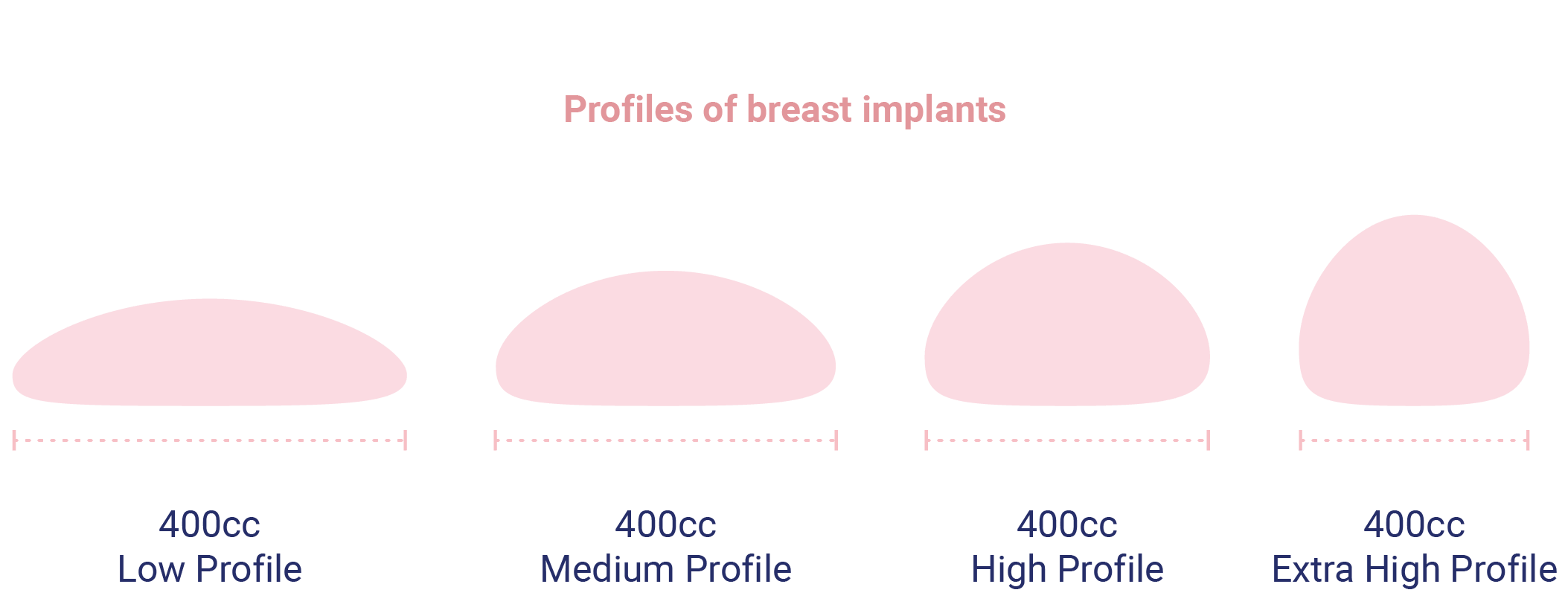
It is a common misconception that "CCs" (cubic centimeters) translate directly to bra cup sizes. A 300cc implant will look vastly different on a woman with a 28-inch ribcage than it will on a woman with a 34-inch ribcage. Several technical specifications determine how "large" an implant actually looks:
- Implant Profile: A "High Profile" implant has a narrower base and more forward projection. A "Low Profile" implant is wider and flatter. If a patient wanted significant projection but received a moderate or low profile, they may feel the results are too small, even if the volume (CCs) is high.
- Base Diameter: The width of the implant must fit within the existing breast tissue and chest wall dimensions. If a surgeon chooses a conservative diameter to avoid "synmastia" (the merging of breasts in the middle), the patient might feel the breasts lack the cleavage or side-fullness they desired.
- Soft Tissue Coverage: Patients with very little natural breast tissue may find that their implants look smaller because the skin is tight, compressing the implant. Conversely, those with more tissue may find the implant blends in so well that the change feels less dramatic.
Comparison of Primary vs. Revision Augmentation for Size Increase
If a patient decides that their implants are definitively too small, a secondary procedure (revision) is necessary. The table below outlines the key differences between the initial surgery and a revision aimed at increasing size.
| Feature | Primary Augmentation | Revision for Size Increase |
|---|---|---|
| Primary Goal | Establish initial volume and shape | Increase volume and adjust pocket |
| Surgical Complexity | Standard | Moderate to High (requires pocket modification) |
| Recovery Time | 1–2 weeks for most activities | 1–2 weeks (often less painful if the pocket exists) |
| Tissue Considerations | Pristine tissue | Potential scar tissue (capsule) management |
| Cost (Estimated 2026) | $6,000 – $10,000 | $8,000 – $15,000 (includes removal/replacement) |
| Risk Factors | Standard surgical risks | Increased risk of "bottoming out" or thinning tissue |
How Long Should You Wait?
The most critical advice for any patient feeling their breast augmentation is too small is to wait. Most board-certified plastic surgeons require a minimum waiting period of six months to one year before performing a revision for size.
The reasons for this delay are both biological and safety-oriented. First, the internal tissues need time to heal and soften. If a revision is performed too early while the tissue is still inflamed, the risk of complications such as capsular contracture (the hardening of the scar tissue around the implant) or infection increases significantly. Second, as mentioned, the "drop and fluff" process can take up to six months to complete. A breast that looks small at two months may look perfectly proportioned at six months once the implant has settled and the skin has relaxed.
Solutions for Increasing Breast Size
If, after the waiting period, the patient still feels the results are insufficient, there are two primary surgical paths:
1. Implant Exchange
This is the most common solution. The surgeon removes the existing implants and replaces them with larger ones. However, this is not as simple as just "putting in a bigger bag." The surgeon must often enlarge the "pocket" (the space where the implant sits) to accommodate the increased diameter. If the new implant is significantly heavier, the surgeon may also need to reinforce the internal structure of the breast with internal sutures or "acellular dermal matrix" (ADM) to prevent the implant from sagging or "bottoming out" over time.
2. Hybrid Breast Augmentation (Fat Grafting)
In 2026, many patients opt for a "hybrid" approach to correct minor sizing regrets. Instead of undergoing a full implant exchange, the surgeon performs liposuction on another area of the body (like the abdomen or thighs), processes the fat, and injects it into the breast around the existing implant. This is an excellent option for patients who want a modest increase in size, improved cleavage, or more "softness" at the edges of the implant without the risks associated with much larger, heavier implants.
Risks of Going Too Large
While the desire for larger breasts is valid, patients must weigh this against the long-term physical impacts. In the medical community, we recognize that "more" is not always "better." Excessively large implants can lead to:
- Tissue Thinning: The constant pressure of a heavy implant can thin out the natural breast tissue and skin, making the implant edges more visible (rippling).
- Back and Neck Pain: Significant increases in weight can cause chronic musculoskeletal issues.
- Ptosis (Sagging): Gravity acts more aggressively on larger masses. Over time, heavy implants can stretch the skin, leading to premature sagging that may eventually require a breast lift (mastopexy).
Frequently Asked Questions
Can I get a revision surgery if I am only three months post-op?
Generally, surgeons discourage revision surgery before the six-month mark. At three months, the tissues are still undergoing significant remodeling. Operating too early increases the risk of surgical complications and may result in an unsatisfactory outcome because the final shape of the first surgery hasn't been realized yet.
Will my surgeon charge me for a second surgery if I think they are too small?
In most cases, yes. If the surgeon delivered the size that was agreed upon during the preoperative consultations, a "re-do" for sizing is considered an elective secondary procedure. Patients are typically responsible for the surgeon’s fee, anesthesia, and operating room costs, although some surgeons may offer a reduced professional fee for existing patients.
Does "Boob Greed" ever go away?
"Boob greed" is often a temporary psychological state where the patient becomes accustomed to their new size and immediately desires more. For many, this feeling fades after 12 months as they integrate their new look into their self-image. If the feeling persists beyond a year, it is more likely a genuine preference for a larger volume rather than a fleeting impulse.
Is fat grafting better than getting a larger implant?
Fat grafting is "better" only if you seek a subtle increase (typically half a cup size) and want the added benefit of liposuction elsewhere. If you want a dramatic increase in size, fat grafting alone is rarely sufficient, as not all the transferred fat "takes" or survives the move.
Can the "drop and fluff" make breasts look bigger or smaller?
It usually makes the breasts look more natural and fuller at the bottom, which some patients perceive as "larger" in a bra but "smaller" in terms of upper-chest projection. The change is more about shape redistribution than a change in actual volume.
Final Recommendations
If you are currently experiencing dissatisfaction with the size of your breast augmentation, the first step is patience. Allow your body the full six months to heal and for the implants to settle into their final position.
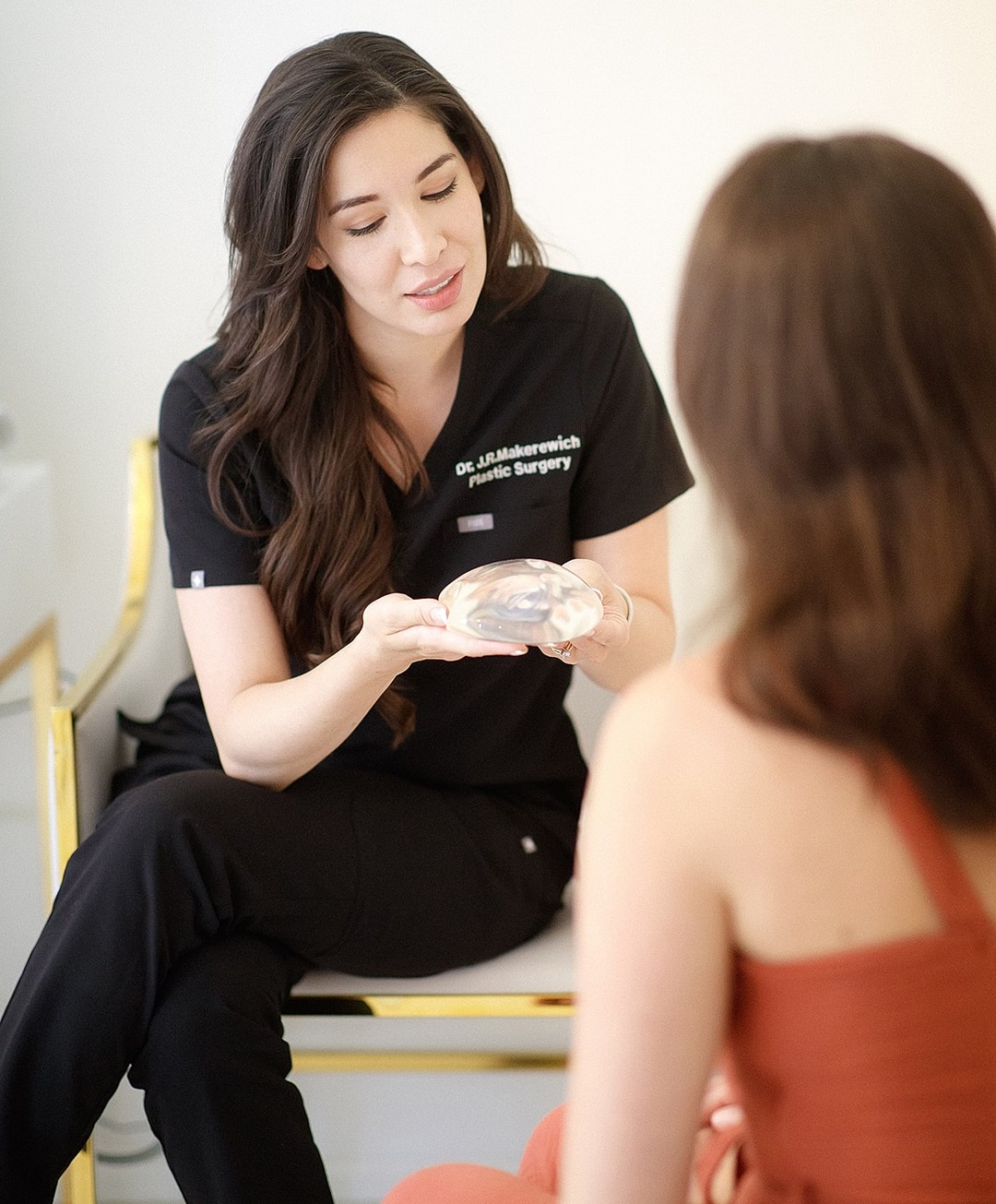
Maintain an open and honest dialogue with your plastic surgeon. Share your concerns at your follow-up appointments, and if possible, bring photos of your "goal look" to compare against your current results. If, after the healing period, you remain certain that a larger size is necessary for your confidence and body goals, ensure you choose a surgeon experienced in revisionary breast surgery, as managing the existing pocket and scar tissue requires a higher level of technical expertise than a primary augmentation.
Image Gallery