Comprehensive Guide to Oasis Pond Maintenance and Supply for 2026
Oasis pond maintenance and supply involves the systematic care of aquatic ecosystems through professional cleaning, filtration management, and the application of specialized water treatments. Maintaining a healthy pond in 2026 requires...
Oasis pond maintenance and supply involves the systematic care of aquatic ecosystems through professional cleaning, filtration management, and the application of specialized water treatments. Maintaining a healthy pond in 2026 requires balancing mechanical filtration, biological activity, and high-quality supplies to ensure water clarity and the health of aquatic life.
Contents
The Foundations of Oasis Pond Maintenance and Supply
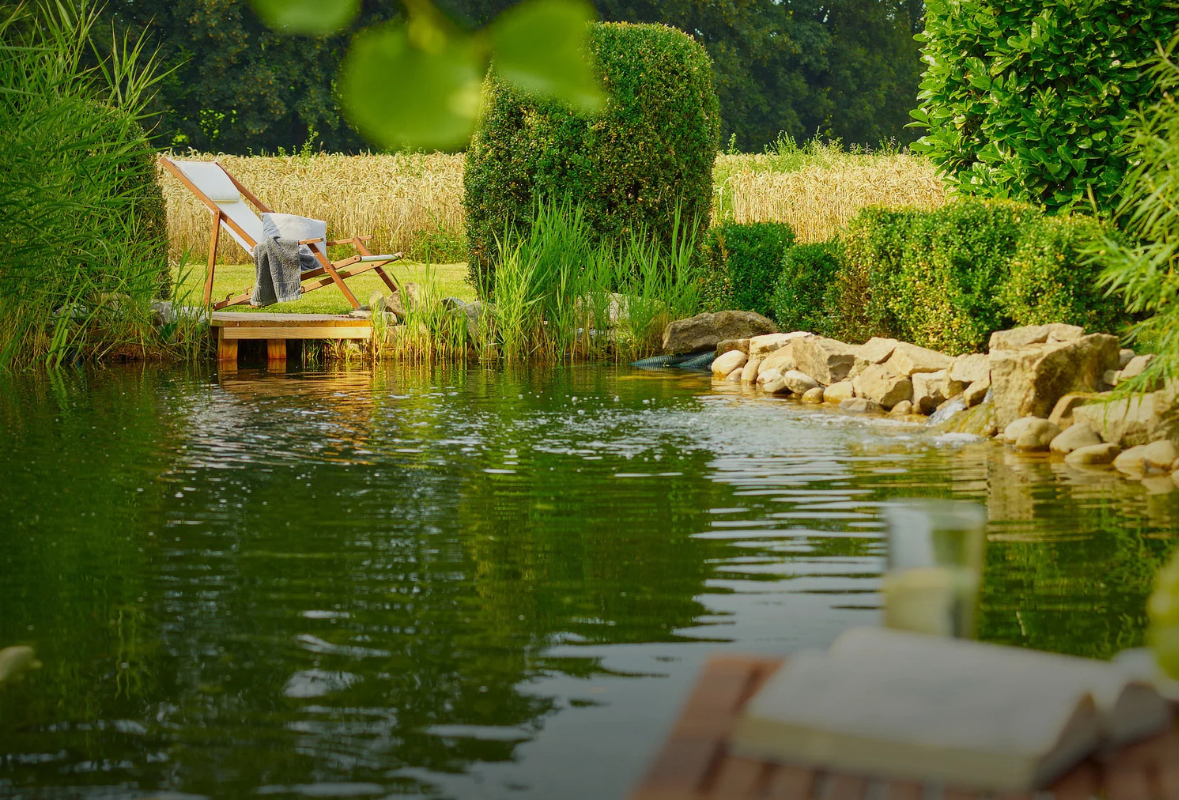
Creating and sustaining a water feature—whether it is a small backyard koi pond or a large commercial decorative lake—relies on the synergy between technical equipment and biological processes. The term "oasis" represents more than just a name; it signifies the goal of creating a self-sustaining, clear-water environment that provides a sanctuary for both wildlife and homeowners. In 2026, the industry has shifted toward more automated systems, but the fundamental biological principles remain unchanged.
The Nitrogen Cycle and Biological Balance
The cornerstone of any pond maintenance program is the nitrogen cycle. Fish waste, uneaten food, and decaying plant matter produce ammonia, which is highly toxic to aquatic life. Oasis pond maintenance strategies prioritize the establishment of beneficial bacteria colonies within biological filters. These bacteria convert ammonia into nitrites, and subsequently into nitrates, which are then absorbed by aquatic plants.
Without consistent maintenance and the right supplies—such as high-surface-area bio-media—this cycle can collapse, leading to "new pond syndrome" or sudden fish loss. For 2026, many professionals recommend specialized bacterial inoculants that are more resilient to temperature fluctuations than traditional strains used in previous decades.
Mechanical vs. Biological Filtration
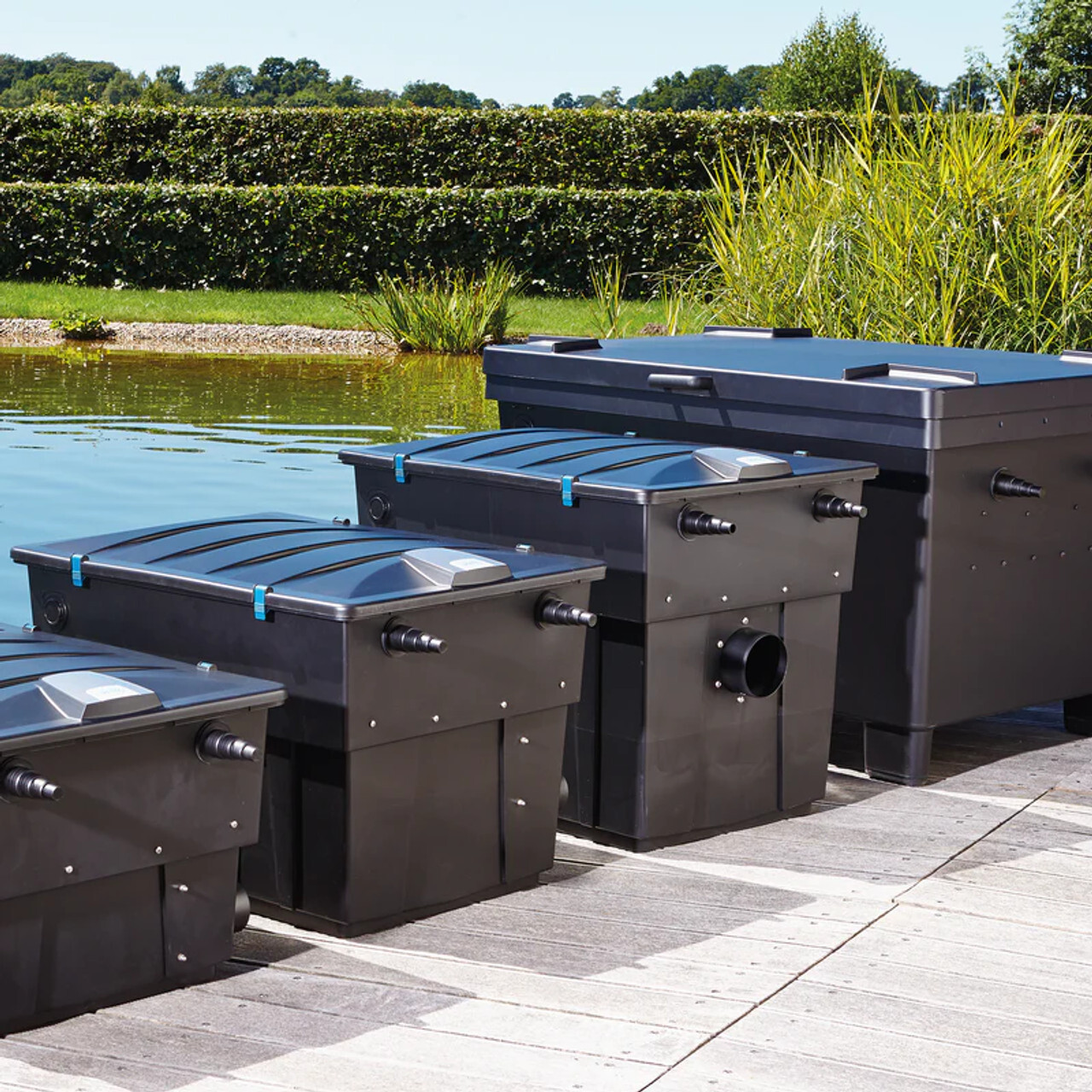
A robust pond system requires two types of filtration. Mechanical filtration removes physical debris like leaves, twigs, and floating particles. This is typically achieved through skimmers and pre-filters. Biological filtration, however, is where the "work" of cleaning the water happens at a molecular level.
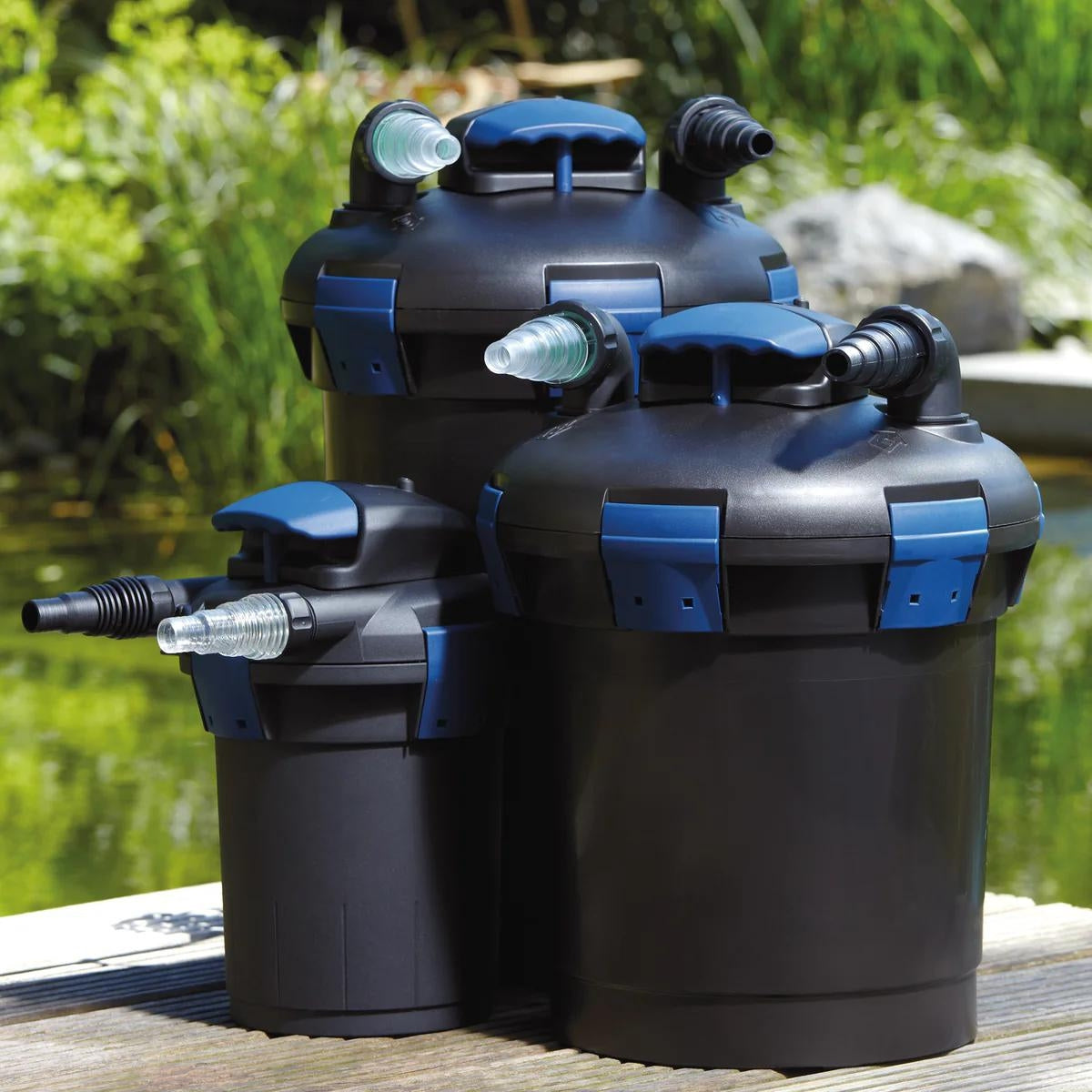
Choosing the right supply of filter pads and media is critical. High-density foam or poly-fiber mats are standard for mechanical stages, while porous ceramic rings or plastic "Kaldnes" style media are preferred for biological stages. In 2026, we see a higher adoption of multi-stage "all-in-one" pressurized filters for smaller ponds, which combine these functions into a single, easily maintained canister.
Essential Pond Supplies for 2026
To maintain a pristine oasis, specific equipment and consumables are required. The quality of these supplies directly impacts the longevity of the pond's ecosystem and the frequency of required maintenance.
High-Efficiency Pumps
Pumps are the heart of the pond. In 2026, variable-speed pumps have become the standard for professional oasis pond maintenance. These units allow owners to adjust the flow rate based on the season. During the summer, high flow is necessary for maximum oxygenation, while in the winter, a lower flow rate saves energy and prevents excessive cooling of the water's lower depths where fish hibernate.
UV-C Clarifiers and Sterilizers
Green water is one of the most common complaints among pond owners. Ultraviolet (UV-C) clarifiers work by exposing suspended algae cells to high-intensity UV light, which damages their DNA and causes them to clump together (flocculate). These clumps are then large enough to be trapped by the mechanical filter. When sourcing supplies, it is vital to ensure the UV bulb is replaced annually, as the effective radiation output drops significantly after approximately 9,000 hours of use.
Water Treatments and Conditioners
Maintaining an oasis requires more than just hardware; it requires a chemical balance. Essential supplies include:
- Dechlorinators: Necessary for neutralizing chlorine and chloramines in tap water during refills.
- Beneficial Bacteria: Regular dosing helps maintain the nitrogen cycle.
- Flocculants: These help clear "milky" or cloudy water by binding fine particles together.
- Phosphate Removers: High phosphate levels contribute to string algae growth; controlling them is a proactive maintenance step.
| Equipment/Supply | Primary Function | Maintenance Frequency | 2026 Estimated Cost (USD) |
|---|---|---|---|
| Variable Speed Pump | Circulation & Oxygenation | Inspect monthly; deep clean annually | $400 – $950 |
| Pressurized Filter | Mechanical & Bio Filtration | Backwash every 1–2 weeks | $250 – $700 |
| UV-C Clarifier | Algae control (Green water) | Replace bulb every 12 months | $150 – $450 |
| Surface Skimmer | Debris removal | Empty basket every 2–4 days | $200 – $550 |
| Aeration Kit | Dissolved oxygen levels | Check membranes every 6 months | $100 – $300 |
Seasonal Maintenance Schedule for 2026
A proactive approach to pond care follows the calendar. Each season presents unique challenges to the "oasis" environment, requiring specific supplies and actions.
Spring: The Awakening
Spring is the most critical time for pond maintenance. As water temperatures rise above 50°F (10°C), the biological filter begins to wake up, but it is often slower to react than the algae.
- Full Clean-out: Many owners opt for a partial water change (25-50%) and a removal of accumulated "muck" or sludge from the bottom.
- Equipment Check: Reinstall pumps and UV clarifiers that may have been stored for winter.
- Water Testing: Use a comprehensive test kit to check ammonia and nitrite levels as the nitrogen cycle restarts.
Summer: Peak Performance
During the heat of 2026’s summer months, oxygen levels in the water naturally drop.
- Oxygenation: Ensure waterfalls are running at full capacity or add supplemental aeration.
- Feeding: Fish are most active now; use high-protein growth food, but be careful not to overfeed, as this adds excess nutrients to the water.
- Plant Care: Prune aquatic lilies and marginal plants to prevent rotting foliage from polluting the water.
Autumn: Protection and Preparation
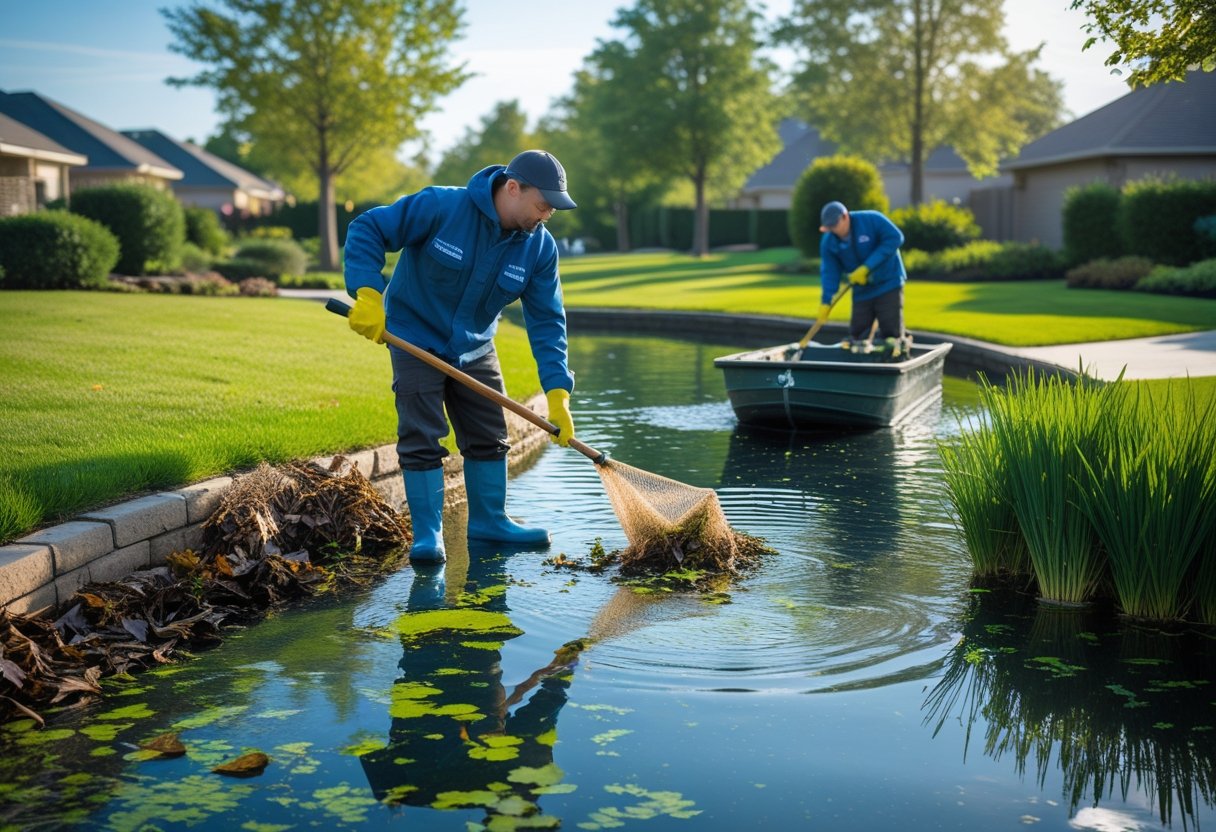
As leaves fall, the primary goal is to prevent organic matter from entering the pond.
- Netting: Install fine-mesh netting over the surface to catch falling debris.
- Switching Food: Transition to a wheat-germ-based cold-weather food as temperatures drop, which is easier for fish to digest.
- Sludge Treatment: Apply "cold water" bacterial treatments designed to break down organic waste in lower temperatures.
Winter: Dormancy
In colder climates, the goal is to keep a hole in the ice for gas exchange.
- De-icers: Use a floating heater or a powerful aerator near the surface. Never smash the ice, as the shockwaves can harm or kill fish.
- Pump Management: Either move the pump to a shallower shelf or turn it off if there is a risk of the plumbing freezing.
Water Quality Management and Testing
Professional oasis pond maintenance relies heavily on data. Relying on visual clarity alone is a mistake; "clear" water can still be chemically toxic. In 2026, digital testers have become more affordable, providing instant readings for several key parameters.
pH and Alkalinity (KH)
pH measures the acidity or alkalinity of the water. Ideally, a pond should stay between 7.0 and 8.5. However, the stability of the pH is more important than the specific number. Alkalinity, or Carbonate Hardness (KH), acts as a buffer for pH. If KH is too low, the pH can "crash," which is fatal for fish and beneficial bacteria. Oasis supplies often include calcium carbonate or specialized KH buffers to prevent these fluctuations.
Ammonia, Nitrites, and Nitrates
These are the three markers of the nitrogen cycle. In a healthy, well-maintained pond:
- Ammonia: Should be 0 ppm.
- Nitrite: Should be 0 ppm.
- Nitrate: Ideally below 40 ppm (controlled through water changes and plants).
If ammonia or nitrites are detected, it indicates a failure in the biological filtration or an overstocked pond. Immediate actions include reducing feeding, performing a water change, and adding concentrated nitrifying bacteria.
Professional Maintenance vs. DIY
While many homeowners enjoy the hands-on aspect of pond care, professional oasis pond maintenance services offer several advantages.
Professional Services Include:
- Specialized Equipment: High-powered industrial vacuums that remove sludge without requiring a full pond drain.
- Expert Diagnosis: Identifying fish diseases (such as Ich or Fin Rot) before they become an epidemic.
- Structural Audits: Checking liners for leaks and inspecting electrical components for safety.
The DIY Approach: For those choosing to manage their own supply and maintenance, the key is consistency. Small, weekly tasks are significantly easier and cheaper than attempting to fix a neglected, "soupy" pond once it has reached a tipping point. Investing in high-quality Oasis-grade supplies upfront—such as EPDM rubber liners instead of cheap PVC—saves thousands of dollars in long-term repairs.
Common Challenges and Troubleshooting
Dealing with Persistent Algae
If your UV clarifier is working but you still have "string algae" on rocks, the issue is likely excess nutrients (nitrates and phosphates). Reducing fish population, adding more submerged oxygenating plants, and ensuring no lawn fertilizer is leaching into the pond are the best long-term solutions.
Leak Detection
If the water level drops suddenly, first check the "low spots" around the waterfall or stream where water might be splashing out. If the leak is in the main basin, allow the water to drop until it stops; the leak will be located at that new waterline.
Fish Health in 2026
With shifting climate patterns, fish are experiencing longer active seasons. This means maintenance must be extended further into the autumn. Watch for lethargy or "flashing" (fish rubbing against rocks), which are signs of parasites that may require specific medicinal supplies like Praziquantel or Malachite Green.
FAQ
How often should I clean my pond filter? Mechanical filters (skimmer baskets and pads) should be checked and rinsed weekly. Biological filters should only be rinsed using pond water (not tap water) when they become physically clogged, usually once or twice a season. Rinsing bio-media with chlorinated tap water will kill the beneficial bacteria.
Why is my pond water green even with a filter? Green water is caused by single-celled algae. A standard mechanical filter cannot catch these tiny particles. You likely need a UV-C clarifier or more aquatic plants to compete with the algae for nutrients.
Is it safe to use tap water to top off my pond? Only if you use a dechlorinator. Municipal water contains chlorine or chloramines to kill bacteria. If added directly to a pond, these chemicals will kill your beneficial filter bacteria and damage the gills of your fish.
How many fish can I have in my pond? A general rule of thumb for 2026 standards is one inch of fish per 10 gallons of water for goldfish, but Koi require much more space—roughly 250 to 500 gallons per adult fish—due to their waste production and size.
How do I stop my pond from smelling? Foul odors (usually like rotten eggs) are caused by anaerobic bacteria breaking down organic muck in an environment with no oxygen. Increasing aeration and removing sludge from the bottom with a pond vacuum will eliminate the smell.
Practical Recommendation
For the best results in 2026, focus on prevention over cure. Establish a weekly routine of emptying skimmers and checking water levels. Purchase a high-quality digital water testing kit and log your results monthly to catch trends before they become crises. If you are designing a new feature, prioritize an oversized filtration system; it is far easier to maintain a pond that is "over-filtered" than one struggling to keep up with its biological load.
Image Gallery