The Comprehensive Guide to the 12 Ounce Cup of Coffee
A 12-ounce cup of coffee, frequently designated as a "Tall" in specialty chains or a "Medium" in traditional diners, contains approximately 355 milliliters of liquid. This size is considered the industry standard for a single serving,...
A 12-ounce cup of coffee, frequently designated as a "Tall" in specialty chains or a "Medium" in traditional diners, contains approximately 355 milliliters of liquid. This size is considered the industry standard for a single serving, balancing caffeine delivery with volume. To brew it perfectly, one typically requires 20 to 23 grams of coffee grounds, depending on the desired strength and extraction method.
Contents
Understanding the Volume: Why 12 Ounces?
In the landscape of beverage consumption in 2026, the 12-ounce measurement remains a cornerstone of the coffee industry. While the culinary "cup" is technically 8 fluid ounces, the coffee world has long operated on its own set of standards. Many home coffee makers define a "cup" as 5 or 6 ounces, leading to frequent confusion among consumers when following brewing instructions. The 12-ounce serving emerged as a popular commercial standard because it matches the volume of a standard aluminum soda can, making it a familiar hand-feel for the average consumer.
In metric-dominant regions, this volume translates to roughly 355ml. This specific capacity is ideal for a variety of preparations. It is large enough to accommodate a double shot of espresso with a significant amount of steamed milk (as in a latte or cappuccino) but small enough that a standard drip brew remains hot until the final sip. Understanding this volume is the first step in mastering the chemistry of extraction and the physics of thermal retention.
The Chemistry of the Perfect 12 Ounce Brew
Brewing a 12-ounce cup of coffee is not merely about filling a mug to the brim; it is about the precise ratio of solubles to solvent. To achieve a balanced flavor profile—avoiding the sourness of under-extraction or the bitterness of over-extraction—brewers must adhere to specific measurements.
The Golden Ratio
The Specialty Coffee Association (SCA) suggests a "Golden Ratio" of 1:15 to 1:18. This means for every 1 gram of coffee, you use 15 to 18 grams of water. For a 12-ounce cup (which weighs approximately 340 to 355 grams, depending on temperature and density), the math breaks down as follows:
- 1:15 Ratio (Strong): Approximately 23-24 grams of coffee. This is ideal for those who add cream or prefer a bold, syrupy mouthfeel.
- 1:17 Ratio (Standard): Approximately 20-21 grams of coffee. This is generally considered the "sweet spot" for pour-overs and automatic drip machines.
- 1:18 Ratio (Light): Approximately 19 grams of coffee. This allows the delicate floral and fruity notes of high-altitude beans to shine through without being overwhelmed by body.
Grind Size and Surface Area
The grind size for a 12-ounce brew depends heavily on the contact time. Because 12 ounces is a relatively small volume, the water passes through the grounds fairly quickly in a pour-over setup (usually 2.5 to 3 minutes). Therefore, a medium-fine grind—resembling the texture of table salt—is typically recommended. If the grind is too coarse, the water will rush through, leaving the flavors behind. If it is too fine, the water will stall, resulting in a muddy, bitter cup.
Caffeine Content and Physiological Impact
As of 2026, health guidelines continue to emphasize the importance of monitoring caffeine intake. A standard 12-ounce cup of brewed coffee contains between 140 and 180 milligrams of caffeine. However, this number is subject to significant variation based on the bean species and the roasting process.
Robusta vs. Arabica
Arabica beans, which make up the majority of the specialty market, generally contain about 1.2% to 1.5% caffeine. In contrast, Robusta beans contain nearly double that amount, ranging from 2.2% to 2.7%. If your 12-ounce cup is a blend containing Robusta, your caffeine intake could easily exceed 250mg in a single serving.
The Roast Myth
There is a common misconception that dark roast coffee has more caffeine because of its intense flavor. In reality, the roasting process causes beans to lose mass and puff up. If you measure your 12-ounce cup's coffee by volume (scoops), a dark roast may actually have less caffeine because the beans are larger and less dense. However, if you measure by weight (grams), a dark roast may have slightly more caffeine because you are using more individual beans to reach the target weight.
Metabolism and Half-Life
For the average adult, the half-life of caffeine is approximately five to six hours. Consuming a 12-ounce cup at 8:00 AM means that by 2:00 PM, roughly 70-90mg of caffeine is still circulating in your system. Understanding this helps consumers manage their "caffeine tail" to ensure it does not interfere with sleep cycles, a growing concern in modern wellness circles.
Nutritional Profiles: Black vs. Modified
In its purest form, a 12-ounce cup of black coffee is virtually calorie-free, containing roughly 2 to 5 calories. It also provides trace amounts of potassium, magnesium, and niacin. However, the nutritional landscape shifts dramatically once additives are introduced.
| Additive Type | Amount | Additional Calories | Fat (g) | Sugar (g) |
|---|---|---|---|---|
| Whole Milk | 2 oz (60ml) | 38 | 2 | 3 |
| Oat Milk (Barista) | 2 oz (60ml) | 45 | 2.5 | 4 |
| Heavy Cream | 1 oz (30ml) | 100 | 11 | 1 |
| Granulated Sugar | 1 tsp (4g) | 16 | 0 | 4 |
| Vanilla Syrup | 2 pumps | 40 | 0 | 10 |
For those monitoring their glycemic index or caloric intake, a 12-ounce latte can range from 120 calories (skim milk) to over 300 calories (flavored mocha with whole milk). In 2026, many consumers have shifted toward functional additives like collagen peptides or MCT oil, which further alter the metabolic impact of the beverage.
Comparative Analysis: 12 oz vs. Other Standard Sizes
To understand where the 12-ounce cup fits into the broader coffee culture, it is helpful to compare it against other common sizes found in both commercial and home settings.
| Feature | 8 oz (Small/Short) | 12 oz (Medium/Tall) | 16 oz (Large/Grande) |
|---|---|---|---|
| Common Use | Flat Whites, Cortados | Standard Drip, Lattes | Iced Coffee, Americanos |
| Coffee Weight | 13-15g | 20-23g | 27-30g |
| Caffeine Avg. | 90-110mg | 140-180mg | 200-240mg |
| Ideal Extraction | 2:00 - 2:30 min | 2:30 - 3:30 min | 3:30 - 4:30 min |
| Portability | High (Fits all cup holders) | High | Moderate (Top-heavy) |
The 12-ounce size is often cited as the "efficiency peak." It provides enough volume to satisfy the ritual of drinking coffee over a 20-minute period while maintaining a high enough thermal mass to stay warm without requiring an insulated sleeve for the first ten minutes.
Vessel Material and Thermal Dynamics
The container holding your 12 ounces of coffee significantly impacts the sensory experience. As we look at the standards of 2026, material science has provided several options that affect flavor and temperature.
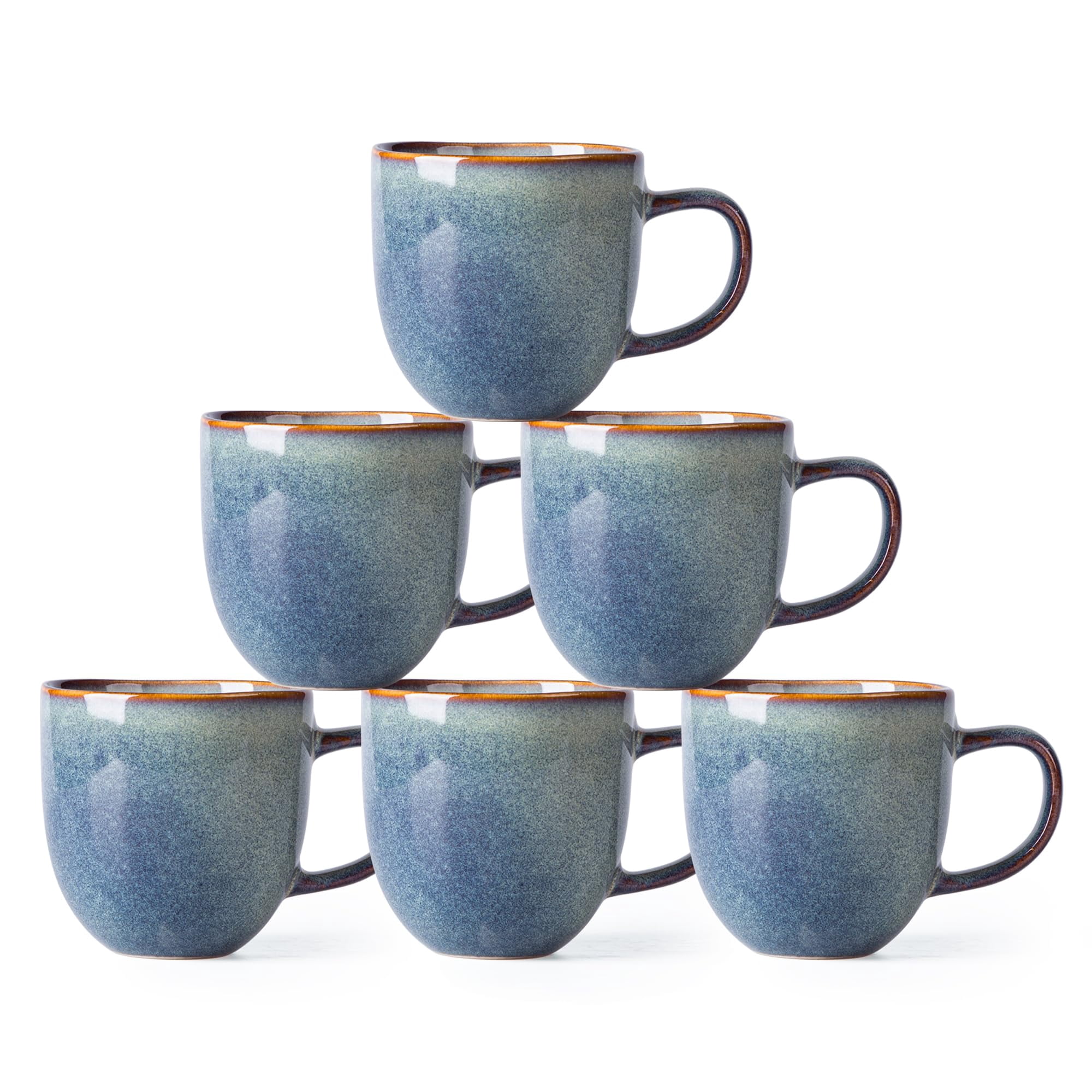
- Ceramic: The classic choice. Ceramic is chemically inert, meaning it won't impart any metallic or plastic flavors to the coffee. However, unless pre-heated, a ceramic mug will immediately leach heat from the coffee, dropping the temperature of a 12-ounce pour by as much as 10 degrees Fahrenheit instantly.
- Stainless Steel (Vacuum Insulated): These are the gold standard for commuters. A high-quality 12-ounce insulated tumbler can keep coffee at an optimal drinking temperature (130°F to 145°F) for up to six hours. The drawback is that stainless steel can sometimes develop a "stale" odor if the lid is not cleaned meticulously.
- Borosilicate Glass: Often used in double-walled mugs, glass provides a visual appreciation of the coffee’s clarity and crema. Like ceramic, it is inert, but it is more fragile and loses heat faster than vacuum-insulated steel.
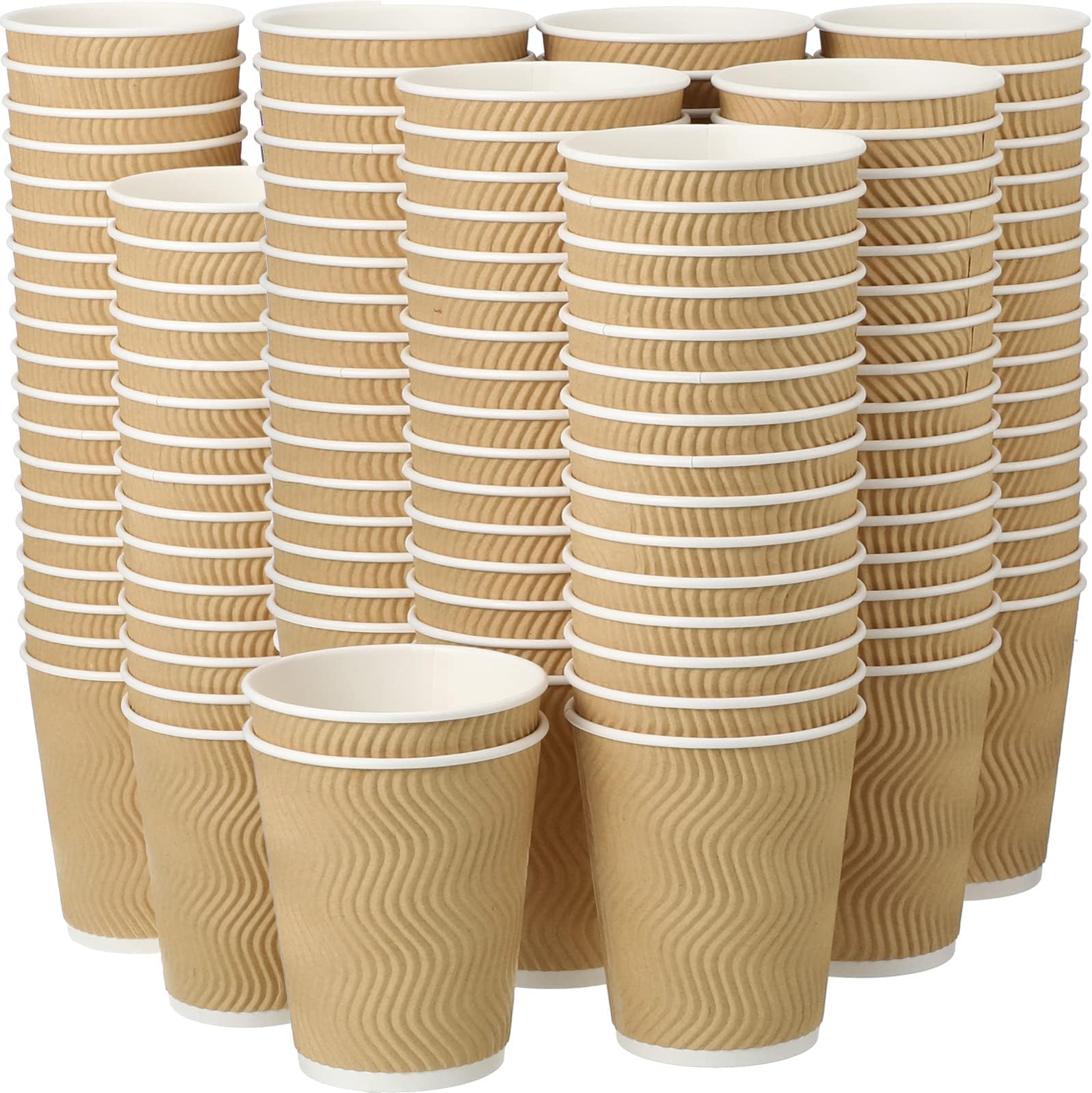
- Paper (Disposable): Despite sustainability efforts, paper cups remain common. In 2026, many are lined with PLA (polylactic acid) rather than traditional polyethylene to improve compostability. However, paper can subtly alter the taste profile, often adding a "woody" note to lighter roasts.
Common Mistakes When Brewing 12 Ounces
Even with the right measurements, several variables can derail the quality of a 12-ounce cup.
- Using Boiling Water: Pouring water at a rolling boil (212°F / 100°C) onto coffee grounds can "scorch" the coffee, highlighting bitter carbon notes. The ideal temperature for 12 ounces of brewed coffee is 195°F to 205°F.
- Ignoring Water Quality: Since coffee is 98-99% water, using tap water with high mineral content or chlorine will mask the bean's natural acidity. Filtered or "third-wave" water with a specific magnesium and calcium balance is recommended for the best results.
- Poor Agitation: When brewing a 12-ounce pour-over, failing to stir or "bloom" the grounds can lead to dry pockets. This results in uneven extraction, where some grounds are over-extracted and others are barely touched by water.
- Stale Beans: Coffee reaches its peak flavor 7 to 21 days after roasting. Using beans that have sat in a hopper for months will result in a flat, cardboard-like flavor, regardless of how precise your 12-ounce measurements are.
Frequently Asked Questions
Is a 12-ounce cup of coffee too much caffeine for one day?
For most healthy adults, the FDA suggests a limit of 400 milligrams of caffeine per day. A 12-ounce cup contains roughly 140-180mg, which is about 40% of the daily recommended limit. Consuming two 12-ounce cups is generally considered safe, but a third could lead to jitteriness or sleep disruption for caffeine-sensitive individuals.
How many scoops of coffee do I need for 12 ounces?
While weight is more accurate, a general rule of thumb is to use two level tablespoons (approximately 10-12 grams) for every 6 ounces of water. Therefore, for a 12-ounce cup, you should use roughly four level tablespoons of ground coffee.
Does a 12-ounce latte have more caffeine than 12 ounces of black coffee?
Actually, a 12-ounce latte often has less caffeine. A standard 12-ounce latte usually contains two shots of espresso, totaling approximately 120-150mg of caffeine. A 12-ounce cup of drip coffee can easily reach 180mg because the longer contact time between water and grounds extracts more caffeine.
Why does my 12-ounce coffee taste different at home than at a coffee shop?
Professional shops use commercial grinders that produce highly uniform particles, which ensures even extraction. Additionally, their water filtration systems are specifically calibrated for coffee. At home, blade grinders or unfiltered tap water can significantly alter the flavor profile of the same 12-ounce serving.
Can I brew exactly 12 ounces in an AeroPress?
A standard AeroPress chamber holds about 8 to 10 ounces of liquid. To make a 12-ounce cup, most users brew a concentrated "base" using the AeroPress and then dilute it with 2 to 4 ounces of hot water (the bypass method) to reach the 12-ounce mark without over-extracting the grounds.
Recommendation for the Optimal Experience
To achieve the best possible 12-ounce cup of coffee in 2026, invest in a digital scale and a burr grinder. Measuring your coffee by weight (21g for 355g of water) ensures consistency that volume-based measurements simply cannot match. For those who prioritize flavor, a pour-over method like the Hario V60 or Chemex allows for the most control over the variables of temperature and agitation, resulting in a clean, vibrant cup that highlights the unique characteristics of the bean's origin.
Image Gallery