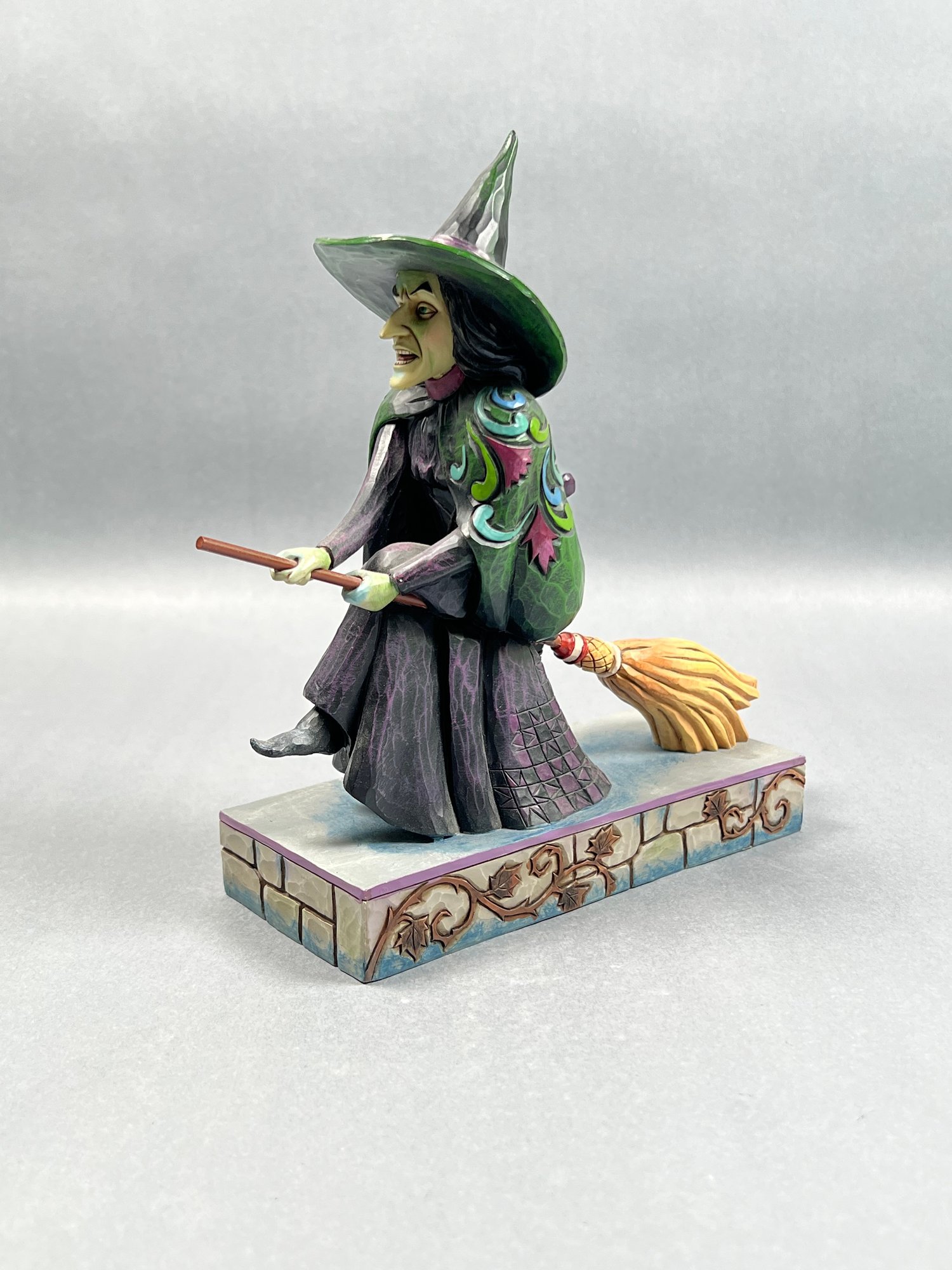
What the Wicked Witch Hat Auction Means for Collectors of Screen-Used Memorabilia
The auction of the iconic Wicked Witch of the West’s hat from the 1939 film The Wizard of Oz represents a watershed moment for film memorabilia collectors, signaling a shift toward the professionalization of provenance and the valuatio...
The auction of the iconic Wicked Witch of the West’s hat from the 1939 film The Wizard of Oz represents a watershed moment for film memorabilia collectors, signaling a shift toward the professionalization of provenance and the valuation of "hero" items. For serious collectors, this sale provides a critical benchmark for how historical cinema artifacts are authenticated, insured, and appraised in an increasingly institutionalized market.
Contents
Defining the Significance of the Wicked Witch Hat
To understand the gravity of the Wicked Witch hat auction, one must first recognize its status as a "hero" prop. In the world of motion picture collecting, a hero prop is an item used in close-up shots, designed with high detail for the primary actors, as opposed to "stunt" props which are often mass-produced or made of softer, less durable materials.
For collectors, the hat is more than a piece of black felt; it is an artifact of cinematic history. Margaret Hamilton’s portrayal of the Wicked Witch is arguably one of the most recognizable performances in the history of cinema. Owning the actual headwear worn by Hamilton signifies ownership of a tangible link to the Golden Age of Hollywood. Auctions of such caliber shift the focus of the hobby from casual accumulation to the curation of high-value cultural assets.
The Evolution of Provenance and Authentication
The primary concern for any collector participating in high-stakes auctions is the "chain of custody." As items transition from studio storage to private collections, documentation often degrades. The Wicked Witch hat auction serves as a case study in why meticulous record-keeping is the lifeblood of the memorabilia market.
During the mid-20th century, studio auctions—most notably the 1970 MGM auction—dispersed thousands of props with little regard for modern archival standards. Today, a collector cannot rely on a "certificate of authenticity" (COA) issued by a third-party seller alone. Instead, professional collectors now look for:
- Production Stills: Photographic evidence matching the wear patterns, specific folds, or physical imperfections of the hat against scenes in the film.
- Internal Markings: Studio stamps, actor wardrobe tags, or tailor signatures that confirm the item was handled by the costume department.
- Documented History: A clear, uninterrupted line of ownership, often supported by receipts from the 1970 MGM estate sale or subsequent high-profile galleries.
Market Dynamics: Investment vs. Passion
The auction of such a high-profile item brings into focus the tension between private collectors who buy out of nostalgia and institutional investors who view props as tangible assets. As of 2026, the market for screen-used items has matured significantly. Collectors are no longer just bidding against other fans; they are bidding against private museums, cultural heritage institutions, and wealth management portfolios that diversify through alternative assets.
| Factor | Historic Market Approach | Modern Professional Approach |
|---|---|---|
| Authentication | Verbal hearsay / Simple COAs | Forensic analysis / Archival records |
| Valuation | Emotional impulse bidding | Comparative asset modeling |
| Storage | Display cases / Open shelves | Climate-controlled archival storage |
| Primary Goal | Personal display | Preservation and asset appreciation |
The Role of Preservation and Conservation
Owning a piece of 1939 costume history is a liability as much as an asset. The materials used in the 1930s—typically wool felt, organic dyes, and sometimes stiffeners like gum arabic—are prone to environmental degradation. Collectors who win such items are now tasked with acting as amateur conservators.
For the Wicked Witch hat, specific risks include fiber brittleness, light damage, and pest infestations. Collectors must invest in UV-filtered display glass, stable humidity levels (typically 45–55%), and low-light environments to prevent the fabric from losing its structural integrity. This level of technical commitment is now standard for those wishing to protect their investment against the inevitable march of time.
Navigating Auction Logistics and Legalities
Participating in an auction of this magnitude requires more than just capital. It requires an understanding of buyer’s premiums, shipping regulations for delicate items, and international export laws if the item crosses borders.
In 2026, many high-end auction houses operate under strict legal frameworks. Collectors must ensure they are aware of:
- Buyer’s Premiums: Often 20-30% on top of the hammer price.
- Insurance Requirements: High-value props require specialized fine art and memorabilia insurance policies.
- Title Verification: Ensuring the item is not subject to any legal claims or ownership disputes, particularly if the item was previously owned by a studio or a public entity.
Common Mistakes for Aspiring Memorabilia Collectors
New collectors often fall into the trap of prioritizing the "story" over the "data." A prop may be associated with a famous scene, but without physical evidence linking the specific object to that frame of film, it is merely a representative item.
Another common error is failing to account for the ongoing cost of ownership. The purchase price is only the beginning. Maintenance, insurance, and professional appraisal for tax or estate planning purposes are recurring expenses that must be calculated into the total cost of acquisition.
Frequently Asked Questions
How can I verify if a prop is truly screen-used? Verification begins with provenance. You must cross-reference the item with production records, studio lot inventory, and visual evidence from the film. Always seek a "screen-match," where specific unique details of the prop, such as a stain or thread wear, appear exactly as they do in a frame of the film.
What is the difference between a costume and a prop? In industry terms, a costume is an item of clothing worn by an actor, while a prop is an object handled or interacted with. The Witch's hat occupies a unique space, serving as both a wardrobe element and a critical narrative prop that defines the character's silhouette.
How does auction competition affect the price? Public auctions create a "bidding war" environment that can drive prices far above pre-sale estimates. Collectors should establish a "walk-away" price based on a comparative market analysis before the auction begins to avoid emotional overspending.
Are there tax implications for owning high-value memorabilia? Yes. In many jurisdictions, the sale or transfer of high-value cultural property is subject to capital gains tax. Furthermore, if the collection is substantial, it may require specific estate planning to avoid heavy inheritance taxes upon death.
Is it worth buying props if they are not from a major film like The Wizard of Oz? Value is relative. While the Wicked Witch hat is a blue-chip artifact, many collectors build value by focusing on specific genres, directors, or character archetypes. The key is to focus on items that have a demonstrable impact on the film's narrative or aesthetic.
Next Steps for the Serious Collector
If you are planning to pursue high-value acquisitions, your next move should be to establish a relationship with a trusted, independent memorabilia consultant. Do not rely solely on the auction house’s internal appraisal. Engage a third-party expert who can conduct a physical inspection of the item to confirm its condition and authenticity before you place a bid. Securing your investment begins long before the gavel falls.
Image Gallery