Where to Find a High-Quality Back Posture Corrector Near Me in 2026
Finding a back posture corrector near you involves visiting major retail pharmacies like CVS or Walgreens, big-box stores such as Walmart and Target, or specialized medical supply showrooms for professional-grade bracing. While local s...
Finding a back posture corrector near you involves visiting major retail pharmacies like CVS or Walgreens, big-box stores such as Walmart and Target, or specialized medical supply showrooms for professional-grade bracing. While local stores offer the advantage of immediate sizing and tactile inspection, consulting a physical therapist or orthopedic specialist is recommended to ensure the device addresses your specific spinal alignment needs without causing muscle dependency.
Contents
Local Sourcing: Where to Purchase Posture Correctors Today
In 2026, the availability of orthopedic supports has expanded beyond traditional pharmacies into specialized wellness hubs. When searching for a "back posture corrector near me," you generally have three primary tiers of local procurement: retail pharmacies, athletic equipment stores, and medical supply houses.
Retail Pharmacies and Big-Box Stores
National chains remain the most accessible point of entry for over-the-counter (OTC) posture supports. Locations like CVS Pharmacy, Walgreens, and Rite Aid typically stock entry-level figure-8 braces and elastic posture straps in their "Home Health" or "Braces & Supports" aisles.
Big-box retailers like Walmart and Target often provide a broader selection of consumer-grade electronics, such as haptic feedback sensors that vibrate when you slouch. The benefit of these locations is the "try-before-you-buy" potential, though hygiene regulations in 2026 often require you to purchase the item before fitting it. However, their liberal return policies allow for home testing.
Specialized Medical Supply Stores
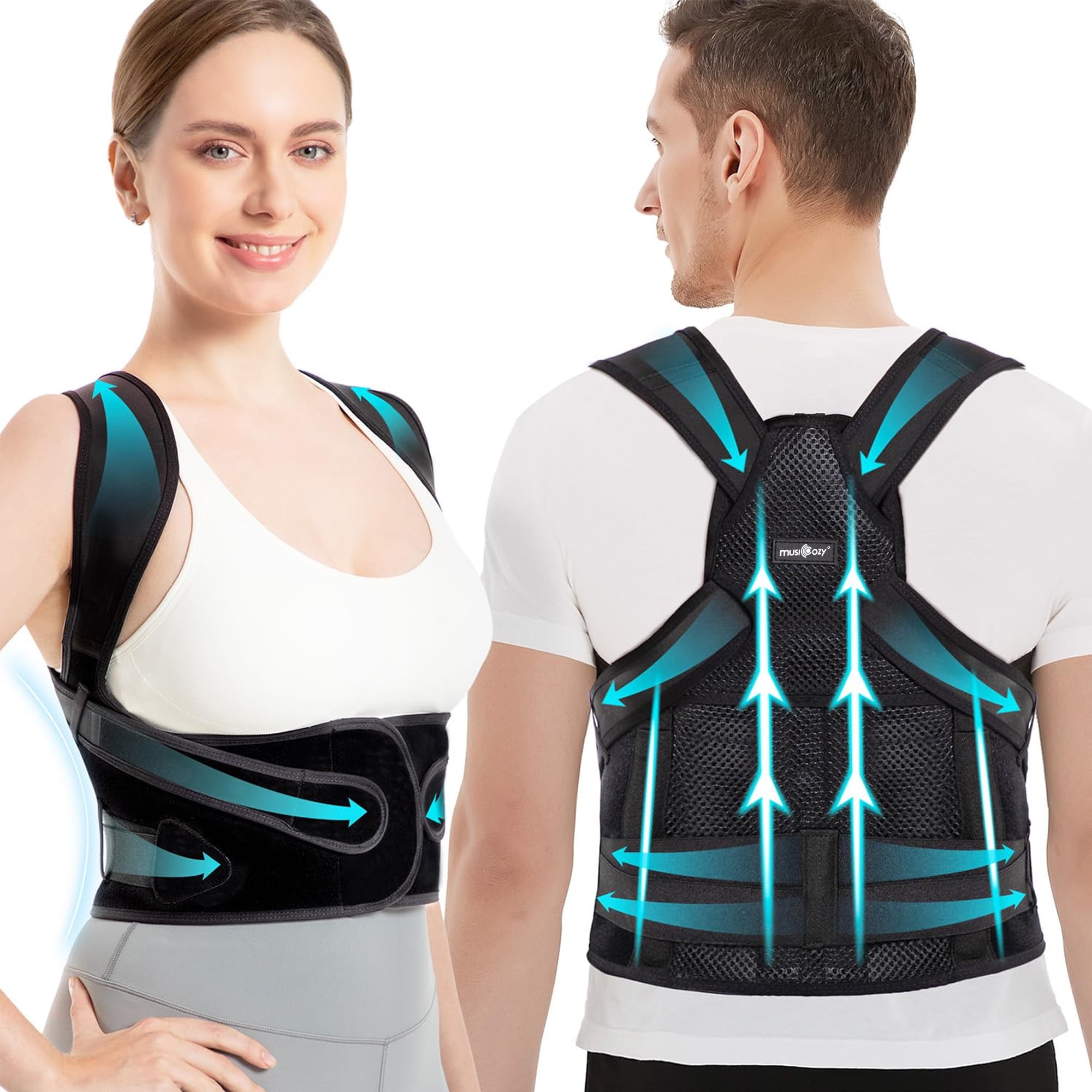
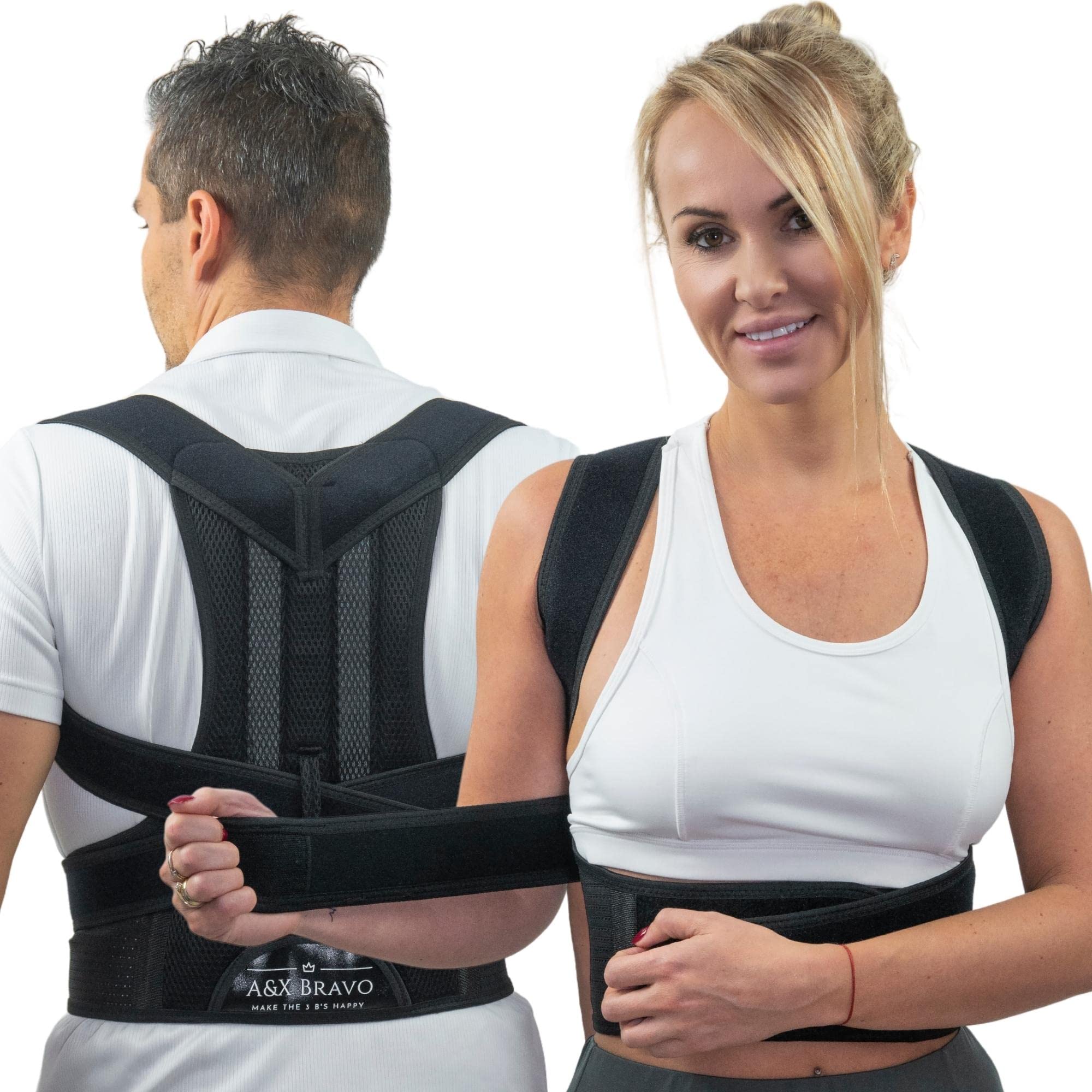
For those requiring more robust support, such as a full-body brace or a rigid thoracolumbar sacral orthosis (TLSO), a local medical supply store is the superior choice. These businesses specialize in durable medical equipment (DME). Unlike general retailers, medical supply stores often have trained staff or orthotists on-site who can assist with measurements to ensure the brace does not pinch the brachial plexus (the nerve bundle in the armpit) or restrict circulation.
Sporting Goods and Wellness Boutiques
Modern athletic stores, including Dick’s Sporting Goods or REI, often carry posture-correcting compression shirts and performance-oriented braces designed for use during activity. These are particularly useful if your postural issues are exacerbated by fitness routines or long periods of cycling or running.
Understanding the Different Types of Posture Correctors
Before heading to a store, it is essential to understand which category of corrector fits your lifestyle and physical requirements. Not all "posture correctors" work the same way; some provide mechanical support, while others focus on neurological retraining.
1. The Figure-8 Harness
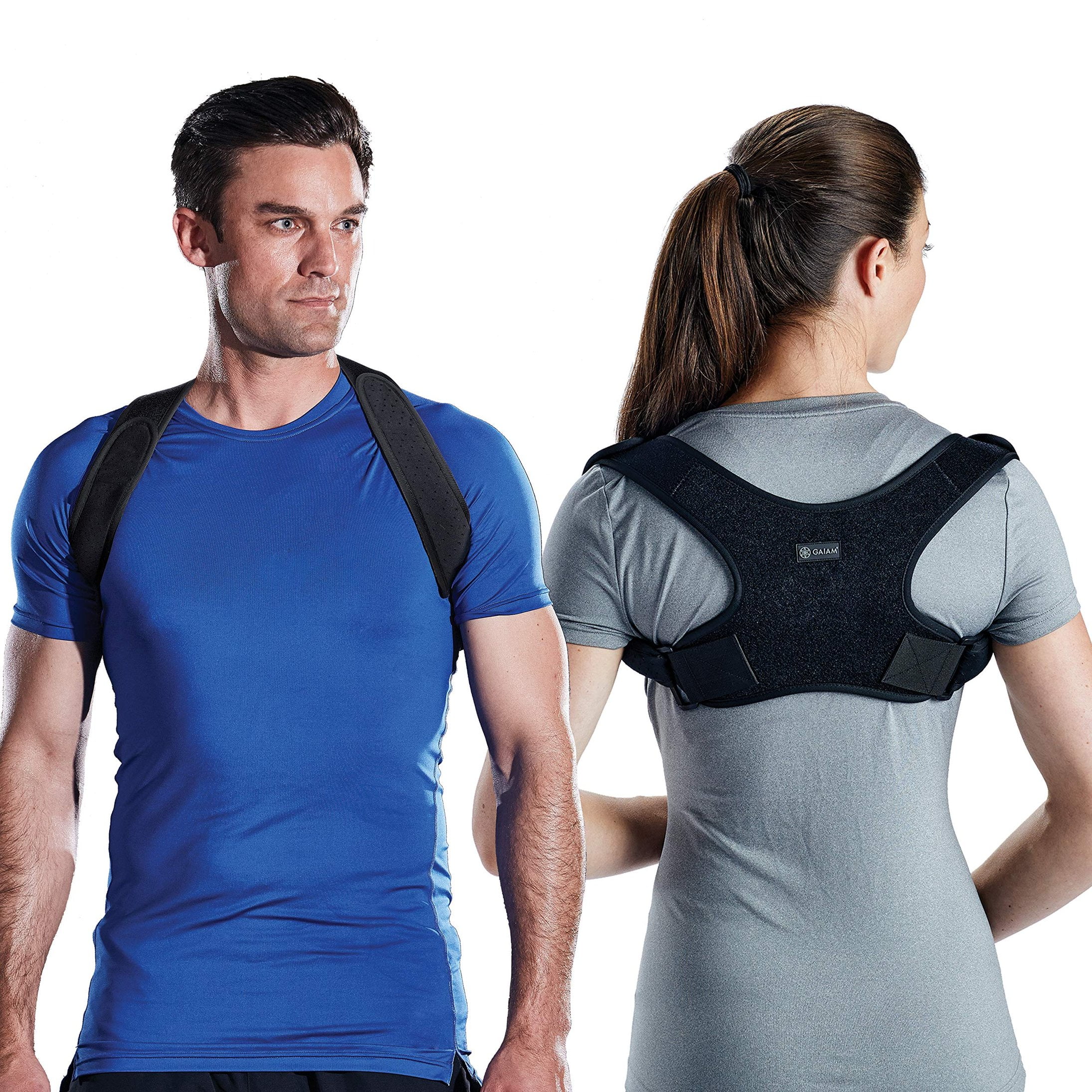
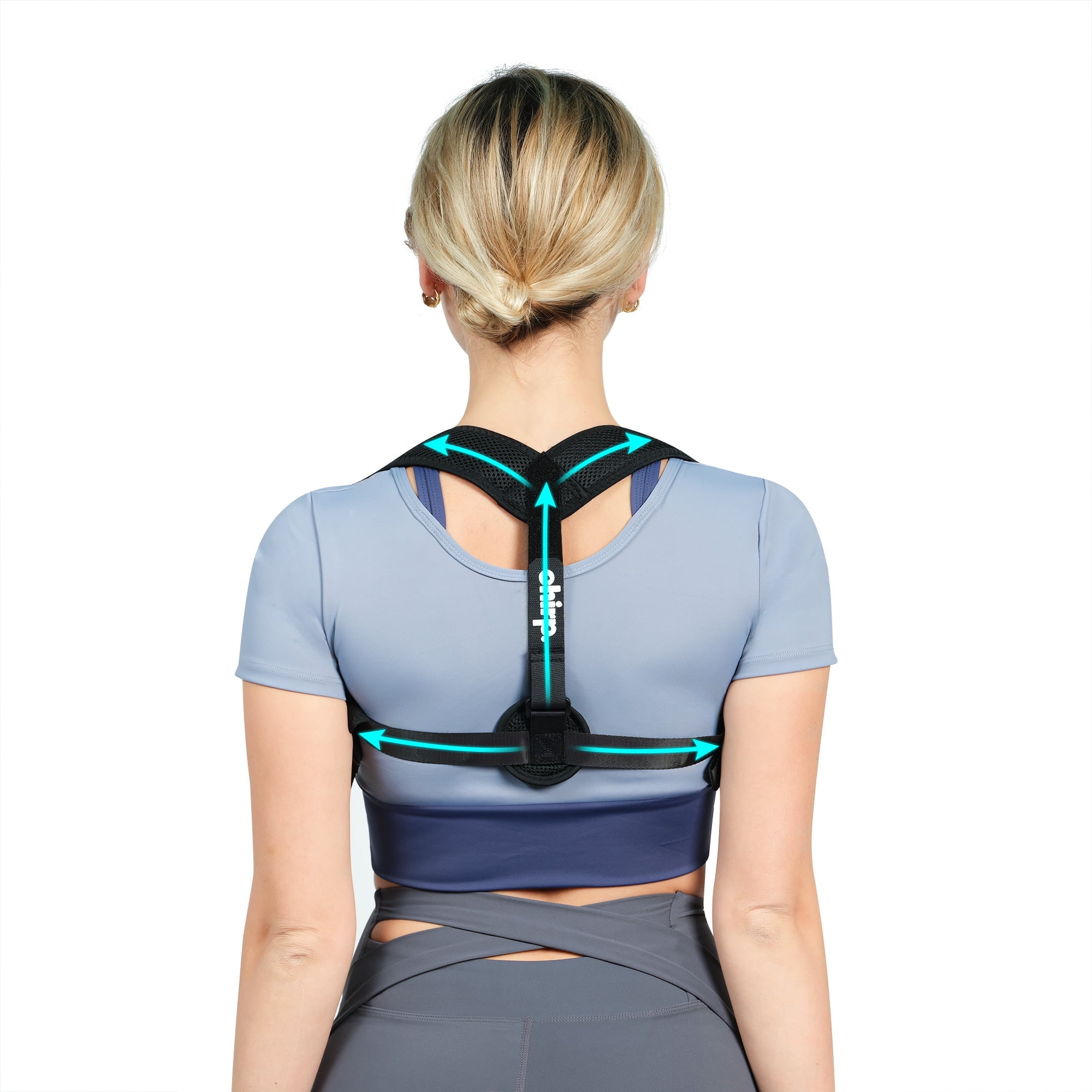
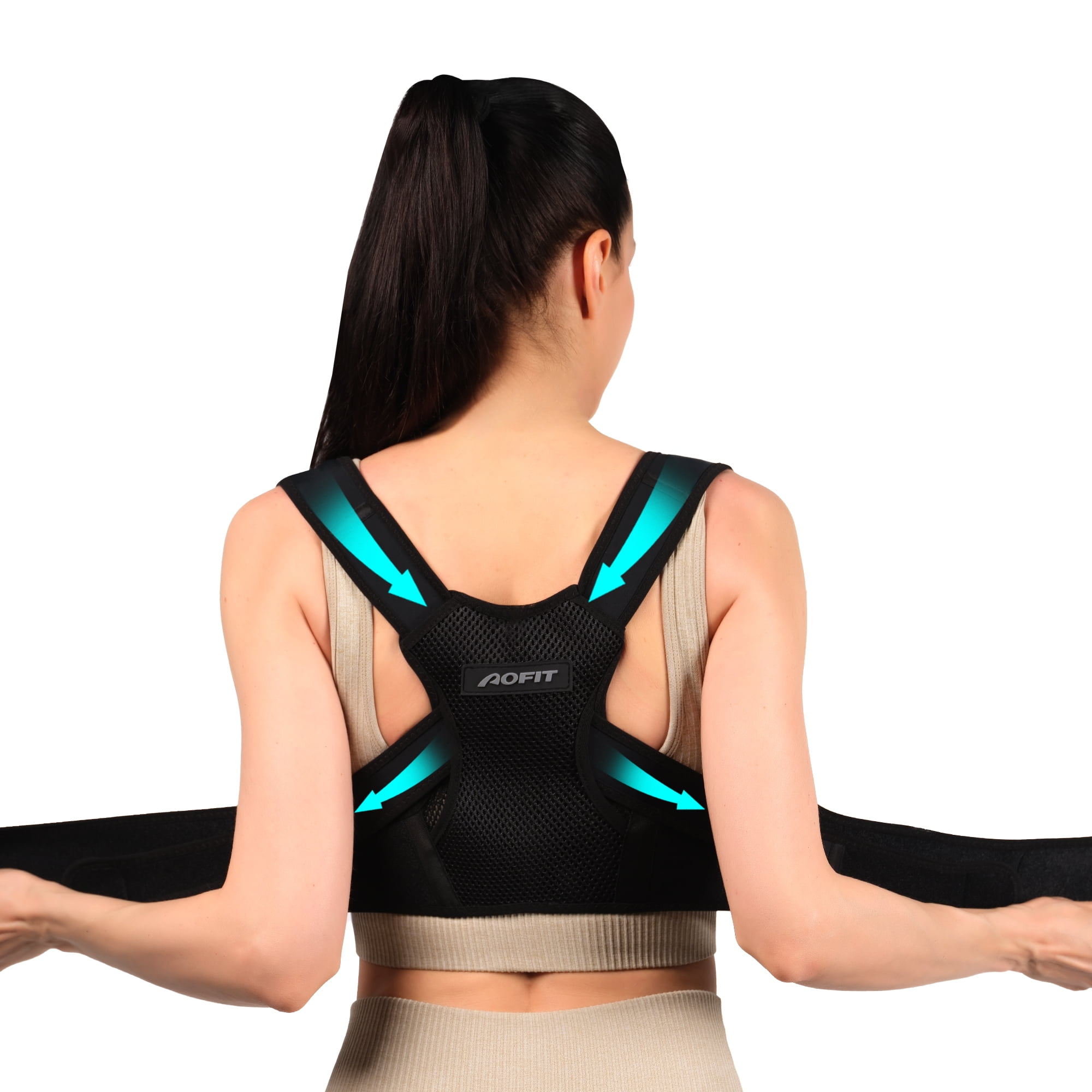
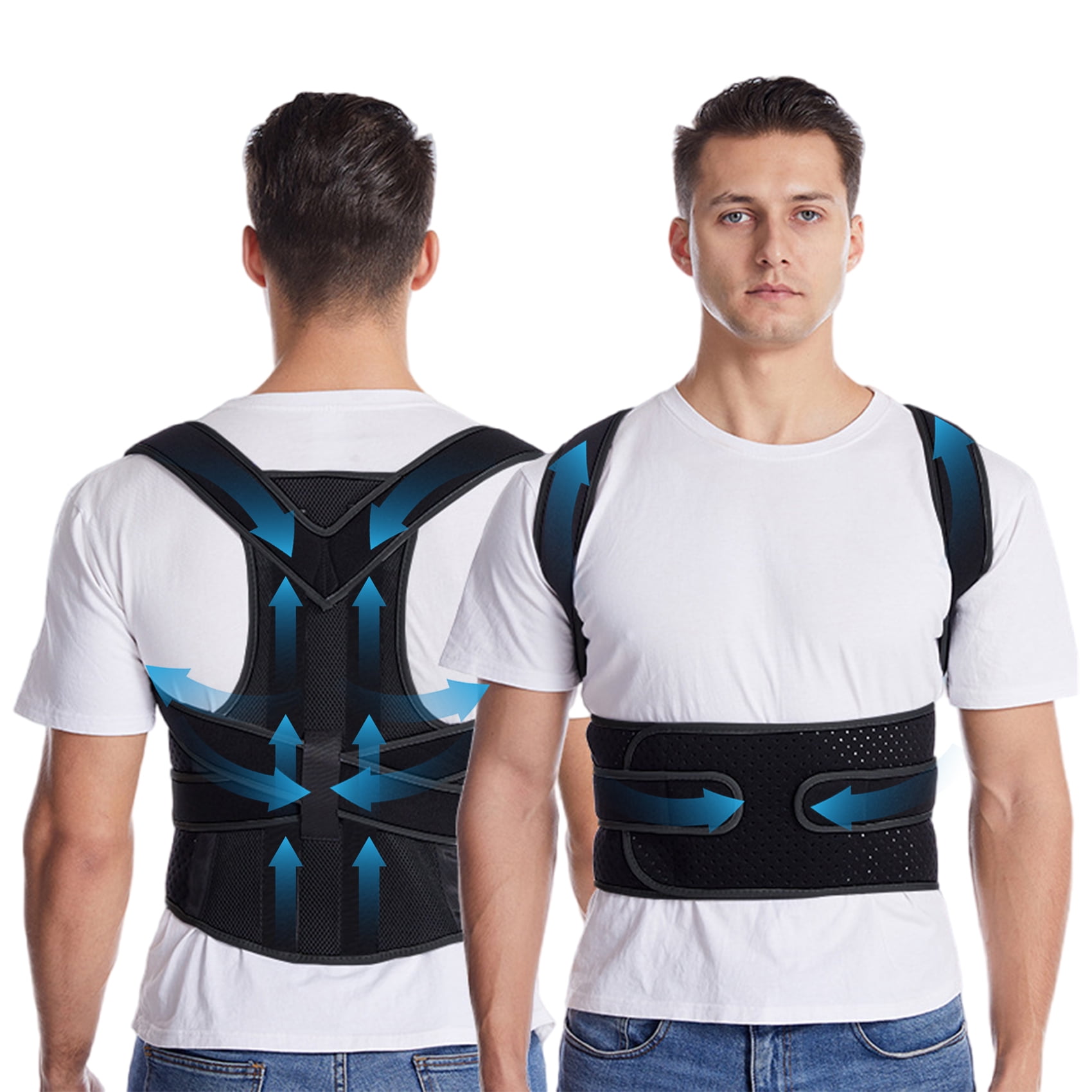
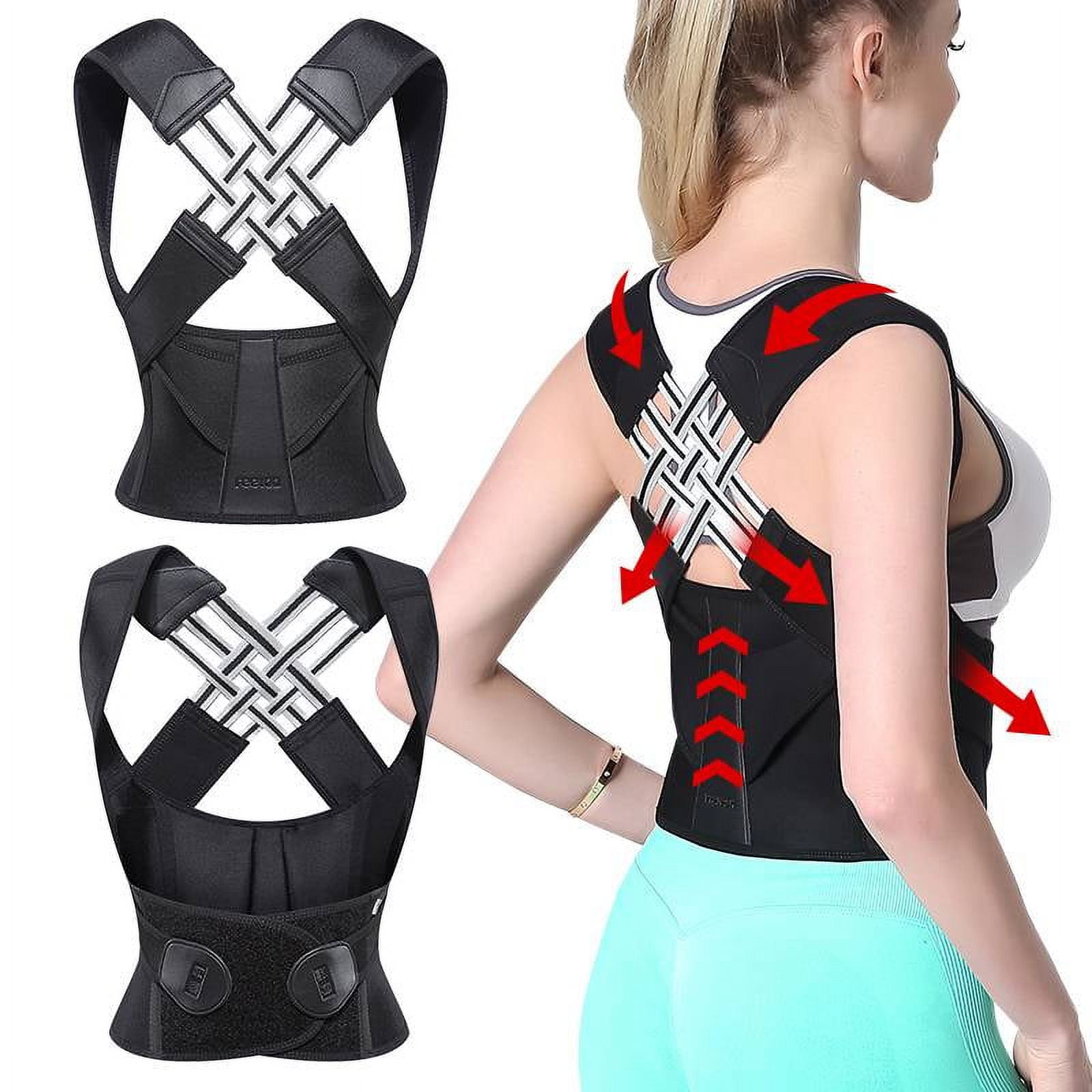
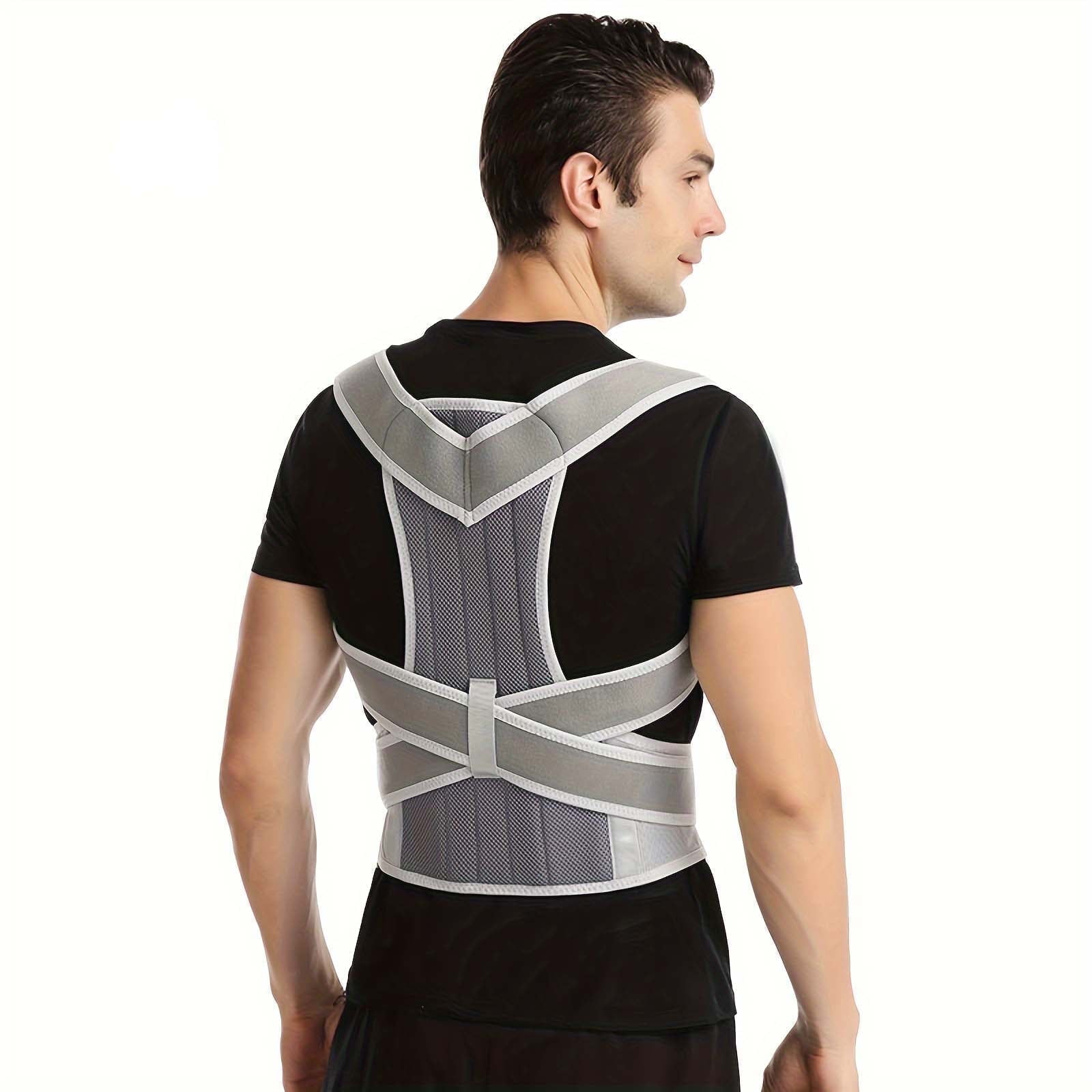
This is the most common device found in local pharmacies. It consists of two straps that loop around the shoulders and cross in the back. By tightening the straps, the shoulders are physically pulled back and the scapulae (shoulder blades) are retracted.
- Best for: Short-term correction during desk work or "tech neck" relief.
- Availability: High; found in almost all pharmacies.
2. Posture-Correcting Apparel (Compression Shirts)
These garments use elastic panels of varying tension to encourage the body into an upright position. Unlike rigid braces, these are discrete and can be worn under professional attire.
- Best for: Users who want a "reminder" rather than a forced mechanical pull.
- Availability: Specialized athletic stores and high-end wellness boutiques.
3. Electronic Biofeedback Devices
These are small sensors that adhere to the upper back or clip onto clothing. In 2026, these devices have become highly sophisticated, using AI-driven gyroscopes to distinguish between a functional lean (reaching for a phone) and a sustained slouch. When poor posture is detected, the device emits a gentle vibration.
- Best for: Long-term behavioral change and muscle strengthening.
- Availability: Electronics sections of major retailers and tech-focused wellness stores.
4. Rigid Braces (TLSO)
These are typically prescribed for medical conditions like scoliosis or severe kyphosis. They provide significant stabilization for the spine and are rarely available over the counter.
- Best for: Clinical conditions and post-surgical recovery.
- Availability: Prescription-only or via specialized medical supply warehouses.
Comparison of Common Posture Corrector Categories
| Feature | Figure-8 Brace | Electronic Sensor | Posture Shirt | Rigid Medical Brace |
|---|---|---|---|---|
| Primary Mechanism | Mechanical Force | Behavioral Biofeedback | Targeted Compression | Structural Immobilization |
| Visibility | Moderate (under clothes) | High (if clipped) | Low (looks like undershirt) | High (bulky) |
| Daily Wear Time | 20–60 minutes | All day | 8+ hours | Per Doctor's Order |
| Local Availability | Immediate (Pharmacies) | High (Tech Stores) | Moderate (Sporting Goods) | Low (Specialized Only) |
| Price Range (2026) | $20 – $45 | $60 – $150 | $40 – $90 | $150 – $500+ |
Key Selection Criteria: How to Choose Locally
When you are physically in a store looking at a box, avoid making a decision based solely on the packaging. Consider these technical specifications:
- Adjustability: Ensure the device can be adjusted from the front. If you have to ask someone to help you put it on or tighten it every time, you are less likely to use it consistently.
- Material Breathability: Look for neoprene-free options if you have sensitive skin. In 2026, many high-quality correctors use moisture-wicking 3D-knit fabrics that prevent heat buildup.
- Padding: Examine the underarm area. Cheap correctors often use thin straps that can cause "armpit chafing" or restrict blood flow to the arms. Look for widened, padded straps in this zone.
- Ease of Maintenance: Check the washing instructions. Devices worn close to the skin will require frequent cleaning. Machine-washable models are significantly more convenient than those requiring hand-washing and air-drying.
The Importance of Professional Consultation
The phrase "near me" should also apply to professional expertise. Before self-diagnosing with a $30 brace, consider visiting a local physical therapist.
A common mistake is assuming that "pulling the shoulders back" solves the problem. In many cases, poor posture is caused by a combination of tight chest muscles (pectorals) and weak back muscles (rhomboids and middle trapezius). If you wear a mechanical brace for 10 hours a day, your back muscles may become even weaker because the brace is doing the work for them. This is known as muscle atrophy.
A physical therapist can perform a postural assessment to determine if your issue is structural (bone-related) or functional (muscle-related). They may recommend a specific type of corrector to be used as a training tool for only 30 minutes a day, alongside a regimen of strengthening exercises.
How to Properly Use Your New Corrector
Once you have purchased a device locally, your success depends on your usage protocol. Follow these steps to maximize benefit and minimize risk:
- The 20-Minute Rule: Start by wearing the corrector for only 15 to 20 minutes on the first day. This allows your muscles to adapt to the new alignment without over-fatiguing.
- Gradual Increments: Increase your wear time by 5 to 10 minutes each day. For mechanical braces, most experts recommend a maximum of 2 hours per day to prevent dependency.
- Active Engagement: While wearing the brace, do not simply "hang" on the straps. Focus on actively using your muscles to hold the position the brace is suggesting.
- Skin Care: Always wear the corrector over a thin, moisture-wicking t-shirt rather than directly against the skin to prevent irritation and prolong the life of the device.
Common Mistakes to Avoid
When shopping locally, consumers often fall into several traps:
- Sizing Too Small: People often buy a smaller size thinking "tighter is better." A corrector that is too tight can lead to nerve impingement and headaches.
- Neglecting Exercise: A posture corrector is a supplement, not a cure. If you do not perform corrective exercises (like "wall angels" or "prone Ys"), your posture will likely return to its slumped state the moment the brace is removed.
- Buying Based on Price Alone: The cheapest models found in discount bins often use low-quality velcro that loses its grip within weeks, rendering the device useless.
Frequently Asked Questions
Can I wear a posture corrector while I sleep?
No, it is generally advised not to wear a posture corrector while sleeping unless specifically directed by a doctor for a condition like nocturnal scoliosis. During sleep, your body needs to move naturally, and a brace can restrict breathing and blood flow, leading to stiffness or injury.
Will insurance cover a posture corrector bought at a local store?
Over-the-counter correctors from pharmacies are rarely covered by insurance. However, if a doctor prescribes a specific medical-grade orthosis and you purchase it at a certified medical supply store, it may be covered under "Durable Medical Equipment" (DME). Always check with your provider and obtain a written prescription first.
How long does it take to see permanent results?
Permanent postural change is a behavioral and muscular process. While a brace provides an immediate aesthetic change, lasting results typically take 6 to 12 weeks of consistent use paired with strengthening exercises. The goal is to "re-map" your brain’s understanding of what a neutral spine feels like.
Are electronic posture sensors better than traditional braces?
Electronic sensors are generally better for long-term correction because they force your own muscles to do the work. Braces are better for people who have significant pain and need immediate mechanical relief to get through a workday, but they carry a higher risk of muscle weakening if overused.
Can a posture corrector help with scoliosis?
Standard OTC posture correctors are not designed to treat scoliosis. Scoliosis involves a lateral curvature and rotation of the spine that requires a custom-molded rigid brace (like a Boston Brace) and specialized physical therapy (like the Schroth Method). If you suspect scoliosis, see an orthopedic surgeon.
Final Recommendation: Your Next Steps
If you are experiencing back pain or "slumping," your first step should be to check the inventory of a local medical supply store or specialized pharmacy rather than a general supermarket. Being able to see the build quality and feel the tension of the straps in person is invaluable.
However, before making a final purchase, schedule a single session with a local physical therapist. Use that session to show them the device you intend to buy. This ensures that your "near me" search results in a solution that actually heals your spine rather than providing a temporary, and potentially weakening, fix.
Image Gallery