Bissell Steam Mop Twin Tank Explained: Features, Benefits, and Maintenance
The Bissell steam mop twin tank system is a specialized design featuring two separate reservoirs—one dedicated to water and the other to a cleaning formula or fragrance. This configuration allows users to toggle between pure steam sani...
The Bissell steam mop twin tank system is a specialized design featuring two separate reservoirs—one dedicated to water and the other to a cleaning formula or fragrance. This configuration allows users to toggle between pure steam sanitization and a boosted cleaning mode that targets tough odors and stubborn, sticky messes more effectively than water alone.
Contents
For years, the standard for steam cleaning was "water only," emphasizing a chemical-free approach to sanitizing hard floors. However, as household needs evolved—particularly for pet owners and large families—the demand for a "clean scent" and increased grease-cutting power grew. Bissell responded with the twin tank architecture, most notably found in their PowerFresh and Pet-specific lines.
Understanding how these tanks interact, what formulas are compatible, and how to maintain the delivery system is essential for any homeowner looking to maximize the longevity of their appliance in 2026.
How the Twin Tank System Works
Unlike traditional steam mops that use a single boiler or flash-heater for water, the twin tank system incorporates a mixing manifold. In a standard single-tank unit, the water is heated to approximately 212°F (100°C) and released through the mop pad. In a twin tank model, the machine draws from the primary water reservoir for steam generation while simultaneously pulling a metered amount of cleaning solution from the secondary tank.
The primary tank is almost always larger, as steam generation requires a significant volume of liquid. The secondary tank, often referred to as the "Formula Tank" or "Scent Reservoir," is smaller. When the user selects a specific setting—usually "High Steam" or a dedicated "Pet" mode—the internal pump creates a vacuum that pulls the cleaning solution into the steam path just before it exits the base of the mop.
This "on-demand" mixing ensures that the cleaning formula is not sitting in the boiler. This is a critical technical distinction: heating cleaning chemicals directly in a boiler can lead to mineralization, "pinking" of the heater, and potentially toxic fumes if the formula is not designed for high heat. By mixing the formula with the steam at the point of exit, the twin tank system protects the internal heating element from chemical buildup.
Benefits of the Dual-Tank Design
The move toward a two-tank system provides several functional advantages that a single-tank mop cannot replicate.
1. Odor Neutralization
Pure steam is excellent at killing 99.9% of germs and bacteria, but it does not always eliminate the lingering scent of organic messes, such as pet urine or kitchen grease. The twin tank system allows for the use of "Odorguard" or "Febreze" infused formulas. These molecules are dispersed via the steam, penetrating the porous surfaces of grout or wood to neutralize odors at the source.
2. Versatility in Cleaning Modes
Not every floor requires a chemical boost. For a quick Tuesday morning refresh of a sealed hardwood hallway, pure steam is often sufficient and preferred to avoid residue. With a twin tank system, you do not have to empty the machine to switch modes. You can simply turn the "Formula" dial to the off position, effectively turning the device into a standard steam mop.
3. Tackle Sticky Residue
Steam works by loosening the molecular bonds of dirt, but it lacks "surfactants"—the agents in soap that lift oil and grease. The cleaning formula stored in the second tank provides these surfactants. When cleaning a kitchen floor with spilled syrup or oily splatter, the combination of high-heat steam and surfactants breaks down the mess significantly faster than steam alone.
Comparison of Popular Twin Tank and Enhanced Models
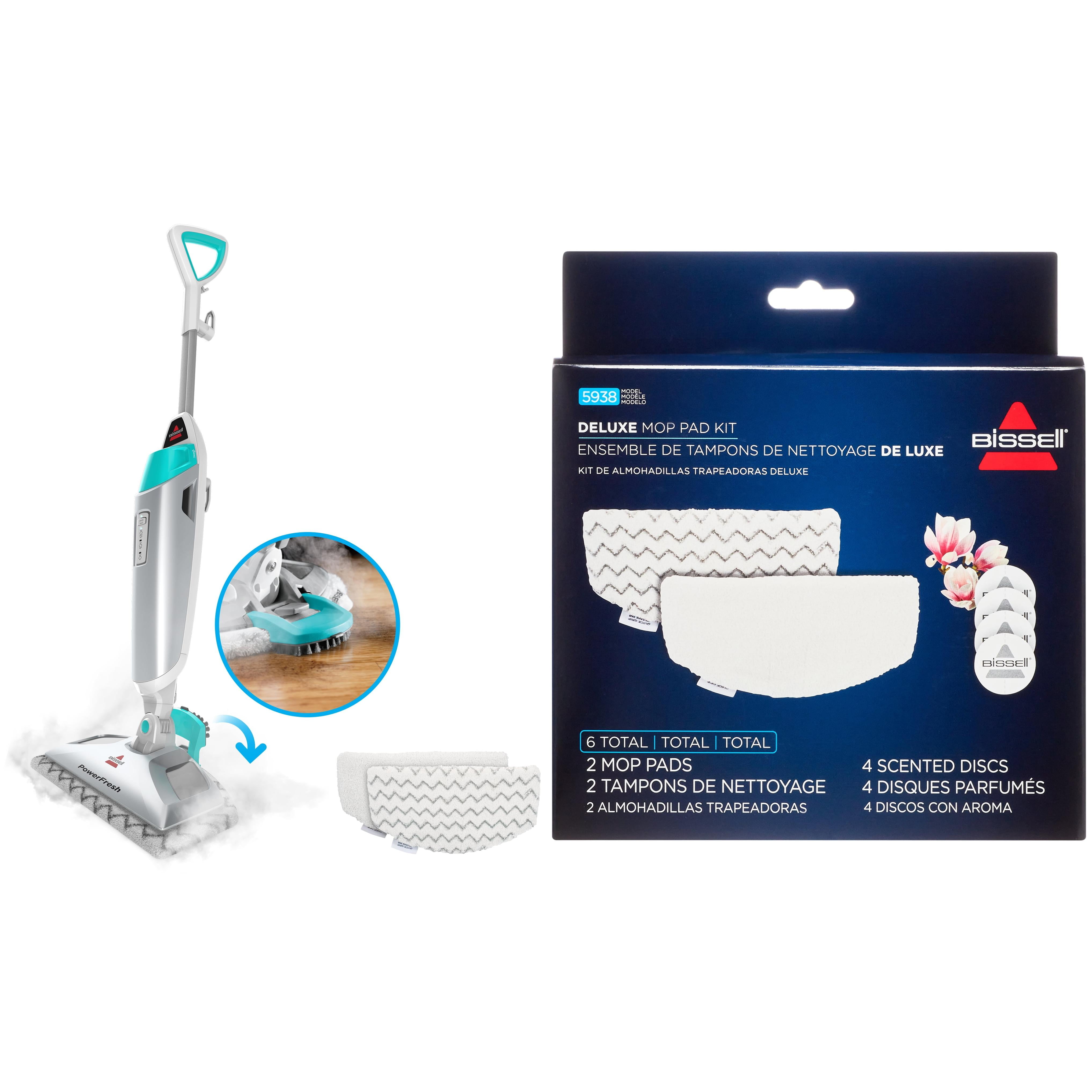
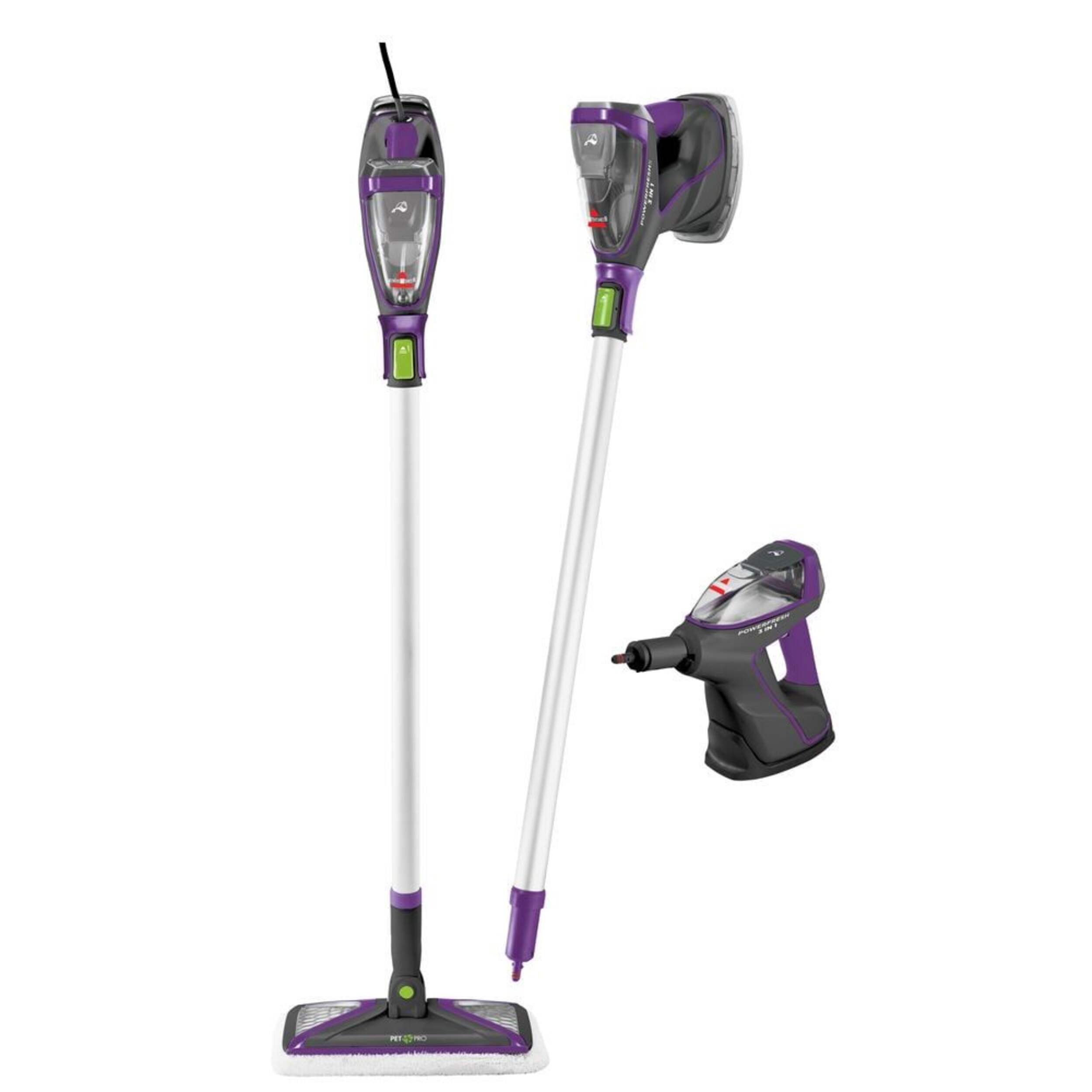
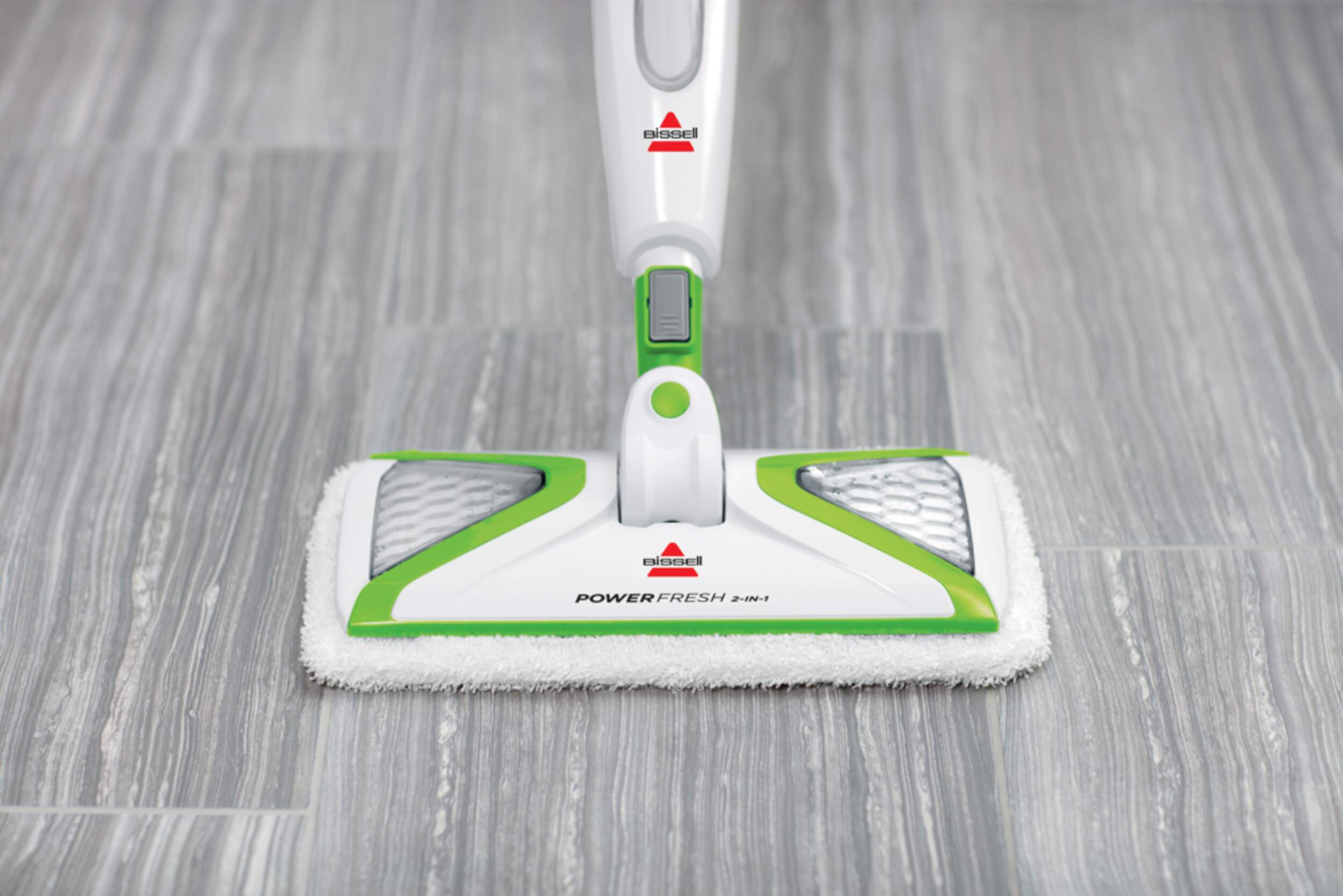
While the term "Twin Tank" is often used generically, it specifically describes models like the PowerFresh Pet and the PowerFresh Deluxe. Below is a comparison of how these configurations differ in their reservoir management as of 2026.
| Feature | PowerFresh Pet (19404) | PowerFresh Deluxe (1806) | PowerFresh Lift-Off (1544) |
|---|---|---|---|
| Primary Tank Capacity | 16 oz (Water) | 16 oz (Water) | 13.5 oz (Water) |
| Secondary Tank Type | Fragrance Disc Tray | Internal Formula Reservoir | Internal Formula Reservoir |
| Steam Control | 3-Level Digital | 2-Level Trigger | Variable Dial |
| Best For | Pet hair and odors | Heavy scrubbing/Grout | Stairs and upholstery |
| Formula Compatibility | Scent Discs Only | Water-based Scent/Cleaner | Multi-surface Formula |
Note: Some newer 2026 iterations of the PowerFresh line have integrated the "Scent Disc" tray directly into the dual-tank system, allowing for liquid fragrance concentrates instead of solid discs.
Compatible Formulas and Solutions
A common mistake owners make is filling the secondary tank with unauthorized chemicals. Using vinegar, bleach, or standard floor cleaners (like Pine-Sol) can damage the internal seals of a Bissell steam mop.
Recommended Liquids
Bissell produces specific "Steam Shot" or "Multi-Surface" formulas designed for high-heat applications. These are typically demineralized to prevent scale buildup. Common options include:
- Demineralized Scented Waters: Eucalyptus, Mint, or Spring Breeze. These provide a fresh scent without soapy residue.
- Pet Odor Eliminators: Specifically formulated with enzymes that remain stable under steam temperatures to break down pet-related proteins.
What to Avoid
You should never put essential oils directly into either tank. Essential oils are hydrophobic and do not mix well with water; they can coat the internal pump and cause the machine to "spit" hot water or cease steaming entirely. Similarly, heavy waxes or "shiners" will clog the fine mesh filters located at the intake of the formula tank.
Maintenance of the Twin Tank System
To ensure the twin tank system continues to dispense fluid correctly, a specific maintenance routine is required.
- Flush the Formula Tank: Every 30 days, empty the secondary tank and fill it with warm (not boiling) distilled water. Run the mop on the highest setting for five minutes. This clears out any dried-on surfactants or fragrance oils that may have settled in the lines.
- Inspect the Gaskets: The caps on both tanks use rubber O-rings to create a vacuum seal. If these gaskets dry out or crack, the mop will lose suction and fail to draw the formula. Apply a tiny amount of silicone lubricant to the rings once a year to keep them supple.
- Water Filtration: Most twin tank models include a green or blue "Water Filter" cartridge. This contains ion-exchange resins that remove minerals from tap water. In 2026, many regions with hard water require these filters to be replaced every 3-6 months. If the filter beads turn dark chocolate brown, they are exhausted and will restrict flow to both tanks.
- Nozzle Clearing: If steam comes out but no formula is being used, the small brass nozzle where the two lines meet may be clogged. A thin needle or a blast of compressed air can usually clear the obstruction.
Troubleshooting Common Twin Tank Issues
The Formula Level Isn't Dropping
If you notice the water tank is emptying but the formula tank remains full, the most likely culprit is a vacuum leak. Ensure the cap of the formula tank is screwed on perfectly straight. Even a slightly crooked thread will prevent the pump from creating the pressure needed to pull the liquid. Alternatively, the "Formula Select" dial may be stuck in a neutral position; rotate it back and forth several times to reseat the internal valve.
Streaking on Glossy Floors
Streaking is usually caused by using too much formula or using the machine on a floor that has a buildup of old wax. If you experience streaking, reduce the formula setting to "Low" or "Off" and perform a "water-only" pass to strip away the excess residue. Steam mops are highly efficient, and a little formula goes a long way.
Leaking from the Bottom
If the mop leaks when turned off, the formula tank valve may be compromised. These tanks use a gravity-fed spring valve. If a grain of sand or debris gets caught in the spring, the tank will slowly drip. Remove the tank and press the small plunger at the bottom with your finger to flush out any debris.
Frequently Asked Questions
Can I use tap water in the twin tank system?
While you can use tap water, it is highly discouraged in areas with hard water. The minerals (calcium and magnesium) will eventually calcify the mixing valve where the water and formula meet. Using distilled or demineralized water will extend the life of your twin tank system by years.
Is the formula tank safe for sealed hardwood floors?
Yes, provided you use a formula specifically labeled as "Safe for Sealed Hardwoods." The twin tank system is designed to provide a "dry steam" experience, meaning the moisture evaporates quickly. However, never use the formula tank on unsealed or damaged wood, as the liquid can seep into the grain and cause swelling.
How do I know if my Bissell is a "Twin Tank" or just has a scent tray?
Check the back or side of the unit for a second removable reservoir. Models like the standard PowerFresh (1940) only have a small tray in the mop head for a fragrance disc; they are not true twin-tank systems. A true twin-tank model will have a dedicated plastic bottle for liquid solution separate from the water tank.
Do I have to use Bissell-branded formulas?
Using third-party formulas may void your warranty if they cause damage to the internal seals. Bissell formulas are chemically balanced for the specific heat thresholds of their machines. If you choose to use an alternative, ensure it is a "non-sudsing" demineralized solution to avoid pump cavitation.
Can I mix the water and formula in the same tank?
It is not recommended. Mixing them in the main water tank forces the formula through the heating element, which can lead to "cooking" the formula onto the boiler walls. The twin tank system is designed to keep them separate until the last possible moment for a reason.
Final Recommendation
For most households in 2026, the Bissell PowerFresh Pet or Deluxe models with the twin tank system offer the best balance of sanitization and deodorization. If you have pets or high-traffic tile areas, the ability to inject a specialized cleaner into the steam flow is worth the slight increase in maintenance. Always prioritize demineralized water to protect the sensitive mixing valves, and ensure your floor surfaces are properly sealed before using the high-moisture formula settings.
Image Gallery