Airbus A321 vs. Boeing 737-800: A Comprehensive Guide for Airline Operators in 2026
Choosing between the Airbus A321 and the Boeing 737-800 involves balancing passenger capacity against operational flexibility. The A321 offers superior volume and containerized cargo options, making it ideal for high-density, slot-cons...
Choosing between the Airbus A321 and the Boeing 737-800 involves balancing passenger capacity against operational flexibility. The A321 offers superior volume and containerized cargo options, making it ideal for high-density, slot-constrained routes. Conversely, the Boeing 737-800 provides exceptional reliability, lower acquisition costs in the secondary market, and faster turnaround times for short-haul, high-frequency operations.
Contents
The Operational Landscape in 2026
As we navigate 2026, the global narrow-body fleet is in a state of transition. While the newest iterations—the A321neo and the 737 MAX series—capture the headlines for fuel efficiency, the Airbus A321ceo (Current Engine Option) and the Boeing 737-800 (Next Generation) remain the backbone of many regional and low-cost carrier (LCC) fleets. For airline operators, the decision to lease or maintain these aircraft hinges on specific network requirements, maintenance infrastructure, and the growing market for Passenger-to-Freighter (P2F) conversions.
The A321 and 737-800 were designed to serve similar markets but utilize different engineering philosophies. The A321 is the "stretched" version of the A320 family, optimized for volume. The 737-800 is the "sweet spot" of the 737 NG family, designed for ruggedness and rapid cycles. Understanding these differences is critical for optimizing Revenue Per Available Seat Mile (RASM) and minimizing Aircraft on Ground (AOG) time.
Capacity and Cabin Configuration
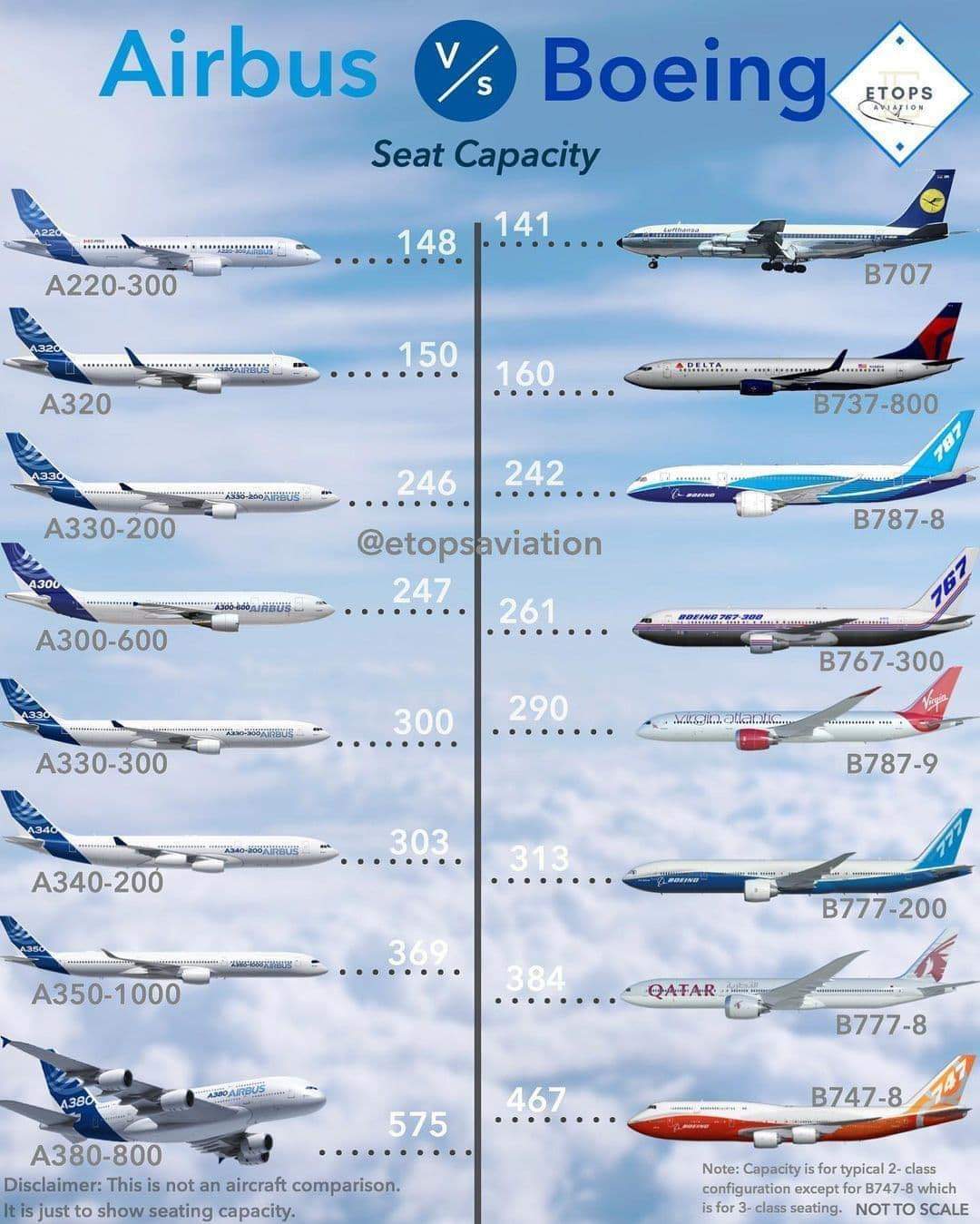
The most immediate differentiator for an operator is the capacity. The Airbus A321 is significantly longer than the Boeing 737-800, which translates directly into seating rows and revenue potential.
Airbus A321: The Volume Leader
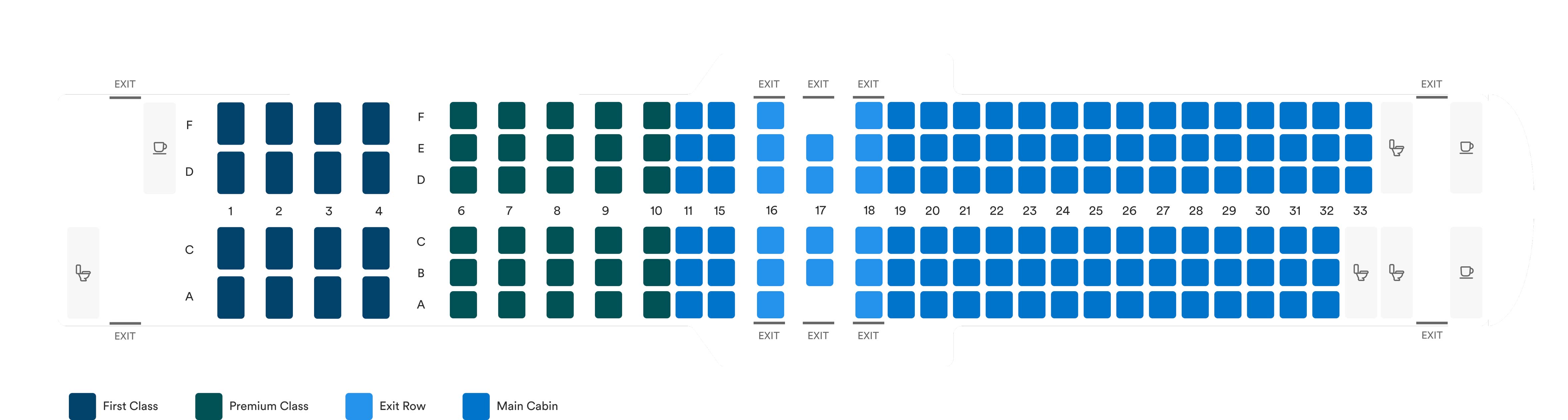
The A321 typically accommodates between 185 and 220 passengers in a standard two-class or high-density single-class layout. Its cabin width (3.70 meters) is slightly wider than the Boeing’s, allowing for 18-inch wide seats, which has become a marketing point for long-range narrow-body comfort.
For operators running "trunk" routes between major hubs, the extra 30 to 40 seats compared to a standard 737-800 can be the difference between profit and loss, especially in slot-constrained airports where increasing frequency is not an option. The A321’s "Space-Flex" cabin options also allow for more efficient galley and lavatory placements, further maximizing the floor place.
Boeing 737-800: The Efficiency Standard
The Boeing 737-800 typically seats between 160 and 189 passengers. While it lacks the raw volume of the A321, it is lighter and often perceived as more agile for quick turnarounds. The cabin width is 3.53 meters, which generally limits seat width to 17 inches in a standard six-abreast configuration.
However, the 737-800’s lower Maximum Takeoff Weight (MTOW) compared to the A321 means lower landing and navigation fees in many jurisdictions. For an airline operating 10+ flights a day per airframe, these incremental savings on airport charges can offset the lower passenger revenue.
Technical Specifications and Performance
The performance profiles of these aircraft dictate which routes they can efficiently serve. In 2026, fuel prices and carbon emissions taxes make the "burn-per-seat" metric more vital than ever.
| Feature | Airbus A321-200 (ceo) | Boeing 737-800 (NG) |
|---|---|---|
| Length | 44.51 m (146 ft) | 39.50 m (129 ft) |
| Typical Seating (1-class) | 220 | 189 |
| Maximum Takeoff Weight (MTOW) | 93,500 kg | 79,010 kg |
| Range (Fully Loaded) | ~3,200 nm | ~2,935 nm |
| Service Ceiling | 39,100 ft | 41,000 ft |
| Cargo System | Containerized (LD3-45W) | Bulk Load (Loose) |
| Engine Options | CFM56-5B or IAE V2500 | CFM56-7B only |
The A321 generally boasts a longer range when equipped with Additional Center Tanks (ACTs), making it a viable option for transcontinental or "thin" transatlantic routes. The 737-800 is highly optimized for the 2-to-4-hour flight segment. While it can push toward 5 hours, its efficiency drops off more sharply than the A321 at the edge of its range envelope.
Cargo Capabilities: A Deciding Factor
For many operators, the cargo hold is where the A321 wins the battle. The Airbus A320 family was designed with a circular fuselage cross-section that allows for containerized cargo.
The A321 can carry standard LD3-45W containers. This allows for automated loading and unloading, reducing ground handling time and protecting baggage from the elements. More importantly, it enables the airline to tap into the lucrative belly-freight market with standardized unit load devices (ULDs) that can be easily transferred to wide-body aircraft.
The Boeing 737-800 uses a "bulk load" system. Every piece of luggage and every parcel must be loaded by hand or via a belt loader into the hold. This is more labor-intensive and generally limits the type of commercial freight the aircraft can carry. However, for LCCs that discourage checked baggage and focus on lightning-fast turnarounds at secondary airports, the lack of a complex ULD handling system can actually be a benefit, as it requires less specialized ground equipment.
Maintenance, Training, and Fleet Commonality
From a management perspective, the "best" aircraft is often the one that matches what you already have. Both aircraft benefit from massive, mature global support networks.
Flight Deck and Crew Training
The Airbus A321 features the iconic Fly-By-Wire (FBW) system and sidestick controllers. Its greatest advantage is "Cross Crew Qualification" (CCQ). A pilot rated for the A319 or A320 can transition to the A321 with minimal training. This fleet commonality allows airlines to swap aircraft sizes based on seasonal demand without worrying about pilot scheduling constraints.
The Boeing 737-800 retains a traditional yoke and mechanical linkages (with some electronic enhancements). While the flight deck is less "spacious" than the Airbus, the 737 NG family shares a common type rating from the -600 to the -900ER. Boeing’s philosophy has historically focused on keeping the pilot in the loop with tactile feedback, a preference for many veteran flight crews.
MRO and Spare Parts
In 2026, the secondary market for parts is saturated for both models. Since the 737-800 was produced in such vast quantities, engines (CFM56-7B) and components are readily available through Lufthansa Technik or AAR Corp. The A321 offers two engine choices (CFM or IAE), which provides more flexibility in the leasing market but requires more specific maintenance expertise depending on the chosen powerplant.
Economic Analysis in the 2026 Market
As we look at the financial side, the 737-800 is currently the "value" play. Many 737-800s are coming off 12-to-15-year leases, making them highly affordable for startup airlines or operators in emerging markets.
Acquisition and Leasing Costs
The A321ceo maintains a higher residual value because of its high seat count and its popularity as a freighter conversion candidate (A321P2F). Leasing an A321 in 2026 typically commands a premium over the 737-800. Operators must calculate if the extra revenue from the 30+ additional seats covers the higher monthly lease rate and the higher landing fees associated with its weight.
The P2F Transition
By 2026, many of these airframes are being retired from passenger service. The A321P2F is widely considered the superior narrow-body freighter because it can carry containers on both the main deck and in the lower hold. The 737-800SF (Special Freighter) is also a strong contender, particularly for express parcel carriers like DHL or Amazon Air, but it lacks the lower-deck container capability of the Airbus.
Practical Challenges and Considerations
Operators must also consider the physical constraints of their home bases.
- Pavement Loading: The A321 is heavy. Some smaller regional airports may have Pavement Classification Numbers (PCN) that restrict A321 operations at max weight, whereas the 737-800 can operate more freely.
- Turnaround Time: Loading 220 passengers through a single door takes time. Airlines using the A321 often require dual-bridge boarding or strict boarding group management to prevent delays. The 737-800, with 189 passengers, is generally easier to manage within a 30-minute turn window.
- Engine Durability: The CFM56 series on the Boeing 737-800 is legendary for its on-wing life. While the A321's V2500 engines offer excellent fuel burn at high altitudes, they can be more "finicky" in harsh, dusty, or high-cycle environments.
Frequently Asked Questions
Which aircraft is better for low-cost carriers (LCCs)?
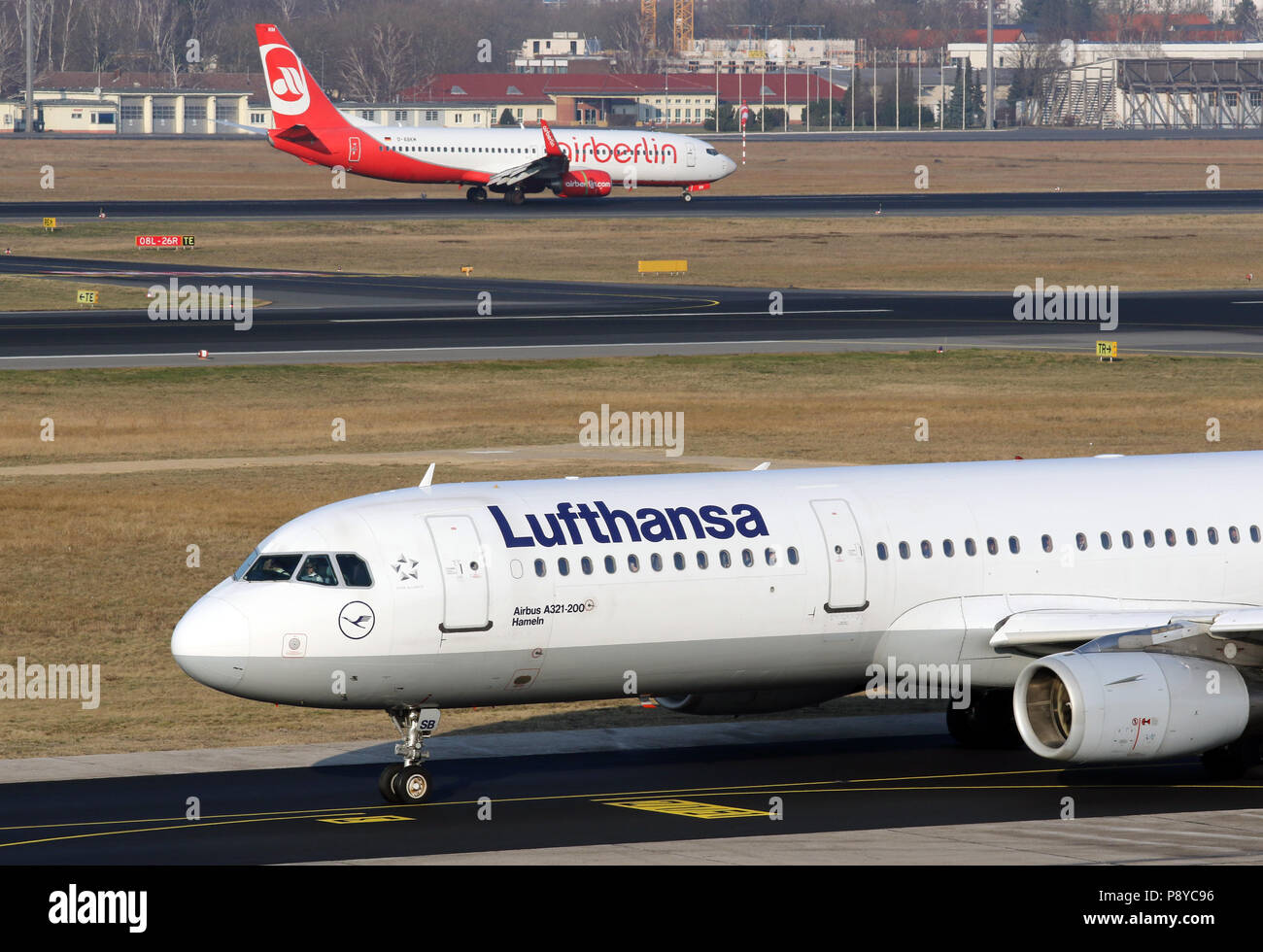
The Boeing 737-800 has historically been the favorite of LCC giants like Ryanair and Southwest due to its reliability and fast ground handling. However, many LCCs are moving toward the A321 because its higher capacity allows for lower unit costs (cost per seat-mile) in high-traffic markets.
Can the Boeing 737-800 carry LD3 containers?
No. The fuselage of the Boeing 737 is not wide or deep enough to accommodate standard LD3 containers. It relies on bulk loading, where items are placed individually into the cargo holds.
How does the fuel efficiency compare between the two?
On a per-seat basis, a fully loaded A321 is generally more fuel-efficient than a 737-800 because the fuel burn is spread across more passengers. However, on a per-trip basis, the 737-800 burns less total fuel because it is a lighter aircraft.
Is it easy for a 737 pilot to switch to an A321?
It requires a full type-rating course. The transition from Boeing to Airbus is significant due to the change from a yoke to a sidestick and the fundamental shift in "cockpit philosophy" regarding automation and flight envelope protection.
What is the expected lifespan of these aircraft in 2026?
Both aircraft are typically designed for a 25-to-30-year structural life. In 2026, many units built in the mid-2000s are reaching their "mid-life" point, where they often undergo heavy maintenance (D-checks) or are converted into freighters.
Final Recommendation for Operators
For airline operators in 2026, the choice between the Airbus A321 and Boeing 737-800 should be driven by network density and cargo strategy.
- Choose the Airbus A321 if your routes are slot-constrained, you require the lowest possible cost-per-seat-mile, or you intend to carry significant commercial belly-cargo in containers. It is the powerhouse for high-volume corridors.
- Choose the Boeing 737-800 if you prioritize operational flexibility, lower acquisition costs, and rapid turnarounds at airports with limited ground infrastructure. It remains the most versatile "utility player" in the narrow-body market.
Before committing to a lease or purchase, operators should perform a detailed route-profitability analysis using 2026 fuel price projections and airport-specific fee structures to ensure the chosen airframe aligns with their long-term financial goals.
Image Gallery