Christoph Waltz Net Worth and the Green Hornet Role: A Career Analysis
As of 2026, Christoph Waltz’s estimated net worth stands at approximately $30 million, a figure built upon a decades-long career in European theater and a highly successful mid-career transition into Hollywood blockbusters. His pivotal...
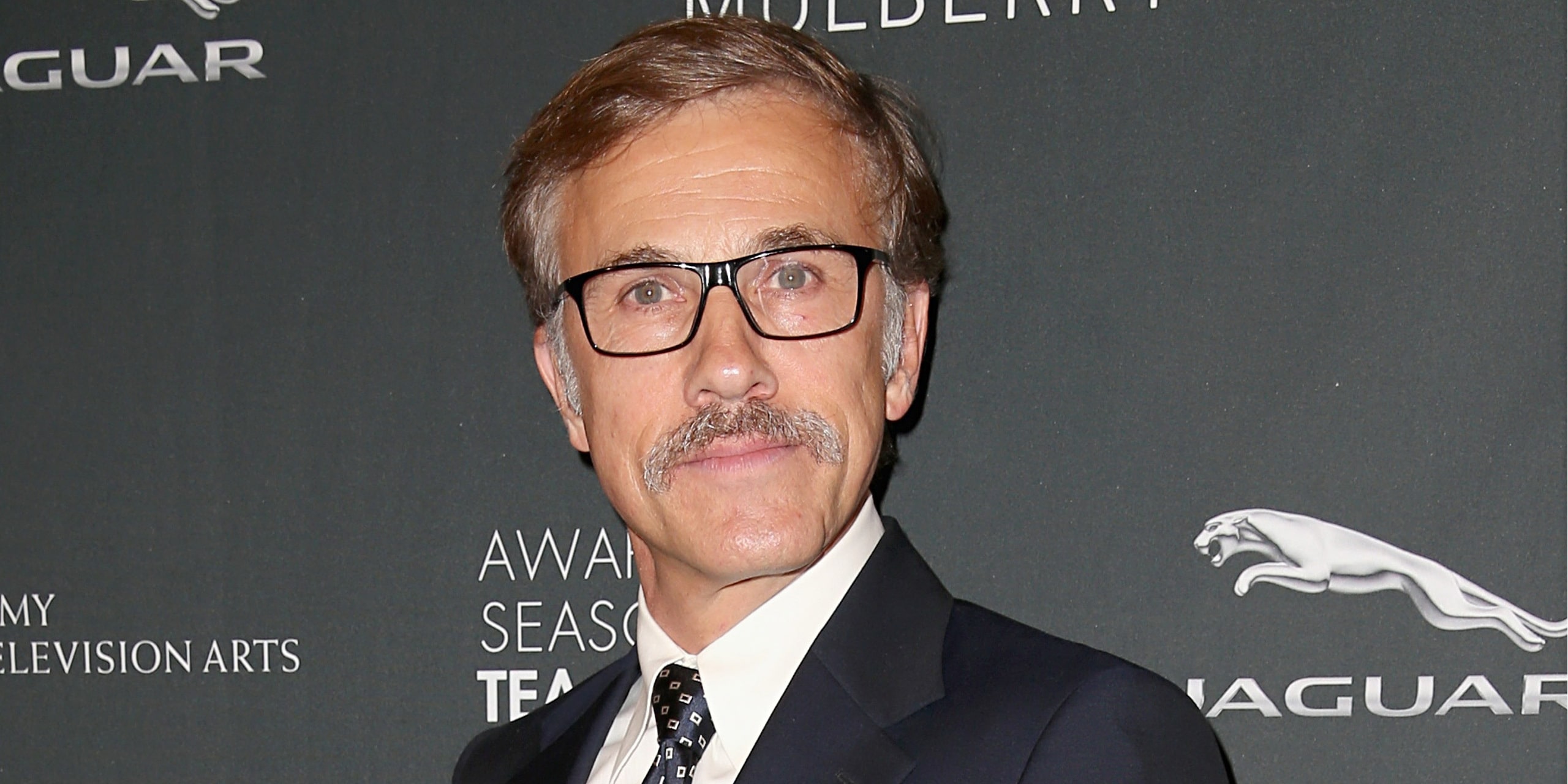
As of 2026, Christoph Waltz’s estimated net worth stands at approximately $30 million, a figure built upon a decades-long career in European theater and a highly successful mid-career transition into Hollywood blockbusters. His pivotal 2011 role as Benjamin Chudnofsky in The Green Hornet served as a critical commercial bridge during his rapid ascent following his breakthrough collaboration with Quentin Tarantino.
Contents
The Trajectory of a Global Talent
Christoph Waltz’s financial standing is not the result of a single breakout moment, but rather the cumulative effect of a sustained career that spans more than four decades. While many audiences in the United States became familiar with his work only after his 2009 performance in Inglourious Basterds, Waltz was already an established, award-winning veteran of German-language television, theater, and cinema.
His wealth is categorized primarily through acting salaries, residual payments from long-running international television series, and high-profile endorsements. Unlike celebrities who rely heavily on brand partnerships or venture capital, the bulk of Waltz’s capital remains tied to his professional performance fees. This approach to wealth management, characterized by a focus on prestige projects and selective big-budget productions, has provided him with long-term financial stability.
The Green Hornet: A Strategic Pivot
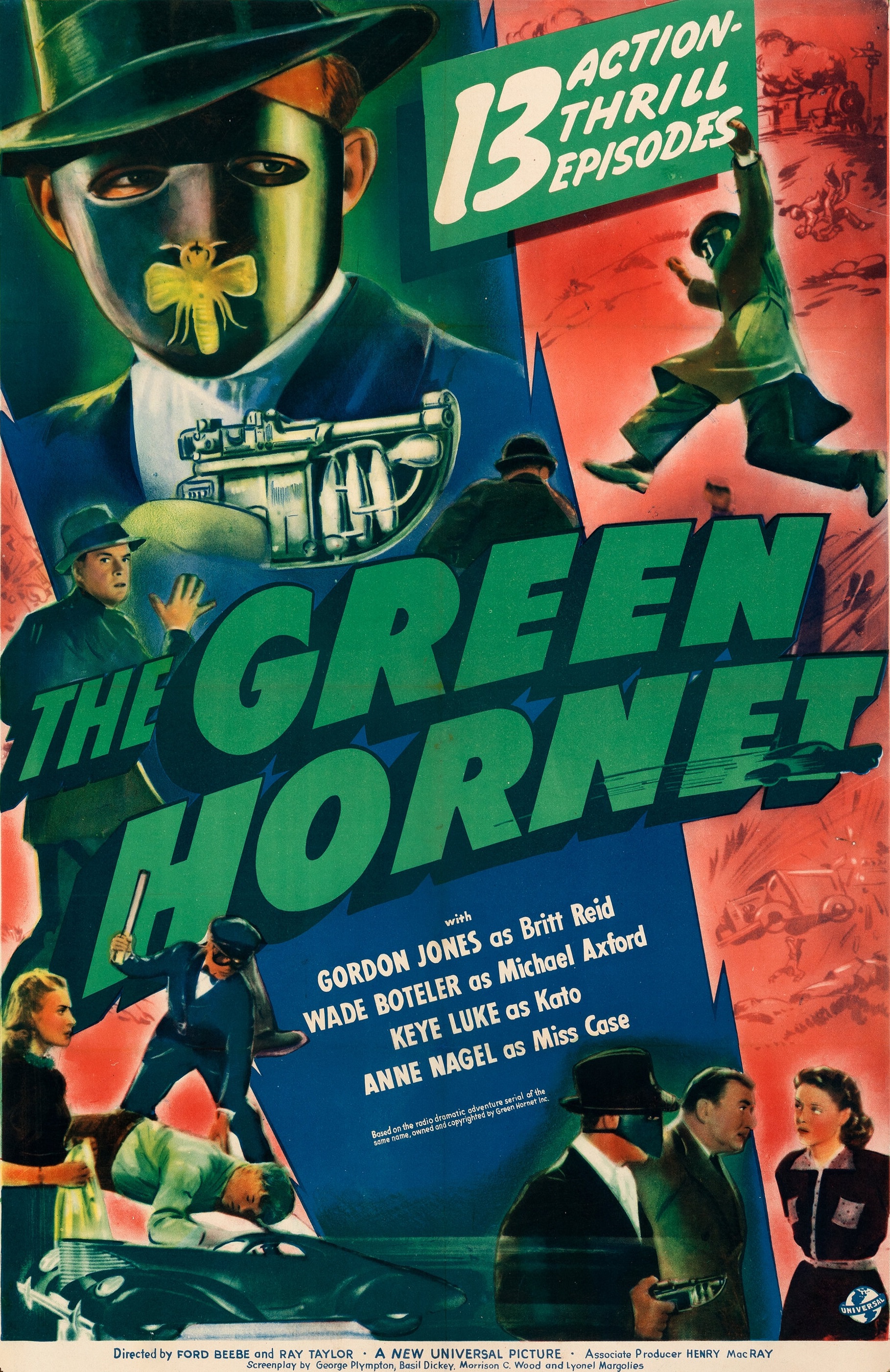
The casting of Christoph Waltz in Michel Gondry’s 2011 film The Green Hornet represented a significant shift in his post-Oscar trajectory. Following his Academy Award win for Best Supporting Actor for Inglourious Basterds, the industry expected Waltz to either disappear back into European independent cinema or transition exclusively into high-stakes villain roles.
The Green Hornet, which saw Waltz playing the antagonist Benjamin Chudnofsky, provided him with experience in the highly technical environment of large-scale, CGI-heavy superhero blockbusters. While the film received mixed critical reviews, it was a financial success at the global box office, grossing over $227 million worldwide. For Waltz, the role served three specific functions:
- Marketability Verification: It proved that his appeal was not limited to the specific dialogue-heavy style of Quentin Tarantino’s films.
- Genre Flexibility: It allowed him to display a more eccentric, comic-book style of villainy, distancing himself from the singular "Nazi hunter" or "cold intellectual" archetypes.
- Financial Scaling: Participation in a major studio production like The Green Hornet significantly increased his baseline salary for subsequent projects, shifting his market value into a higher bracket for future studio negotiations.
Factors Influencing Net Worth
Beyond The Green Hornet, several factors contribute to the current valuation of his estate as of 2026. The nature of his contracts and the longevity of his career play the largest roles in this accumulation.
| Factor | Impact on Wealth | Notes |
|---|---|---|
| Academy Awards | High | Two-time Oscar winner (2010, 2013) drastically increases per-film premiums. |
| Residuals | Moderate | Continued syndication of his early European television work provides consistent, passive income. |
| Studio Blockbusters | High | Roles in franchises like James Bond (Spectre, No Time to Die) ensure top-tier industry compensation. |
| Theater/Art House | Low | These roles prioritize craft and prestige over direct financial gain. |
Financial Management and Industry Position
It is important to understand that in the modern entertainment landscape, net worth is often a moving target based on the valuation of personal investments and long-term contracts. For an actor of Waltz’s stature, income is typically structured through a loan-out corporation, which handles professional expenses, insurance, and tax optimization. This structural approach allows actors to manage the volatility of freelance acting work while maintaining a consistent base of assets.
Furthermore, Waltz’s career demonstrates the economic benefits of international diversification. Because he has maintained a presence in both European and American markets, he is not exclusively dependent on the fluctuations of the Hollywood studio system. His ability to move between high-budget projects and smaller, European-funded independent films provides a hedge against the cyclical nature of American film production.
Evaluating the Value of Iconic Roles
While The Green Hornet provided a necessary financial and professional stepping stone, it is often compared to his other major villainous turns. Critics frequently note that while his performance in The Green Hornet was stylistically distinct, it served as a preparatory experience for his more critically acclaimed work in the James Bond franchise.
When assessing his net worth, industry analysts note that his "per-project" fee saw its most dramatic increases following the critical success of his collaboration with Tarantino. However, the commercial volume provided by films like The Green Hornet ensured that his market value remained high during periods when he was not attached to auteur-driven projects. This hybrid strategy—mixing artistic prestige with commercial reliability—is a common trait among the highest-earning character actors in the industry.
Frequently Asked Questions
1. How did the role in The Green Hornet impact his career? The role allowed Waltz to prove his viability as a high-end antagonist in a major Hollywood studio production. It transitioned him from an "indie-darling" to a bankable star capable of carrying parts in massive franchise films.
2. Is Christoph Waltz’s wealth primarily from acting? Yes. While he likely holds traditional investment portfolios, the vast majority of his public-facing net worth is derived from competitive salary packages for feature films and international television roles.
3. Does his Oscar status influence his salary? Absolutely. Winning two Academy Awards within a short period is a major bargaining chip for an actor. It allows agents to negotiate significantly higher upfront guarantees, back-end profit participation, and favorable contract terms for both prestige and commercial projects.
4. Does he still work in European cinema? Yes. Waltz has maintained a professional commitment to his roots, regularly appearing in European productions. This provides him with artistic variety and prevents him from being pigeonholed as exclusively a Hollywood villain.
Final Recommendation for Industry Observers
For those looking to analyze the financial trajectory of character actors, Christoph Waltz serves as a prime case study. His career highlights the necessity of balancing high-brow artistic contributions with participation in large-scale commercial productions. To maintain consistent growth in earnings, an actor must leverage periods of high critical acclaim—such as those following award wins—to secure positions in films that possess massive international distribution potential, such as The Green Hornet.
Image Gallery