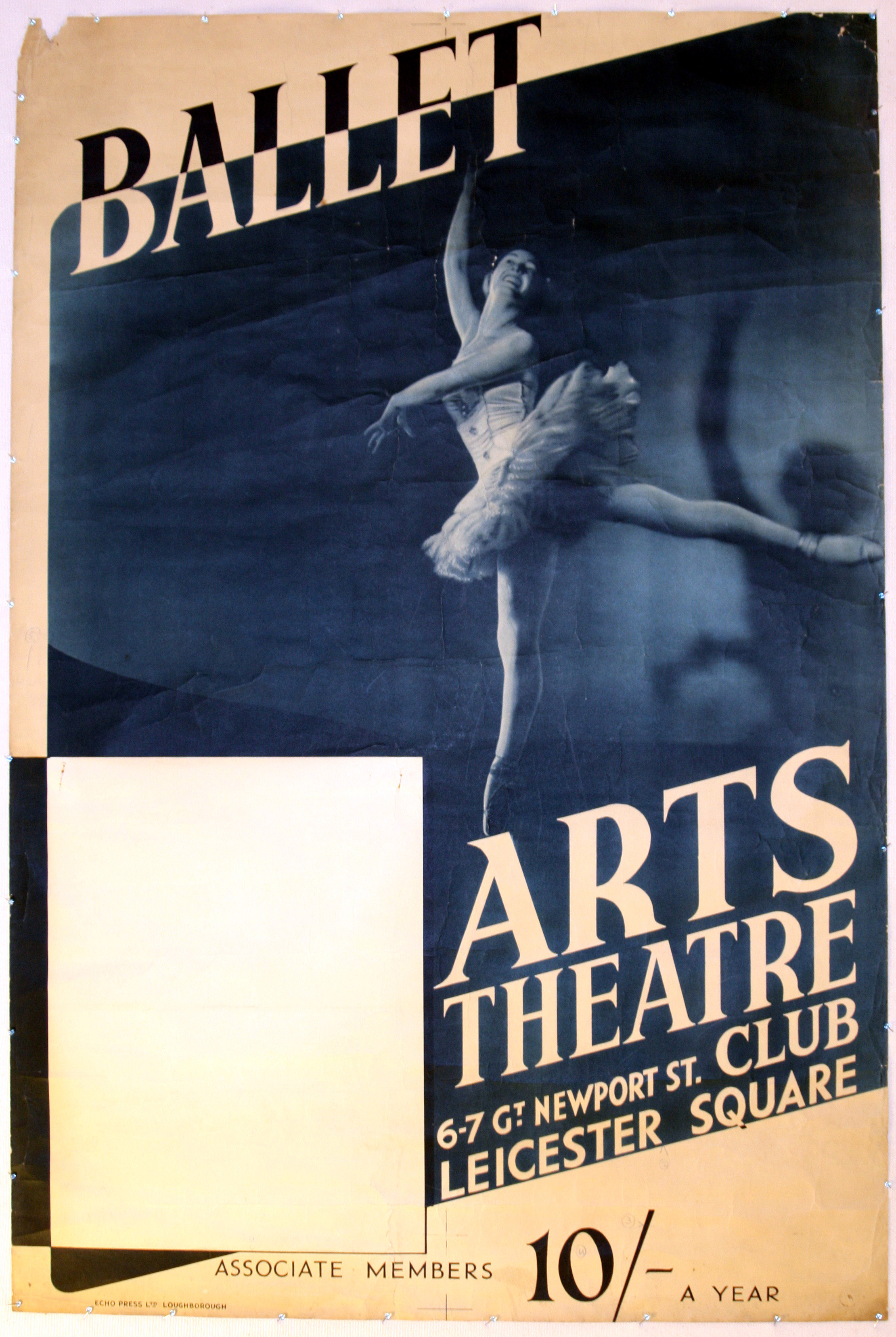
The Role of Ballet Advertisement in Performing Arts Marketing
Ballet advertisement plays a critical role in performing arts marketing by bridging the gap between elite artistic production and sustainable audience engagement. It drives ticket sales, builds organizational brand equity, and transfor...
Ballet advertisement plays a critical role in performing arts marketing by bridging the gap between elite artistic production and sustainable audience engagement. It drives ticket sales, builds organizational brand equity, and transforms niche classical or contemporary dance performances into culturally relevant events that attract both loyal subscribers and first-time attendees.
Contents
Marketing performing arts organizations requires navigating a unique economic and cultural landscape. Unlike consumer packaged goods or standard digital services, ballet companies sell a perishable, highly specialized, and emotionally resonant live product. Ticket inventory cannot be stored or resold after the curtain falls, making effective advertising an urgent operational necessity rather than a passive branding exercise.
Understanding how advertising functions within this sector involves examining audience demographics, media channel selection, promotional budgeting, and the delicate balance between artistic integrity and commercial reach.
The Economic and Strategic Purpose of Ballet Marketing
The primary function of a ballet advertisement campaign is to secure earned revenue through ticket sales while simultaneously cultivating long-term institutional support. Performing arts organizations typically operate on complex funding models that combine contributed income (donations, grants, and endowments) with earned income (single-ticket sales and season subscriptions).
Advertising directly influences earned revenue. By driving volume during peak subscription renewal periods and single-ticket on-sale windows, marketing campaigns stabilize cash flow. Furthermore, consistent visibility through advertising reinforces an organization's cultural prestige within a metropolitan region. This heightened public profile makes the company more attractive to corporate sponsors, philanthropic foundations, and individual donors who want their support associated with a vibrant, visible community institution.
Target Audience Segmentation in Dance Advertising
Effective ballet advertising relies on precise audience segmentation rather than broad, unfocused messaging. Ballet companies generally divide their target markets into distinct tiers, each requiring tailored promotional strategies and distinct creative assets.
| Audience Tier | Characteristics & Motivations | Primary Advertising Channels |
|---|---|---|
| Season Subscribers | Loyal, older, highly committed to traditional repertoire (e.g., Swan Lake, The Nutcracker). | Direct mail, email newsletters, priority telephone renewals, subscriber-only events. |
| Single-Ticket Buyers (Mainstage / Classics) | Attends 1-2 times per year; drawn by spectacle, recognizable titles, or holiday traditions. | Digital display ads, social media video campaigns, local print culture guides. |
| Contemporary Enthusiasts | Younger, culturally curious, interested in innovative choreography and modern design. | Instagram, TikTok, targeted Spotify audio, lifestyle blogs, influencer partnerships. |
| Educational & Family Groups | Parents, schools, and community groups seeking accessible, family-friendly matinee outings. | Local parenting portals, direct outreach to school districts, community newsletters. |
Cultivating Subscribers Versus Single-Ticket Buyers
Subscribers represent the financial bedrock of most classical ballet companies. Advertising directed at this segment emphasizes continuity, exclusivity, and priority seating. Direct mail catalogs, personalized email sequences, and early-bird renewal incentives dominate this category.
Conversely, acquiring single-ticket buyers requires capturing transient interest. These consumers may not know the difference between a grand allegro and a pirouette, but they respond to emotional storytelling, visual beauty, star casting, and cultural relevance. Advertising for mixed repertoires or contemporary bills must therefore highlight innovation, visceral energy, and modern design aesthetics to attract younger or more diverse demographic cohorts.
Core Channels in Modern Ballet Advertising
Ballet marketing departments utilize a blend of traditional media and digital channels to reach prospective patrons. The mix depends heavily on the specific production, the target demographic, and available promotional budgets.
Digital and Social Media Platforms
Visual platforms such as Instagram, TikTok, and YouTube are indispensable for ballet advertising. Because dance is a strictly visual and kinetic medium, short-form video content—such as rehearsal snippets, costume fittings, behind-the-scenes interviews with choreographers, and dramatic stage excerpts—performs exceptionally well.
Paid social media campaigns allow marketers to micro-target users based on interests in classical music, fashion, theater, local arts events, and demographic markers. Search engine marketing (SEM) captures high-intent transactional traffic, ensuring that users searching for terms like "ballet tickets near me" or specific production titles are immediately directed to box office landing pages.
Traditional Print, Outdoor, and Broadcast Media
Despite the digital shift, traditional media retains significant value for prestige positioning. High-end print placements in lifestyle magazines, theater programs, and local arts weeklies establish cultural authority. Outdoor advertising, including transit shelters near cultural districts, subway station billboards, and urban digital displays, builds broad local awareness among commuters and city dwellers. Public radio underwriting and targeted television spots remain effective for reaching mature, affluent audiences who traditionally support major performing arts institutions.
Balancing Artistic Integrity and Commercial Appeal
A central challenge in ballet advertising is negotiating the tension between artistic authenticity and commercial marketability. Artistic directors and choreographers often fear that aggressive advertising might trivialize complex, avant-garde works or pander to the lowest common denominator.
Successful arts marketers resolve this tension through respectful framing. Advertising must educate without oversimplifying. For traditional story ballets, marketing can lean into familiar fairy tales, lush orchestral scores, and holiday nostalgia. For experimental or contemporary programs, advertising should focus on the visceral thrill of human movement, cutting-edge collaborations with contemporary visual artists or musicians, and thought-provoking themes. By framing the art form as vibrant, relevant, and emotionally powerful, advertising bridges the gap between high art and accessible entertainment.
Measuring Campaign Effectiveness and Return on Investment
Evaluating the success of a ballet advertising campaign requires tracking both quantitative financial metrics and qualitative brand indicators. Unlike e-commerce operations that track immediate click-to-buy conversions, arts marketing often involves longer consideration cycles, particularly for major subscriptions.
- Cost Per Acquisition (CPA): Measuring the total advertising spend required to sell a single subscription or ticket package across specific channels.
- Return on Ad Spend (ROAS): Evaluating revenue generated relative to the capital expended on paid digital and traditional campaigns.
- Promo Code Tracking: Utilizing unique discount or tracking codes across print, digital, and broadcast ads to attribute offline interest to specific media sources.
- Audience Composition Surveys: Conducting periodic patron surveys to assess whether advertising initiatives are successfully reaching targeted new demographics or retaining core subscribers.
Frequently Asked Questions
Why is advertising critical for ballet companies when ticket sales rarely cover full operating costs?
While ticket revenue typically covers only a fraction of a ballet company's operating budget—with the remainder funded by donations, grants, and endowments—strong box office numbers are vital. High attendance figures validate the organization's cultural impact, signal institutional health to major donors and corporate sponsors, and drive ancillary revenue such as concessions, parking, and merchandise sales.
How do marketing strategies differ between classical story ballets and contemporary mixed bills?
Classical story ballets like The Nutcracker or Swan Lake rely on universal narratives, recognizable music, and family-friendly appeal, allowing for broad, mass-market advertising. Contemporary mixed bills feature abstract choreography, modern scores, and cutting-edge design, requiring targeted digital campaigns that appeal to culturally adventurous audiences interested in innovation, design, and physical athleticism.
What role does visual content play in ballet advertising?
Visual content is paramount because dance is non-verbal and kinetic. High-resolution photography of dramatic leaps, intricate partnering, and elaborate costume designs immediately communicates the aesthetic beauty and emotional intensity of a production, capturing attention on crowded digital feeds and outdoor billboards alike.
How do ballet companies measure the return on investment for their marketing campaigns?
Marketing departments track performance using a combination of digital analytics, unique promo codes for print and broadcast channels, box office point-of-sale data, and customer relationship management (CRM) software to monitor patron lifetime value, renewal rates, and single-ticket conversion paths.
Can smaller regional ballet companies compete with major metropolitan companies in advertising?
Smaller companies generally lack massive marketing budgets, but they can achieve high impact by focusing on hyper-local community engagement, organic social media storytelling, grassroots partnerships with local businesses, and targeted digital micro-targeting that maximizes return on modest ad spends.
Next Actions for Performing Arts Marketers
To optimize ballet advertising campaigns, arts administrators and marketing directors should audit their current channel attribution methods, ensure creative assets emphasize dynamic visual storytelling, and refine audience segmentation models. By aligning promotional strategies with the specific artistic merits of each production, organizations can expand their reach, stabilize earned revenue, and foster sustainable community engagement.
Image Gallery