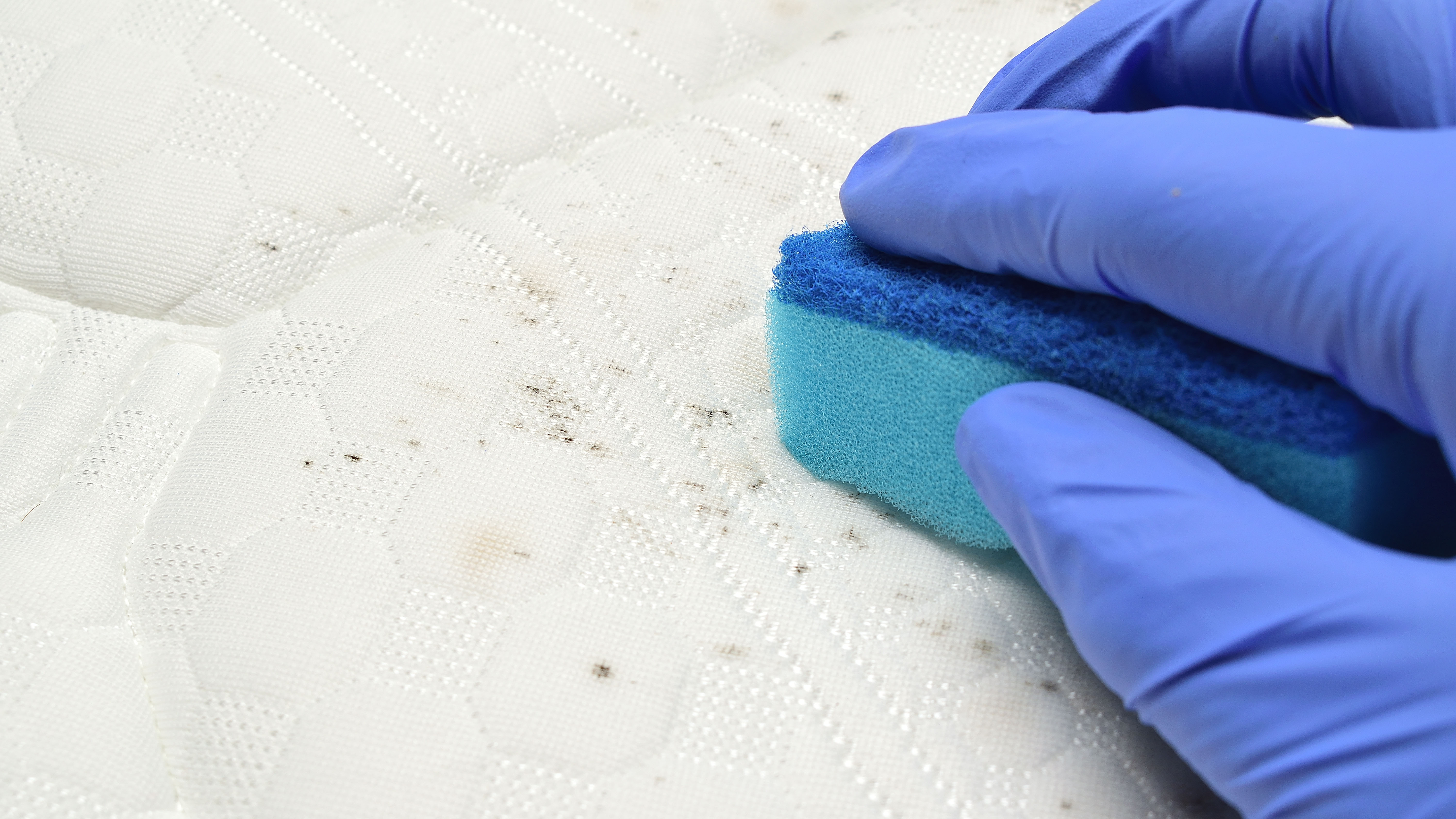
Can a Mattress Be Salvaged After Mold Remediation?
A mattress cannot typically be salvaged after mold remediation because mold spores and hyphae penetrate deep into porous inner materials like memory foam, latex, and inner springs, making complete eradication virtually impossible. Whil...
A mattress cannot typically be salvaged after mold remediation because mold spores and hyphae penetrate deep into porous inner materials like memory foam, latex, and inner springs, making complete eradication virtually impossible. While surface cleaning can temporarily hide visible growth, indoor air quality and health experts strongly advise discarding contaminated mattresses to prevent chronic exposure to mycotoxins and allergens.
Contents
Understanding the Nature of Mold Contamination in Mattresses
Addressing mold contamination in a residential setting often involves professional mold remediation for structural components such as drywall, subfloors, and framing studs. However, porous household furnishings like mattresses present an entirely different logistical and biological challenge. Unlike non-porous surfaces such as glass, metal, or sealed plastic—which can be effectively sanitized with antimicrobial agents—mattresses are engineered to absorb moisture, body oils, and ambient humidity.
When relative humidity remains elevated or an external water source compromises a bedroom, spores floating in the environment settle onto the textile exterior of the bed. Given the organic materials typically found inside a mattress, such as cotton, wool, horsehair, and polyurethane foam, these spores find an ideal nutrient source. Once established, mold does not merely rest on the outer fabric ticking; it extends microscopic root-like structures called hyphae deep into the core layers.
Professional mold remediation companies focus on containment, air filtration using High-Efficiency Particulate Air (HEPA) machines, and the physical removal or chemical treatment of structural building materials. Even the most advanced commercial remediation protocols designed for homes cannot safely or permanently extract biological contaminants embedded deep within the multi-layered construction of a standard mattress. Consequently, treating the room for mold while leaving a contaminated mattress in place creates an ongoing reservoir for reinfection and continued exposure.
Why Porous Materials Resist Surface Cleaning
The primary reason a mattress cannot be reliably salvaged lies in its material composition and structural depth. Most modern mattresses are built using thick layers of open-cell polyurethane foam, memory foam, latex, or densely packed fiber batting. These materials are intentionally designed to be breathable, which inadvertently allows moisture, skin flakes, and mold spores to migrate deep beneath the surface layers.
When individuals attempt DIY remediation methods—such as scrubbing with vinegar, hydrogen peroxide, commercial fabric cleaners, or applying disinfectant sprays—these liquids only treat the topmost layer of the fabric ticking and perhaps the immediate millimeters of underlying foam. In fact, introducing liquid cleaning solutions during a cleaning attempt often increases the internal moisture level of the mattress. Moisture trapped deep inside the foam creates a localized microclimate that accelerates fungal growth rather than stopping it.
Furthermore, standard household disinfectants rarely penetrate deep enough to kill hyphae embedded in the core. Even if surface colonies are temporarily bleached or deactivated, dormant spores deeper inside will reactivate once ambient humidity or body heat introduces moisture. Specialized industrial sterilization chambers, such as those used in medical facilities or textile restoration facilities, can sometimes treat items using ethylene oxide or gamma irradiation. However, these services are cost-prohibitive for consumer bedding, generally unavailable to residential homeowners, and structurally damaging to modern comfort foams.
Health Risks Associated with Retaining a Moldy Mattress
Retaining a mattress that has undergone structural mold exposure poses significant health hazards. Humans spend approximately one-third of their lives sleeping, which means a contaminated bed places the respiratory system in direct, prolonged contact with fungal allergens, irritants, and mycotoxins for hours at a time.
Exposure to indoor mold can trigger a range of adverse health effects, particularly for sensitive populations such as infants, the elderly, individuals with pre-existing allergies or asthma, and those who are immunocompromised. Common symptoms associated with chronic mold exposure in a sleeping environment include:
- Persistent nasal congestion and sinus irritation
- Chronic coughing, wheezing, and shortness of breath
- Skin rashes, irritation, and unexplained dermatitis
- Eye irritation, redness, and watering
- Increased frequency of asthma attacks or upper respiratory infections
In severe cases involving toxic mold species such as Stachybotrys chartarum (often referred to as black mold), exposure to airborne mycotoxins can lead to systemic symptoms, neurological fatigue, and chronic inflammatory response syndrome. Because a mattress acts as an aerosol generator every time an individual moves, sits, or lies down, it constantly releases accumulated spores and dust mite allergens directly into the breathing zone. No level of surface vacuuming or topical spraying can eliminate this internal reservoir of biological particulate matter.
Professional Remediation Standards and Discard Guidelines
When professional remediation contractors inspect a home following water damage, major plumbing leaks, or severe humidity events, their internal guidelines and industry standards—such as those established by the Institute of Inspection Cleaning and Restoration Certification (IICRC S520 guideline for professional mold remediation)—typically mandate the disposal of heavily contaminated porous goods.
Insurance adjusters and professional remediators evaluate structural damage by categorizing water and microbial contamination. Category 3 water damage, which involves grossly contaminated water from sewage sources, flooding, or long-term moisture accumulation, requires the immediate discard of all porous materials, including mattresses, box springs, pillows, and upholstered furniture. Even under Category 2 water damage involving gray water, industry best practices dictate that soft goods cannot be adequately restored to a sanitary condition and must be discarded.
| Contamination Level | Water Source / Severity | Recommended Mattress Action | Rationale |
|---|---|---|---|
| Category 1 | Clean water pipe leak (immediate cleanup) | Evaluate case-by-case; professional drying within 48 hours. | If dried rapidly before spore germination, risk is minimized, though deep foam retention is still risky. |
| Category 2 | Gray water (washing machine overflow, dishwasher leak) | Discard immediately | Contains chemical, biological, or physical contaminants that cannot be safely purged from porous foam. |
| Category 3 | Black water (sewage backup, external flood water) | Mandatory Discard | Severe biological pathogens and mycotoxins render restoration impossible and hazardous to health. |
| Long-Term Humidity | Chronic condensation, roof leaks, hidden HVAC leaks | Mandatory Discard | Prolonged exposure allows deep hyphal colonization throughout internal comfort layers. |
Attempting to certify a mold-contaminated mattress as "safe" after home remediation is an unverified practice. Environmental hygienists and indoor air quality testing professionals cannot issue a clearance certificate for porous soft goods because internal biological testing would require destroying the mattress to sample its core. Therefore, standard protocol requires the removal of the mattress alongside compromised drywall and insulation.
Safe Disposal and Prevention Strategies
Once a determination is made to discard a mattress following mold remediation, proper handling is essential to prevent cross-contamination of other living areas within the home. Dragging an untreated, moldy mattress down carpeted hallways or through clean rooms can dislodge millions of spores, spreading the contamination to unaffected zones.
To safely dispose of a contaminated mattress, follow these operational steps:
- Encase the Mattress: Purchase a heavy-duty plastic mattress bag or zippered disposal encasement designed for moving or hazardous waste. Seal the bag securely using heavy-duty packing tape while the mattress is still resting in the affected bedroom to trap loose spores and dust.
- Check Local Regulations: Contact local municipal waste management authorities or sanitation departments. Many cities have specific ordinances regarding the disposal of mold-damaged household goods, requiring them to be wrapped in plastic before curbside pickup or taken directly to a designated transfer station.
- Avoid Donation or Reselling: Never donate, sell, or place a mold-damaged mattress on the curb without sealing and labeling it as damaged. Passing a compromised bed to another individual transfers significant health risks.
- Address Root Causes: Before introducing a replacement mattress into the sleeping area, ensure that the underlying moisture source has been fully resolved. Verify that relative indoor humidity is maintained between 30% and 50% using dehumidifiers and air conditioning, inspect windows and roofing for leaks, and ensure adequate subfloor ventilation.
Investing in a replacement mattress after completing structural remediation ensures a clean, healthy sleeping environment, protecting both indoor air quality and long-term personal well-being.
Frequently Asked Questions
Can a memory foam mattress be saved if the mold is only on the surface?
Surface mold on memory foam is frequently an indicator of extensive internal colonization. Because memory foam features an open-cell structure that absorbs moisture and organic debris, hyphae routinely penetrate well beneath the visible top layer. Treating only the surface leaves the internal core contaminated, making complete remediation impractical.
Does sunlight and drying out kill mattress mold permanently?
Sunlight and fresh air can dry out a mattress and temporarily inhibit active fungal growth, but they do not eliminate existing spores, dead organic matter, or deep-seated hyphae. Furthermore, UV exposure degrades modern upholstery foams and does not remove mycotoxins that have already settled within the fabric layers.
Will renters insurance or homeowners insurance cover a mattress ruined by mold?
Insurance coverage for mold damage varies significantly depending on the specific policy language and the proximate cause of the loss. If mold resulted from a sudden, accidental plumbing failure covered by the policy, insurers may cover personal property loss, including bedding. However, mold resulting from chronic humidity, gradual leaks, or poor maintenance is typically excluded from standard policies.
How long does it take for mold to grow inside a damp mattress?
Under optimal conditions involving high humidity, ambient warmth, and an organic food source like skin flakes or dust, mold can begin germinating and growing within 24 to 48 hours of initial moisture exposure. This rapid timeline underscores the importance of immediate drying or discarding after water intrusion events.
Are waterproof mattress protectors effective at preventing mold?
Waterproof mattress protectors with breathable, moisture-barrier membranes can prevent liquid spills and sweat from penetrating into the core layers of the mattress. However, they do not protect against external environmental humidity, condensation from cold subfloors, or pre-existing moisture trapped underneath the bed frame.
Image Gallery