Understanding the Role of Men and Women: Evolution, Dynamics, and Modern Perspectives
Understanding the role of men and women involves examining how biological, cultural, historical, and psychological factors shape gender expectations across societies. Far from being static, these roles have evolved from rigid survival-...
Understanding the role of men and women involves examining how biological, cultural, historical, and psychological factors shape gender expectations across societies. Far from being static, these roles have evolved from rigid survival-based divisions of labor into dynamic, overlapping responsibilities influenced by modern legal frameworks, economic shifts, and changing social philosophies.
Contents
Historical Evolution of Gender Roles
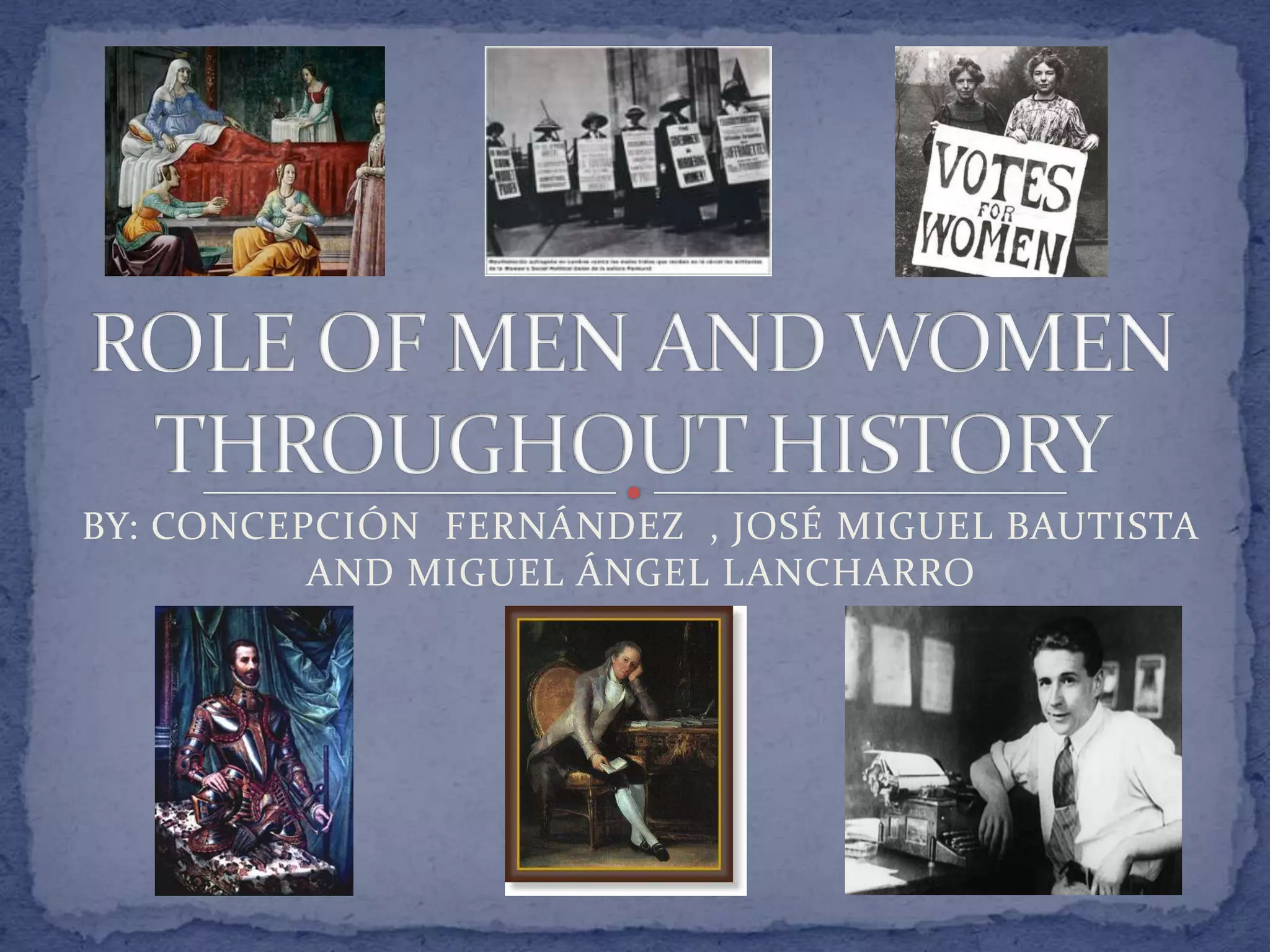
Throughout human history, the division of labor between men and women was primarily shaped by biological realities and ecological demands. In hunter-gatherer societies, physical strength and reproductive constraints dictated daily tasks. Men frequently engaged in large-game hunting and territorial defense, while women managed child-rearing and gathered plant-based resources. This division was not necessarily hierarchical; rather, both contributions were vital for community survival.
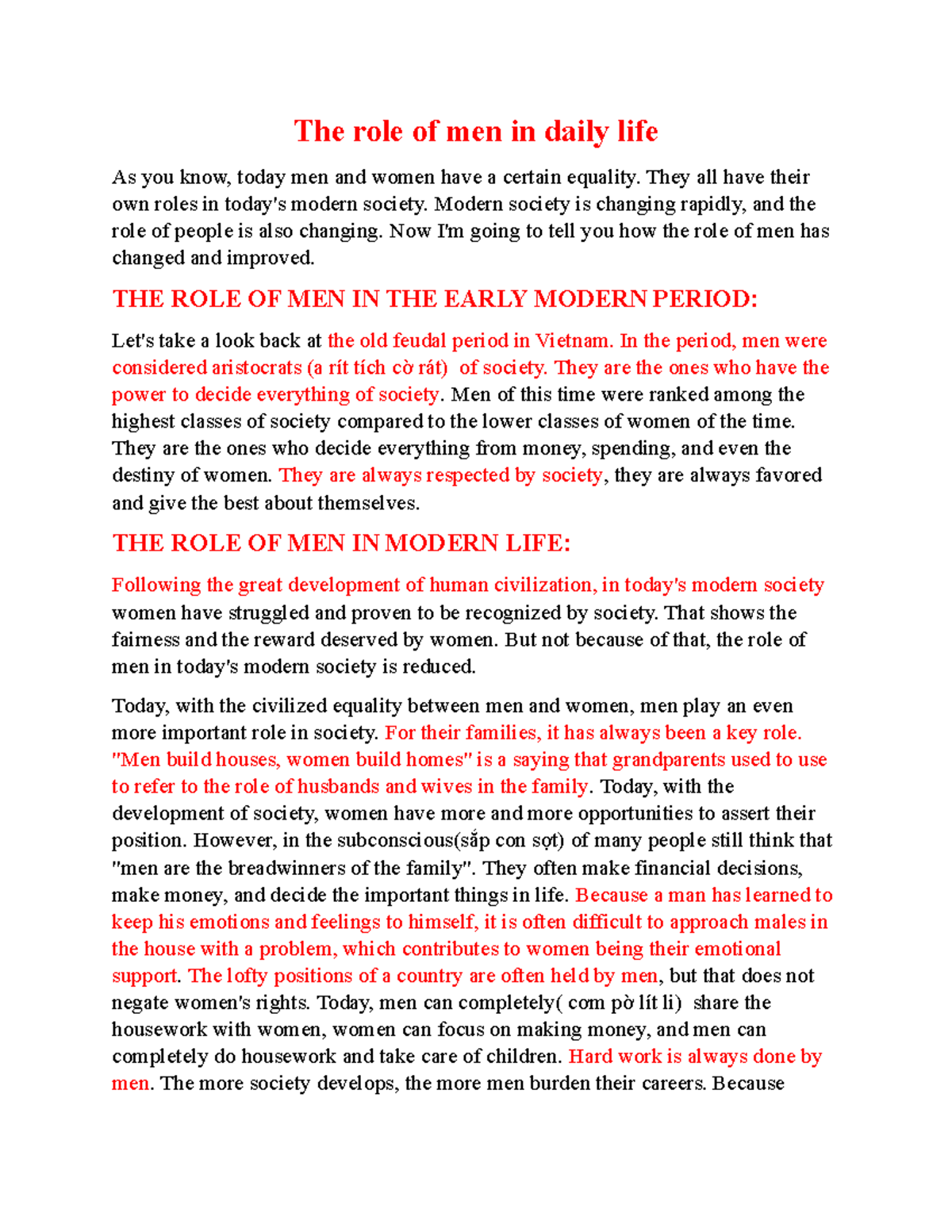
As human societies transitioned toward agricultural and industrial models, these functional divisions transformed into institutionalized systems. The development of property ownership, centralized governance, and patriarchal legal structures often restricted women's access to public life, political power, and independent economic resources. Men were predominantly cast as public breadwinners and political actors, while women were largely confined to domestic spheres.
The 19th and 20th centuries challenged these historical constraints. Industrialization, World Wars, and the rise of organized social movements dismantled many structural barriers. Women entered the formal workforce en masse, securing legal rights such as suffrage, property ownership, and workplace protections. Concurrently, public discourse began questioning the psychological and social costs of rigid masculine expectations, laying the groundwork for contemporary egalitarian frameworks.
Biological, Psychological, and Sociological Influences
The debate surrounding the roles of men and women often intersects with the classic nature versus nurture paradigm. Modern biological science indicates that genetic and hormonal factors—such as testosterone and estrogen differences—influence certain physiological traits, physical capacities, and baseline behavioral tendencies. However, neuroscientists and behavioral researchers emphasize that these biological markers interact dynamically with environmental stimuli, making rigid behavioral determinism scientifically inaccurate.
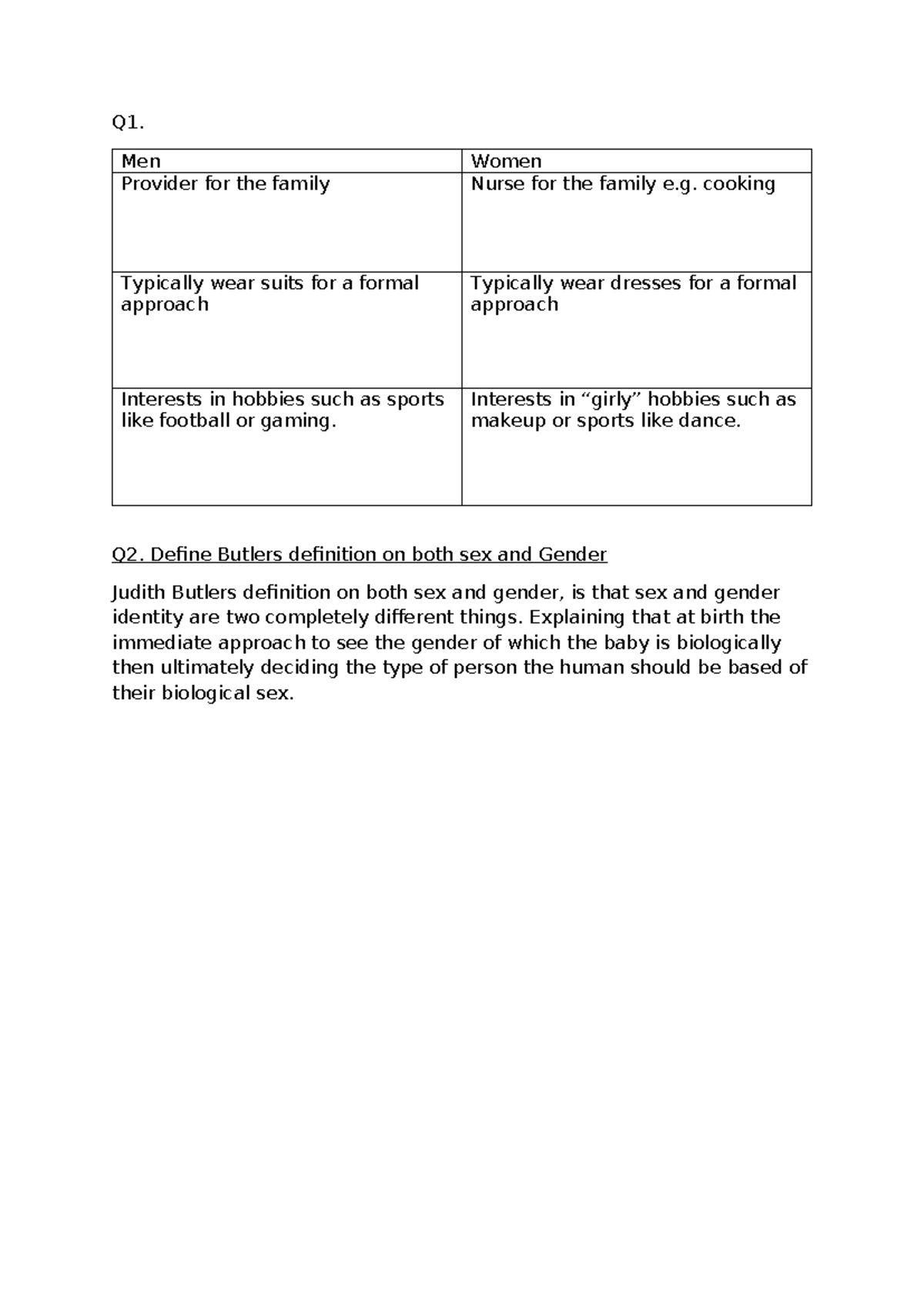
Sociological and psychological perspectives highlight the power of socialization. From early childhood, individuals absorb gender norms through parental expectations, educational systems, media representation, and peer interactions. Gender schemas—cognitive frameworks that organize information about what is considered appropriate for males and females—guide self-perception and behavior.
| Dimension | Traditional Framework | Modern Egalitarian Framework |
|---|---|---|
| Economic Contribution | Men as primary breadwinners; women as domestic caretakers. | Dual-income households, shared financial responsibilities, and flexible career paths. |
| Decision-Making | Hierarchical authority vested primarily in male heads of households. | Collaborative decision-making based on competence, consensus, and mutual respect. |
| Parental Involvement | Distant paternal oversight; intensive maternal caregiving. | Active, hands-on co-parenting with shared domestic and emotional labor. |
| Social Expectations | Rigid emotional suppression for men; physical and intellectual confinement for women. | Emotional intelligence encouraged across genders; dismantling of restrictive stereotypes. |
Modern Family and Relationship Dynamics
In contemporary society, the traditional nuclear family model has diversified significantly. Economic pressures, higher educational attainment among women, and shifting cultural values have redefined partnership dynamics. Modern households increasingly operate on egalitarian principles, where tasks such as childcare, cooking, financial management, and home maintenance are negotiated rather than prescribed by tradition.
Despite significant progress, the "second shift"—a sociological term describing the unpaid domestic labor performed after a day of formal employment—frequently falls disproportionately on women. Addressing this imbalance requires intentional communication and structural support, such as accessible childcare and equitable parental leave policies. At the same time, modern men face unique adjustments, navigating the tension between traditional provider expectations and the emotional demands of engaged fatherhood.
Professional Environments and Economic Participation
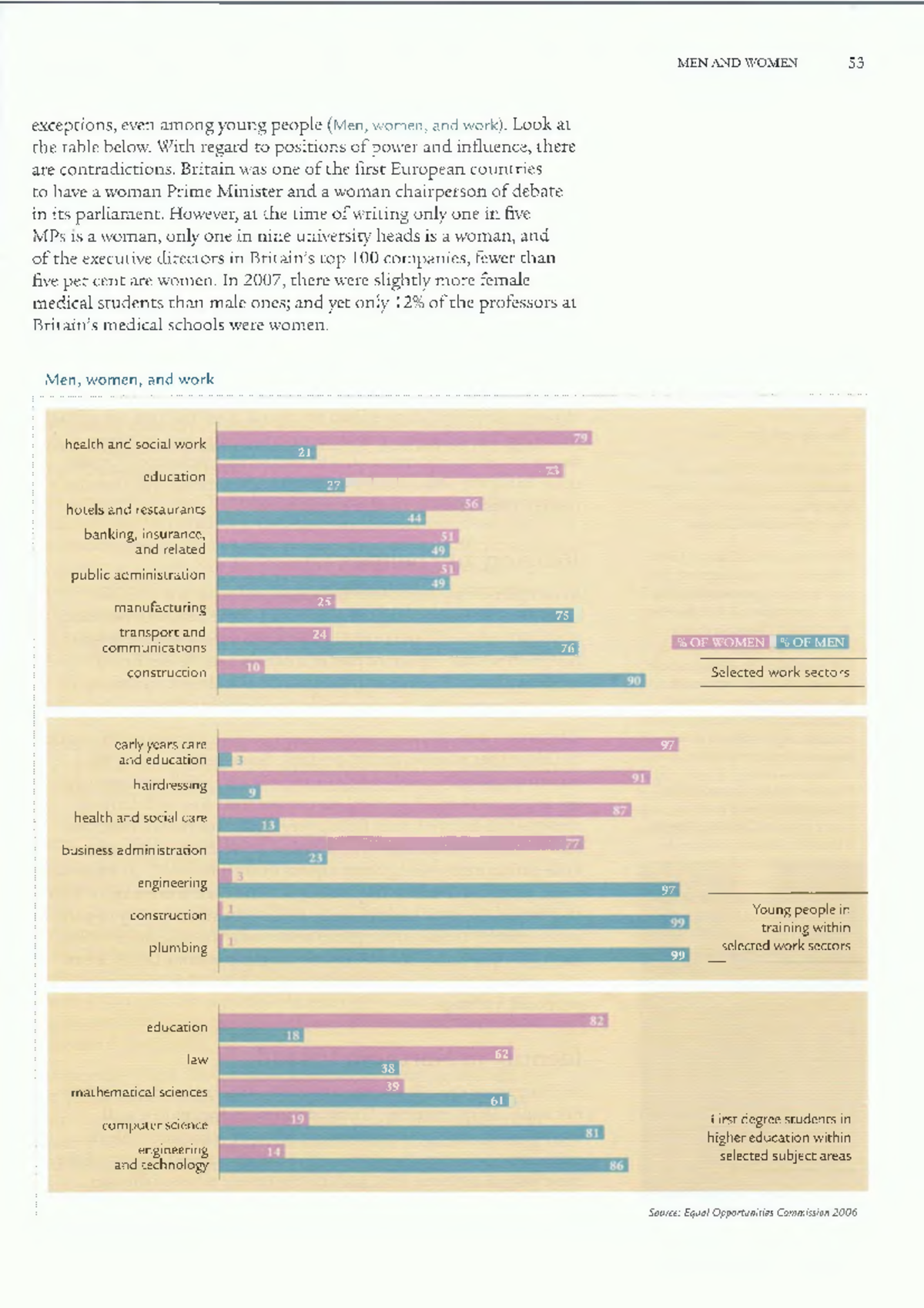
The workplace serves as a critical arena where the roles of men and women continue to intersect and evolve. Equal pay legislation, anti-discrimination laws, and corporate diversity initiatives have expanded professional access for women globally. However, systemic challenges persist, including the gender wage gap, the underrepresentation of women in executive leadership and STEM fields, and biases surrounding pregnancy and motherhood.
Concurrently, economic transformations have altered men's career trajectories. The decline of heavy manufacturing and the expansion of the service and knowledge economies have shifted labor market demands. Professions historically dominated by women, such as nursing, education, and social work, are seeing gradual shifts in male participation, reflecting a broader cultural movement toward occupational choice based on individual aptitude rather than gender norms.
Common Misconceptions and Challenges
Discussing gender roles often invites polarization and oversimplification. Recognizing the nuances of this subject requires avoiding several frequent pitfalls:
- Assuming Uniformity: Treating "men" or "women" as monolithic groups ignores intersections of race, class, culture, and individual agency.
- Equating Difference with Inequality: Acknowledging biological or psychological differences does not inherently justify social subordination or restricted rights.
- Rejecting Personal Choice: True egalitarianism supports both women who choose traditional homemaking roles and those who pursue aggressive corporate or public careers, provided those choices are uncoerced.
- Ignoring Structural Barriers: Overemphasizing individual choice can obscure systemic inequities, such as lack of parental support or discriminatory hiring practices.
Frequently Asked Questions
What causes differences in the roles of men and women across cultures?
Cultural differences stem from a combination of economic systems, religious traditions, historical precedents, and environmental pressures. Societies facing severe resource scarcity often develop specialized survival tasks, whereas affluent, technologically advanced societies generally afford greater flexibility in personal and professional roles.
How do modern laws protect gender equality in the workplace?
Legislation such as the Equal Pay Act, Title VII of the Civil Rights Act in the United States, and equivalent international statutes prohibit discrimination in hiring, compensation, and promotion based on sex. Regulatory bodies enforce these laws to ensure equitable treatment and recourse for affected employees.
Are gender roles entirely socially constructed?
Research indicates a complex interplay. While biological predispositions influence physical attributes and certain behavioral baselines, the vast majority of social expectations, occupational segregation, and emotional norms are culturally learned and reinforced through socialization.
How has the role of fathers changed in modern parenting?
Modern fathers are increasingly expected to be emotionally and physically present co-parents. Rather than acting solely as financial providers, contemporary fathers frequently participate in daily childcare, emotional support, and household management.
What is the impact of gender stereotypes on mental health?
Rigid gender norms can cause psychological distress. Men socialized to suppress vulnerability often experience higher rates of unaddressed depression and lower rates of help-seeking behavior. Conversely, women burdened by unrealistic standards of physical perfection and domestic perfectionism face elevated risks of anxiety and burnout.
Conclusion and Next Actions
Understanding the role of men and women requires looking beyond rigid historical dogma and embracing a framework of mutual respect, individual capability, and legal equity. To foster healthier relationships and fairer institutions, individuals can evaluate their own implicit biases, promote open communication in personal partnerships, and support inclusive workplace and community policies that value diverse contributions regardless of gender.
Image Gallery