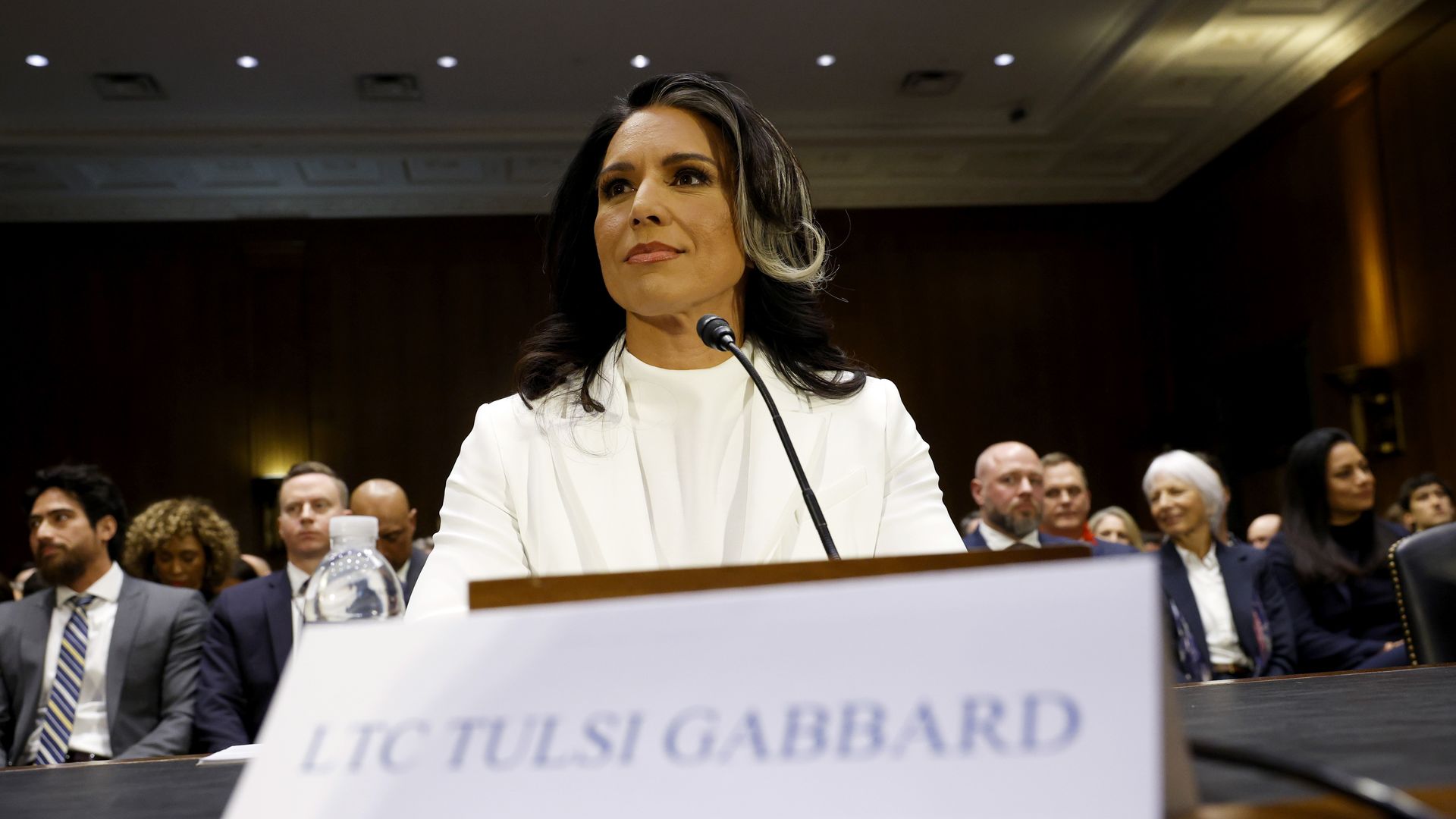
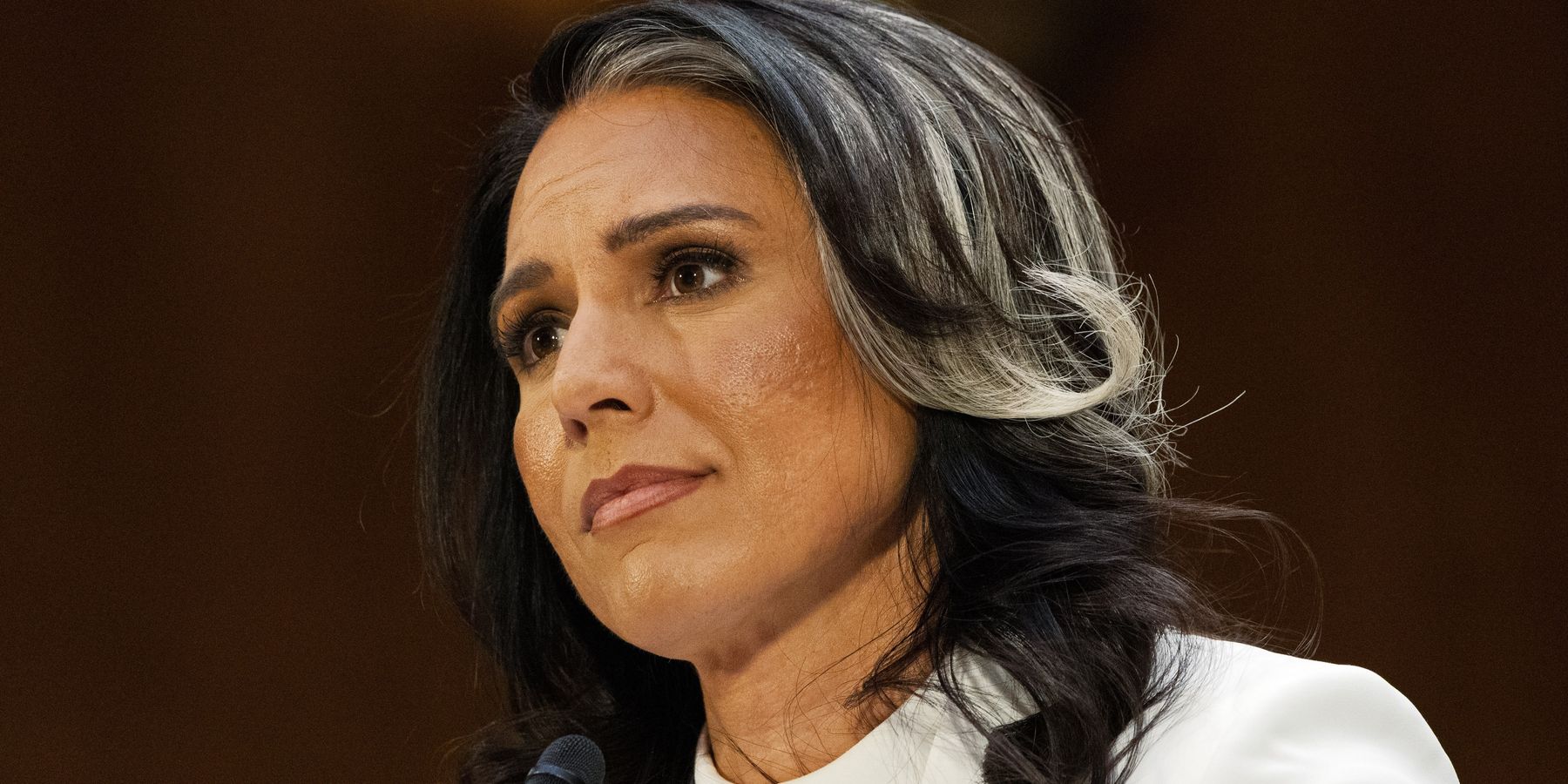
Tulsi Gabbard’s Key Statements on Iran: A Policy Analysis
Tulsi Gabbard’s statements on Iran have consistently centered on avoiding "regime change wars," criticizing the 2020 assassination of Qasem Soleimani as an unconstitutional act of war, and advocating for diplomatic engagement via the J...
Tulsi Gabbard’s statements on Iran have consistently centered on avoiding "regime change wars," criticizing the 2020 assassination of Qasem Soleimani as an unconstitutional act of war, and advocating for diplomatic engagement via the JCPOA. As of 2026, her record reflects a non-interventionist approach that prioritizes American national security over Middle Eastern regime-change entanglements.
Contents
Throughout her career as a U.S. Representative, a 2020 presidential candidate, and a prominent political commentator, Tulsi Gabbard has maintained a distinct and often polarizing stance on United States-Iran relations. Her perspective is deeply rooted in her experience as a combat veteran of the Iraq War, which led her to become one of the most vocal critics of interventionist foreign policy in Washington. To understand her key statements on Iran, one must view them through the lens of her broader "anti-war" and "anti-regime change" philosophy.
The Philosophical Foundation: Non-Interventionism
Gabbard’s positions on Iran are rarely about the Iranian government itself; rather, they focus on the American response to it. She has frequently stated that while the Iranian regime may be oppressive or hostile to U.S. interests, those factors do not justify a military intervention that could result in a catastrophe larger than the Iraq and Afghanistan wars combined.
Her core argument is that the "war-mongering" establishment in Washington—often referred to by her as the "Military-Industrial Complex"—seeks to manufacture consent for a conflict with Iran. Gabbard argues that such a conflict would serve the interests of defense contractors and foreign lobbyists rather than the American people. In her view, the primary duty of the U.S. government is to protect its citizens, and a war with Iran would do the opposite by draining resources, costing lives, and destabilizing the global economy.
Key Statements on the Assassination of Qasem Soleimani
One of the most defining moments in Gabbard’s public discourse regarding Iran occurred in January 2020, following the U.S. drone strike that killed Iranian General Qasem Soleimani. While many of her colleagues in Congress focused on Soleimani's history of orchestrating attacks against U.S. troops, Gabbard pivoted to the legality and strategic consequences of the strike.
An "Unconstitutional Act of War"
Gabbard was among the first to label the strike an "unconstitutional act of war." She argued that the Trump administration had carried out an assassination without the authorization of Congress, thereby violating the War Powers Resolution and the Constitution. Her statements emphasized that the executive branch does not have the unilateral power to initiate a conflict with a sovereign nation that has not attacked the United States.
The Warning of Escalation
Beyond the legalities, Gabbard warned that the killing of Soleimani put the United States on a direct path to a "devastating" war. She stated that the action was a tactical success but a strategic failure, as it removed any possibility of diplomatic resolution and practically guaranteed Iranian retaliation. She frequently used the phrase "tit-for-tat" to describe the cycle of violence she believed would follow, leading eventually to a full-scale ground invasion that the U.S. was not prepared to handle.
The Joint Comprehensive Plan of Action (JCPOA)
Gabbard’s stance on the Iran Nuclear Deal (JCPOA) provides insight into her preference for diplomacy over sanctions or military force. While she acknowledged that the deal was "imperfect," she remained a supporter of the agreement because she believed it was the most effective way to prevent Iran from obtaining a nuclear weapon without going to war.
Support for Diplomacy
In 2015, Gabbard supported the implementation of the JCPOA, arguing that it provided the necessary transparency and oversight to monitor Iran’s nuclear program. When the United States withdrew from the deal in 2018 under the Trump administration, Gabbard was highly critical. She stated that the withdrawal undermined American credibility and left the U.S. with only two options: "accepting a nuclear-armed Iran or another war in the Middle East."
Critiquing the "Maximum Pressure" Campaign
Following the U.S. withdrawal from the JCPOA, the "maximum pressure" campaign of economic sanctions became the primary tool of U.S. policy. Gabbard argued that these sanctions were "economic warfare" and were failing to achieve their stated goals. She claimed that instead of forcing Iran to the negotiating table, the sanctions were hurting the Iranian civilian population and strengthening the hardliners within the Iranian government who sought confrontation with the West.
Warnings of a "Costly" War
A recurring theme in Gabbard's rhetoric is the literal and metaphorical cost of a war with Iran. She often draws parallels between the current tensions with Iran and the lead-up to the 2003 invasion of Iraq.
- Human Cost: As a veteran who served in medical units, Gabbard frequently speaks about the "unseen" costs of war, including the trauma faced by veterans and the loss of life among both soldiers and civilians.
- Economic Cost: She has argued that a war with Iran would cost trillions of dollars, which she believes should be "invested here at home" in infrastructure, education, and healthcare.
- Regional Instability: Gabbard has stated that a war with Iran would create a power vacuum, potentially allowing terrorist groups like ISIS and Al-Qaeda to resurge, similar to the aftermath of the Iraq War.
Differentiating the People from the Regime
In several interviews and town halls, Gabbard has made a point to distinguish between the Iranian government and the Iranian people. She has expressed support for the Iranian people's aspirations for freedom and human rights but remains firm that the U.S. military should not be the tool used to achieve those ends. Her "key statements" often emphasize that "regime change" imposed from the outside rarely results in a stable or democratic outcome, citing Libya and Syria as contemporary examples of failed interventions.
Comparison of Foreign Policy Approaches
To better understand where Gabbard’s statements fall within the broader political spectrum as of 2026, it is helpful to compare her non-interventionist stance with other common geopolitical strategies.
| Feature | Tulsi Gabbard's Approach | Neoconservative Approach | Liberal Internationalist Approach |
|---|---|---|---|
| Primary Goal | Avoiding "Regime Change" wars | Spreading democracy/US Hegemony | Maintaining global order/institutions |
| View on JCPOA | Supports (as a tool for peace) | Opposes (seen as a sign of weakness) | Supports (multilateral cooperation) |
| Military Action | Only in direct self-defense | Preventive/Pre-emptive strikes | Humanitarian intervention/Coalitions |
| Sanctions | Opposes (sees as economic war) | Favors (as a tool for regime collapse) | Favors (to enforce international law) |
| Role of Congress | Absolute requirement for war | Executive-led foreign policy | Collaborative but flexible |
The Evolution of Her Rhetoric (2022–2026)
Following her departure from the Democratic Party in 2022, Gabbard’s statements on Iran took on a more "realist" tone. While she remained anti-war, she became increasingly critical of what she called the "woke" foreign policy of the Biden-Harris administration. However, her core message regarding Iran remained consistent: the U.S. must avoid being "sucked into" a regional conflict.
In the current 2026 political environment, her warnings from 2019 and 2020 are often cited by her supporters as "prophetic," especially in discussions regarding the shifting alliances in the Middle East. She has continued to argue that the U.S. should focus on "ending the era of regime-change wars" and pivoting toward a foreign policy of "peace and prosperity through strength and diplomacy."
Frequently Asked Questions
Did Tulsi Gabbard ever support the Iranian regime?
No. Tulsi Gabbard has stated multiple times that her opposition to war with Iran is not an endorsement of its government. She has described the Iranian leadership as oppressive but argues that the U.S. has no business trying to overthrow it, as history shows such interventions lead to more suffering and regional chaos.
What is her stance on Iran's relationship with Israel?
Gabbard has acknowledged the security concerns of Israel regarding Iran. However, she has warned that the U.S. should not be "blindly led" into a war by the interests of any foreign nation. Her priority, as stated in her various key statements, is always the national security and interests of the United States.
Has Tulsi Gabbard met with Iranian officials?
Unlike her controversial meeting with Syrian President Bashar al-Assad, there is no public record of Tulsi Gabbard meeting with high-ranking Iranian officials. Her statements on Iran have been based on legislative actions, public policy, and her interpretation of constitutional law.
Why does she call sanctions "economic warfare"?
Gabbard argues that broad-based sanctions are designed to cripple a country's economy to the point of social collapse. She believes this "weaponization of the dollar" disproportionately affects the most vulnerable citizens—such as those needing medicine or food—rather than the ruling elite, and often serves as a "quiet" precursor to actual military conflict.
How does she view the 2020 Soleimani strike in 2026?
Looking back from 2026, Gabbard remains firm that the 2020 strike was a violation of the War Powers Act. She continues to use this event as a primary example of "executive overreach" and a dangerous precedent that allows any president to start a war without a vote from the representatives of the American people.
Practical Recommendations for Policy Analysis
For students of political science or citizens looking to verify Gabbard’s positions, the following steps are recommended:
- Review the Congressional Record: Search for Gabbard’s votes on the "National Defense Authorization Act" (NDAA) and specific "War Powers" amendments between 2013 and 2021.
- Examine Her 2020 Campaign Platforms: Her official website archives provide detailed white papers on her "Stop the War" initiatives.
- Consult Primary Sources: Watch her 2019-2020 interviews with major news outlets (such as Fox News and CNN) where she specifically discusses the Soleimani strike.
- Distinguish Between Policy and Rhetoric: Always look for her specific legislative proposals, such as the "No War Against Iran Act," which she co-sponsored to prevent federal funds from being used for unauthorized military action.
Understanding Tulsi Gabbard’s statements on Iran requires moving past the soundbites and looking at the consistent, isolationist-leaning framework she has applied to every major Middle Eastern conflict of the 21st century.
Image Gallery