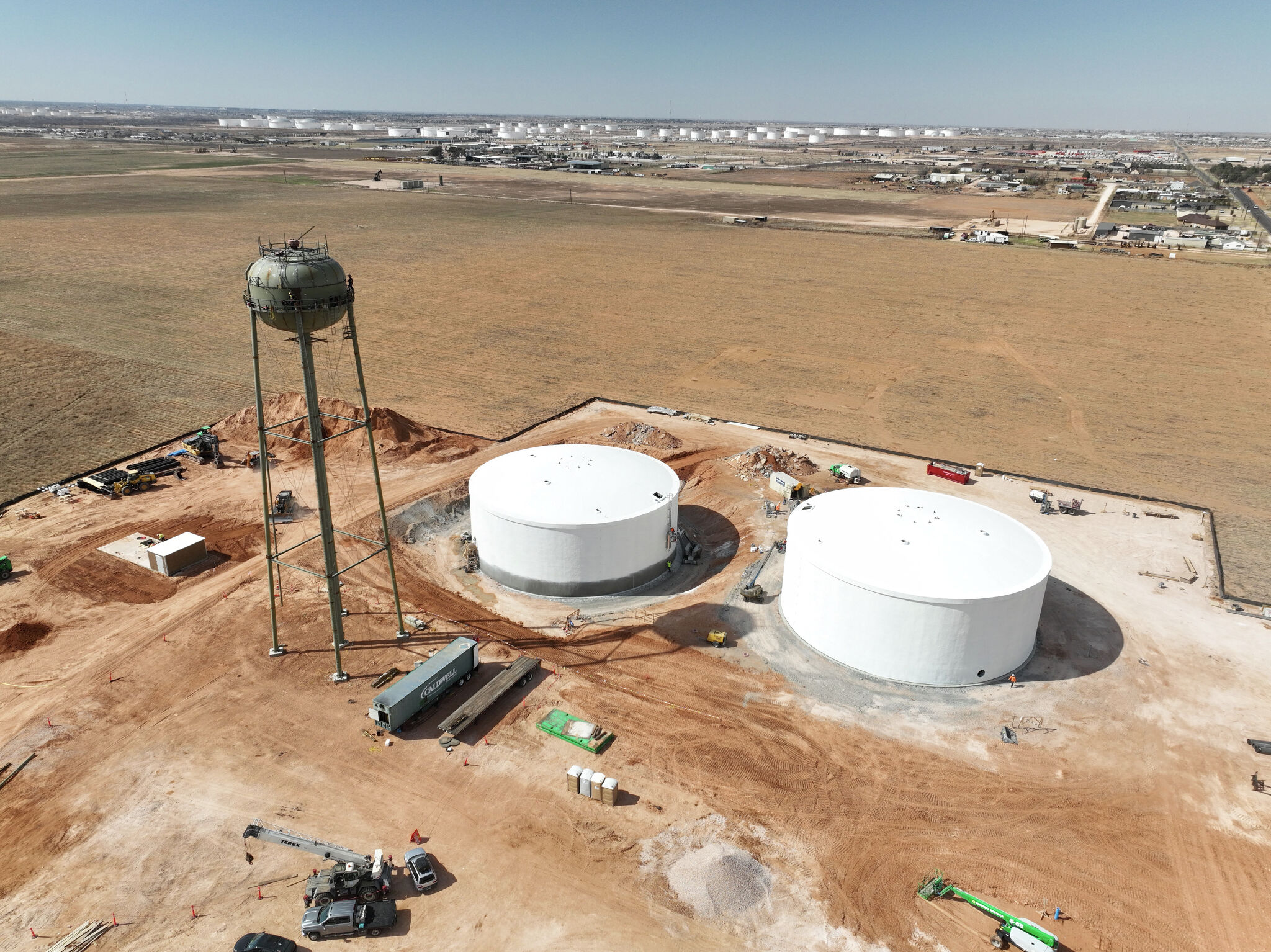
Understanding Water Treatment in Midland Texas
Midland, Texas relies on a complex network of groundwater and surface water sources to supply its growing population and industrial base, making municipal and residential water treatment an essential priority for water safety and infra...
Midland, Texas relies on a complex network of groundwater and surface water sources to supply its growing population and industrial base, making municipal and residential water treatment an essential priority for water safety and infrastructure reliability. Water treatment in this semi-arid region addresses unique geological conditions, high mineral content, and regional contaminant challenges through advanced municipal purification facilities and residential filtration systems.
Contents
The Foundations of Midland’s Water Supply
Water treatment in Midland, Texas begins at the source. The city draws its water from a combination of deep groundwater aquifers, such as the Edwards-Trinity (Plateau) and the Ogallala aquifers, as well as surface water sources like the T.V. Lee Water Treatment Plant and imported supplies. Because this geographic area sits atop mineral-rich sedimentary basins, the raw water pulled from these sources typically carries a heavy load of dissolved solids, calcium, magnesium, and naturally occurring minerals.
Raw water acquisition requires continuous monitoring to track shifts in water tables and seasonal quality fluctuations. The semi-arid climate of the Permian Basin means that evaporation rates are high, which can concentrate minerals in surface reservoirs. Consequently, municipal engineers must adjust treatment chemical dosages dynamically. Understanding this baseline is crucial for both municipal planners and private property owners who need to know why their water behaves a certain way before it ever enters a home plumbing system.
Municipal Water Treatment Infrastructure and Processes
The City of Midland operates advanced treatment facilities designed to transform raw, mineral-laden water into potable supply that meets or exceeds standards set by the Texas Commission on Environmental Quality (TCEQ) and the federal Environmental Protection Agency (EPA). The treatment train generally involves several sequential stages:
- Coagulation and Flocculation: Chemical coagulants like aluminum sulfate are added to the raw water to neutralize electrical charges of suspended particles, causing them to clump together into larger flocs.
- Sedimentation: Water moves into large basins where gravity pulls the heavy flocs to the bottom, separating them from the clearer water above.
- Filtration: The clarified water passes through rapid gravity filters composed of layers of sand, anthracite, and gravel to remove remaining microscopic particulates.
- Disinfection: Chlorine or chloramines are introduced to eradicate pathogenic bacteria, viruses, and other disease-causing microorganisms.
- Corrosion Control and Fluoridation: Anti-scalants or pH-adjusting chemicals are often added to protect distribution pipes from leaching heavy metals, alongside regulated amounts of fluoride for dental health.
Hard Water Challenges and Mineral Content
One of the most persistent characteristics of water in Midland, Texas is its extreme hardness. Hard water is defined by high concentrations of dissolved calcium and magnesium ions. While these minerals do not pose an immediate acute health risk, they create significant secondary problems for households and industrial equipment.
When hard water is heated, calcium and magnesium precipitate out of solution to form a hard, chalky scale. This scale accumulates inside water heaters, dishwashers, washing machines, and household piping, drastically reducing appliance efficiency and lifespan. Furthermore, hard water reacts poorly with soaps and detergents, preventing rich lathers and leaving a stubborn soap scum film on skin, hair, glassware, and bathroom fixtures.
| Water Property | Typical Midland Range | Impact on Household | Recommended Action |
|---|---|---|---|
| Total Hardness | 150 to 300+ mg/L (Hard to Very Hard) | Scale buildup, reduced soap lather, dry skin | Install a whole-house ion-exchange water softener |
| Total Dissolved Solids (TDS) | Moderately High | Flat or mineral taste, spotting on dishes | Use Reverse Osmosis (RO) for drinking water |
| Chlorine / Chloramines | Municipal standard levels | Chemical smell or taste | Use carbon block filters at the point of use |
| Iron and Manganese | Trace to low levels | Occasional staining of fixtures | Iron-filtering media if levels exceed thresholds |
Residential Water Treatment Solutions
Because municipal treatment plants focus on safety, disinfection, and regulatory compliance rather than cosmetic water perfection, many Midland residents invest in supplemental residential water treatment systems. Choosing the right system depends on individual water test results, household size, and specific water usage goals.
Whole-House Water Softeners
To combat the region's hard water, ion-exchange water softeners are the most popular residential solution. These systems replace calcium and magnesium ions in the water with sodium or potassium ions through a resin bed. Softened water protects plumbing lines, extends the lifespan of water-using appliances, and eliminates scale buildup.
Point-of-Use Reverse Osmosis (RO) Systems
While a water softener handles hardness, a reverse osmosis system installed under the kitchen sink targets Total Dissolved Solids (TDS), salts, and trace contaminants. RO systems force water through a semi-permeable membrane, flushing impurities down the drain while delivering purified, great-tasting water for drinking and cooking.
Whole-Home Carbon Filtration
For residents sensitive to the taste or odor of residual chlorine used during municipal disinfection, granular activated carbon (GAC) filters or catalytic carbon systems remove chemical disinfectants, volatile organic compounds (VOCs), and unpleasant odors from every tap in the house.
Regulatory Standards and Water Quality Testing
Water safety in Midland is governed by strict regulatory frameworks. The TCEQ enforces the federal Safe Drinking Water Act within Texas, mandating regular testing schedules for municipal suppliers. The City of Midland publishes an annual Water Quality Report—often referred to as a Consumer Confidence Report (CCR)—detailing the exact levels of detected contaminants, turbidity, and mineral concentrations.
For homeowners wishing to evaluate their specific tap water, professional laboratory water testing is recommended before purchasing filtration equipment. DIY test strips provide a quick snapshot of hardness and pH, but comprehensive third-party lab testing uncovers precise mineral breakdowns, heavy metal presence, and microbiological indicators.
Common Mistakes in Midland Water Treatment Management
Navigating water treatment in this region often involves trial and error. Avoiding common pitfalls saves money and protects household investments:
- Skipping Water Testing: Installing a complex water treatment system without first testing the water can lead to buying equipment that does not address the home's specific contaminant profile.
- Neglecting System Maintenance: Water softeners require regular salt refills, and reverse osmosis systems need periodic filter and membrane replacements. Failing to service equipment causes premature failure and poor water quality.
- Misunderstanding Softened Water: Believing that softened water is unsafe to drink due to sodium content is a common misconception; standard ion-exchange softeners add minimal sodium, though individuals on strict sodium-restricted diets can consult a physician or use potassium chloride instead of sodium chloride.
- Ignoring Pre-Filtration: Failing to install sediment pre-filters before delicate filtration equipment can clog and ruin expensive RO membranes or carbon tanks prematurely.
Frequently Asked Questions
Is tap water in Midland, Texas safe to drink?
Yes, municipal tap water in Midland is regularly tested and treated to meet all state and federal health standards enforced by the TCEQ and EPA. However, some residents prefer supplemental filtration to improve taste, reduce mineral hardness, or lower total dissolved solids.
Why does Midland water taste and smell different sometimes?
Seasonal changes in water sources, fluctuating temperatures in storage reservoirs, and necessary municipal maintenance can alter the taste or odor of tap water. Adjustments in chlorine or chloramine disinfection levels to ensure biological safety are the most common cause of temporary chemical tastes.
Do I really need a water softener in Midland?
Given that Midland's groundwater and blended supplies carry high concentrations of calcium and magnesium, a water softener is highly recommended. Without one, hard water scale will shorten the operational lifespan of water heaters, washing machines, and dishwashers.
How often should I replace water filter cartridges?
Replacement schedules depend on water usage and the specific filtration technology. Whole-house sediment and carbon filters generally require replacement every 3 to 6 months, while reverse osmosis sediment and carbon pre-filters are typically changed annually, and the RO membrane lasts between 2 to 5 years.
How can I get a detailed breakdown of Midland's water quality?
Residents can review the City of Midland’s annual Consumer Confidence Report available on the official municipal website. For home-specific data, local water treatment professionals or certified environmental testing laboratories can perform comprehensive water analyses.
Next Actions for Midland Property Owners
To establish optimal water quality in a Midland home or facility, start by reviewing the latest municipal water quality report to understand baseline community conditions. Next, schedule a professional water hardness and TDS test to pinpoint exact mineral levels. Armed with verifiable data, consult a certified water treatment specialist to select a balanced combination of water softening and point-of-use filtration tailored to the unique geological conditions of the Permian Basin.
Image Gallery