Cristiano Ronaldo Place of Birth: A Deep Dive into the Origins of a Football Icon
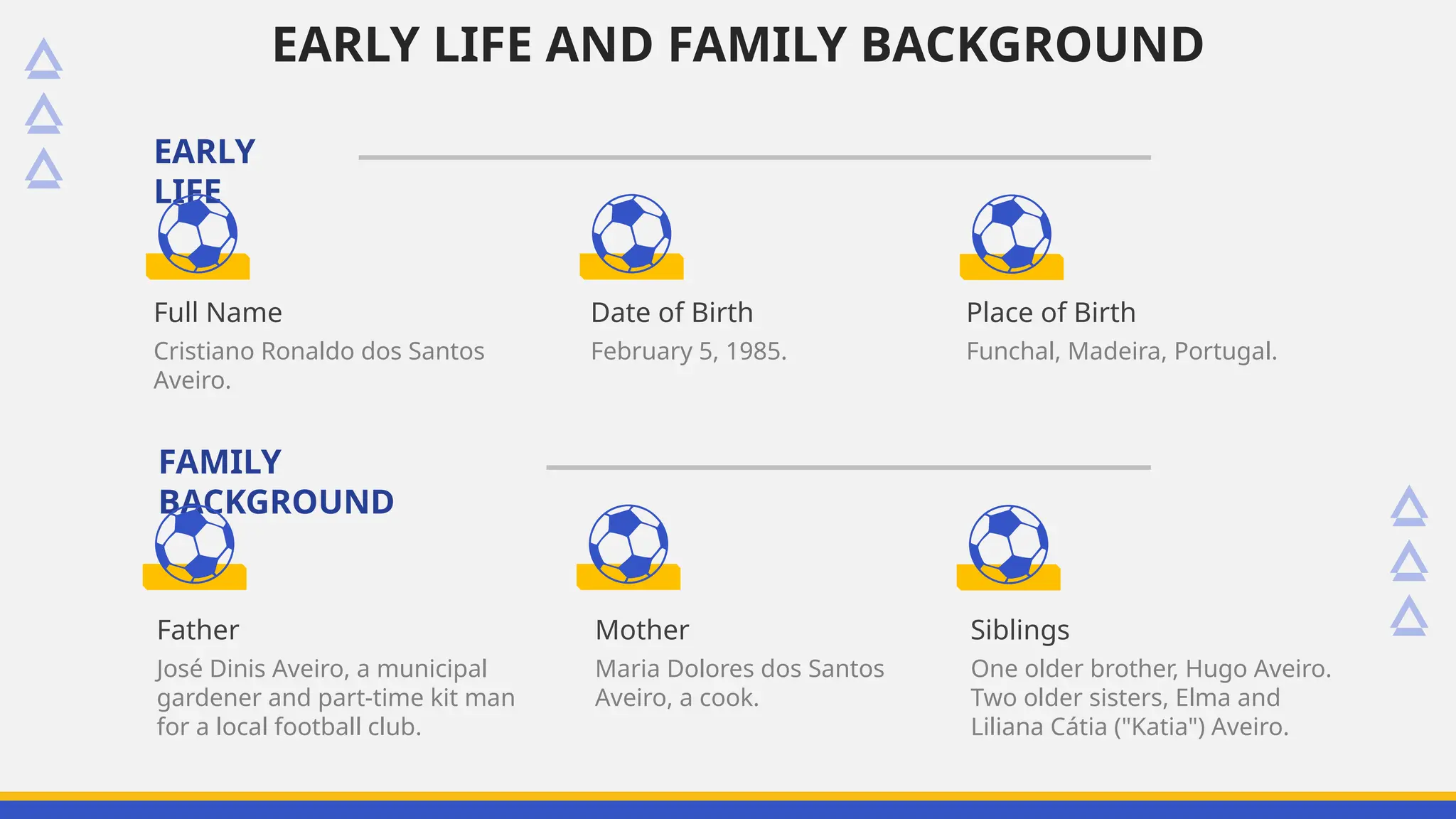
Cristiano Ronaldo dos Santos Aveiro was born in the parish of Santo António, located in Funchal, Madeira, Portugal. His birthplace is a scenic, mountainous region that played a foundational role in his early life, shaping his physical...
Cristiano Ronaldo dos Santos Aveiro was born in the parish of Santo António, located in Funchal, Madeira, Portugal. His birthplace is a scenic, mountainous region that played a foundational role in his early life, shaping his physical development, cultural identity, and initial introduction to the sport of football before he moved to the Portuguese mainland to pursue a professional career.
Contents
The Geography of Funchal and Santo António
To understand the environment that produced one of the most successful athletes in history, one must look at the specific landscape of Madeira. Funchal, the capital city of the Madeira archipelago, is an autonomous region of Portugal situated in the North Atlantic Ocean. Unlike the flat, urbanized expanses common to many European football nurseries, Funchal is defined by its dramatic topography. The city rises steeply from the harbor, characterized by cliffs, terraced hillsides, and narrow, winding roads.
Santo António, the specific parish where Ronaldo was born on February 5, 1985, is one of the more densely populated areas of Funchal. It is known for its residential character and its proximity to the rugged interior of the island. For a young child, this terrain provided a natural training ground. The steep inclines and uneven surfaces common in the neighborhood required constant physical adjustment, helping to develop the balance and explosive agility that would later become hallmarks of Ronaldo’s playing style.
Historical Context: Madeira in the 1980s
The Madeira of the mid-1980s was significantly different from the primary tourist hub it is today. When Ronaldo was born, the island was still heavily reliant on traditional agriculture and local fishing. Economic conditions in the working-class neighborhoods of Funchal were modest. His family lived in a small, humble dwelling, a fact that Ronaldo has frequently referenced in interviews regarding the adversity he faced early in his life.
This environment instilled a sense of discipline and ambition. In many ways, the isolation of living on an island in the Atlantic created a microcosm where football served as the primary form of entertainment and social mobility. The local culture was deeply rooted in communal support and the importance of family, values that Ronaldo has consistently emphasized throughout his professional trajectory.
Early Exposure to Football in the Local Community
Ronaldo’s entry into organized football began within the local structure of Madeira. His father, José Dinis Aveiro, worked as a kit man for a local club, which provided the young Ronaldo with early, direct access to the sport. It was in the streets and modest pitches of Santo António and the surrounding Funchal areas that he first began to distinguish himself.
The amateur club Andorinha is widely documented as the place where Ronaldo took his first formal steps in the sport. Located in the Santo António district, the club allowed him to compete against older children, a common practice in youth development that forces younger players to increase their physical toughness and tactical awareness. This period was essential for his development, as the lack of sophisticated youth academies forced him to rely on improvisation and raw, natural talent.
The Transition from Island to Mainland
The move from Madeira to Lisbon, the capital of Portugal, represents the most significant turning point in Ronaldo’s early life. At the age of 12, he left his place of birth to attend a trial with Sporting CP. This transition was marked by significant cultural and emotional challenges. Leaving the close-knit community of Funchal for the sprawling urban environment of Lisbon required immense psychological resilience.
This journey confirms the importance of his place of birth not just as a location, but as a mental anchor. Despite achieving global fame and residing in various international hubs, Ronaldo has maintained a deep, lifelong connection to Madeira. He has invested significantly in the region, including the establishment of his own museum, CR7, in Funchal, which chronicles his rise from those humble beginnings in Santo António to the pinnacle of world football.
Comparing Professional Football Origins
It is often instructive to compare the birthplace-to-professionalism trajectory of top-tier athletes. Many world-class players originate from highly developed urban academies or specific football-centric regions. Ronaldo’s path is distinct because of the physical separation between his birthplace and the professional leagues of the continent.
| Feature | Madeira (Santo António) | Major Continental Academies |
|---|---|---|
| Terrain | Steep, mountainous, uneven | Purpose-built, flat, artificial turf |
| Climate | Subtropical, consistent | Variable, often colder/temperate |
| Access | Remote/Island isolation | Centralized/Urban density |
| Infrastructure | Informal, street-based | Highly regimented, institutionalized |
This comparison highlights that Ronaldo’s success was not the result of being groomed in a elite facility from birth. Instead, it was forged through the necessity of adapting to a challenging physical environment and the grit required to leave his home at a young age to pursue an uncertain future in Lisbon.
Frequently Asked Questions (FAQ)
1. Is Cristiano Ronaldo still associated with his place of birth? Yes. Ronaldo maintains strong ties to Funchal, Madeira. He has invested in the local economy, including the development of hotels and the CR7 museum. He is also honored on the island with a statue and has had the local airport renamed after him.
2. Which local club did Ronaldo play for in his hometown? Ronaldo’s first club was Andorinha, a local amateur team in the Santo António district of Funchal. He played there for several years before moving to C.D. Nacional and eventually joining Sporting CP in Lisbon.
3. Did the geography of Madeira affect his playing style? While speculative, many sports analysts suggest that the hilly, uneven terrain of Funchal contributed to his development of lower-body strength and balance. The need to navigate narrow, sloped streets and rocky pitches provided a rigorous, albeit informal, physical education during his formative years.
4. Why is his birthplace considered significant to his career? His origin is a central part of his narrative, often cited as the root of his work ethic and ambition. Overcoming the economic limitations of a working-class life in Funchal is widely regarded as the primary motivator behind his persistent drive to succeed at the highest levels of the sport.
Next Steps and Further Exploration
For those interested in the specific history of Ronaldo’s upbringing, a visit to Funchal provides a tangible understanding of the environment. The CR7 museum serves as a comprehensive record of his professional achievements, but the true context lies in the streets of Santo António. Whether you are a student of sports history or an enthusiast of professional athlete development, understanding the geographic and socio-economic origins of such figures provides a clearer, more nuanced view of the path to professional excellence. To further your research, consider reviewing official records of his youth registration with the Madeira Football Association or local biographical accounts focusing on his pre-Lisbon life.
Image Gallery