Understanding the Supermoon in Gemini: An Analysis of the December 2025 Lunar Event
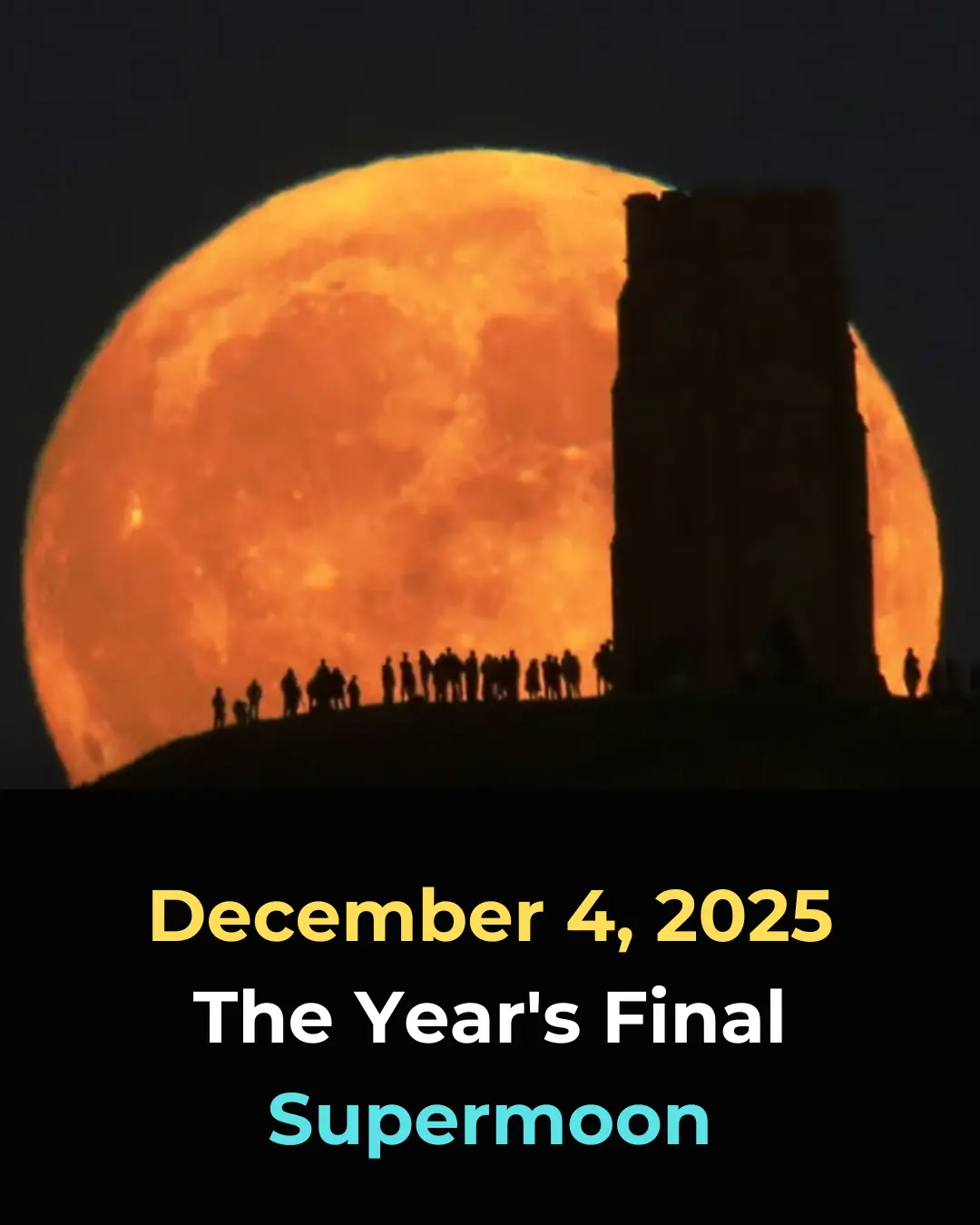
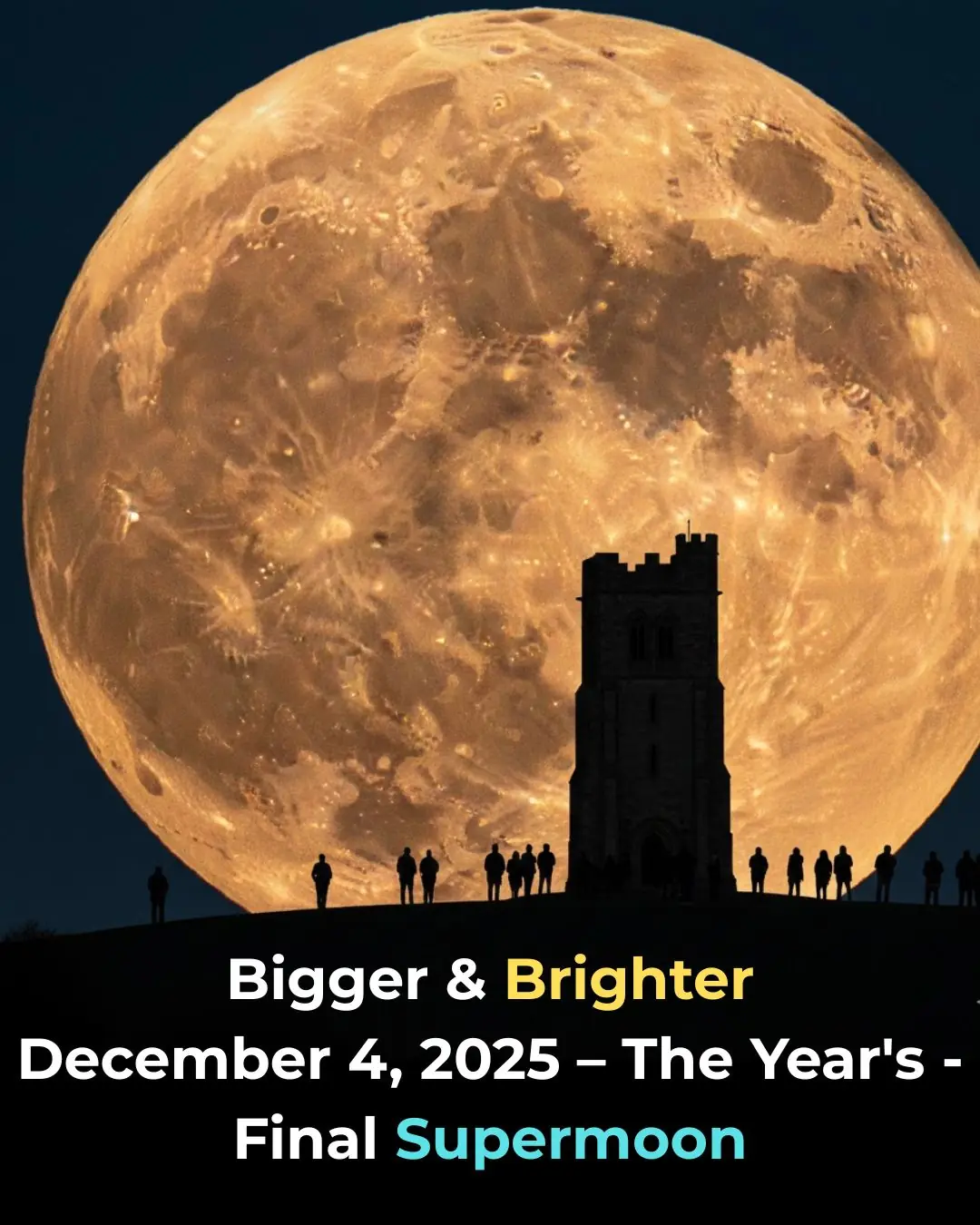
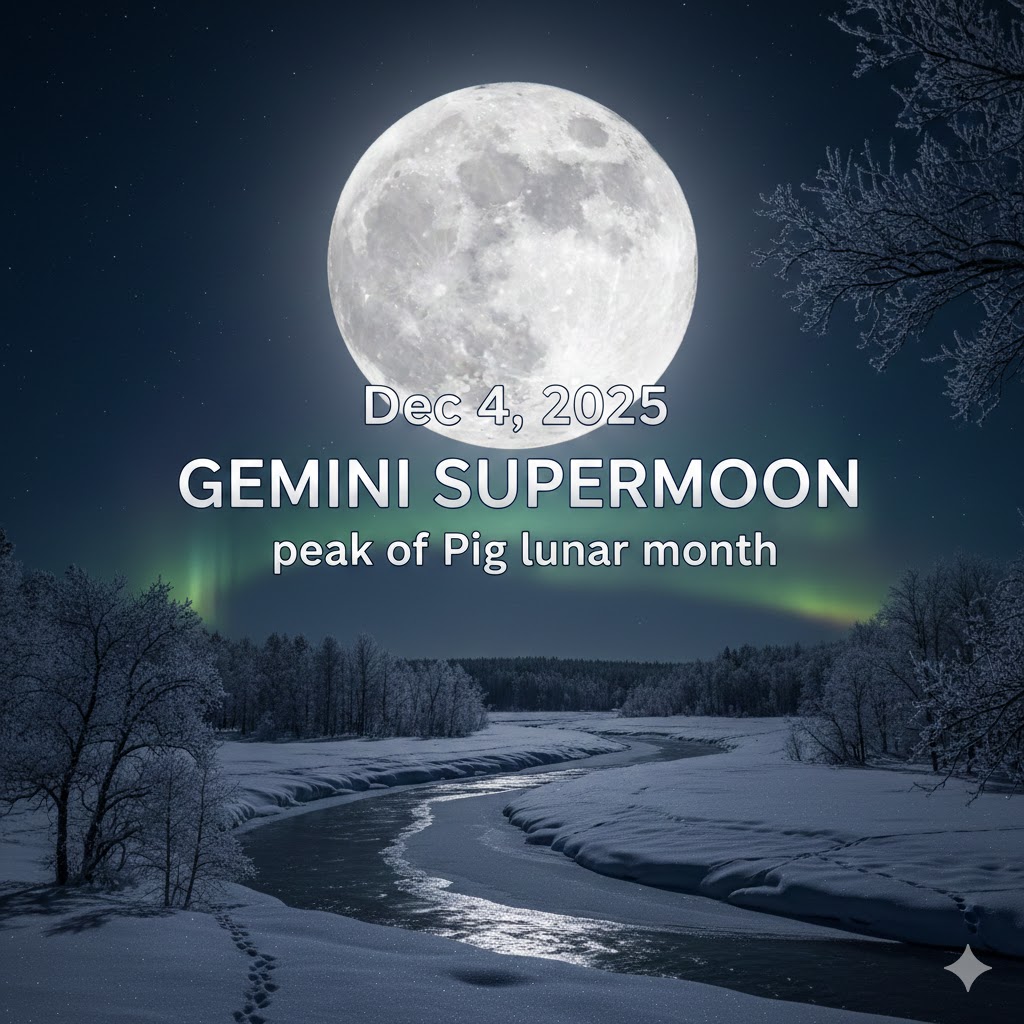
On December 4, 2025, observers globally witnessed a significant astronomical phenomenon: a supermoon occurring while the Moon was positioned within the constellation of Gemini. This event brought together the orbital mechanics of lunar...
On December 4, 2025, observers globally witnessed a significant astronomical phenomenon: a supermoon occurring while the Moon was positioned within the constellation of Gemini. This event brought together the orbital mechanics of lunar perigee with the celestial backdrop of the Gemini zodiacal region, creating a visually striking display for skywatchers and offering a precise point of interest for amateur astronomers and celestial navigators alike.
Contents
Defining the Supermoon Phenomenon
The term "supermoon" is a popular nomenclature for a full moon that coincides with the Moon’s perigee—the point in its elliptical orbit where it makes its closest approach to Earth. Because the Moon’s orbit is not a perfect circle, the distance between Earth and the Moon varies throughout the month. When a full moon occurs at or near this point of perigee, it appears significantly larger and brighter to the naked eye than a typical full moon.
The December 4, 2025, event was categorized as a supermoon because the lunar disk appeared roughly 7% to 14% larger and up to 30% brighter than a micro-moon (a full moon occurring at apogee). For observers, this increase in size is subtle but noticeable when contrasted against the horizon, an optical phenomenon often referred to as the "moon illusion," which is amplified during a perigee-syzygy.
The Significance of the Gemini Positioning
In astronomy, the Moon’s position is tracked against the backdrop of the constellations. In December 2025, the full moon reached its peak illumination while traversing the constellation of Gemini. This positioning is governed by the ecliptic—the apparent path of the Sun across the celestial sphere. Since the Moon orbits Earth on a plane inclined at approximately five degrees to the ecliptic, its path through the constellations shifts monthly.
The presence of the Moon in Gemini during this specific supermoon event provided a unique observational context. Gemini is located in the northern celestial hemisphere, which meant that for observers in the Northern Hemisphere, the moon attained a higher altitude in the night sky. This high elevation significantly reduced the atmospheric distortion that typically affects celestial objects when viewed near the horizon, resulting in a clearer, sharper view of the lunar surface features, such as the maria (dark basaltic plains) and the brighter, cratered highlands.
Comparative Data: The December 2025 Event
To understand the specific parameters of this event, it is helpful to contrast the mechanics of a perigee full moon with a standard lunar cycle.
| Attribute | Standard Full Moon | Supermoon (Dec 2025) |
|---|---|---|
| Orbital Distance | ~384,400 km | ~357,000–360,000 km |
| Apparent Diameter | Baseline | Increased (approx. 14%) |
| Relative Brightness | Baseline | Increased (approx. 30%) |
| Constellation | Variable | Gemini |
| Lunar Phase | Full | Full |
The proximity to Earth is the primary driver of these differences. During the December 2025 event, the reduced distance necessitated that the gravitational pull exerted by the Moon was at a relative annual high, contributing to slightly more pronounced tidal ranges in Earth’s oceans.
Observational Best Practices for Supermoons
For those interested in studying such events, preparation is key to maximizing the observational experience. The following steps provide a framework for future lunar observation:
- Check Local Moonrise Times: The "super" effect is most psychologically impactful during moonrise or moonset. As the moon sits near the horizon, the human brain compares it to distant terrestrial objects, enhancing the sense of scale.
- Utilize Optical Aids: While a supermoon is spectacular to the naked eye, binoculars (ideally 7x50 or 10x50) reveal craters and mountain ranges that are invisible without magnification. A telescope with a moon filter is recommended to prevent glare, as the increased brightness can be overwhelming.
- Account for Light Pollution: While the moon is bright enough to be seen from urban centers, deep-sky observation is best performed in areas with low Bortle-scale ratings. However, even in cities, the brightness of a supermoon renders light pollution less of a hindrance than it would be for deep-space objects.
- Monitor Atmospheric Stability: Seeing (the steadiness of the atmosphere) is critical for high-magnification viewing. Clear, cold nights—typical of December—often provide excellent atmospheric stability because the air holds less moisture, reducing the "twinkling" effect of celestial objects.
Scientific and Cultural Context
The supermoon in Gemini in December 2025 serves as a bridge between modern scientific understanding and historical observational practice. Astronomically, it provided an opportunity to measure the lunar orbit's impact on Earth’s gravity and tidal forces. Culturally, the placement in Gemini continues the long-standing tradition of anchoring the lunar calendar to the zodiacal constellations.
Historically, naming full moons (such as the "Cold Moon" often associated with December) has roots in agricultural and seasonal cycles. The alignment of these traditional names with the constellation-based positioning of modern astronomy allows for a more holistic understanding of our place in the solar system.
Common Misconceptions
- "The Moon will touch the Earth": Despite the "super" label, the Moon remains hundreds of thousands of kilometers away. There is no risk of orbital decay or collision.
- "The Moon will change color": A supermoon does not inherently change color. If it appears orange or red during moonrise, this is due to Rayleigh scattering, where the atmosphere filters out shorter blue wavelengths of light, leaving the longer red wavelengths to reach the observer.
- "The effect is purely psychological": While the "moon illusion" is psychological, the measurable increase in angular diameter and total luminous flux hitting Earth's upper atmosphere is a verifiable, physical fact.
Frequently Asked Questions
Does a supermoon affect tides differently? Yes, but the impact is marginal. Because a supermoon brings the Moon closer to Earth, its gravitational pull is stronger. This results in slightly higher "perigean spring tides." While this can contribute to coastal flooding in low-lying areas during specific weather conditions, it is not a catastrophic event.
Can I photograph a supermoon with a standard smartphone? Capturing the moon with a smartphone is challenging because the camera's sensor may struggle with the high contrast between the bright moon and the dark sky. To improve results, use a tripod, reduce the exposure (ISO) settings, and use a zoom lens attachment to avoid relying purely on digital zoom, which degrades image quality.
Why does the Moon look different every month? The Moon's appearance changes based on two factors: its phase (how much of the illuminated half is visible from Earth) and its distance (the perigee/apogee cycle). A supermoon is the intersection of these two cycles at the peak of the illumination phase.
Are all supermoons in Gemini? No. The constellation in which a full moon occurs depends on the time of year. Because the Sun is in Gemini around June, the full moon (which is opposite the Sun) is in Sagittarius at that time. A full moon in Gemini typically occurs when the Sun is in Sagittarius, which happens during the winter months of the Northern Hemisphere.
Is it safe to look at a supermoon through a telescope? Yes, unlike the Sun, the Moon does not emit enough radiation to damage the eyes. However, because a supermoon is exceptionally bright, it can cause temporary retinal glare or discomfort. A neutral density filter or a specialized moon filter is recommended for extended viewing sessions to enhance contrast and comfort.
Recommendation for Future Observation
To ensure you are prepared for future lunar phenomena, keep a digital celestial calendar that highlights both the phase of the Moon and its current zodiacal position. By understanding the orbital mechanics—specifically the timing of perigee—you can anticipate when the next high-visibility lunar event will occur. For those who observed the December 2025 supermoon, the best next step is to log your observational notes or photographs in a dedicated astronomical journal, noting the specific atmospheric conditions and equipment used, which builds a personal database for identifying patterns in future celestial cycles.
Image Gallery