Understanding the Tangled Cast Meme and Its Shifting Meanings
The "Tangled cast meme" refers to a viral internet trend centered on character casting choices for a hypothetical live-action adaptation of Disney’s 2010 film Tangled. What began as a genuine attempt to cast fan-favorite actors like Fl...
The "Tangled cast meme" refers to a viral internet trend centered on character casting choices for a hypothetical live-action adaptation of Disney’s 2010 film Tangled. What began as a genuine attempt to cast fan-favorite actors like Florence Pugh or Amanda Seyfried evolved into a multi-layered commentary on Hollywood’s obsession with live-action remakes, the toxicity of fan-casting culture, and the disconnect between audience expectations and studio production realities.
Contents
The Origins: Fan-Casting as Creative Expression
The initial spark behind the Tangled cast meme was rooted in pure enthusiasm. Like many animated films with a massive cult following, fans of Rapunzel and Flynn Rider sought to visualize their favorite characters in the real world. In the early 2020s, social media platforms—particularly TikTok and X (formerly Twitter)—became flooded with side-by-side edits. These posts paired high-resolution images of Disney characters with specific actors based on facial structure, hair color, and perceived personality traits.
For many, this was a harmless creative exercise. It allowed fans to engage with the property beyond the original film, fostering community through shared appreciation for the characters. During this phase, the discourse was predominantly positive. Users shared casting "wishlists," edited trailers, and fan-art mockups, all serving as an informal petition to Disney for a high-budget live-action reimagining.
The Shift: Irony and Satire
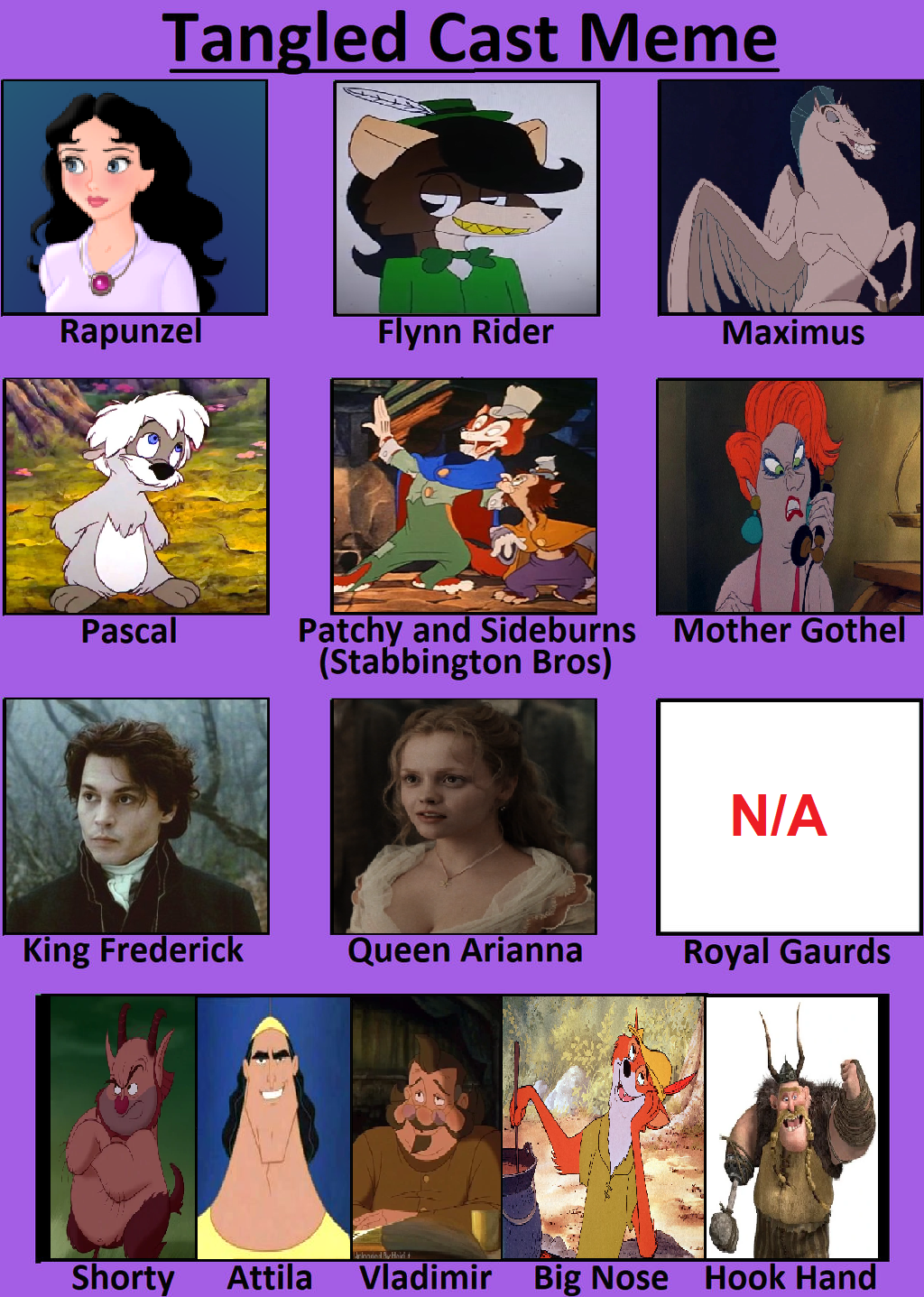
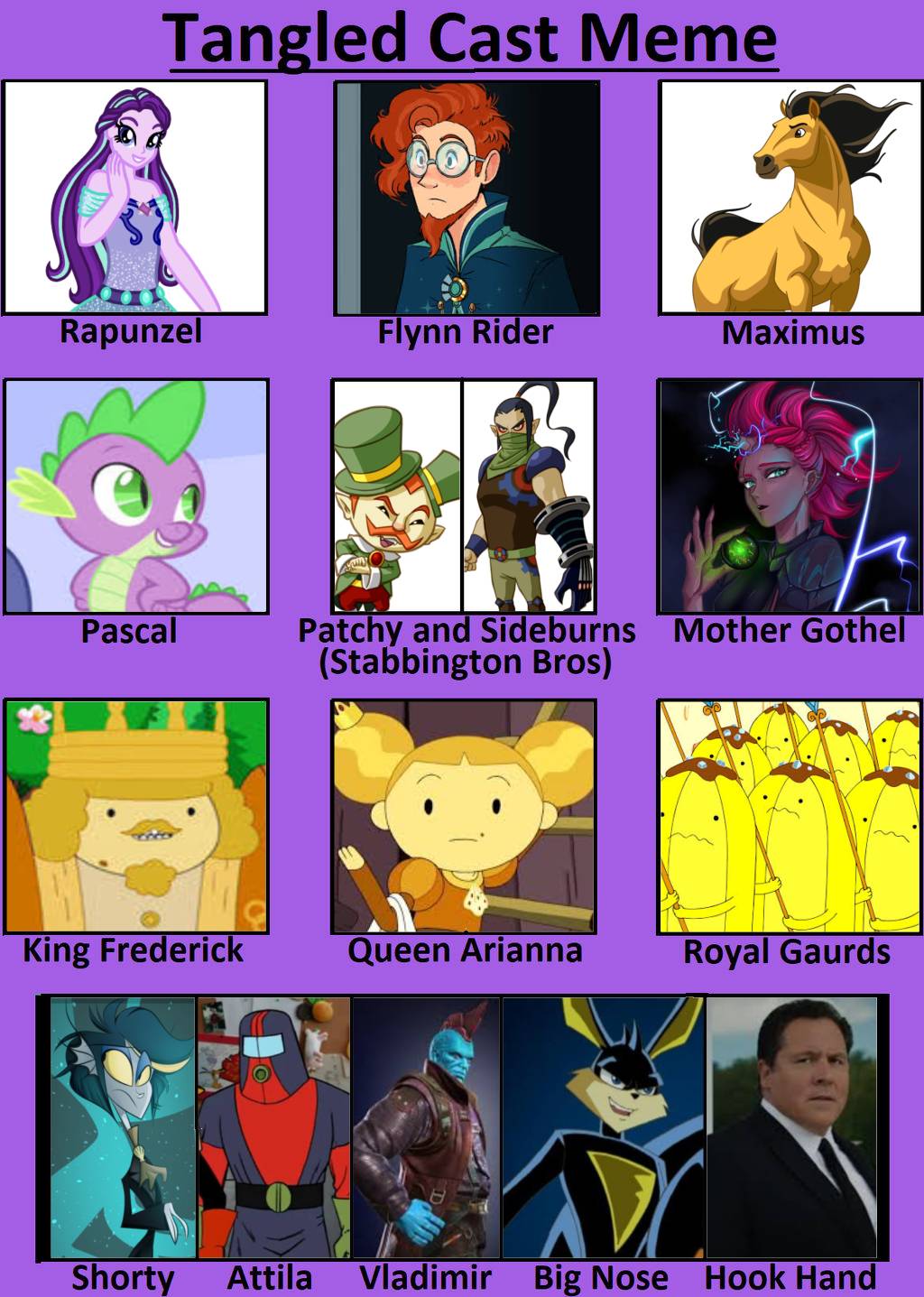
As the frequency of these posts increased, the "Tangled cast meme" underwent a notable semantic shift. It stopped being an earnest desire and started becoming a vehicle for irony. The sheer volume of fan-casts—some wildly improbable or logistically impossible—led to the creation of "shitpost" versions of the meme.
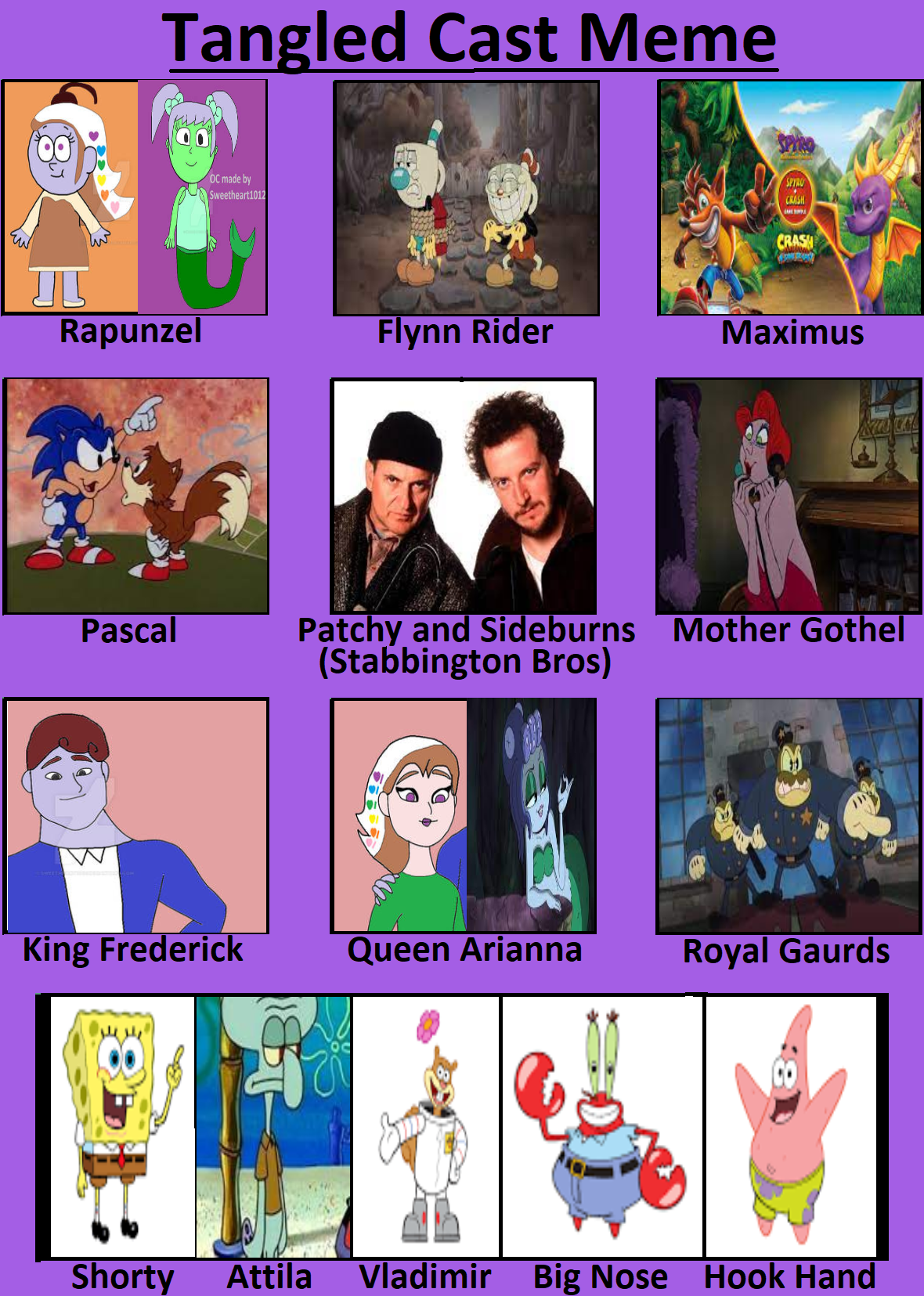
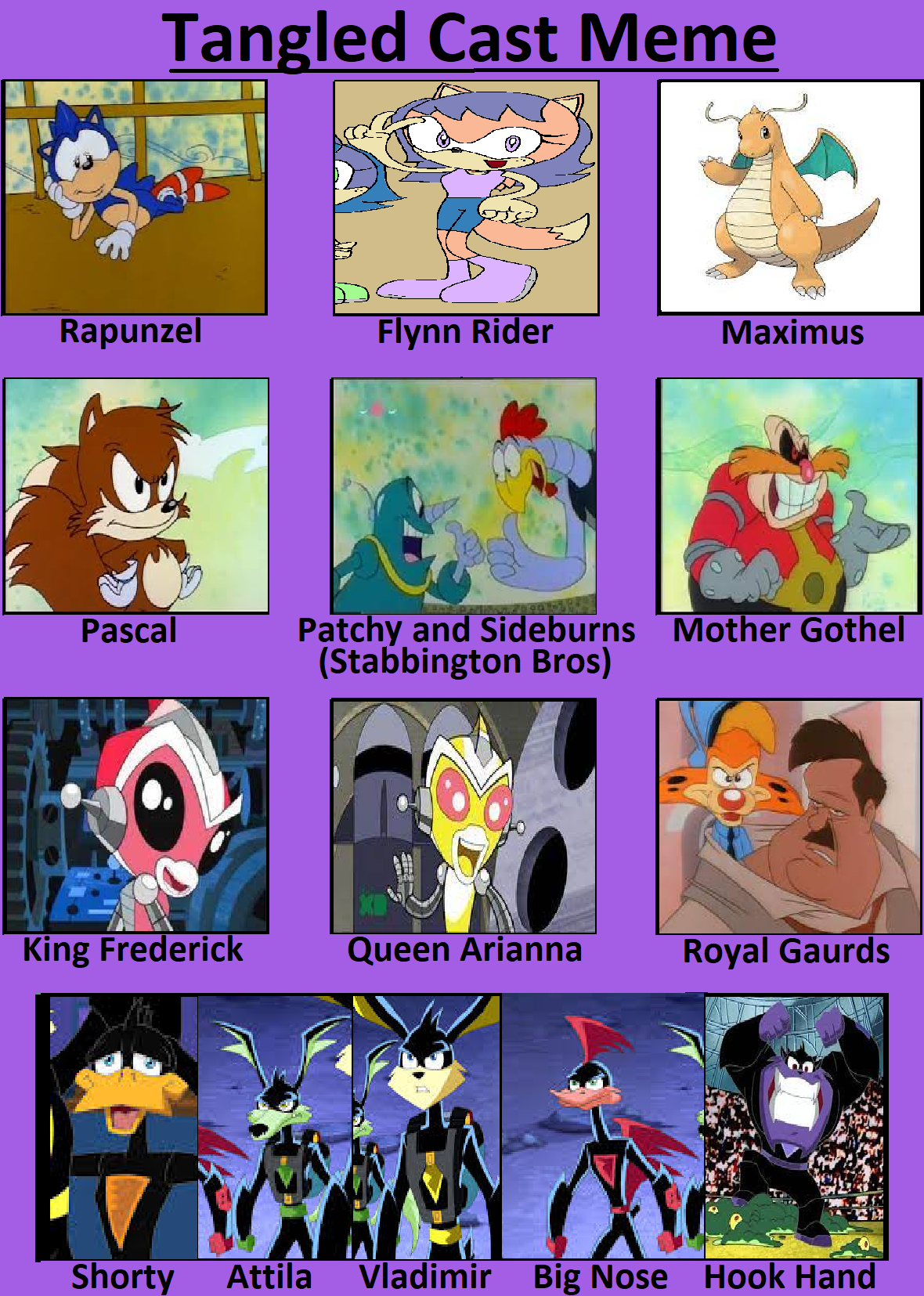
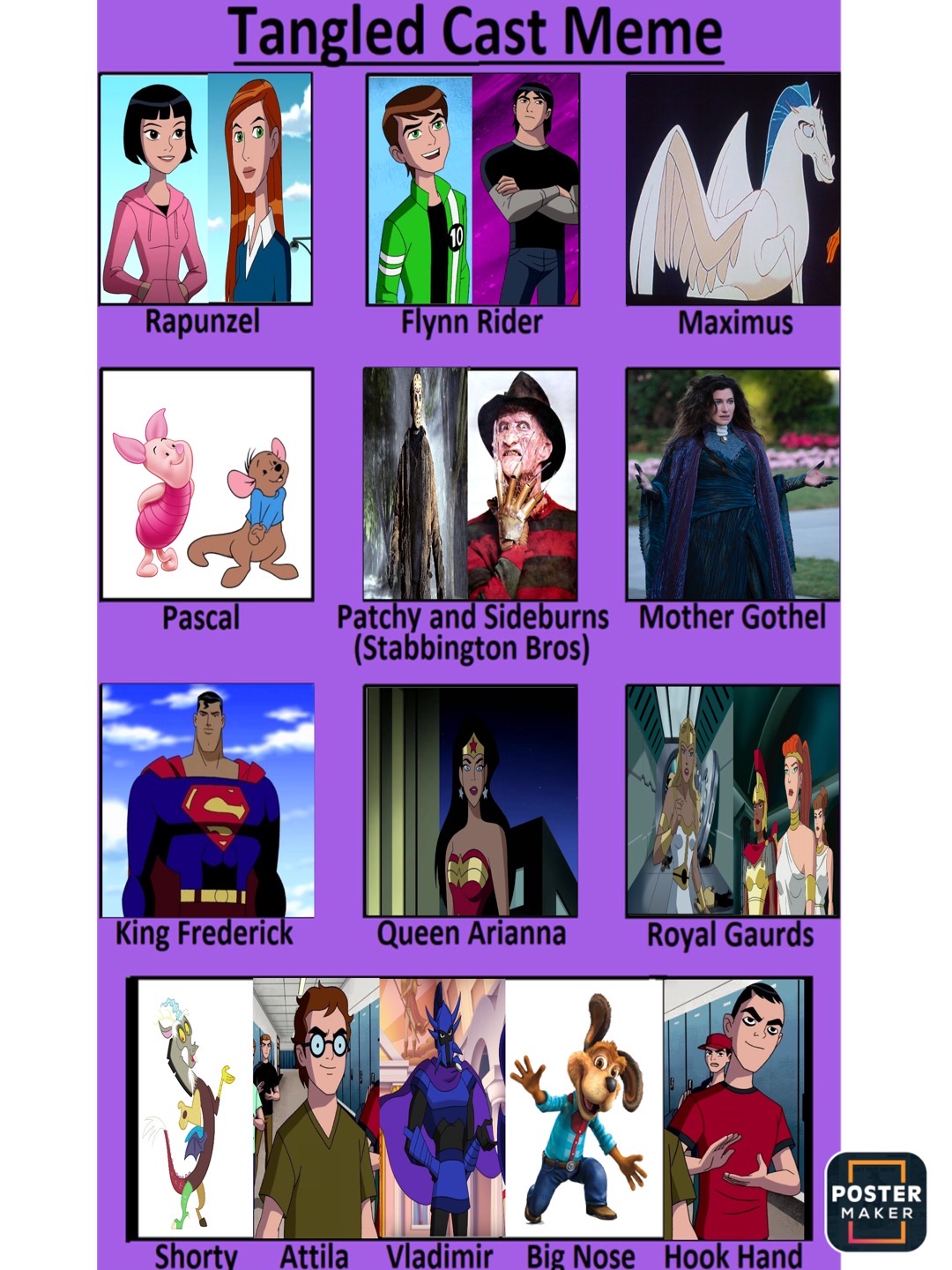
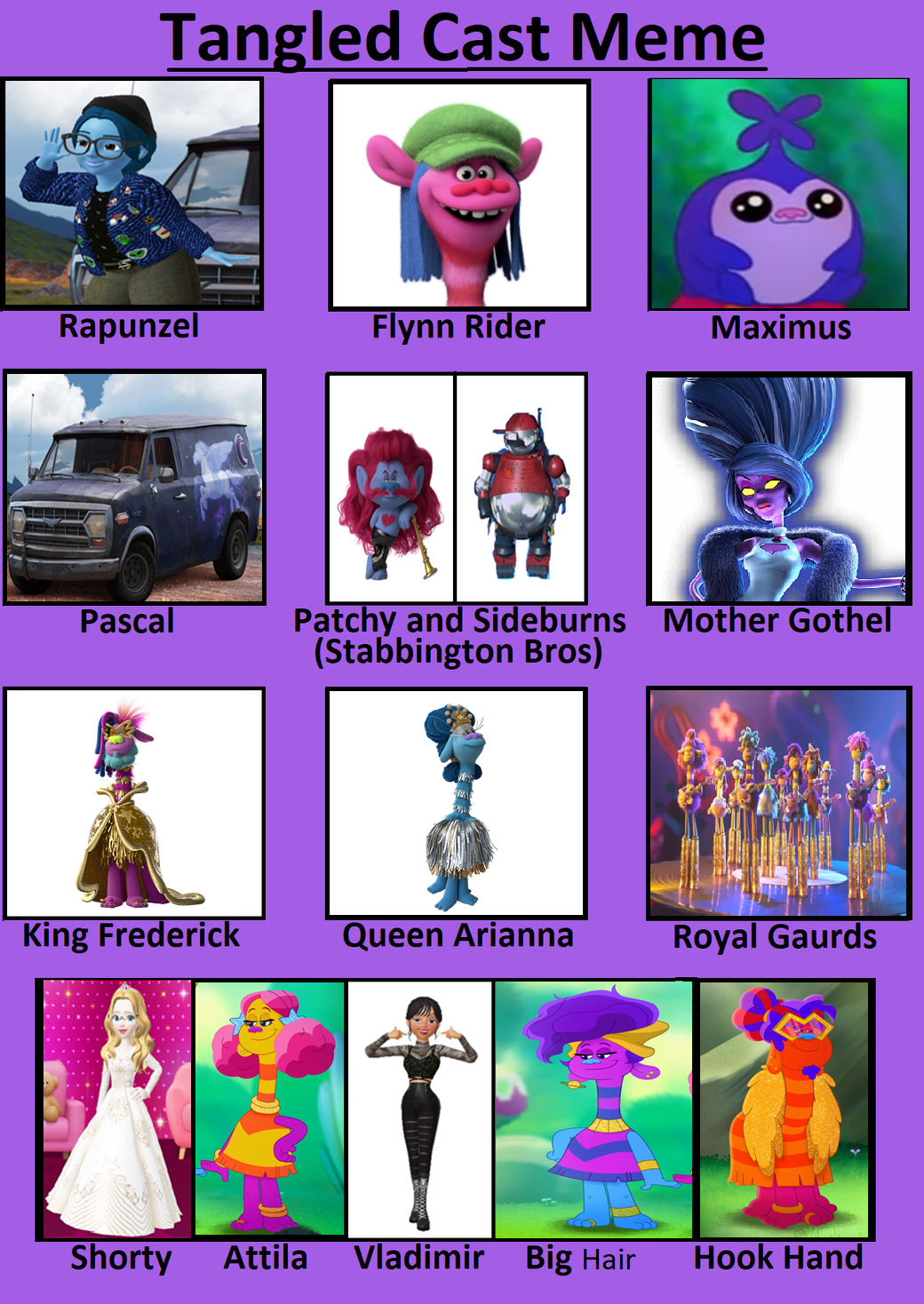
In this iteration, users began casting actors who shared absolutely no resemblance to the characters, or pairing actors known for radically different roles in roles that would be objectively catastrophic for the film’s tone. This shift was a reaction to the oversaturation of fan-casting content. By leaning into the absurdity, participants were subtly mocking the earnest "fan-casting" industry that had grown around major intellectual properties (IP). The joke became the absurdity itself: the more mismatched the actor and the character, the more humorous the post.
The Commentary on Hollywood’s IP Obsession
By 2025 and into 2026, the meme evolved further into a critique of the entertainment industry. The persistent nature of the Tangled fan-casting discourse highlighted a broader frustration with Hollywood’s reliance on remaking animated classics into live-action films.
The meme became a proxy for larger discussions about:
- The "Live-Action" Fatigue: Many users utilized the meme to signal exhaustion with Disney’s business model of remaking beloved 2D animation with CGI-heavy live-action aesthetics.
- Corporate Auditions: When fans cast actors, they often did so with a level of detail that rivaled professional casting directors. This created a tension: audiences felt they understood the "vibe" of the characters better than the corporate entities holding the rights.
- The Toxicity of Expectations: The meme also inadvertently exposed the toxicity that can arise when fan-casting becomes an entitlement. If the eventual studio casting choice does not align with the internet’s consensus, it often leads to harassment campaigns, a dynamic the meme occasionally satirizes by highlighting how arbitrary "fan-casting" can be.
Understanding the Dynamics of Digital Fan Culture
The lifecycle of this meme follows a classic pattern observed in digital sociology. It reflects how a niche interest transforms through stages of amplification, ironic detachment, and finally, sociopolitical critique.
| Phase | Core Sentiment | Primary Driver |
|---|---|---|
| Foundational | Sincere enthusiasm | Character appreciation |
| Amplification | Community building | Viral trend participation |
| Ironic | Satirical commentary | Mocking "fan-casting" tropes |
| Critical | Industry frustration | Disdain for IP exhaustion |
Prerequisites for Identifying "Tangled" Discourse
If you are researching the evolution of this meme, it is important to distinguish between "earnest" casting posts and "meta-commentary." Analyzing the intent requires looking at the source platform and the framing of the edit.
- Contextual Clues: Does the post use hashtags that are common in fandom spaces, or does it utilize irony-laden captions?
- Actor Selection: If the actor is a mainstream A-lister, it is likely a sincere fan-cast. If the actor is a polarizing figure or someone fundamentally unsuited for the role, it is likely part of the ironic cycle.
- Engagement Metrics: Sincere posts often generate "debate" in comments (e.g., "She's too old/young"), whereas ironic posts generate "meta-humor" (e.g., "This would be the worst movie ever, I love it").
Common Pitfalls in Analyzing Meme Culture
Observers often mistake the volume of memes for genuine consumer demand. In the case of Tangled, the prevalence of the meme does not necessarily equate to a market-ready desire for a film. Instead, it represents the modern way audiences engage with legacy media. When assessing this trend, avoid the assumption that these memes serve as a reliable focus group for studio executives. They are, at their core, decentralized expressions of digital culture rather than market research.
Frequently Asked Questions
Is there an official live-action Tangled film in production?
As of 2026, there has been no official confirmation or greenlight from Disney for a live-action remake of Tangled. The persistent rumors and fan-casting memes are entirely community-driven and do not reflect current production schedules.
Why do people keep fan-casting the same actors for Tangled?
The consistency in casting—frequently involving actors like Florence Pugh or Amanda Seyfried—is due to "archetype matching." Fans often rely on specific visual references from previous performances. Once a few high-profile creators make a popular edit, the algorithm promotes that specific pairing, cementing it as the "standard" version of the meme.
Does the Tangled meme mean fans actually want a remake?
Not necessarily. While some fans are genuinely interested, the meme has evolved into a meta-joke. Many people participate in the discourse to mock the very idea of live-action remakes, meaning the popularity of the meme may actually represent a desire for original content rather than a reproduction of existing IP.
What is the most common target of the ironic version of this meme?
The most common ironic targets are "bland" casting choices—actors who are currently popular but have no discernible connection to the character’s specific traits—or "chaotic" choices, such as actors whose physical appearance is diametrically opposed to the character's design.
How does this meme differ from other fan-casts?
The Tangled meme is unique because it centers on a film that is relatively recent compared to other Disney classics. Unlike the Little Mermaid or Lion King discussions, which often centered on casting controversies, the Tangled discourse focuses heavily on aesthetic "likeness" and the specific energy of the Rapunzel/Flynn dynamic.
Recommendation for Further Research
To understand the current state of this trend, look for high-engagement threads on platforms like Reddit or TikTok during periods where Disney announces new project developments. These moments often trigger a "re-awakening" of the meme, where the conflict between fan desires and corporate reality becomes most visible. Focus on the comments sections of these posts to see how the user base fluctuates between sincere hope and cynical exhaustion regarding the future of the franchise.
Image Gallery