How Much Did Brad Garrett Make on Everybody Loves Raymond? Salary & Residuals Breakdown
Brad Garrett earned approximately $160,000 per episode by Season 7 of Everybody Loves Raymond, which increased to roughly $250,000 per episode for Seasons 8 and 9 following a publicized 2003 contract walkout. In addition to his per-epi...
Brad Garrett earned approximately $160,000 per episode by Season 7 of Everybody Loves Raymond, which increased to roughly $250,000 per episode for Seasons 8 and 9 following a publicized 2003 contract walkout. In addition to his per-episode salary, Garrett secured a share of back-end syndication profits, generating millions in ongoing residual income.
Contents
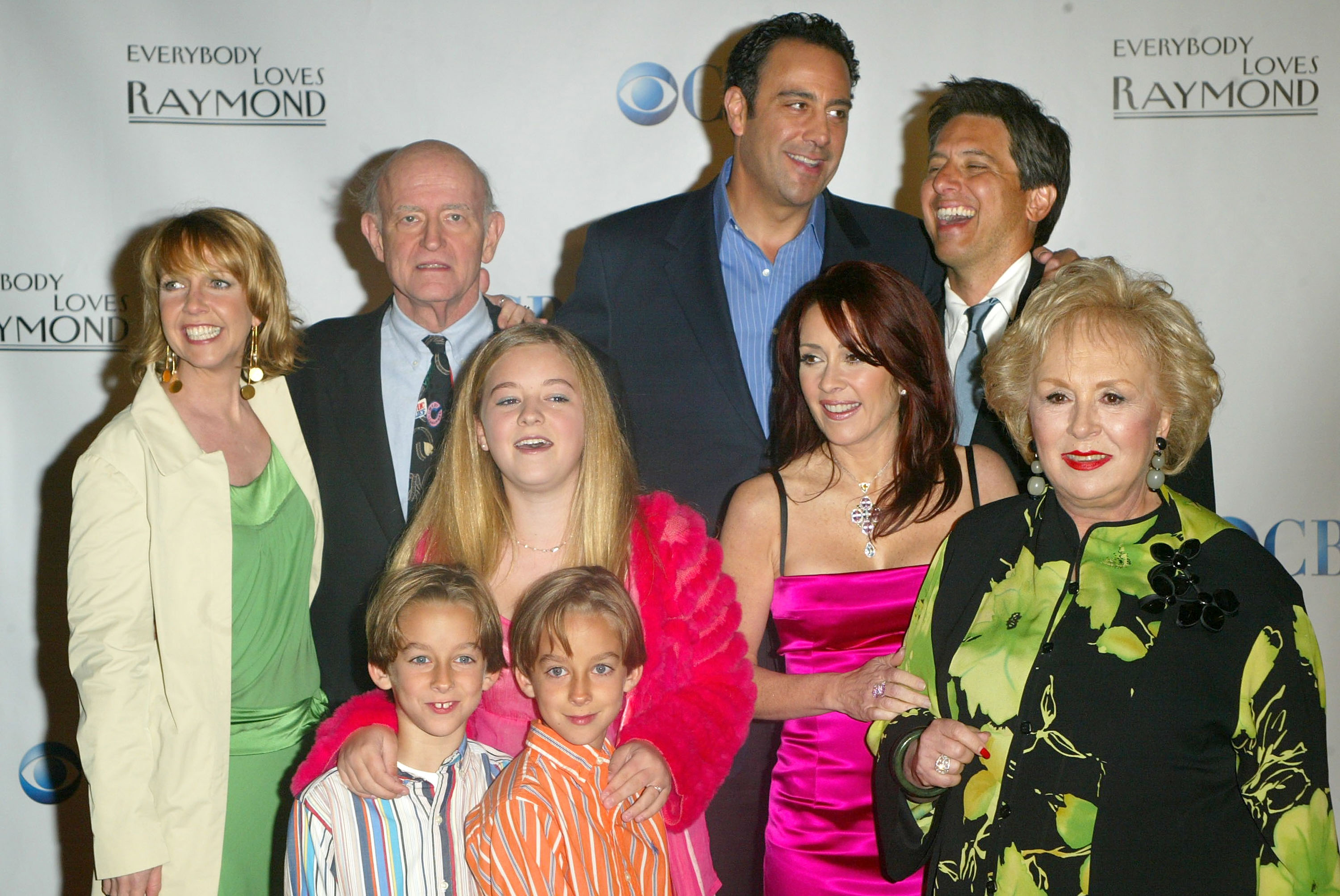
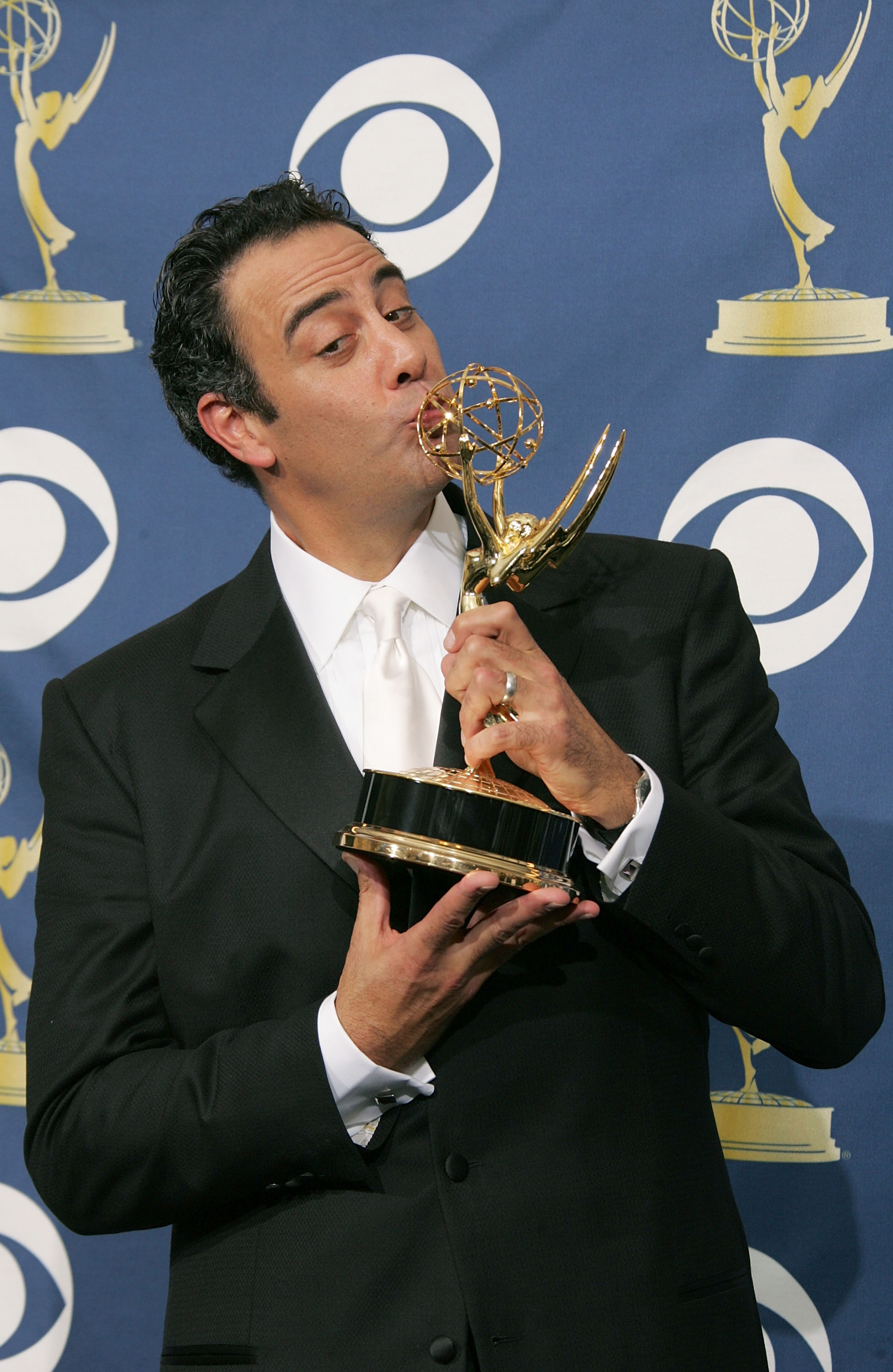
Over its nine-season run on CBS from 1996 to 2005, Everybody Loves Raymond grew into one of the most profitable and critically acclaimed multi-camera sitcoms in television history. Playing Robert Barone—the towering, insecure older brother and police officer—Brad Garrett served as a vital comedic pillar of the show, earning three Primetime Emmy Awards for Outstanding Supporting Actor in a Comedy Series.
However, Garrett's financial trajectory on the series was defined not just by routine annual raises, but by a high-stakes contract dispute in 2003 that exposed the massive pay disparities between lead stars and supporting cast members in prime-time television.
Early Season Pay vs. Peak Pay: Brad Garrett’s Salary Progression
When Everybody Loves Raymond debuted in September 1996, standard network television pricing applied to its supporting cast. Like most actors cast in new, unproven broadcast sitcoms, Brad Garrett signed an initial multi-year contract that paid standard entry-level scale rates for prime-time network television.
- Season 1–3: ~$30,000 – $40,000 per episode
- Season 4–6: ~$75,000 – $130,000 per episode
- Season 7: ~$160,000 per episode
- Season 8–9: ~$250,000 per episode + Syndication Equity
The Early Years (1996–1999)
During Seasons 1 through 3, Garrett earned between $30,000 and $40,000 per episode. At 22 to 25 episodes per season, his annual salary hovered between $660,000 and $1 million. While substantial by general standard of living metrics, these figures reflected standard starting wages for non-lead actors before a series established top-tier Nielsen ratings.
The Mid-Run Escalation (1999–2003)
As Everybody Loves Raymond moved to Monday nights and became a top-five television show, renegotiations boosted the supporting cast's pay. By Season 5 and Season 6, Garrett was earning around $100,000 to $130,000 per episode. By Season 7 (2002–2003), his compensation reached roughly $160,000 per episode, translating to roughly $4 million for the 25-episode season.
The Peak Salary (2003–2005)
Following his 2003 contract renegotiation, Garrett’s base pay was elevated to roughly $250,000 per episode for the final two seasons. Across the 23 episodes of Season 8 and the 16 episodes of Season 9, Garrett collected approximately $9.75 million in base per-episode pay alone, bringing his total direct salary compensation across the entire 210-episode series to an estimated $20 million to $25 million.
The 2003 Contract Walkout: Inside the Negotiation Dispute
The defining moment in Brad Garrett’s financial history on Everybody Loves Raymond occurred in August 2003, right before production on Season 8 was scheduled to begin.
The Pay Disparity with Ray Romano
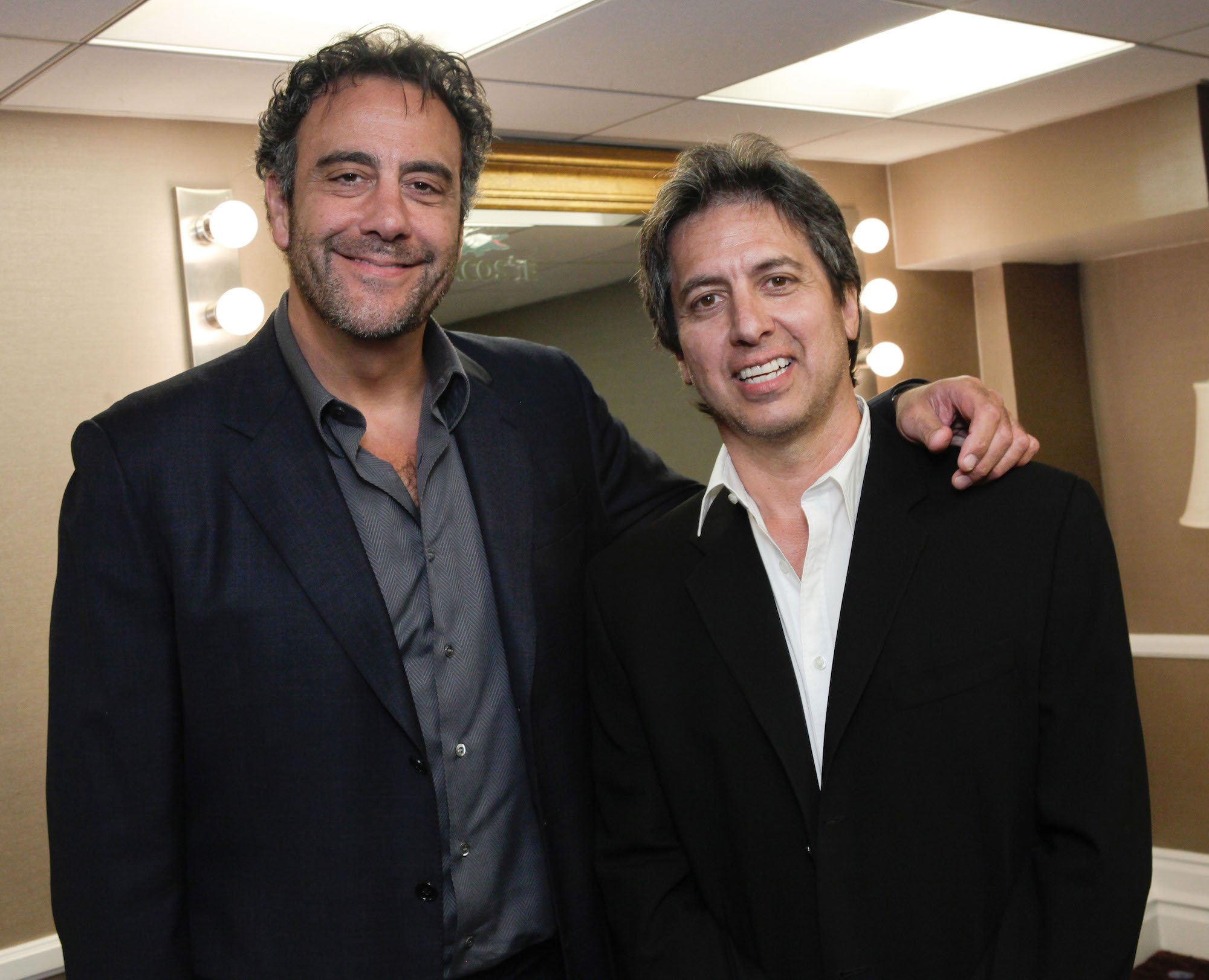
Earlier in 2003, series star and co-creator Ray Romano signed a landmark deal with production company Worldwide Pants and network broadcaster CBS. Romano’s deal paid him roughly $1.7 million to $1.8 million per episode for Seasons 8 and 9, making him the highest-paid actor on television at the time.
While Romano also served as a writer and executive producer—justifying a higher structure—the massive rift between Romano's $1.8 million per episode and Garrett’s $160,000 per episode became a point of contention. Garrett was earning less than 10 percent of the lead actor's salary despite having won two Emmy Awards for his performance by that point.
The "Sick Call" Holdout Strategy
When table reads for Season 8 commenced in August 2003, Garrett called in sick and refused to report to work. He explicitly stated that while he harbored no ill will toward Romano, the supporting cast deserved compensation reflective of the show's massive profitability in syndication and broadcast ratings.
CBS management, led at the time by network chief Les Moonves, initially took a hard-line stance, publicly stating that Garrett was under a binding contract and threatening to write his character out of scripts if he did not return. Production on the first episode of Season 8 was briefly shut down as a result.
The Settlement Terms
The holdout lasted approximately two weeks before production company HBO Independent Productions, Worldwide Pants, and CBS reached a compromise with Garrett's representation.
The agreement yielded two key outcomes:
- Immediate Salary Bump: Garrett’s base pay jumped from $160,000 to approximately $250,000 per episode.
- Back-End Syndication Equity: Most importantly, Garrett was granted retroactively structured back-end net profit points (syndication equity), giving him a direct percentage of the show's off-network distribution revenues.
Fellow supporting cast members Patricia Heaton, Doris Roberts, and Peter Boyle also benefited from broader re-evaluations of back-end compensation structure around the same period, ensuring the core ensemble was invested in the long-term syndication life of the franchise.
Syndication & Residual Profits: The Real Long-Term Payday
While base salary accounted for over $20 million of Garrett's income during the live filming of the show, back-end syndication royalties represent the largest portion of his long-term earnings from Everybody Loves Raymond.
- Total Series Production: 210 Episodes (9 Seasons)
- Base Filming Salary (~$20M – $25M Total)
- Early: $30k–$40k/ep
- Mid: $160k/ep
- Peak: $250k/ep
- Syndication & Residuals (Estimated $35M+ over time)
- Off-network cable reruns
- Local station syndication
- Domestic & global streaming
- Base Filming Salary (~$20M – $25M Total)
Understanding Sitcom Residual Structures
In television broadcast economics, actors earn money through two distinct channels:
- SAG-AFTRA Standard Residuals: Guild-mandated payments triggered every time an episode reruns on broadcast, basic cable, or streaming platforms.
- Back-End Profit Points (Equity): A contractual percentage of net or gross revenues generated by selling distribution rights to secondary markets, overseas networks, home video, and digital streaming platforms.
Long-Term Value of Raymond Syndication
Everybody Loves Raymond entered off-network syndication in 2001 and quickly became one of the highest-grossing syndicated sitcoms in television history, generating over $1 billion in syndication licensing fees over subsequent decades.
Because Garrett successfully negotiated for back-end equity points in 2003, he receives a fraction of these multi-million-dollar distribution packages alongside his standard SAG-AFTRA residuals. Industry estimates indicate that back-end points and continuous rerun play have yielded Garrett an additional $30 million to $40 million in gross residual income since the series wrapped in 2005.
Breakdown of Cast Compensation on Everybody Loves Raymond
To understand Brad Garrett's compensation in context, it helps to analyze how pay was structured across the primary cast during the show's peak seasons.
| Cast Member | Character Played | Peak Salary (Seasons 8–9) | Key Financial Components | Key Industry Accolades |
|---|---|---|---|---|
| Ray Romano | Ray Barone | ~$1.7M – $1.8M / episode | Executive Producer fee, Creator share, Major syndication equity | 1 Emmy Win (4 Nominations) |
| Brad Garrett | Robert Barone | ~$250,000 / episode | Increased base salary post-2003 holdout, Syndication net points | 3 Emmy Wins (6 Nominations) |
| Patricia Heaton | Debra Barone | ~$450,000 / episode | Higher base salary negotiated prior to Season 8, Rerun residuals | 2 Emmy Wins (7 Nominations) |
| Doris Roberts | Marie Barone | ~$250,000 – $400,000 / episode | Co-negotiated ensemble raises, Residual points package | 4 Emmy Wins (7 Nominations) |
| Peter Boyle | Frank Barone | ~$250,000 – $400,000 / episode | Co-negotiated ensemble raises, Residual points package | 7 Emmy Nominations |
Note: Data compiled from historical reporting by trade publications including Variety, The Hollywood Reporter, and the Los Angeles Times.
How Brad Garrett’s Deal Changed Television Pay Dynamics
Brad Garrett’s 2003 contract holdout remains a key case study in entertainment law and TV contract negotiations, highlighting two contrasting strategies for cast compensation in ensemble comedies.
- Sitcom Compensation Models
- THE FRIENDS MODEL (Collective Bargaining)
- Equal pay across all leads
- Unified negotiation stance
- $1M/ep equalized salary
- THE RAYMOND MODEL (Tiered Compensation)
- Significant gap between lead & support
- Individual holdouts for equity/raises
- Lead star gets EP/creator premiums
- THE FRIENDS MODEL (Collective Bargaining)
The "Friends" Model vs. The "Raymond" Model
During the late 1990s and early 2000s, NBC's Friends set a landmark precedent by utilizing collective bargaining. All six cast members negotiated as a single unit, refusing to work unless every member received equal pay—eventually achieving $1 million per episode each for Seasons 9 and 10.
Everybody Loves Raymond followed a traditional tiered model. Ray Romano was positioned as the primary star and creator figure, leading to a vast income gap between him and the supporting actors.
The Impact on Supporting Actors
Garrett's willingness to hold out demonstrated that supporting actors in non-equalized ensembles could leverage their critical role in the show's chemistry to capture backend value. By publicly highlighting that a hit sitcom relies on its supporting players to generate syndication value, Garrett paved the way for supporting actors on later ensemble comedies—such as Modern Family and The Big Bang Theory—to demand sub-lead pay raises and profit-sharing access as ratings escalated.
Frequently Asked Questions
Did Brad Garrett get royalties from Everybody Loves Raymond?
Yes. Following his 2003 contract renegotiation before Season 8, Brad Garrett secured back-end syndication points in addition to standard SAG-AFTRA rerun residuals. This entitles him to ongoing profits whenever the show airs on television networks or streams globally.
What was Brad Garrett's peak salary per episode on the show?
Brad Garrett’s peak per-episode salary on Everybody Loves Raymond was approximately $250,000, which applied to Seasons 8 and 9 (2003–2005).
Why did Brad Garrett hold out during Season 8 production?
Garrett held out due to the large pay gap between his $160,000-per-episode salary and Ray Romano's $1.8 million-per-episode contract. He also sought back-end syndication equity, arguing that the supporting cast contributed significantly to the show's long-term commercial success.
How much did Ray Romano make compared to Brad Garrett?
During the final two seasons, Ray Romano earned roughly $1.7 million to $1.8 million per episode due to his combined roles as star, co-creator, and writer. Brad Garrett earned roughly $250,000 per episode plus syndication points over that same timeframe.
How many episodes of Everybody Loves Raymond did Brad Garrett appear in?
Brad Garrett appeared in all 210 episodes of Everybody Loves Raymond across its nine-season run from 1996 to 2005.
Practical Takeaway: The Value of Syndication Equity
Brad Garrett's financial outcome on Everybody Loves Raymond illustrates that in television production, long-term wealth is frequently driven by backend ownership rather than initial base salary. While his direct earnings topped $20 million, securing back-end syndication points in 2003 allowed Garrett to participate in the show's ongoing commercial success long after production ended.
Image Gallery