Frank Ocean's Record Label Home: From Def Jam to Independent Ownership
Frank Ocean is currently an independent artist who releases music under his self-owned imprint, Boys Don't Cry. He was previously signed to major label Def Jam Recordings from 2009 to 2016. Ocean famously fulfilled his Def Jam contract...
Frank Ocean is currently an independent artist who releases music under his self-owned imprint, Boys Don't Cry. He was previously signed to major label Def Jam Recordings from 2009 to 2016. Ocean famously fulfilled his Def Jam contract with the 2016 visual album Endless before releasing his studio album Blonde independently the following day.
Contents
The Early Label Days: Joining Def Jam Recordings
Before emerging as one of the defining vocalists and songwriters of his generation, Frank Ocean (born Christopher Edwin Breaux) began his career in Los Angeles as a anonymous songwriter. Writing under the name Lonny Breaux, he penned tracks for established pop and R&B artists, including Justin Bieber, John Legend, and Brandy.
In 2009, Ocean secured a major label deal with Def Jam Recordings through producer Christopher "Tricky" Stewart, who brought him to the label's roster. However, the initial relationship between Ocean and Def Jam was strained by administrative inertia. The executive leadership at Def Jam largely sidelined Ocean, providing minimal studio resources and failing to prioritize his solo development.
Faced with artist stagnation, Ocean aligned himself with the Los Angeles hip-hop collective Odd Future (OFWGKTA). Taking matters into his own hands in February 2011, he independently released his debut mixtape, Nostalgia, ULTRA, as a free online download without Def Jam's prior knowledge or financial support.
Timeline of Frank Ocean's Label Affiliations: 2009: Signed to Def Jam Recordings 2011: Self-released 'Nostalgia, ULTRA' (Independent release, forces Def Jam's focus) 2012: Released 'Channel Orange' via Def Jam Recordings 2016 (Aug 19): Released visual album 'Endless' (Final contract obligation for Def Jam) 2016 (Aug 20): Released 'Blonde' via independent imprint Boys Don't Cry 2016–Present: Fully independent releases under Boys Don't Cry
The critical explosion of Nostalgia, ULTRA forced Def Jam to recognize Ocean's commercial and artistic potential, salvaging a relationship that had previously stalled and setting the stage for his major-label debut.
The Major Label Era: Channel Orange and Commercial Success
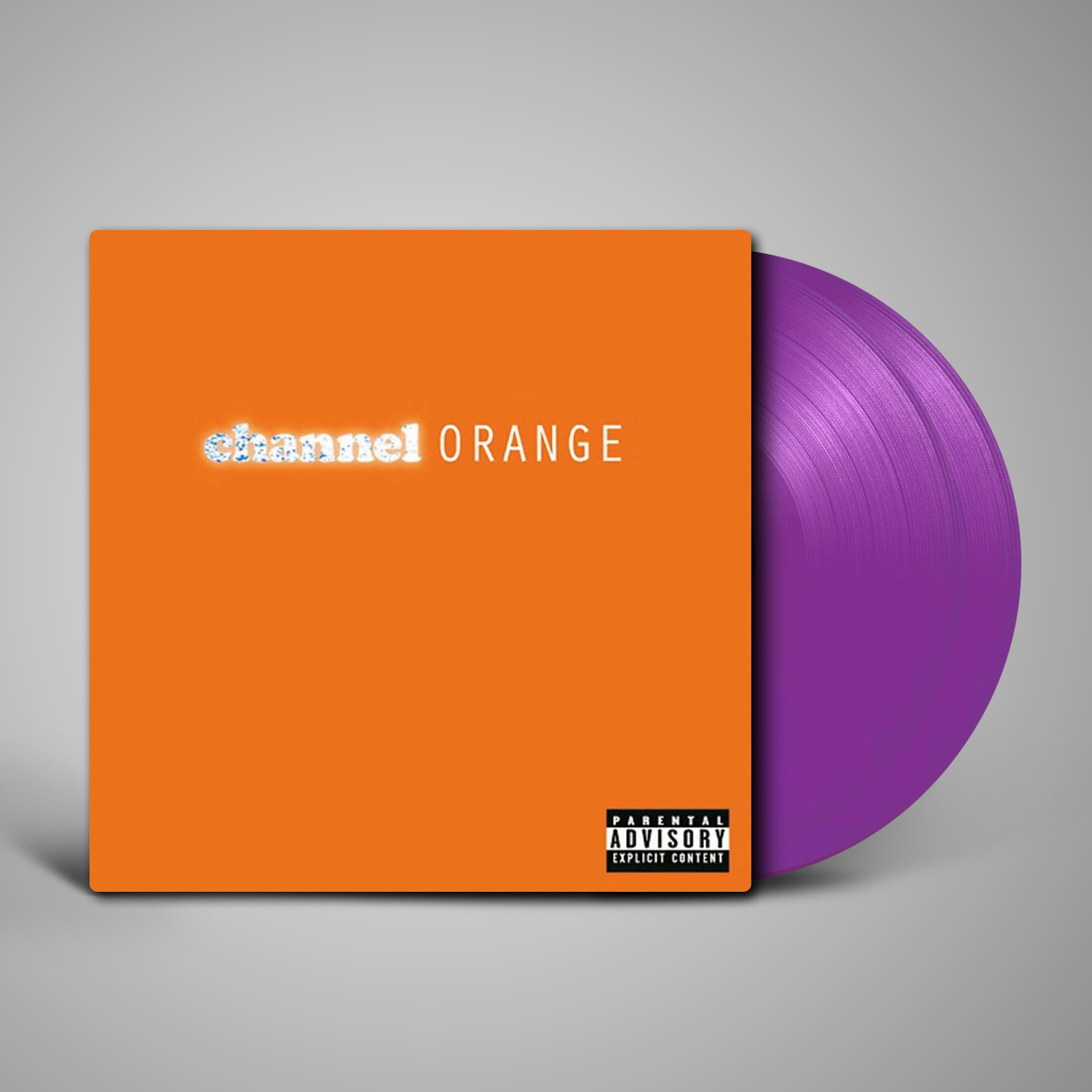
Following the success of Nostalgia, ULTRA, Def Jam repaired its relationship with Ocean and formally backed his first official studio album. Released in July 2012, Channel Orange was distributed globally by Def Jam Recordings in partnership with Universal Music Group (UMG).
Channel Orange achieved immediate commercial and critical acclaim. Debuting at number two on the US Billboard 200, the album went on to win the Grammy Award for Best Urban Contemporary Album and earned a nomination for Album of the Year. Tracks like "Thinkin Bout You," "Pyramids," and "Lost" established Ocean as a main-stage artist and a prized asset on Def Jam's roster.
Despite the critical and financial rewards of Channel Orange, underlying tensions regarding creative control, release timetables, and long-term intellectual property ownership persisted. Under standard major-label contracts of that era, the record company retained ownership of the master recordings, taking the vast majority of revenue generated from record sales, physical pressings, and streaming services. Ocean became increasingly focused on securing complete ownership of his creative output, setting the stage for a strategic exit from the major label ecosystem.
The Finesse: Endless, Blonde, and Leaving Def Jam
Between 2012 and 2016, Ocean maintained a extended public silence while crafting his follow-up projects. During this period, he orchestrated one of the most high-profile contractual exits in modern music history.
To break free from his multi-album obligation with Def Jam without breaching his contract, Ocean devised a two-part release strategy:
- Fulfilling the Contract (Endless): On August 19, 2016, Ocean released Endless, a 45-minute visual album streamed exclusively on Apple Music. Because Endless qualified as a full-length audiovisual album under the terms of his agreement, its delivery formally satisfied Ocean’s remaining contractual commitment to Def Jam Recordings.
- Launching Independence (Blonde): Less than 24 hours later, on August 20, 2016, Ocean released his second official studio album, Blonde (initially styled as Blond). Blonde was not released through Def Jam. Instead, it was issued independently through Ocean's newly established imprint, Boys Don't Cry, distributed via an exclusive arrangement directly with Apple Music before expanding to all major platforms.
According to industry reporting, Ocean paid back the financial advance he owed to Def Jam and covered the recording costs himself out of pocket—spending an estimated $2 million to buy back his master recordings and secure full independence.
By delivering Endless to complete his major label contract, Ocean retained 100% of the profit shares and master rights for Blonde. While a standard major label contract might pay an artist 15% to 20% of net revenue after recoupment, Ocean's independent setup allowed him to retain roughly 70% to 80% of total revenue generated from Blonde's streaming and physical direct-to-consumer sales.
What Is Frank Ocean's Current Record Label Home?
Frank Ocean’s current record label home is his independent vanity imprint, Boys Don't Cry (registered under corporate entities such as Fresh Water LLC).
Under the Boys Don't Cry label home, Ocean operates completely outside the traditional label system:
- Master Ownership: Ocean retains full copyright over his post-2016 master recordings and publishing assets.
- Direct Distribution: Ocean utilizes direct-to-consumer pipelines for physical merchandise, vinyl pressings, CDs, and apparel through his official website. Digital distribution is handled via independent aggregator platforms and direct licensing agreements with services like Spotify and Apple Music.
- Independent Singles: All post-Blonde singles—including "Chanel," "Biking," "Provider," "DHL," "In My Room," "Dear April," and "Cayendo"—have been issued under the Boys Don't Cry umbrella without major label involvement.
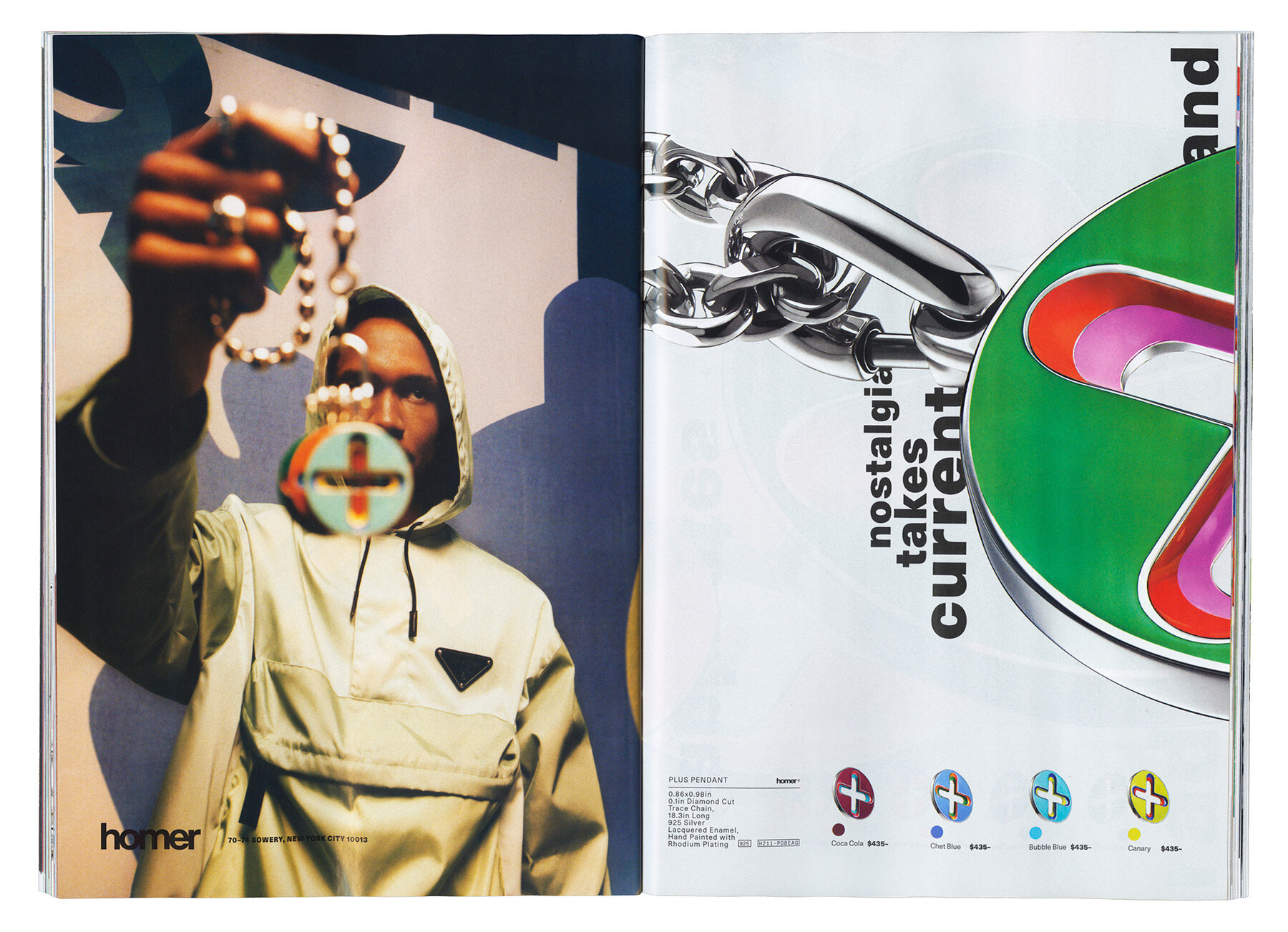
In addition to his music imprint, Ocean expanded his business empire by launching Homer, a luxury American independent company focusing on fine jewelry and accessories, further solidifying his broader independent model.
Overview of Frank Ocean’s Label History and Releases
The following table summarizes the distribution structure, label home, and master ownership status across Frank Ocean's major releases:
| Album / Project Title | Year Released | Record Label Home | Primary Distribution Channel | Master Rights Ownership |
|---|---|---|---|---|
| Nostalgia, ULTRA | 2011 | Self-Released / Independent | Free Digital Download (Tumblr) | Frank Ocean / Uncleared Samples |
| Channel Orange | 2012 | Def Jam Recordings | Universal Music Group (UMG) | Def Jam Recordings / UMG |
| Endless | 2016 | Def Jam Recordings | Apple Music (Visual Stream) | Def Jam Recordings / UMG |
| Blonde | 2016 | Boys Don't Cry | Independent / Apple Music / Direct | Frank Ocean (Boys Don't Cry) |
| Post-2016 Singles ("Chanel", "DHL", etc.) | 2017–Present | Boys Don't Cry | Independent Digital Streaming Platforms | Frank Ocean (Boys Don me Cry) |
How Ocean's Label Strategy Changed Music Industry Standards
Frank Ocean’s departure from Def Jam served as a landmark case study for the 21st-century recording industry. It highlighted the evolving dynamic between artists, major labels, and digital streaming platforms (DSPs).
The Redefining of Major Contract Clauses
Prior to 2016, major labels often treated audiovisual projects or video streams as supplementary marketing content rather than contractual album deliveries. Ocean identified a legal loophole in his Def Jam agreement that allowed an audiovisual stream (Endless) to count as a fulfilled album commitment. In the aftermath of Blonde, major music conglomerates revised their boilerplate legal contracts to explicitly define what constitutes an "album," ensuring that visual streams or non-traditional formats could no longer be used to rapidly terminate multi-album deals.
The Power of Direct DSP Partnerships
Ocean demonstrated that a marquee artist no longer required major-label radio promotion, physical distribution logistics, or upfront marketing capital to secure a Billboard #1 album. By partnering directly with streaming services like Apple Music for exclusive initial release windows and managing physical sales directly through his own direct-to-consumer store, he cut out traditional middleman costs.
Master Retention over Record Advances
Ocean’s strategic exit encouraged a broader movement among modern R&B and hip-hop creators to prioritize long-term intellectual property rights over high initial upfront advances. Owning his masters allowed Ocean to dictate when, where, and how his music is licensed, monetized, and repressed on physical formats like vinyl.
Frequently Asked Questions About Frank Ocean's Record Label
Does Def Jam still own any of Frank Ocean's music?
Yes. Def Jam Recordings (under Universal Music Group) retains ownership of the master recordings for Channel Orange (2012) and the visual album Endless (2016). Frank Ocean owns the master rights to his debut mixtape Nostalgia, ULTRA, his sophomore studio album Blonde, and all singles released from 2017 onward.
What record label is Frank Ocean signed to right now?
Frank Ocean is not signed to any major record label. He operates as an independent artist under his own private imprint, Boys Don't Cry.
Was Frank Ocean sued by Def Jam for releasing Blonde independently?
No formal litigation was filed by Def Jam against Frank Ocean. Because Ocean delivered Endless to fulfill his required album quota under his contract and reportedly reimbursed the label for outstanding recording expenses, he was legally free to publish Blonde independently. However, the move caused significant executive friction between Def Jam, Universal Music Group, and streaming platforms.
Can newer artists replicate Frank Ocean's exit strategy today?
It is extremely difficult for modern artists to copy Ocean’s exact strategy. Following the release of Blonde in 2016, major labels updated their legal agreements with strict language specifying delivery formats, minimum track lengths, physical distribution rules, and non-compete windows that prevent artists from dropping independent material immediately after fulfilling a contract.
What is the difference between Endless and Blonde?
Endless is a visual album released on August 19, 2016, under Def Jam Recordings to fulfill Ocean's major label contract. Blonde is Ocean's second official studio album, released independently on August 20, 2016, through his own Boys Don't Cry imprint. While Endless features continuous ambient soundscapes and visual art, Blonde features fully realized studio tracks like "Nights," "Self Control," and "Pink + White."
Key Takeaways for Music Observers
Frank Ocean's career trajectory represents one of the most prominent shifts from major-label control to absolute creative and financial autonomy in modern music history. By transitioning from Def Jam Recordings to his self-managed label home, Boys Don't Cry, Ocean secured total control over his master recordings, release schedules, and artistic direction. For contemporary artists and music industry analysts, his record label journey remains a masterclass in reading contracts, leveraging creative assets, and building long-term independent value.
Image Gallery