Drea de Matteo on Desperate Housewives Is Still a Bold Move
Drea de Matteo’s casting as Angie Bolen in Desperate Housewives remains a landmark television event because it forced a collision between gritty, prestige-drama sensibilities and the heightened, satirical world of Wisteria Lane. By bri...
Drea de Matteo’s casting as Angie Bolen in Desperate Housewives remains a landmark television event because it forced a collision between gritty, prestige-drama sensibilities and the heightened, satirical world of Wisteria Lane. By bringing an Emmy-winning actress known for her visceral performance in The Sopranos into a primetime soap, the show successfully challenged its own aesthetic boundaries.
Contents
As we look back from the vantage point of 2026, the decision to cast Drea de Matteo for the show’s sixth season (2009–2010) stands out as one of the most calculated risks in the history of network television. While Desperate Housewives was known for its revolving door of "mystery families," de Matteo’s tenure as Angie Bolen was fundamentally different. It wasn't just about a new secret; it was about a new frequency. Her arrival disrupted the manicured, pastel-colored ecosystem of Fairview with a dose of East Coast realism that the show had previously only touched upon in small bursts.
To understand why this move was—and is—considered bold, one must examine the television landscape of the time, the specific archetype de Matteo inhabited, and the narrative risks taken by showrunner Marc Cherry to integrate a "Sopranos-style" character into a world defined by white picket fences and garden parties.
The Cultural Weight of Adriana La Cerva
Before arriving on Wisteria Lane, Drea de Matteo was inextricably linked to her role as Adriana La Cerva on HBO’s The Sopranos. Her performance earned her an Emmy for Outstanding Supporting Actress in a Drama Series in 2004, cementing her as a face of "Prestige TV." Adriana was a tragic figure—a woman caught between her love for a mobster and her forced cooperation with the FBI.
When it was announced that de Matteo would join Desperate Housewives in 2009, the industry reaction was a mix of shock and intrigue. At that time, there was a perceived hierarchy in television: HBO was at the top, and network soaps like Desperate Housewives were seen as popular but "lesser" art forms. For de Matteo to move from the high-stakes, violent realism of David Chase’s world to the campy, comedic drama of Marc Cherry’s world was a defiance of industry norms. It signaled that Desperate Housewives still had the gravity to attract top-tier dramatic talent.
Angie Bolen: A Different Kind of Housewife
Angie Bolen was introduced in the Season 6 premiere, "Nice is Different Than Good." From her first scene—emerging from a moving truck with a thick Italian-American accent and a defensive posture—it was clear she was not meant to be "one of the girls" in the traditional sense.
Unlike Bree Van de Kamp’s obsession with perfection or Gabrielle Solis’s fixation on luxury, Angie Bolen’s priorities were rooted in survival. She was a woman on the run, hiding a past involving radical activism and eco-terrorism. This backstory provided a sharp contrast to the typical suburban scandals of infidelity or embezzlement.
Breaking the Stepford Mold
The "boldness" of de Matteo’s casting was most evident in her physical presence. The existing housewives were often styled with a specific, polished aesthetic. Angie Bolen, however, brought:
- A "Gritty" Wardrobe: Leather jackets, darker tones, and a lack of the "Fairview uniform" (pearls and twinsets).
- Different Domestic Values: Angie didn't care about being the best hostess or having the cleanest house; she cared about protecting her son, Danny, and her husband, Nick.
- Unfiltered Communication: Her dialogue was more direct and less shrouded in the polite passive-aggression that defined the other women.
Comparative Analysis: Angie Bolen vs. Wisteria Lane Archetypes
The following table illustrates how the introduction of de Matteo’s character shifted the show’s established dynamics during Season 6.
| Feature | The Traditional Housewife (Bree/Gaby/Susan/Lynette) | Angie Bolen (Drea de Matteo) |
|---|---|---|
| Primary Motivation | Social standing, family stability, or romantic fulfillment. | Absolute anonymity and physical safety. |
| Conflict Resolution | Social maneuvering, gossip, or light manipulation. | Direct confrontation or immediate flight. |
| Aesthetic Influence | High-fashion suburban, "Stepford" chic. | Urban utilitarian, New York working-class. |
| Historical Baggage | Failed marriages, business mishaps, or local scandals. | Federal crimes, explosions, and political radicalism. |
| Social Integration | Desperate to belong to the "inner circle." | Reluctant to bond; views neighbors as potential threats. |
The Narrative Risk of the Eco-Terrorism Plotline
One of the reasons the move is still discussed in 2026 is the specific nature of the Bolen mystery. Desperate Housewives usually dealt with domestic mysteries: a suicide in the pilot, a prisoner in a basement, or a hidden child. The Angie Bolen arc introduced a political element—eco-terrorism and the consequences of radical activism from the 1990s.
Casting de Matteo was essential for this because she possessed the "street cred" to make a plot about making bombs and living off the grid feel somewhat grounded. If a more traditional soap actress had played the role, the plot might have felt entirely farcical. De Matteo brought a level of anxiety and weary exhaustion to Angie that suggested the character had truly been running for her life for two decades.
However, this was a double-edged sword. Some fans felt that the Bolen family was too different, creating a tonal rift in the show. This tension is exactly what makes the move "bold." It wasn't a safe choice; it was an attempt to evolve the show’s DNA six years into its run.
Why the Move Still Resonates in 2026
In the modern era of television, where the lines between "prestige" and "commercial" have largely evaporated, we can see de Matteo’s move as a precursor to the current trend of A-list stars appearing in limited series and high-concept dramas.
- Genre Blending: The Bolen season proved that Desperate Housewives could handle darker, more realistic character studies without losing its comedic edge.
- The "One-and-Done" Model: De Matteo only signed for one season. This was a bold structural choice for the show, treating her character arc like a self-contained novel within the larger series. This "anthology" approach to the mystery families became a hallmark of the show's later years.
- Acting Excellence: De Matteo's performance in the episode "The Chase"—where she is forced to make a lasagna for her captor, Patrick Logan (played by John Barrowman)—is still cited as one of the best single-episode performances in the series. She managed to convey terror through the mundane act of cooking, a perfect synthesis of the show's domestic premise and her own dramatic roots.
Technical Execution and Production Challenges
From a production standpoint, integrating de Matteo required a shift in how Wisteria Lane was filmed. The lighting for the Bolen household often felt slightly more shadowy and lived-in. The writers also had to balance Angie’s New York "edge" with the show’s requisite wit.
There were rumors at the time that de Matteo’s departure after one season was due to creative differences or a lack of fit, but both de Matteo and Marc Cherry have clarified over the years that the role was always intended to be a one-year arc. This "mercenary" approach to casting—bringing in a heavy hitter to anchor a single season—was a bold way to keep a long-running show feeling fresh and dangerous.
Frequently Asked Questions
Why did Drea de Matteo leave Desperate Housewives after only one season?
Her departure was planned from the beginning. Unlike the core four housewives, the "mystery family" leads were typically contracted for a single season to ensure the mystery could reach a definitive and often explosive conclusion. In Angie Bolen’s case, her story ended with her finally escaping her past and moving on to a new life with her family.
Was Angie Bolen’s character supposed to be related to the Mafia?
No. This was a common misconception at the time due to de Matteo’s history on The Sopranos. While the Bolens were an Italian-American family from New York, their secrets involved political radicalism and a botched bombing, not organized crime. The show leaned into the audience's expectations to create a "red herring" effect.
How did the other cast members react to her casting?
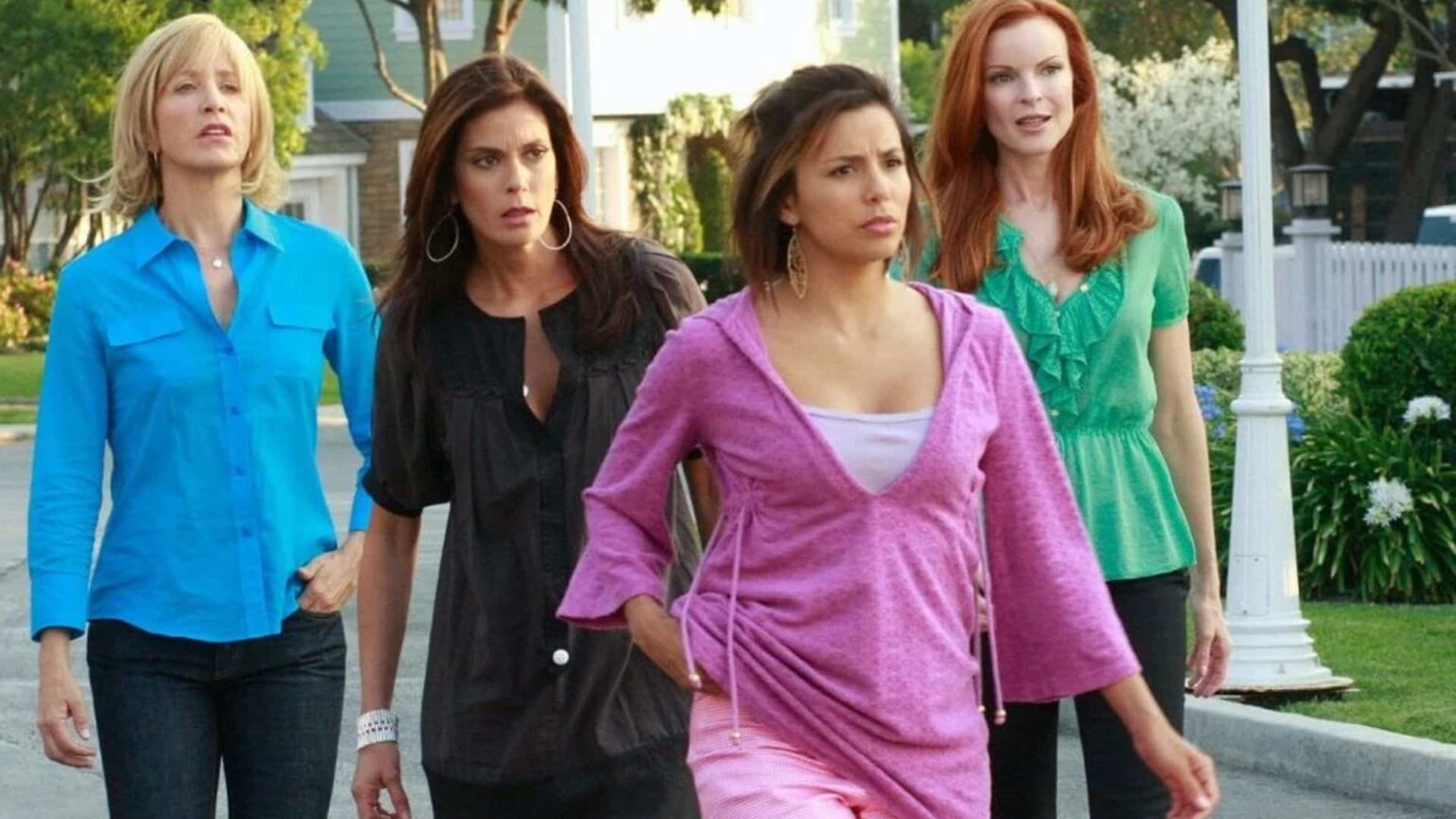
The core cast—Teri Hatcher, Felicity Huffman, Marcia Cross, and Eva Longoria—were reportedly supportive. The addition of an Emmy winner added prestige to the set during a time when the show was entering its "middle-age" years and looking to maintain its cultural relevance.
Is Season 6 considered one of the best seasons of the show?
Among critics and long-term fans, Season 6 is often praised for its attempt to diversify the show’s tone. While some viewers found the Bolen mystery too disconnected from the other housewives, others appreciated the grit and high stakes that Drea de Matteo brought to the screen.
Did Drea de Matteo win any awards for her role as Angie Bolen?
While she did not win an Emmy for this specific role, her performance was widely praised for bringing a needed "edge" to the series. Her presence helped the show maintain high ratings and award visibility during its sixth year.
Practical Recommendation for Viewers
For those revisiting the series in 2026, pay close attention to the chemistry between Drea de Matteo and Felicity Huffman (Lynette Scavo). The scenes where Angie and Lynette bond over the complexities of motherhood and secrets are among the most authentic in the entire series. To truly appreciate the "boldness" of the move, watch the Season 6 finale, "I Guess This Is Goodbye," which showcases de Matteo's ability to pivot from suburban mom to a woman of intense, life-or-death action.
Image Gallery