Makoto Yukimura Net Worth and Career Highlights: The Legacy of a Master Mangaka
As of 2026, Makoto Yukimura’s net worth is estimated to be between $3 million and $5 million. This valuation is driven by the sustained global success of his magnum opus, Vinland Saga, lucrative anime licensing deals with major streami...
As of 2026, Makoto Yukimura’s net worth is estimated to be between $3 million and $5 million. This valuation is driven by the sustained global success of his magnum opus, Vinland Saga, lucrative anime licensing deals with major streaming platforms, and over two decades of consistent royalties from his award-winning hard science-fiction series, Planetes.
Contents
The Financial and Professional Standing of Makoto Yukimura
Makoto Yukimura stands as one of the most respected figures in the contemporary manga industry. Unlike "mega-hit" creators whose wealth reaches the tens of millions through massive merchandising empires, Yukimura’s financial success is rooted in the "Prestige Seinen" niche. His works are characterized by high production values, deep philosophical inquiry, and long-tail sales that persist years after initial publication.
In the Japanese manga industry, a creator's net worth is composed of several distinct streams: per-page manuscript fees, volume royalties (typically 10% of the retail price), and adaptation licensing. For Yukimura, the international expansion of manga through digital platforms and the high-profile anime adaptation of Vinland Saga by WIT Studio and later MAPPA have significantly bolstered his earnings since 2019. By 2026, the cumulative global circulation of his works has surpassed 8 million copies, ensuring a steady stream of passive income alongside his active creative output.
Career Beginnings: The Scientific Precision of Planetes
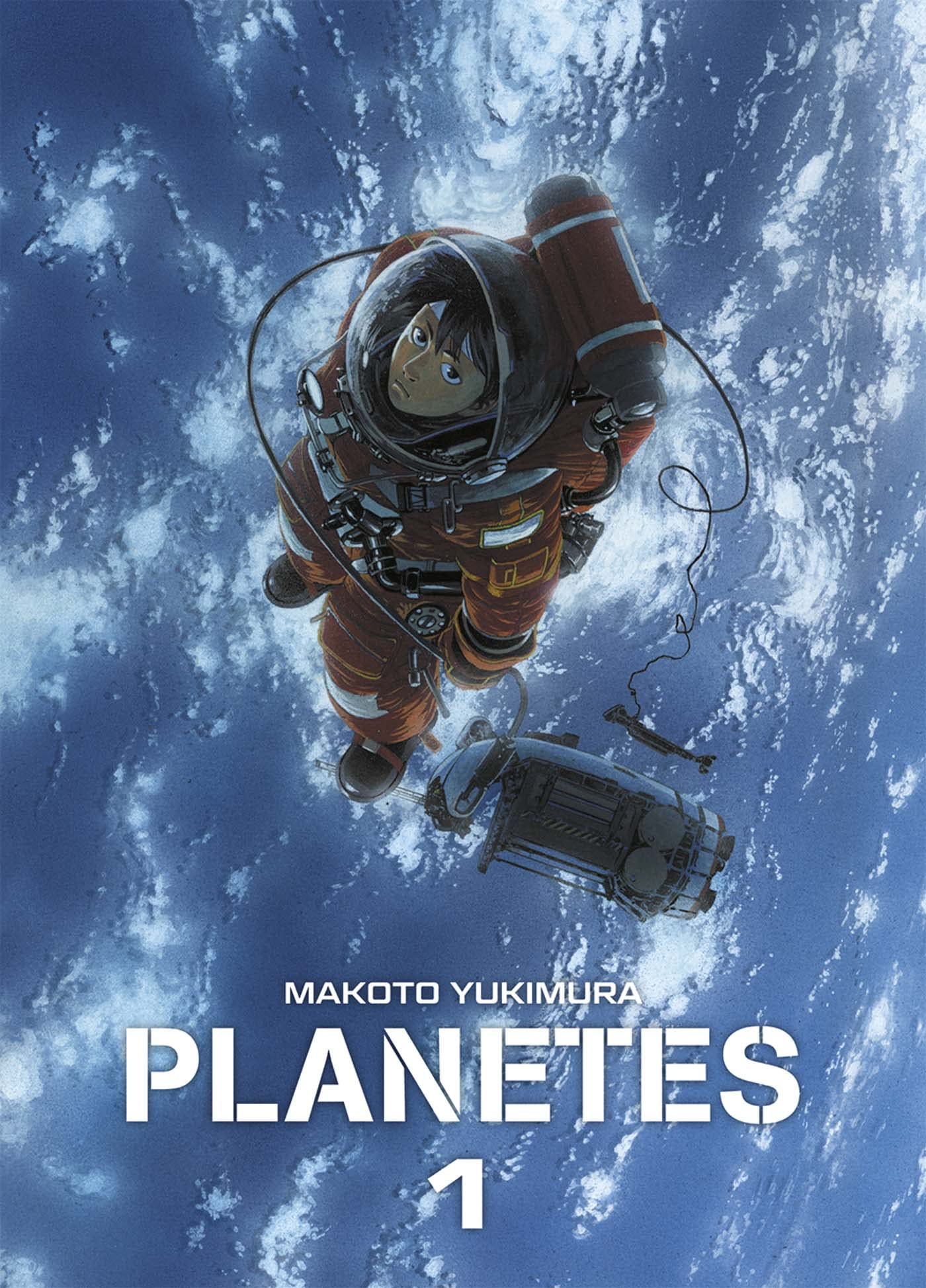
Makoto Yukimura’s career began in 1999 with the serialization of Planetes in Kodansha's Weekly Morning magazine. At a time when the industry was leaning heavily into fantasy and supernatural battle shonen, Yukimura opted for a grounded, "hard" science-fiction approach.
The Success of Hard Sci-Fi
Planetes follows a group of space debris collectors in the year 2075. The series was lauded for its technical accuracy regarding orbital mechanics and the psychological toll of space travel. This attention to detail didn't just earn critical acclaim; it established Yukimura as a "prestige" author.
- Critical Milestones: The series won the prestigious Seiun Award for Best Comic in 2002, a high honor in the Japanese science fiction community.
- Media Adaptation: In 2003, Sunrise (now Bandai Namco Filmworks) produced a 26-episode anime adaptation. The licensing fees and subsequent DVD/Blu-ray sales from this era provided the financial foundation for Yukimura’s future independence.
- Thematic Depth: Planetes introduced the recurring Yukimura theme: the struggle of the individual to find meaning within a vast, often uncaring system—be it the vacuum of space or the machinery of war.
The Pivot to History: The Rise of Vinland Saga
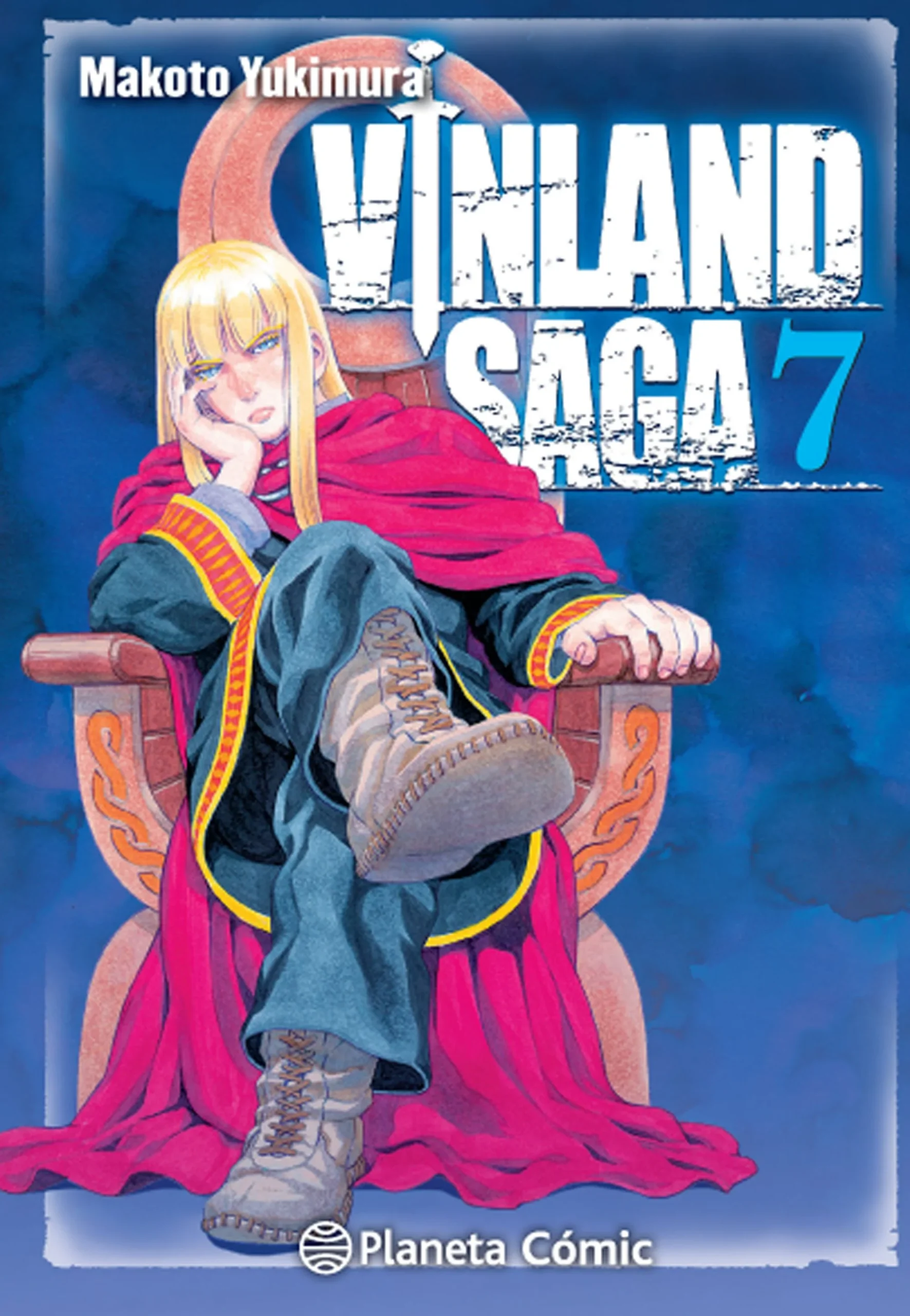
In 2005, Yukimura transitioned from the future to the past with Vinland Saga. Initially serialized in Weekly Shonen Magazine, the series eventually moved to the monthly magazine Afternoon. This shift was pivotal, as it allowed Yukimura more time to craft the intricate, highly detailed artwork that has become his trademark.
From Violence to Pacifism
Vinland Saga is notable for its dramatic narrative shift. What began as a revenge-driven Viking epic centered on Thorfinn Karlsefni evolved into a profound exploration of pacifism and the search for "Vinland"—a land free from slavery and war.
- The Prologue (War Arc): This era defined the mid-2000s Seinen landscape, featuring brutal combat and complex political maneuvering.
- The Slave Arc (Farmland Arc): Often cited as one of the greatest character development arcs in manga history, this segment transitioned the series into a deeper psychological drama, widening its appeal to an older, more sophisticated demographic.
- Commercial Performance: By 2023, the series had over 7 million copies in print. By 2026, continued interest in the final "Vinland" arc has pushed these numbers higher, directly impacting Yukimura’s royalty statements.
Analyzing the Components of Yukimura's Net Worth
Calculating the net worth of a mangaka involves looking beyond simple book sales. The modern ecosystem for a creator of Yukimura's stature is multifaceted.
1. Domestic and International Royalties
Japan remains the primary market, but the North American and European markets (particularly France) have become essential. Kodansha USA’s high-quality hardcover releases of Vinland Saga have a higher price point than standard tankobon, leading to better royalty margins per unit sold for the author.
2. Anime Licensing and Streaming
The 2019 and 2023 anime seasons of Vinland Saga were global hits. While mangaka often receive a flat licensing fee rather than a percentage of streaming revenue, the "anime effect" typically leads to a 3x to 5x increase in manga volume sales. Deals with platforms like Netflix and Crunchyroll ensure that the IP remains visible to a global audience, sustaining the book sales that build long-term wealth.
3. Industry Awards and Prestige
Awards in Japan often come with cash prizes, but their real value lies in "status," which allows an author to negotiate higher page rates.
| Award | Year | Work | Significance |
|---|---|---|---|
| Seiun Award | 2002 | Planetes | Established him as a top-tier Sci-Fi writer. |
| Japan Media Arts Festival (Grand Prize) | 2009 | Vinland Saga | Government-level recognition of artistic merit. |
| Kodansha Manga Award (General) | 2012 | Vinland Saga | Industry-wide validation of commercial and critical success. |
Artistic Philosophy and Professional Integrity
One reason Yukimura’s net worth isn't higher—despite his fame—is his refusal to compromise on quality for the sake of quantity. He is known for taking extensive research trips (including visiting Iceland and Scandinavia for Vinland Saga) and maintaining a meticulous drawing style that precludes the "churn" seen in weekly shonen series.
His dedication to the "Human Condition" has earned him a loyal fanbase that supports his work over decades. This "quality over quantity" approach creates a stable financial floor; his books do not go out of print, and they do not lose relevance, unlike trend-based series that flare up and disappear.
The Challenges of the Mangaka Profession
To understand Yukimura’s wealth, one must also account for the high overhead costs associated with being a top-tier manga artist.
- Assistant Salaries: A mangaka of Yukimura's detail requires several skilled assistants to handle backgrounds, tones, and digital effects.
- Studio Rent: Maintaining a professional workspace in Tokyo or surrounding urban areas is a significant ongoing expense.
- Taxes: Japan’s progressive tax system for high earners can take a substantial portion of annual income.
Despite these costs, Yukimura has managed his career with a level of stability that is rare in the volatile world of manga. He is often cited as a model for younger artists on how to transition from a "hot" young talent to a respected veteran with a sustainable lifestyle.
Frequently Asked Questions
What is Makoto Yukimura's most profitable work?
Vinland Saga is undoubtedly his most profitable work. Due to its length (over 20 volumes), global anime distribution, and high sales volume in Western markets, it accounts for the vast majority of his career earnings and current net worth.
How does Makoto Yukimura’s net worth compare to other mangaka?
While he is wealthy, his net worth is modest compared to "shonen giants" like Eiichiro Oda (One Piece) or Akira Toriyama (Dragon Ball), whose net worths are estimated in the hundreds of millions. Yukimura operates in the Seinen (adult men's) category, which has a smaller but more dedicated and affluent audience.
Does Makoto Yukimura receive royalties from the Vinland Saga anime?
Generally, mangaka receive an upfront "original work" fee for anime adaptations. While they may not receive direct royalties from every stream on Netflix or Crunchyroll, they benefit immensely from the surge in manga sales caused by the anime’s popularity, which translates into increased royalty checks from the publisher.
Is Makoto Yukimura still active in 2026?
Yes, Yukimura remains an active and influential figure in the industry. As of 2026, he continues to oversee the legacy of his completed works while engaging in the final stages or post-completion reflections of the Vinland Saga narrative, often participating in international literary and comic festivals.
Has Makoto Yukimura ever worked on video games?
While primarily focused on manga, Yukimura’s character designs and historical research have influenced the broader media landscape. However, he has not transitioned into full-time game design, preferring the autonomy and singular vision afforded by the manga medium.
Final Perspective: Success Beyond the Numbers
While a net worth of $3M–$5M in 2026 places Makoto Yukimura among the financial elite of the manga world, his true "worth" is measured by his influence on the medium. He successfully bridged the gap between hard science fiction and historical epic, proving that philosophical manga can be both critically acclaimed and commercially viable. For readers and aspiring creators, Yukimura’s career highlights serve as a roadmap for achieving professional longevity through research, artistic evolution, and an unwavering commitment to storytelling depth.
Image Gallery