What Is a Joint Universal Life Insurance Quote and How Does It Work?
A joint universal life insurance quote is an official pricing estimate for a permanent life insurance policy covering two people—typically spouses or business partners—that pays out a death benefit either upon the first death or the se...
A joint universal life insurance quote is an official pricing estimate for a permanent life insurance policy covering two people—typically spouses or business partners—that pays out a death benefit either upon the first death or the second death. Understanding how these estimates are calculated helps policyholders navigate complex underwriting criteria, cash value growth mechanisms, and long-term financial planning objectives.
Contents
Understanding Joint Universal Life Insurance
Joint universal life insurance represents a specialized segment of the permanent life insurance market. Unlike standard individual policies that cover a single insured life, joint universal life insurance policies cover two distinct individuals under a single administrative framework. These products fall into two primary structural categories: first-to-die (or joint life) policies and survivorship (or second-to-die) policies.
A first-to-die policy distributes the death benefit as soon as the first insured individual passes away. This structure is frequently utilized by married couples who want to ensure the surviving partner can immediately pay off a mortgage, replace lost income, or cover daily living expenses. Conversely, a survivorship policy delays the payout until both insured individuals have died. Estate planners frequently recommend survivorship policies to help affluent families pay federal estate taxes, fund charitable bequests, or equalize inheritances among heirs without forcing the liquidation of illiquid assets like real estate or family businesses.
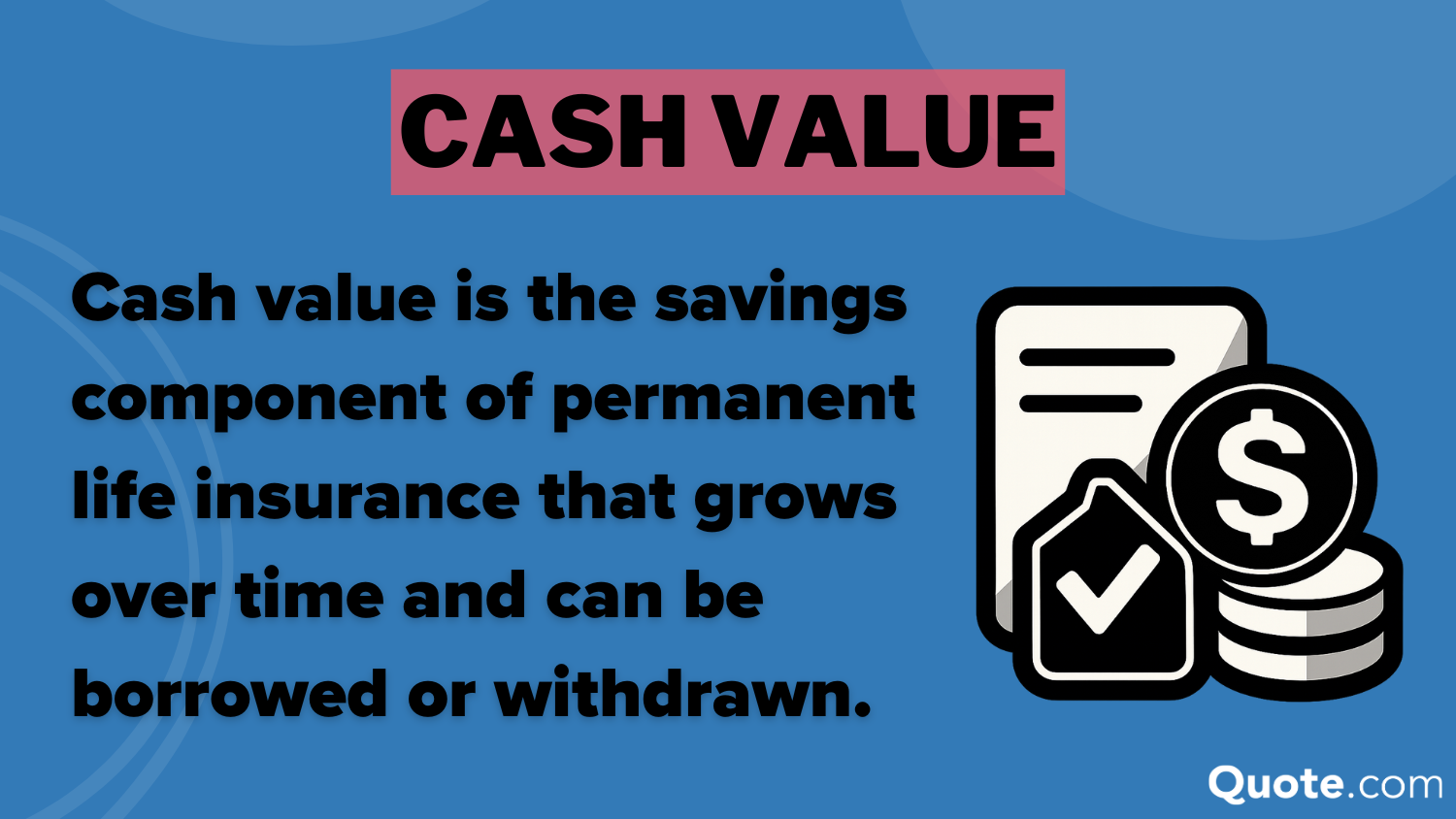
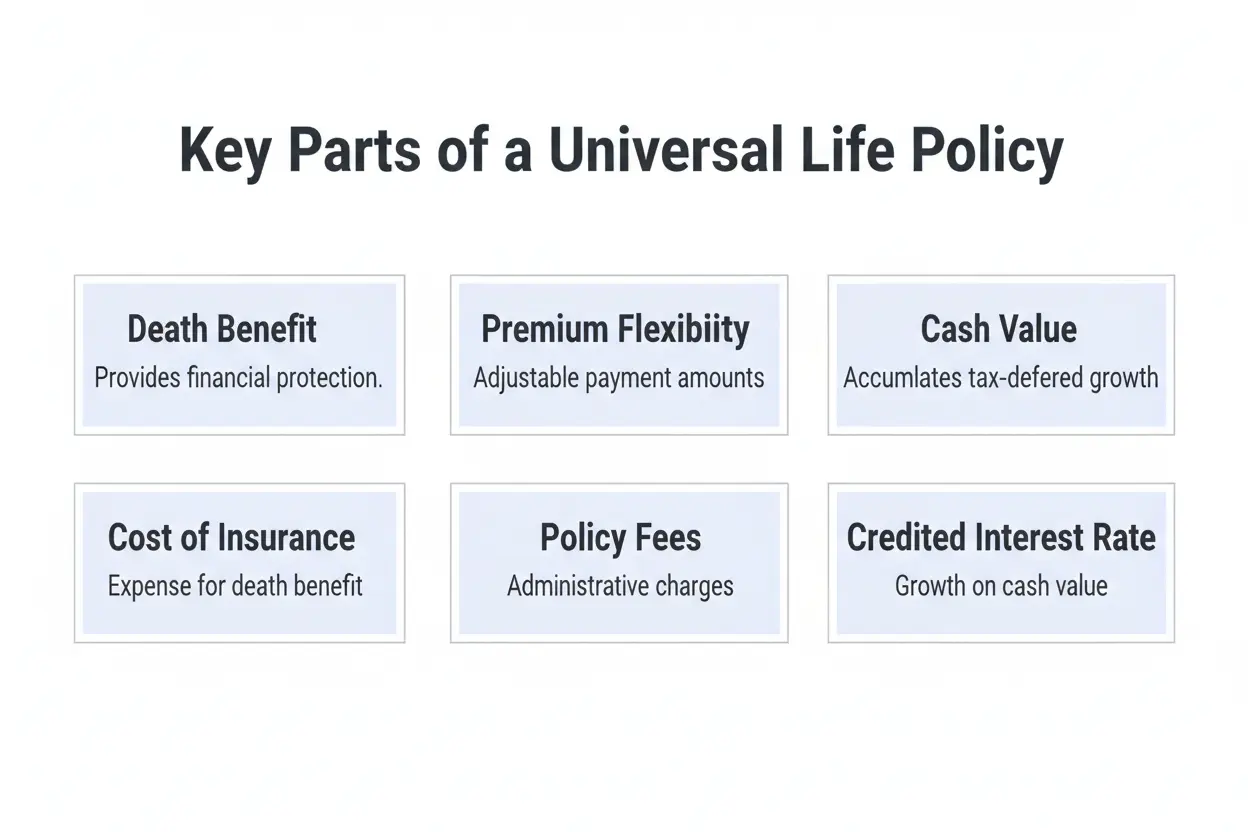
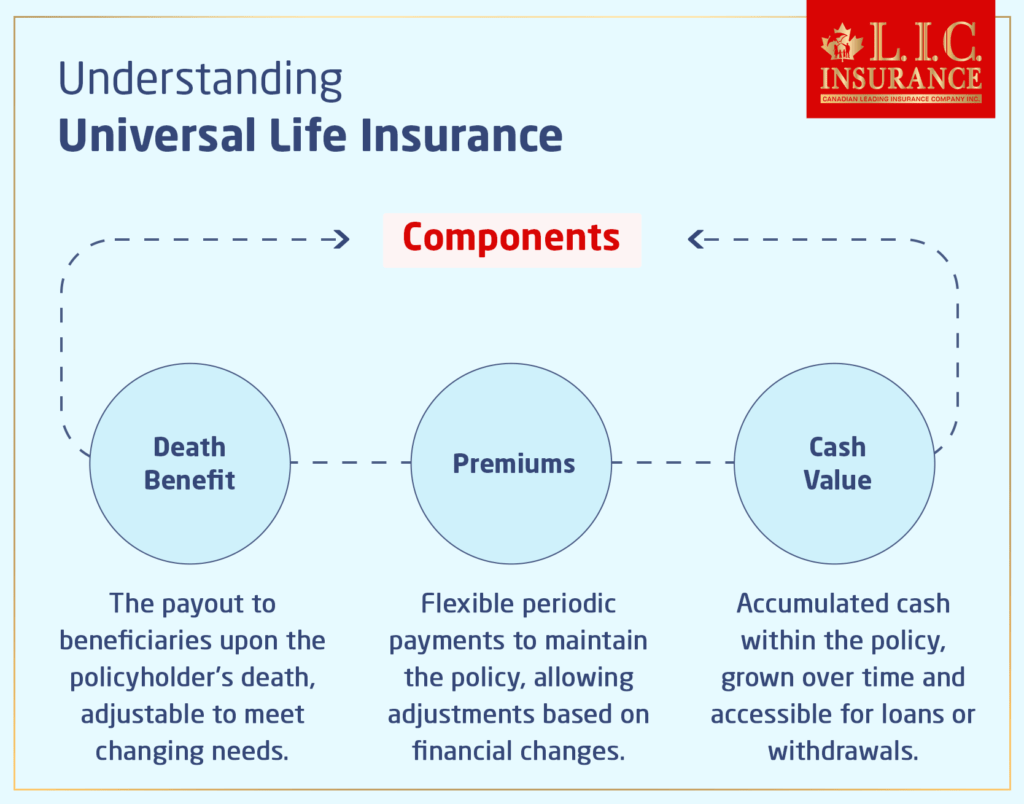
Universal life insurance components add an investment-like cash value account to the foundational death benefit. Portions of the paid premiums accumulate in this account, earning interest based on prevailing market rates or index performance, depending on the specific product design. A joint universal life insurance quote reflects the combined cost of maintaining this dual-insured risk pool while factoring in the projected growth of the internal cash value account.
Mechanics of a Joint Universal Life Insurance Quote
When an insurance broker or carrier generates a joint universal life insurance quote, they are providing a baseline financial projection based on actuarial mathematics, underwriting data, and policyholder selections. Because two lives are evaluated, the quote calculation process differs significantly from single-life pricing models.
Insurance companies evaluate the mortality risk of both applicants simultaneously. For first-to-die policies, the pricing is inherently higher than an individual policy for either person alone because the insurer faces two potential triggers for a payout. In contrast, survivorship policies often feature more affordable initial premium quotes compared to two separate individual policies. This cost advantage occurs because the insurer does not payout until the second death, giving the accumulated cash value more time to compound and offset rising mortality costs in later years.
The quote document typically outlines several core financial variables:
- Specified Face Amount: The total death benefit payable upon the qualifying death event.
- Planned Premium: The proposed periodic payment amount chosen by the applicant to keep the policy active and fund the cash value.
- Minimum Premium: The absolute lowest payment required to prevent the policy from lapsing during the early years.
- Maximum Premium: Internal Revenue Code limits governing how much money can be funneled into the policy without losing its tax-advantaged status.
- Projected Cash Value: Estimated accumulations at guaranteed minimum interest rates and current prevailing interest rates over 10-, 20-, and 30-year horizons.
Key Factors That Influence Your Quote
Insurance carriers analyze dozens of variables before issuing a finalized joint universal life insurance quote. Because the policy covers two individuals, underwriting standards can be strict, and the overall quote is often dictated by the higher-risk applicant in the pairing.
Age and Health Classifications
Age is the most fundamental determinant of life insurance pricing. As individuals age, mortality risk increases, raising the cost of insurance charges deducted monthly from the policy's cash value. Medical underwriting examines current health status, blood chemistry, blood pressure, cholesterol levels, and family medical history. If one applicant has a chronic medical condition—such as type 2 diabetes or controlled hypertension—the entire joint policy quote may reflect a substandard health rating, increasing the premium compared to a healthy applicant pairing.
Lifestyle and Occupational Risks
Insurers evaluate high-risk hobbies, international travel habits, and professional occupations. Engaging in activities like private aviation, scuba diving, rock climbing, or skydiving can increase the policy's cost. Similarly, occupations involving hazardous environments or extensive commercial travel may result in higher quoted premiums.
Financial Selections and Riders
The chosen death benefit structure and optional policy riders heavily dictate the final quote. Adding riders such as a chronic illness rider, an accelerated death benefit, or a waiver of premium provision will increase the required premium. Furthermore, selecting a level death benefit versus an increasing death benefit (where the cash value is added on top of the base face amount) alters the internal cost structure.
Comparing Joint Policies Versus Individual Policies
Deciding whether to pursue a joint universal life insurance quote or two separate individual policies requires a careful analysis of costs, flexibility, and long-term goals. The following comparison highlights the structural differences.
| Feature | Joint First-to-Die Policy | Joint Survivorship Policy | Two Individual Policies |
|---|---|---|---|
| Payout Timing | Upon the death of the first insured. | Upon the death of the second insured. | Independent payouts for each policy when each insured dies. |
| Primary Use Case | Income replacement, debt payoff for couples. | Estate tax planning, wealth transfer. | Income replacement, individual estate planning, business protection. |
| Initial Cost | Higher than an individual policy; lower than two separate policies. | Generally lower than two separate policies for equivalent coverage. | Varies; can be more expensive if both applicants are older or unhealthy. |
| Policy Split Options | Rare; usually terminates after the first payout. | Some policies allow splitting if divorce or business dissolution occurs. | Complete independence; changes to one do not affect the other. |
Common Mistakes to Avoid When Requesting Quotes
Navigating the procurement of permanent life insurance requires attention to detail. Avoiding common missteps ensures that the received quote aligns with actual financial needs.
- Underestimating the Impact of the Healthier vs. Sicker Partner: Many applicants assume that if one partner is exceptionally healthy, it will heavily discount the sick partner's risk. In reality, insurers often rate the joint policy based on the higher risk profile.
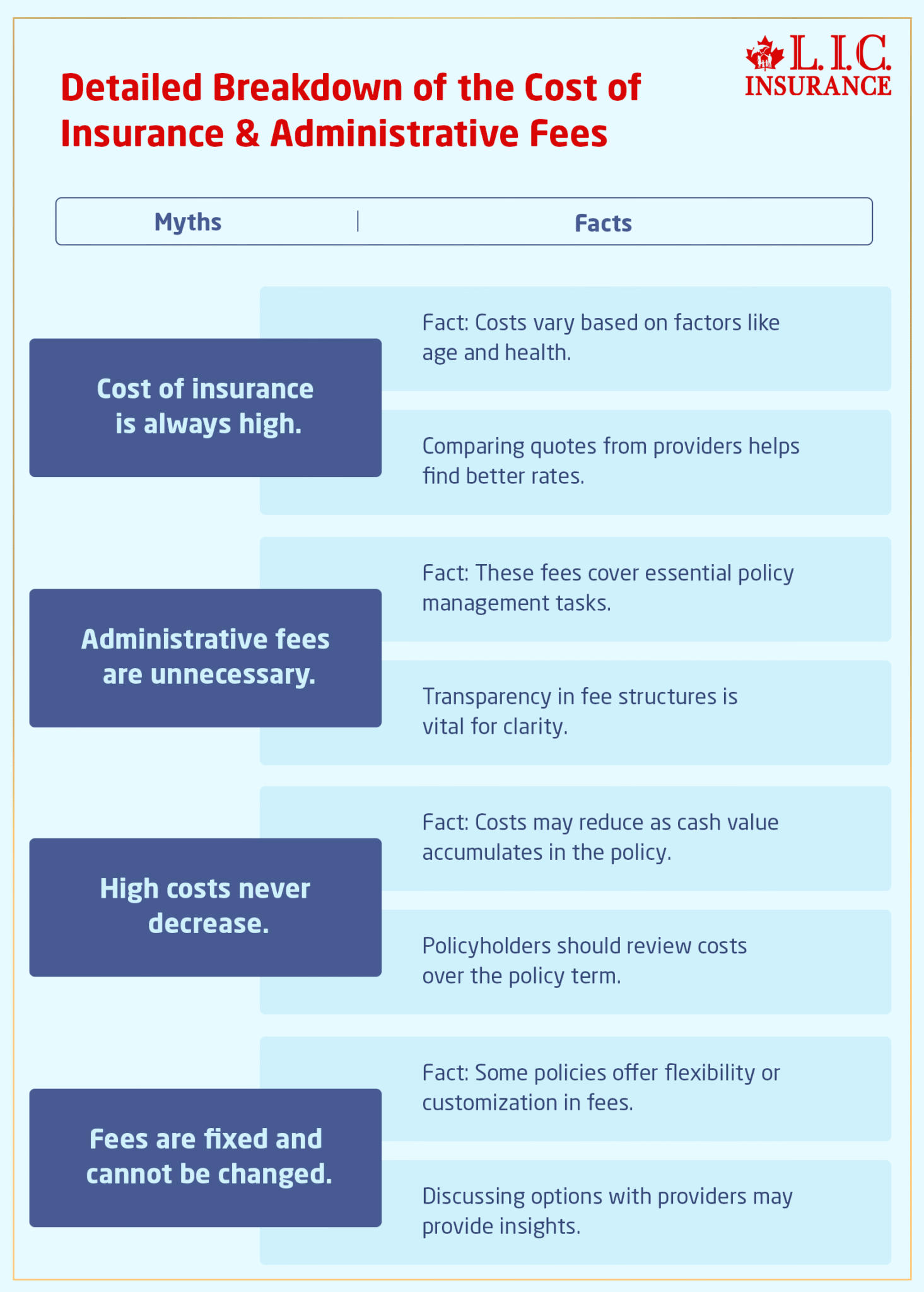
- Focusing Solely on the Lowest Initial Premium: Universal life insurance quotes feature flexible premium structures. Choosing the absolute minimum premium to secure a cheap quote often leads to policy lapse down the road as insurance charges increase with age.
- Ignoring Policy Ownership and Tax Implications: Depending on how the policy is structured, the death benefit may be subject to estate taxes unless owned by an irrevocable life insurance trust (ILIT). Consulting a qualified tax professional or financial planner before finalizing the quote structure is essential.
Step-by-Step Process to Obtain a Quote
Securing an accurate joint universal life insurance quote involves a structured sequence of actions. Working with an independent insurance broker who represents multiple carriers typically yields the most comprehensive market overview.
- Define Financial Objectives: Determine whether the goal is income protection upon the first death (first-to-die) or estate liquidity upon the second death (survivorship).
- Gather Personal and Medical Data: Collect accurate dates of birth, Social Security numbers, medical histories, prescription medication lists, and details regarding lifestyle habits for both applicants.
- Determine Coverage Amount: Calculate the necessary face amount based on outstanding liabilities, future income replacement needs, business buy-sell agreements, or projected estate tax liabilities.
- Request Quotes from Multiple Carriers: Submit preliminary information to multiple insurance providers to compare premium projections, guaranteed interest rates, and company financial strength ratings (such as those from AM Best).
- Complete Formal Underwriting: Submit signed applications, complete paramedical exams (blood draws, urine samples, and physical measurements), and provide attending physician statements if requested.
- Review and Accept the Policy: Examine the final policy offer. Ensure the actual issued premium matches or closely approximates the initial quote before signing the delivery receipt and paying the initial premium.
Frequently Asked Questions
Can a joint universal life insurance policy be split if the couple divorces?
Some modern joint universal life insurance policies include a "split-option rider." This contractual feature allows the policy to be divided into two separate individual permanent policies without requiring new medical underwriting if the co-insured parties divorce or dissolve a business partnership. Availability varies significantly by carrier, so verify this feature during the quoting phase.
What happens to a joint universal life insurance policy if one person stops paying?
Universal life policies utilize an internal cash value account to pay monthly administrative and mortality costs. As long as the cash value contains sufficient funds to cover these deductions, the policy remains active even if premium payments temporarily stop. However, if the cash value depletes entirely, the policy will lapse unless additional premium payments are made.
Are the cash values and death benefits of joint universal life insurance taxable?
Generally, life insurance death benefits are paid out to beneficiaries income-tax-free under Internal Revenue Code Section 101(a). The cash value growth inside a universal life policy grows on a tax-deferred basis, meaning policyholders do not pay annual taxes on internal interest earnings as long as the policy remains in force and does not lapse or trigger modified endowment contract (MEC) status.
How do changes in interest rates affect a universal life insurance quote?
Universal life insurance features adjustable interest crediting rates tied to underlying commercial portfolios or market indices. Quotes typically illustrate values under two scenarios: current interest rates and guaranteed minimum interest rates. If market interest rates decline, the cash value will grow slower than projected, potentially requiring higher out-of-pocket premium payments later to maintain the policy.
Is medical underwriting required for every joint universal life insurance quote?
Most permanent life insurance products require full medical underwriting, including a paramedical exam. While accelerated underwriting programs exist for younger, healthier applicants seeking term life insurance, permanent policies like joint universal life almost universally require comprehensive health verification to price the long-term mortality risk accurately.
Next Actions and Professional Guidance
To move forward effectively, begin by assessing your household or business financial liabilities and determining whether a first-to-die or survivorship structure aligns with your long-term roadmap. Connect with an independent insurance professional who can run comparative illustrations across multiple top-tier carriers. Request both current-assumption and guaranteed-assumption ledger printouts to thoroughly understand how the policy performs under different economic conditions before submitting a formal application.
Image Gallery