What to Know About a Miami Beach Motorcycle Accident
A Miami Beach motorcycle accident requires immediate medical attention, a formal police report through the Miami Beach Police Department, and a clear understanding of Florida’s unique insurance and negligence laws. Unlike motorists, mo...
A Miami Beach motorcycle accident requires immediate medical attention, a formal police report through the Miami Beach Police Department, and a clear understanding of Florida’s unique insurance and negligence laws. Unlike motorists, motorcyclists are often excluded from Personal Injury Protection (PIP) coverage, making third-party claims essential for recovering medical expenses and lost wages.
Contents
Navigating the aftermath of a motorcycle crash in a high-density tourist hub like Miami Beach presents specific legal and logistical challenges. Whether you are a local commuter or a visitor riding across the MacArthur Causeway, the steps you take in the first 48 hours significantly influence your ability to secure compensation. In 2026, Florida’s legal landscape remains shaped by significant tort reforms passed in recent years, affecting how fault is determined and the timeframe available to file a lawsuit.
Immediate Steps Following a Motorcycle Crash in Miami Beach
The moments following a collision are critical for both your physical health and your future legal claim. Miami Beach’s unique geography—consisting of narrow streets and high-traffic corridors—makes scene management particularly difficult.
Prioritize Medical Assessment
Even if you believe your injuries are minor, seeking a professional medical evaluation is non-negotiable. In Miami Beach, Mount Sinai Medical Center is the primary facility for emergency care, while the Ryder Trauma Center at Jackson Memorial Hospital serves as the nearest Level 1 trauma center for catastrophic injuries. Adrenaline often masks symptoms of internal bleeding, organ damage, or traumatic brain injuries (TBI). Furthermore, a gap in medical treatment is the most common reason insurance companies deny motorcycle accident claims, arguing that the injuries were not caused by the crash.
Secure the Official Police Report
In Miami Beach, you must report any accident involving injuries or significant property damage to the Miami Beach Police Department (MBPD). Officers will arrive to document the scene and create a Florida Traffic Crash Report. Ensure you request the "Long Form" report if injuries are involved. This document serves as a foundational piece of evidence, detailing the officer's initial findings on fault, road conditions, and any citations issued to the involved parties.
Document the Scene and Surroundings
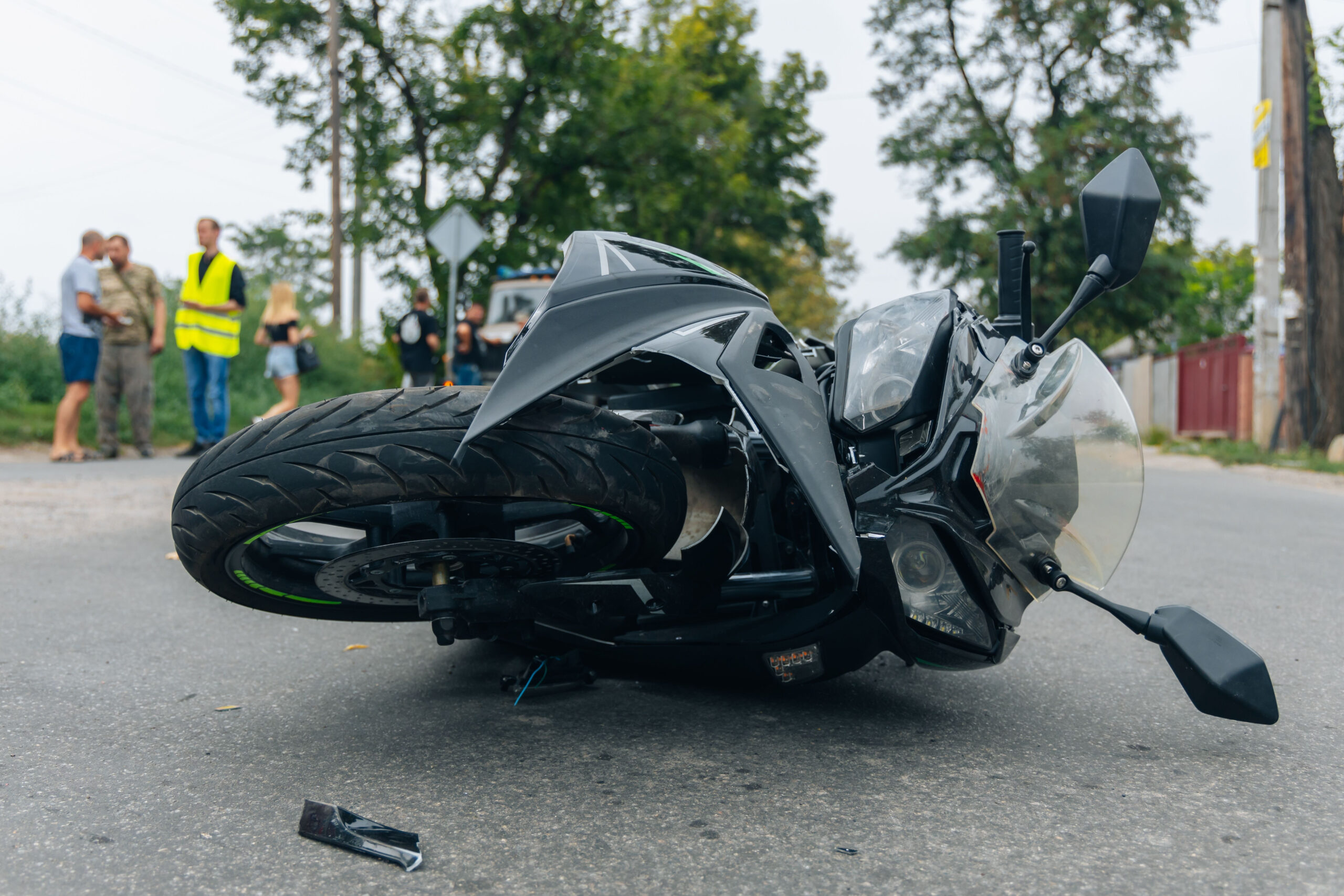
If physical condition permits, gather photographic evidence of the following:
- Vehicle Positioning: The final resting spots of the motorcycle and the other vehicle(s).
- Property Damage: Close-ups of the impact points on both the motorcycle and the car.
- Environmental Factors: Road hazards, obscured signage, or malfunctioning traffic signals on Collins Avenue or Washington Avenue.
- Witness Information: Contact details for bystanders. In a transient area like Miami Beach, witnesses may leave the scene quickly, making it impossible to find them later.
Understanding Florida’s Motorcycle Insurance Requirements
Florida’s insurance laws are notoriously distinct, particularly regarding two-wheeled vehicles. As of 2026, the state continues to operate under a modified no-fault system, but motorcycles occupy a "grey area" that many riders do not fully understand until an accident occurs.
The Personal Injury Protection (PIP) Exclusion
In Florida, owners of motor vehicles with four or more wheels are required to carry $10,000 in PIP coverage. However, motorcycles are not defined as motor vehicles under this specific statute. Consequently, riders are not required to carry PIP, nor are they eligible for PIP benefits through their own auto insurance if they are injured on a motorcycle. This creates a "coverage gap" where the rider is immediately responsible for their own medical bills unless they have private health insurance or specialized Medical Payments (MedPay) coverage.
Financial Responsibility Laws
While Florida does not mandate insurance to register a motorcycle, it does enforce strict financial responsibility laws. If a rider is found at fault for an accident and does not have liability insurance, they risk the suspension of their driving privileges and may be held personally liable for damages. To comply with the law and protect personal assets, most experts recommend a policy that includes:
- Bodily Injury Liability (BI): Covers injuries to others if you are at fault.
- Property Damage Liability (PD): Covers damage to other vehicles or property.
- Uninsured/Underinsured Motorist (UM/UIM): This is the most critical coverage for Miami Beach riders, as it provides a recovery source if the at-fault driver has no insurance or flees the scene.
| Coverage Type | Mandatory for Motorcycles? | Recommended for Miami Beach? | Why? |
|---|---|---|---|
| PIP (Personal Injury Protection) | No | N/A (Rarely available) | Statutory exclusion for motorcycles. |
| Property Damage (PDL) | Yes (after an accident) | Yes | Covers damage to other vehicles. |
| Bodily Injury (BIL) | No (unless at fault) | Highly Recommended | Protects assets from third-party lawsuits. |
| UM/UIM | No | Essential | Protects you from hit-and-runs or uninsured drivers. |
Florida's Modified Comparative Negligence Standard
A significant shift in Florida law occurred in March 2023 with the passage of HB 837, which remains the governing standard in 2026. Florida moved from a "pure" comparative negligence system to a "modified" comparative negligence system.
The 50% Bar Rule
Under this rule, a plaintiff is barred from recovering any damages if they are found to be more than 50% at fault for the accident. For example, if a jury determines that a motorcyclist was 51% responsible for a collision because they were speeding through a school zone on Alton Road, the rider receives zero compensation, regardless of the severity of their injuries.
If the rider is 50% at fault or less, their total compensation is reduced by their percentage of fault. For instance, if total damages are $100,000 and the rider is 20% at fault, they would receive $80,000. This makes the investigation phase of a Miami Beach motorcycle accident claim incredibly high-stakes, as insurance adjusters will work aggressively to push the rider’s fault percentage above the 50% threshold.
The Two-Year Statute of Limitations
Time is of the essence in 2026. Following the legal reforms of 2023, the statute of limitations for filing a negligence-based personal injury lawsuit in Florida was reduced from four years to two years.
This means that a motorcyclist has exactly two years from the date of the crash to either settle their claim or file a formal lawsuit in the appropriate circuit court (typically the 11th Judicial Circuit of Florida for Miami-Dade County). Failing to meet this deadline results in the permanent loss of the right to seek compensation. Given the time required for medical stabilization and expert accident reconstruction, initiating the legal process within the first few months is advisable.
Common Causes of Motorcycle Accidents in Miami Beach
Miami Beach presents a unique set of hazards that differ from inland or rural areas. Understanding these factors is essential for establishing liability.
- Distracted Tourist Drivers: Many drivers on the MacArthur and Julia Tuttle Causeways are tourists navigating unfamiliar GPS routes or looking at the scenery. This leads to sudden lane changes and failure to yield the right-of-way.
- Left-Turn Collisions: The most common motorcycle accident involves a vehicle making a left turn in front of an oncoming biker. On busy stretches like Washington Avenue, drivers often fail to gauge the speed of a motorcycle.
- Door-Prize Accidents: In the densely packed parking areas of South Beach, drivers frequently open car doors without checking for lane-filtering motorcyclists.
- Road Debris and Sand: Miami Beach’s proximity to the ocean means sand and salt spray can accumulate on coastal roads (A1A), reducing tire traction and causing low-side accidents.
- Illegal Maneuvers: While many riders attempt "lane splitting" (riding between rows of stopped or moving traffic), it remains illegal in Florida as of 2026. However, "lane filtering" at stoplights is frequently debated in the legislature; currently, bikers must remain in a single lane of travel.
Determining Damages and Compensation
Motorcycle accidents often result in "catastrophic" injuries, which Florida law defines as those involving permanent impairment or significant scarring. In these cases, a rider may seek:
- Economic Damages: Quantifiable losses such as hospital bills, surgeries, physical therapy, and lost wages.
- Non-Economic Damages: Compensation for pain and suffering, mental anguish, and loss of enjoyment of life.
- Future Costs: If an injury requires long-term care or prevents a return to work, life-care planners may be utilized to estimate the lifetime cost of the injury.
Because there is no PIP to cover the first $10,000, every dollar of recovery must typically come from the at-fault party's insurance or the rider’s own UM/UIM policy.
Frequently Asked Questions
Do I have to wear a helmet to file a claim in Miami Beach?
Florida law allows riders over 21 to ride without a helmet if they carry at least $10,000 in medical benefits coverage. However, from a legal perspective, not wearing a helmet can be used against you under the "comparative negligence" rule. An insurance company may argue that your injuries would have been less severe had you been wearing a helmet, potentially reducing your compensation.
What if I was injured on a rented scooter or motorcycle?
Rental companies in Miami Beach often provide the bare minimum liability coverage required by law. If you are injured on a rental, you must review the rental agreement to see what supplemental insurance was purchased. If the accident was caused by a mechanical failure of the rental unit, you might have a product liability claim against the rental agency.
How do I get my motorcycle repaired after an accident?
In Florida, property damage is usually handled separately from the personal injury portion of the claim. If the other driver is at fault, their Property Damage Liability (PDL) insurance should cover the repairs or the "Total Loss" value of the bike. If you have collision coverage on your own policy, you can use it to speed up the process, and your insurer will seek reimbursement from the at-fault party later.
Does "lane splitting" affect my legal rights?
Yes. Since lane splitting is illegal in Florida, an insurance company will likely assign a high percentage of fault to a rider who was splitting lanes at the time of the crash. This could potentially trigger the 50% bar rule, preventing you from recovering any damages at all.
How long does a motorcycle accident settlement take?
In Miami-Dade County, the timeline varies. A straightforward claim with clear liability might settle in 6 to 12 months. However, if the injuries are severe or liability is contested, the case may proceed to litigation, which can take 18 to 24 months or longer.
Final Recommendations for Miami Beach Riders
If you are involved in a motorcycle accident in Miami Beach, your first priority is a comprehensive medical exam at a facility like Mount Sinai Medical Center. Once stabilized, obtain your crash report from the Miami Beach Police Department and avoid giving recorded statements to the other driver's insurance adjuster until you have consulted with a legal professional.
Given the 2026 legal environment—specifically the two-year statute of limitations and the 50% fault bar—securing evidence early is the only way to protect your right to compensation. Avoid discussing the accident on social media, as investigators frequently monitor public profiles to find evidence that contradicts a victim's injury claims.
Image Gallery