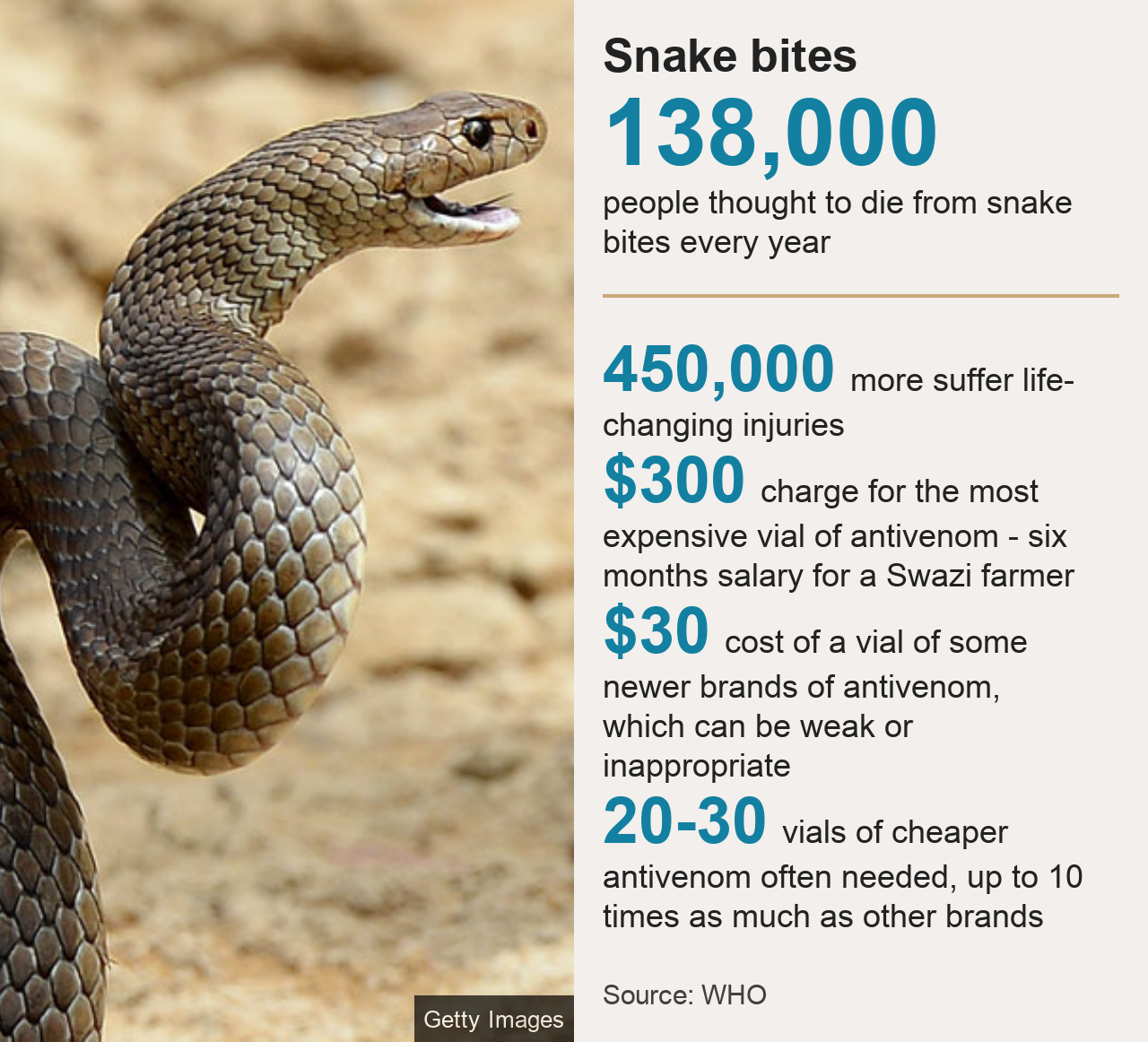
Understanding Snake Bite Deaths in Tennessee: Risks, Reality, and Medical Response
Fatal snake bites in Tennessee are exceptionally rare, despite the state hosting several species of venomous snakes capable of causing significant medical harm. While the fear of encountering a dangerous reptile in the wild is common a...
Fatal snake bites in Tennessee are exceptionally rare, despite the state hosting several species of venomous snakes capable of causing significant medical harm. While the fear of encountering a dangerous reptile in the wild is common among hikers, hunters, and residents in rural areas, the actual statistical incidence of death resulting from these encounters remains extremely low. Modern medical advancements, widespread access to antivenom, and improved emergency response protocols have rendered most venomous bites treatable, shifting the primary concern from mortality to morbidity and the management of long-term tissue damage.
Contents
The Landscape of Venomous Snakes in Tennessee
To understand the risk profile in Tennessee, it is necessary to identify the specific species present in the state. Tennessee is home to four species of venomous snakes, all of which belong to the pit viper family (Crotalinae). These snakes are characterized by heat-sensing pits located between their eyes and nostrils, which allow them to track warm-blooded prey in low-light conditions.
- Copperhead (Agkistrodon contortrix): The most common venomous snake in Tennessee, found in nearly every county. Their bite is painful and causes significant swelling, but it is rarely fatal in healthy adults.
- Timber Rattlesnake (Crotalus horridus): Found in mountainous and forested regions. These snakes possess more potent venom than copperheads and are capable of delivering a much larger volume, representing a higher risk of systemic complications.
- Pygmy Rattlesnake (Sistrurus miliarius): Primarily found in the western part of the state. While they are small, their bites can still cause intense pain and localized tissue destruction.
- Cottonmouth (Agkistrodon piscivorus): Most prevalent in the wetlands and water bodies of Western Tennessee. They are semi-aquatic and can be defensive if they feel cornered or threatened.
Understanding that these animals generally avoid human contact is the first step in risk mitigation. Most bites occur when a person accidentally steps on a snake, attempts to handle one, or tries to kill it—actions that trigger the animal's defensive reflex.
Statistical Perspective on Mortality
When analyzing "snake bite deaths in Tennessee," the data consistently points toward a conclusion of rarity. According to the Tennessee Department of Health and data often tracked via the National Poison Data System (NPDS), there are thousands of reported animal bites annually, but confirmed fatalities from native venomous snakes occur at a rate often approaching zero in any given year.
This lack of mortality is not due to a lack of venomous snakes, but rather the efficacy of the North American medical system. When a bite occurs, the speed at which the patient receives professional medical evaluation is the single greatest predictor of outcome. Most individuals who suffer a bite are treated with antivenom (such as CroFab or Anavip), which neutralizes the toxins circulating in the bloodstream and prevents the cascade of organ failure or severe necrosis that historically led to fatal outcomes.
Clinical Management and Treatment Protocols
In a medical emergency involving a snake bite, hospitals in Tennessee follow standardized protocols established by toxicology specialists. If you suspect a bite, the primary goal is to reach a medical facility capable of providing antivenom treatment as safely and quickly as possible.
| Procedure | Purpose | Why It Matters |
|---|---|---|
| Immediate Evacuation | Reducing time to treatment | Limits the spread of venom via the lymphatic system. |
| Antivenom Administration | Neutralizing toxins | Stops the proteolytic enzymes from destroying tissue. |
| Pain Management | Controlling systemic stress | High pain levels can increase heart rate, speeding venom distribution. |
| Compartment Pressure Monitoring | Preventing limb loss | Swelling can cut off blood flow; surgery may be required to relieve pressure. |
It is a common medical misconception that field tourniquets or "cutting and sucking" are effective. Modern medical consensus strictly advises against these practices, as they often cause more damage to the tissue than the snake bite itself and can accelerate the systemic impact of the venom.
Common Misconceptions and First Aid Realities
Many historical myths regarding snake bite treatment have been debunked by medical research. Understanding these misconceptions is essential for anyone spending time outdoors in Tennessee.
- The "Cutting and Suction" Myth: Attempting to cut into the bite site or suck out venom is ineffective. The venom binds to tissues rapidly, and such attempts introduce bacteria into the wound, increasing the risk of secondary infection and severe trauma.
- The Tourniquet Error: Applying a tight tourniquet can trap concentrated venom in a localized area, leading to severe necrosis that may necessitate amputation. Medical professionals emphasize that blood flow should never be restricted in this manner.
- Ice and Cold Packs: Applying ice can actually cause further damage to the skin and underlying tissues that are already compromised by the venom’s toxic effects.
- Alcohol Consumption: It is a dangerous myth that alcohol helps "neutralize" the venom. Alcohol acts as a vasodilator, which may speed up the absorption of the venom into the bloodstream.
Risk Mitigation Strategies for Outdoor Enthusiasts
For those who hike, fish, or work in rural Tennessee, prevention is the most effective form of safety. Snakes in Tennessee are primarily reactive; they do not hunt humans. By minimizing the potential for accidental contact, the risk of a bite becomes nearly non-existent.
Awareness and Clothing:
- Footwear: Wear thick leather boots that cover the ankles when walking through tall grass, dense brush, or rocky areas. Snakes are less likely to penetrate thick leather than canvas or mesh.
- Pants: Long, loose-fitting pants provide a layer of protection that can deflect a snake’s fangs.
- Flashlights: When walking at night, always use a flashlight. Most snake bites in the dark occur because the individual did not see where they were placing their feet.
Situational Awareness:
- Avoid Handling: Never attempt to catch, touch, or kill a snake. A vast majority of bites involve individuals attempting to interact with the snake. If you see one, give it a wide berth and continue on your path; it will naturally move away once it no longer feels threatened.
- Scan Your Path: When stepping over logs or large rocks, step onto them rather than over them. If you cannot see what is on the other side, assume there may be an animal resting there.
- Keep Pets Leashed: Dogs are frequently bitten because they are curious and prone to sniffing under logs or in brush. Keeping pets on a leash in high-risk environments significantly reduces the likelihood of an encounter.
When to Seek Medical Help
If a bite occurs, it should be treated as a medical emergency regardless of whether the snake has been identified. Not all bites involve the injection of venom (known as a "dry bite"), but only a healthcare professional can determine this through blood work and clinical observation.
- Call Emergency Services: If you are in a remote area, prioritize getting to a cellular signal area or road access.
- Remove Restrictive Items: Immediately remove rings, watches, or tight bracelets from the affected limb. As the area begins to swell, these items can cause dangerous constriction.
- Keep the Limb Still: Keep the affected area at or slightly below the level of the heart to slow the spread of venom.
- Identify if Safe: If you can identify the snake from a distance, do so. Do not attempt to catch it or bring it to the hospital. A photograph taken from a safe distance is often helpful for medical staff, but it is not required for treatment.
Frequently Asked Questions
Are there many fatalities from snake bites in Tennessee? Fatalities are extremely rare. Most individuals reach medical care within the timeframe required to receive life-saving antivenom. While bites can cause significant pain and temporary or permanent tissue damage, the modern medical infrastructure in Tennessee effectively manages the risks.
Does Tennessee have any deadly non-venomous snakes? No. All non-venomous snakes in Tennessee are harmless in terms of lethal toxicity. While any snake can bite if threatened, their bites do not contain the complex, tissue-destroying, or hemotoxic proteins found in pit vipers.
Is it true that baby snakes are more dangerous? This is a persistent myth. While a baby venomous snake has less venom than an adult, the idea that they are "more dangerous" because they cannot control their venom release has not been supported by scientific evidence. Any bite from a venomous snake should be treated with the same level of medical urgency.
What should I do if I see a snake in my backyard? The best course of action is to leave it alone. Most snakes are beneficial to the ecosystem, as they control rodent populations. If the snake is near a high-traffic area, simply spray it with a garden hose from a safe distance; it will almost certainly leave the area of its own accord.
Conclusion
The threat of snake bite deaths in Tennessee is statistically minimal, often exacerbated by fear rather than factual risk. While the Copperhead, Timber Rattlesnake, Pygmy Rattlesnake, and Cottonmouth are present and capable of delivering medically significant bites, the combination of cautious behavior, proper outdoor attire, and immediate access to professional medical care ensures that these encounters rarely result in tragedy. By respecting the wildlife and maintaining a distance from these animals, Tennesseans can enjoy the outdoors with confidence. If a bite does occur, remain calm, remove constricting items, and seek emergency medical assistance immediately to ensure the best possible recovery.
Image Gallery