Uggie the Artist Dog in Film History
Uggie, a remarkably expressive Jack Russell Terrier, left an indelible pawprint on modern cinema through his unforgettable performance as The Dog in the Academy Award-winning 2011 silent film The Artist. His transition from a rescue sh...
Uggie, a remarkably expressive Jack Russell Terrier, left an indelible pawprint on modern cinema through his unforgettable performance as The Dog in the Academy Award-winning 2011 silent film The Artist. His transition from a rescue shelter reject to an international cinematic icon transformed contemporary discussions regarding animal actors in Hollywood, cementing his status as a historical figure in the entertainment industry.
Contents
The Early Life and Rescue Origins of Uggie
Before achieving global cinematic stardom, Uggie’s path was fraught with uncertainty. Born around 2002, the terrier faced multiple rejections and was bound for a high-kill animal shelter due to his high energy levels and hyperactive temperament. Fortunately, professional animal trainer Omar von Muller recognized the dog's unique intelligence, intense drive, and eagerness to please, ultimately rescuing him from a bleak fate.
Von Muller invested significant time and patience into channeling Uggie’s boundless energy into positive reinforcement training. Unlike many household pets, working film dogs require specialized socialization to remain completely unfazed by complex studio environments, harsh lighting, booming audio equipment, and dozens of cast and crew members moving around them. Uggie mastered these disciplines under von Muller's guidance, performing basic obedience tricks, complex physical gags, and emotional cues with precision.
Before securing his career-defining role in The Artist, Uggie worked primarily in minor commercial spots and independent projects, building a professional resume. These early years tested his versatility and adaptability. Working on varied sets allowed von Muller to fine-tune communication signals, ensuring the terrier could execute precise movements on command without showing stress or fatigue, setting the stage for his breakout theatrical feature.
The Breakthrough Role: The Artist (2011)
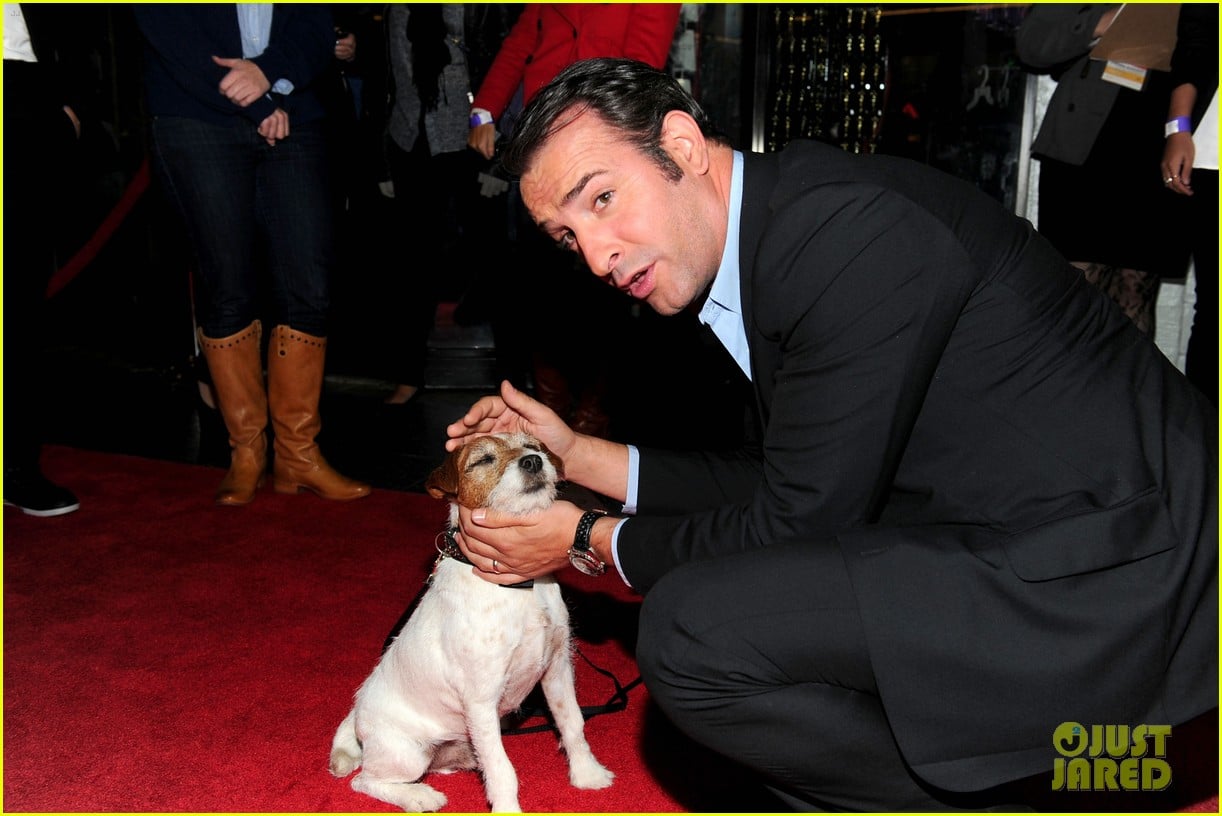
Uggie’s international acclaim arrived when director Michel Hazanavicius cast him in The Artist, a romantic comedy-drama shot in the style of a 1920s Hollywood silent film. In the movie, Uggie plays the loyal, quick-witted companion to the protagonist, a fading silent film star played by Jean Dujardin. The dog acts as a narrative anchor, mirroring the emotional highs and lows of his human owner through sophisticated physical acting and expressive reactions.
Playing a role in a silent film demanded exceptional physical comedy and timing from Uggie. Because the medium relied entirely on visual storytelling rather than dialogue, every head tilt, tail wag, and dramatic faint carried immense narrative weight. Famous sequences featured Uggie saving his owner from a burning building, playing dead on command, and guiding police officers to rescue the distressed protagonist.
The production constraints of The Artist required Uggie to work seamlessly alongside human actors under strict shooting schedules. The performance was not a product of digital manipulation or CGI; every trick, leap, and emotional expression was executed live on set by the dog. Critics and audiences alike marveled at his ability to hold the screen alongside veteran human performers, proving that canine actors could command emotional resonance equivalent to their human counterparts.
Cultural Impact and Historic Awards Season Campaign
Uggie’s performance transcended standard animal acting recognition, sparking a massive cultural phenomenon during the 2011–2012 awards season. Fans, journalists, and industry insiders campaigned passionately for Uggie to receive formal recognition, leading to the creation of unprecedented accolades and public honors for a canine performer.
The most notable milestone occurred at the 2011 Cannes Film Festival, where Uggie was awarded the prestigious Palm Dog Award, an independent accolade recognizing the best canine performance in a feature film. This victory catapulted him into the global media spotlight, sparking an aggressive, tongue-in-cheek awards campaign that rivaled those of human actors contending for Academy Awards.
| Award / Honor | Organization / Event | Year | Significance |
|---|---|---|---|
| Palm Dog Award | Cannes Film Festival | 2011 | First major international critical recognition for his role in The Artist. |
| Golden Collar Award | Dog News Daily | 2012 | Inaugural award recognizing best dog in a theatrical film. |
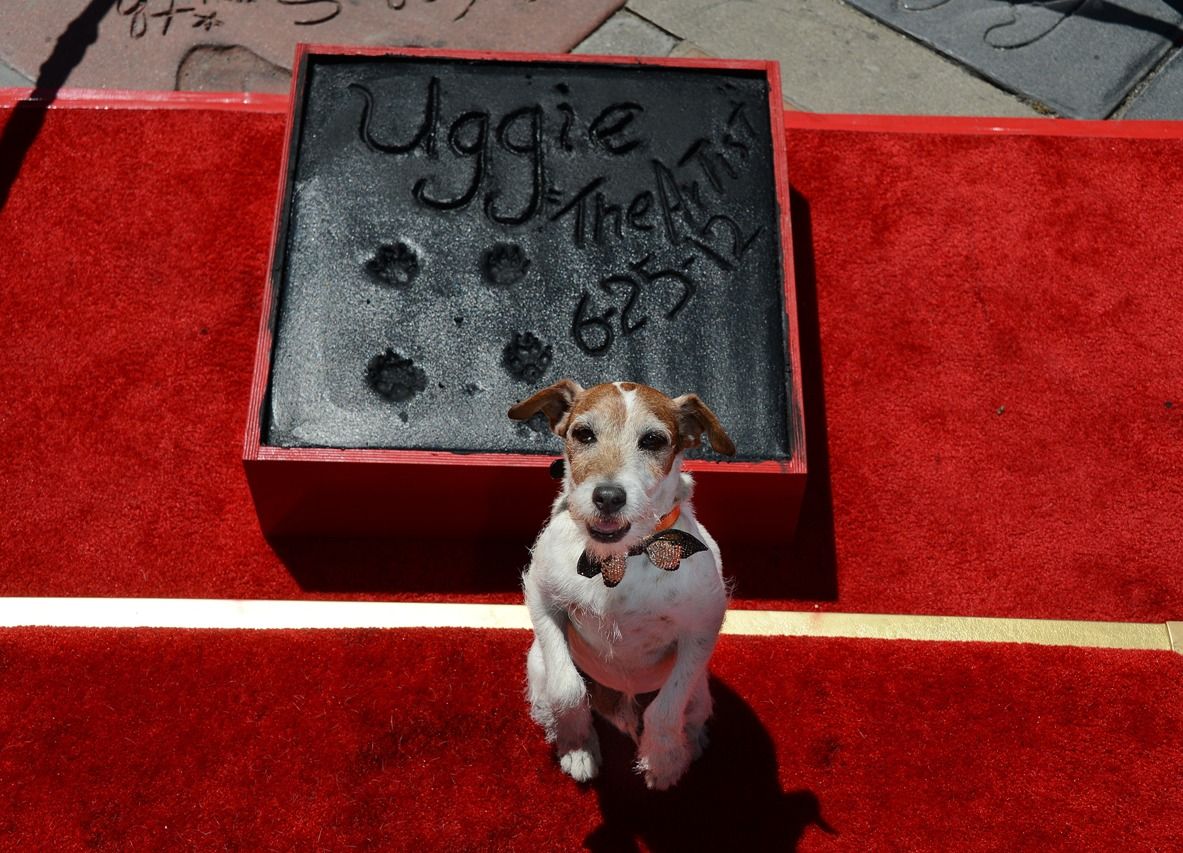
| Chinese Theatre Pawprint Ceremony | TCL Chinese Theatre | 2012 | First canine actor to cement his pawprints in concrete on Hollywood Boulevard. |
| Collar of Fame | National Museum of Dog | 2012 | Inducted alongside legendary historic and fictional canine icons. |
Following these victories, Uggie became a fixture of American pop culture, making high-profile appearances on late-night talk shows, walking international red carpets, and serving as the spokes-dog for Nintendo 3DS games. His celebrity status reignited global conversations regarding the treatment, welfare, and professional respect afforded to animal actors in the motion picture industry.
Retirement, Legacy, and Later Years
Following the whirlwind success of The Artist, Uggie officially retired from acting in 2012, citing a neurological condition known as canine shaking syndrome. Omar von Muller ensured that Uggie spent his remaining years in comfort, enjoying a peaceful domestic life away from the demanding lights and rigorous schedules of commercial film sets.
In October 2015, Uggie was humanely euthanized at the age of 13 after battling a progressive prostate tumor. News of his passing prompted global tributes from fans, directors, and co-stars, including Jean Dujardin, who publicly acknowledged the profound impact the terrier had on the film's success and his own career.
Uggie's legacy extends far beyond a single hit movie. He demonstrated that animal performers are vital creative collaborators rather than mere props. His historic pawprint ceremony at Grauman's Chinese Theatre ensured his physical presence remains permanently embedded in Hollywood history, standing shoulder-to-shoulder with human legends who shaped the cinematic arts.
Frequently Asked Questions
What breed of dog was Uggie?
Uggie was a purebred Jack Russell Terrier. Known for their high intelligence, boundless stamina, and strong work ethic, Jack Russell Terriers are frequently cast in film and television productions, though their high energy demands experienced trainers like Omar von Muller to manage effectively on set.
Did Uggie do his own stunts in The Artist?
Yes, Uggie performed his own physical stunts and routines live on set. From playing dead to navigating complex physical gags and emotional cues, all of his actions were accomplished through positive reinforcement training without the use of digital computer-generated imagery (CGI).
Who was Uggie’s trainer?
Uggie was owned, trained, and handled throughout his entire life and career by professional animal trainer Omar von Muller. Von Muller rescued Uggie from an uncertain fate and spent years developing the specialized communication signals that allowed the terrier to perform safely and reliably on complex film sets.
Why was Uggie’s award campaign significant?
Uggie’s awards season campaign broke traditional industry barriers by proving that animal performances deserve critical evaluation and public celebration. His success at events like the Cannes Film Festival and the creation of the Golden Collar Awards highlighted the cultural value of animal actors in mainstream cinema.
How did Uggie’s career influence Hollywood animal handling?
Uggie’s global fame brought heightened visibility to the American Humane Association's oversight on film sets. His popularity reinforced the importance of humane training standards, positive reinforcement, and ensuring that animal actors receive proper rest, veterinary care, and retirement homes.
Practical Next Actions for Aspiring Animal Trainers
For readers interested in the professional standards of animal training exemplified by Uggie's career, consider researching organizations such as the American Humane Association's Film and TV Unit guidelines. Aspiring trainers should study positive reinforcement methodologies, canine behavior psychology, and professional certification programs offered by reputable institutions like the Association of Professional Dog Trainers (APDT) to understand the rigorous safety and welfare requirements mandated on modern commercial production sets.
Image Gallery