Comprehensive Services Provided by Naperville Mold Remediation Professionals
When Naperville property owners face mold infestations, professional remediation services provide the necessary technical assessment, containment, physical removal, and air quality restoration required to return a building to a safe, i...
When Naperville property owners face mold infestations, professional remediation services provide the necessary technical assessment, containment, physical removal, and air quality restoration required to return a building to a safe, inhabitable state. These specialized services move beyond simple cleaning, employing scientific protocols to mitigate fungal growth, address underlying moisture sources, and prevent recurrence within the unique climate and housing conditions of the DuPage County region.
Contents
Mold remediation is a systematic process designed to return indoor mold levels to a natural, acceptable state by targeting both the organism and the environmental conditions that allow it to thrive. In Naperville, where seasonal temperature swings and high humidity during the summer months often stress building envelopes, professional remediation is frequently sought to manage growth resulting from basement flooding, roof leaks, or condensation buildup behind walls.
The Scope of Professional Remediation Services
Professional remediation is distinct from general cleaning. While a homeowner might use household products to wipe away surface mold, professional services address the structural and systemic nature of an infestation. The core services provided by licensed and certified firms include:
1. Professional Assessment and Moisture Mapping
Before remediation begins, professionals conduct a thorough inspection. This involves using moisture meters, thermal imaging cameras, and hygrometers to identify not just the visible mold, but the hidden "reservoir" of moisture sustaining it. Because Naperville homes vary from historic structures in the downtown area to modern suburban developments, an expert approach identifies how water moves through specific foundation types and wall assemblies.
2. Containment Protocols
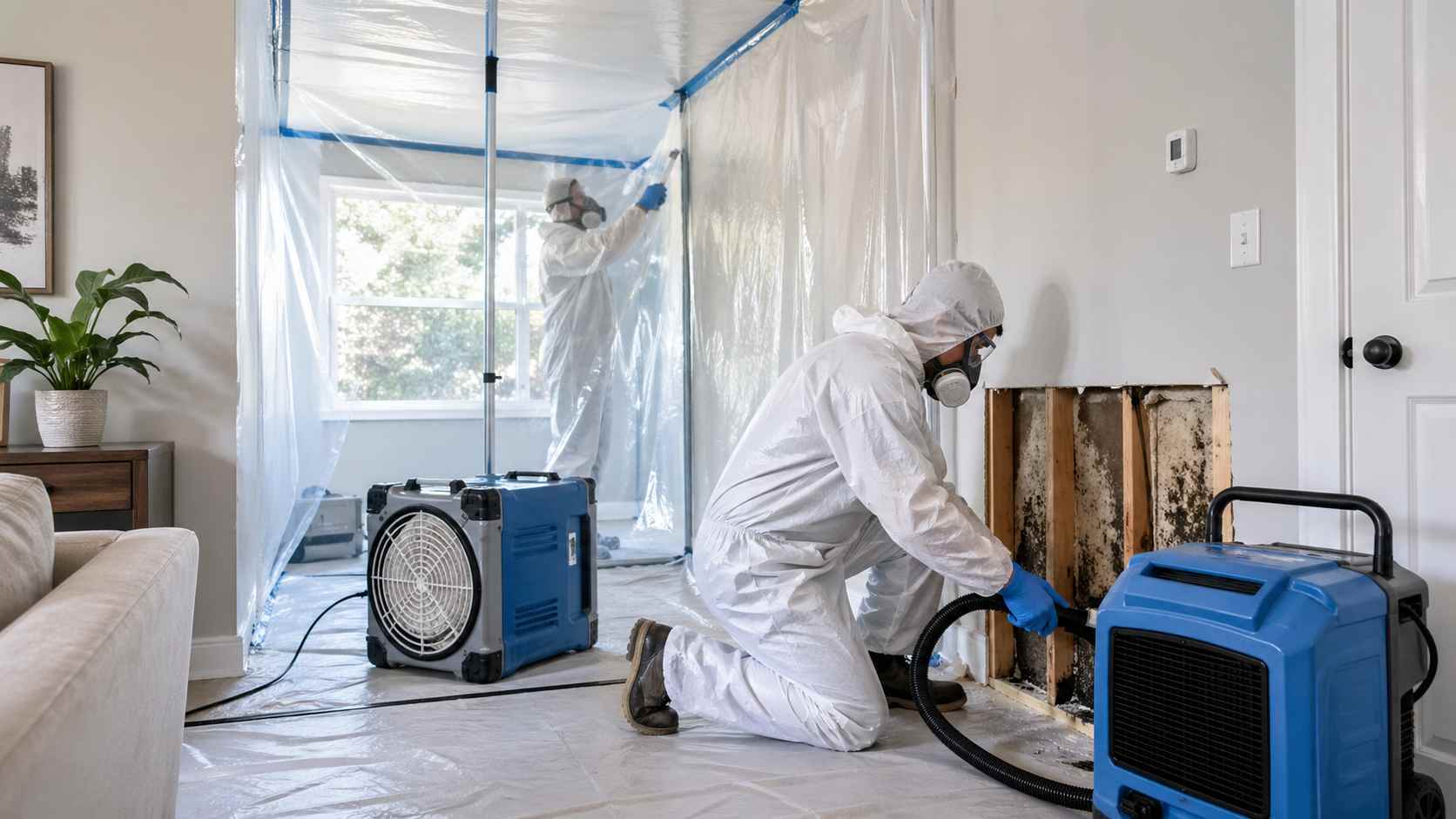
To prevent the cross-contamination of unaffected areas of a building, professionals establish containment zones. This typically involves the use of 6-mil polyethylene plastic sheeting to seal off the work area. Negative air pressure machines—equipped with HEPA (High-Efficiency Particulate Air) filtration—are installed to ensure that spores liberated during the cleaning process are captured before they can spread to the ventilation system or adjacent rooms.
3. Source Removal and Demolition
If porous materials like drywall, insulation, or ceiling tiles have been compromised by microbial growth, they must be removed. Professionals follow specific disposal protocols to ensure that contaminated debris is contained while being transported through the home and out to disposal sites. This process requires protective personal equipment (PPE) for the workers to prevent occupational exposure to elevated spore concentrations.
4. Antimicrobial Application and Encapsulation
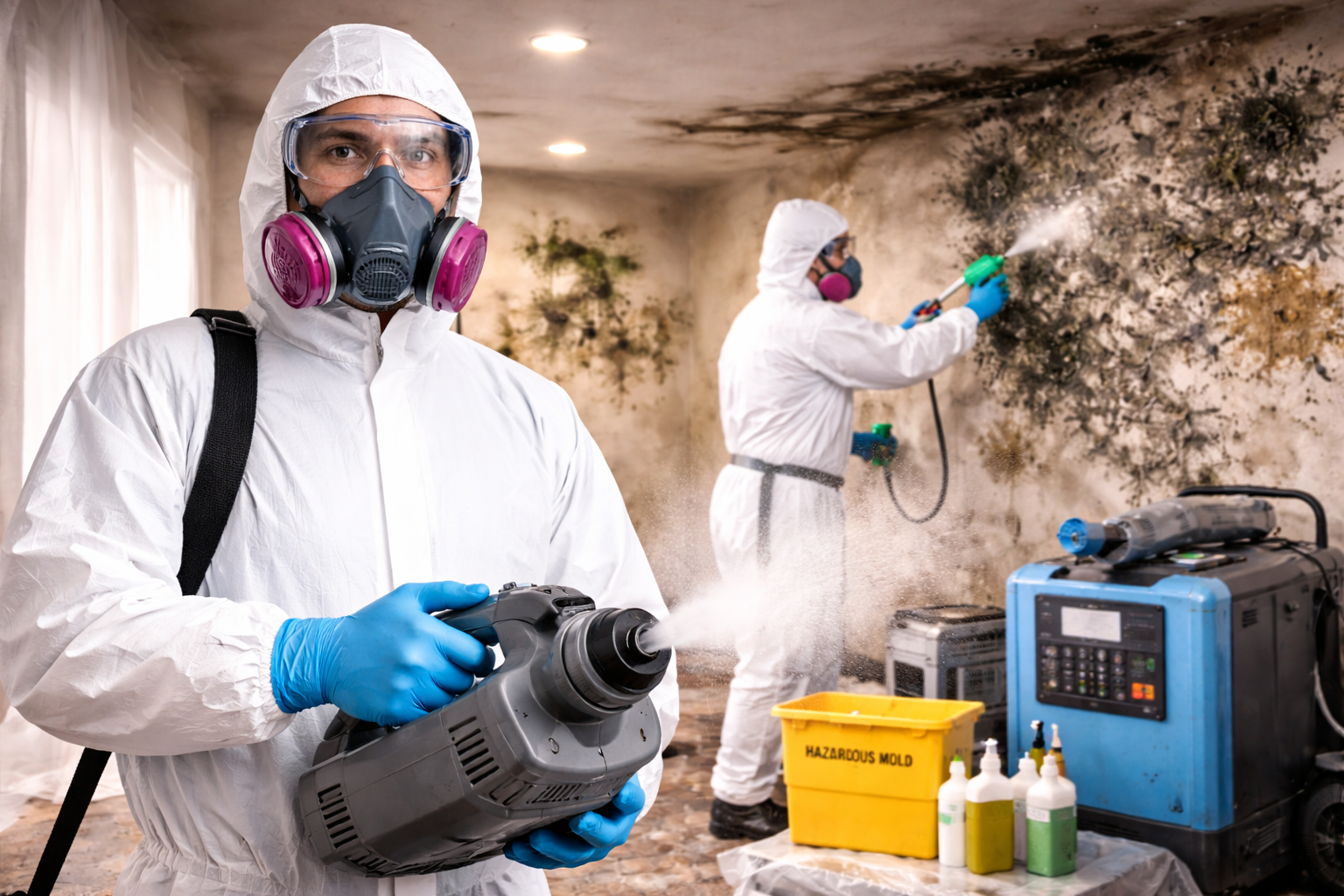
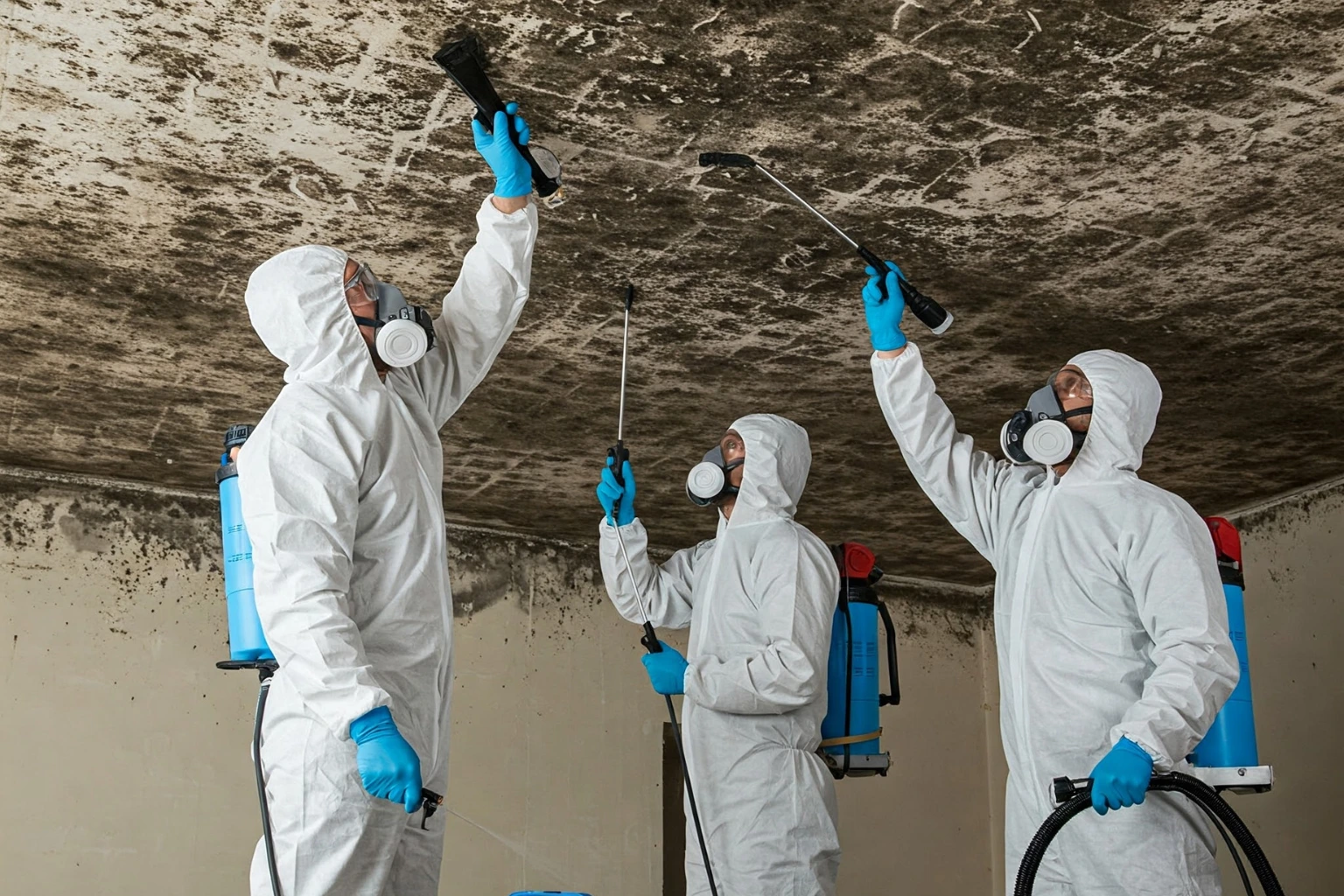
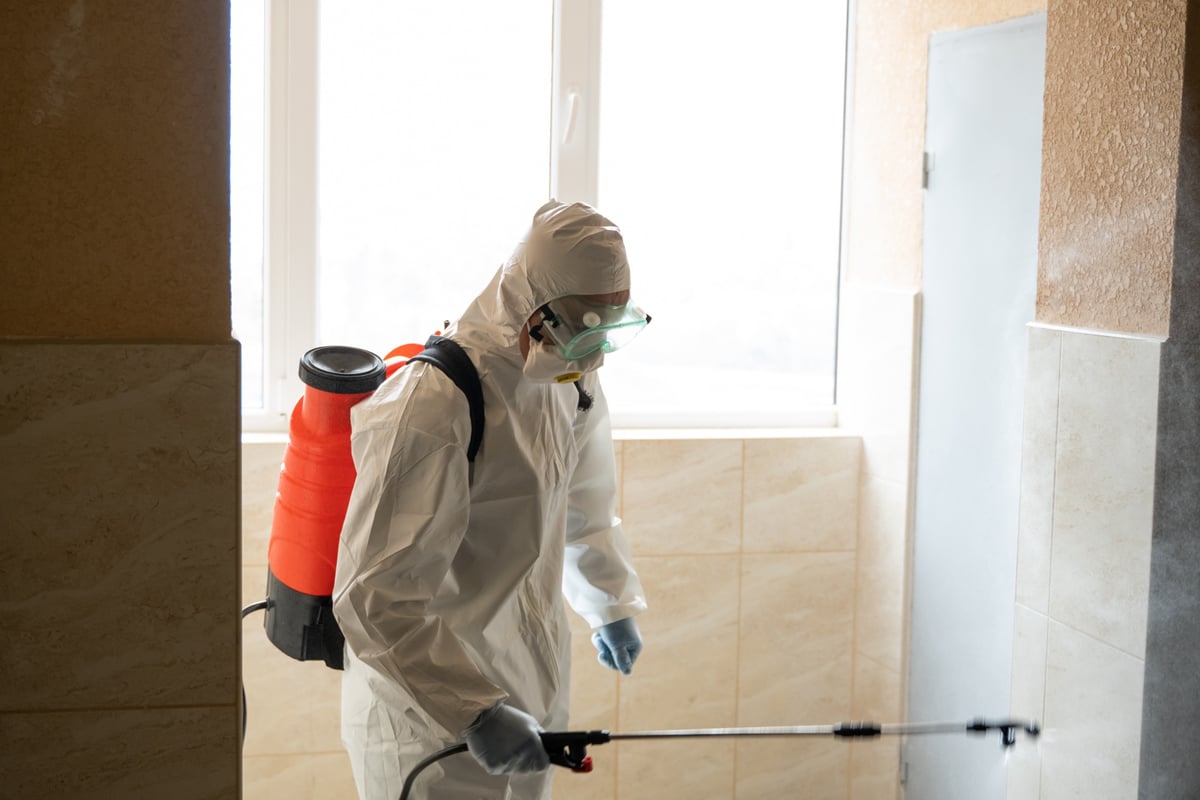
Once the physical debris is removed, the remaining structural elements (such as studs or floor joists) are HEPA-vacuumed and treated with antimicrobial agents. In some scenarios, professionals apply specialized encapsulants—sealants designed to lock down any remaining particulate matter and prevent future moisture absorption, serving as a secondary defense layer for the wood or concrete surfaces.
Comparison of Remediation Procedures
| Service Component | DIY Approach | Professional Remediation |
|---|---|---|
| Inspection | Visual check only | Moisture mapping & thermal imaging |
| Containment | None | Negative air pressure & plastic barriers |
| Air Filtration | Household vacuum | Industrial HEPA-filtered air scrubbers |
| Material Disposal | Standard trash | Hazardous waste handling protocols |
| Verification | Guesswork | Post-remediation air quality testing |
Addressing Humidity and Moisture Control
In the Naperville area, professional remediation is incomplete without a plan for long-term moisture management. Professionals often provide consultative advice on:
- HVAC Calibration: Ensuring that air conditioning systems are effectively removing humidity during the summer.
- Basement Sump Systems: Evaluating the performance of sump pumps and drainage tiles to prevent recurring groundwater intrusion.
- Dehumidification Strategies: Installing industrial-grade dehumidifiers in crawlspaces or basements to maintain relative humidity levels below 50–60%, which is the recognized threshold for inhibiting mold germination.
The Importance of Third-Party Verification
A hallmark of reputable mold remediation in Illinois is the separation of the inspection company from the remediation company. Ideally, a property owner should engage an independent environmental hygienist to conduct pre-remediation testing and post-remediation clearance testing. The clearance test, or "mold test," verifies that the spore counts inside the remediated area are comparable to the outdoor ambient air. Professionals perform their work to pass these rigorous standards, ensuring the job is successful based on objective data rather than a subjective visual inspection.
Safety Considerations and Regulatory Context
Remediation professionals operate under guidelines informed by standards such as those established by the IICRC (Institute of Inspection Cleaning and Restoration Certification) S520 Standard for Professional Mold Remediation. While Illinois does not have a single, universal state-mandated license for mold contractors, reputable companies in Naperville often maintain certifications from organizations like the ACAC (American Council for Accredited Certification) or the IICRC.
These standards dictate the use of PPE, including N95 or P100 respirators, to protect workers from mycotoxins and other airborne particulates. When hiring professionals, residents should request documentation of specialized liability insurance that specifically covers mold remediation, as general liability policies often exclude this coverage.
Common Misconceptions Regarding Remediation
One of the most frequent misconceptions is that "killing" mold is sufficient. Professionals understand that dead mold spores can still be allergenic or toxic. Therefore, removal—not just neutralization—is the core objective. Another misconception involves the use of ozone generators or fogging as a primary solution. Expert remediators use these tools only as adjuncts in specific circumstances, recognizing that they do not replace the physical removal of the source of the growth.
Selecting a Professional in Naperville
When evaluating potential contractors, homeowners should focus on:
- References and Portfolio: Request experience specific to residential structures similar to your own.
- Clear Methodology: A written scope of work should detail the containment, removal, and cleanup steps before work commences.
- Insurance Coverage: Verify that the contractor carries environmental or pollution liability coverage.
- Third-Party Testing: Ensure the contractor supports or mandates post-remediation verification by a neutral third-party expert.
Frequently Asked Questions
Is it necessary to move out during mold remediation? Usually, residents can remain in their homes if the remediation is limited to a single, easily contained area, such as a bathroom or a portion of a basement. However, if the contamination is widespread or the ventilation system is involved, professionals may recommend temporary relocation to ensure the safety of occupants, particularly those with respiratory sensitivities or immunocompromised conditions.
Does my homeowner’s insurance cover mold remediation? Coverage depends entirely on the source of the moisture. If the mold resulted from a "sudden and accidental" event, such as a burst pipe, it is often covered. However, mold resulting from long-term maintenance neglect or gradual seepage is typically excluded. Always consult your specific policy and contact your provider immediately upon discovering the issue.
How do I know if the mold has been fully removed? The only objective way to verify completion is through a clearance test conducted by an independent certified industrial hygienist. They will collect air samples and surface swabs after the remediators have finished their cleaning but before any wall cavities are closed or containment barriers are removed.
What is the difference between mold removal and remediation? "Removal" is a lay term, whereas "remediation" implies a technical, scientific process that follows established safety protocols to clean the environment and address the underlying water intrusion. Remediation is the industry-standard approach required for significant structural infestations.
How long does the professional remediation process take? For a standard residential project, the process generally spans three to seven days. This timeframe accounts for the initial assessment, the setup of containment, the removal of contaminated materials, professional cleaning of all surfaces, and the final verification testing. Extensive structural drying or large-scale repairs may extend this duration.
Can I use a general contractor for mold issues? While some general contractors are skilled in remediation, you should ensure they have specific training and certifications in mold protocols. General renovation skills are not a substitute for the specialized knowledge required to safely manage mold spores and moisture dynamics.
Final Recommendation
If you suspect a mold issue in your home, begin by identifying and stopping the moisture source immediately. Once the water flow is halted, contact a certified environmental hygienist to conduct an independent assessment before hiring a remediation company. This sequence ensures you receive an unbiased scope of work, preventing unnecessary expenses and ensuring the remediation provided by the professionals is both effective and verifiable.
Image Gallery