Balancing Cost and Style in Bathroom Renovations
To balance cost and style in a bathroom renovation, homeowners should prioritize "high-impact" visual elements—such as designer hardware, vanity mirrors, and lighting—while maintaining the existing plumbing footprint. By choosing high-...
To balance cost and style in a bathroom renovation, homeowners should prioritize "high-impact" visual elements—such as designer hardware, vanity mirrors, and lighting—while maintaining the existing plumbing footprint. By choosing high-quality materials for high-touch surfaces and utilizing cost-effective, durable alternatives like luxury vinyl plank or porcelain for larger areas, you can achieve a premium aesthetic without the custom-build price tag.
Contents
The Economics of Bathroom Design in 2026
As we navigate the home improvement landscape of 2026, the definition of value in bathroom renovations has shifted. While material supply chains have stabilized compared to the early 2020s, skilled labor remains the most significant expenditure in any remodeling budget. Consequently, the most successful renovations are those that maximize visual "wow factor" while minimizing the need for intensive structural or mechanical alterations.
Balancing cost and style requires a strategic understanding of where every dollar is spent. A mid-range bathroom renovation in 2026 typically costs between $18,000 and $30,000, depending on geographic location and the quality of finishes. To stay on the lower end of that spectrum without sacrificing the "spa-like" feel that modern buyers demand, the focus must shift from expensive custom cabinetry to clever styling and off-the-shelf products that mimic high-end counterparts.
The primary goal is to create a cohesive design language. A bathroom where every element is "luxury" often looks cluttered and lacks a focal point. Conversely, a space with one or two statement pieces—such as a freestanding tub or a unique backsplash—supported by modest, clean surroundings, often feels more expensive and intentionally designed.
Layout Preservation: The Invisible Budget Saver
The single most effective way to control costs in a bathroom renovation is to leave the plumbing and electrical "stacks" where they are. Moving a toilet even six inches can require cutting into concrete slabs or repositioning floor joists, adding $2,000 to $5,000 to the budget for labor alone.
Working Within Existing Footprints
When you preserve the layout, you allocate your budget toward the "style" side of the equation rather than the "infrastructure" side. If the current layout is functional, your investment should go into upgrading the surfaces. If the layout is truly poor, consider "near-miss" adjustments—such as replacing a standard alcove tub with a walk-in shower. Since the drain and supply lines are already in the correct general area, the plumbing costs are significantly lower than moving the shower to the opposite wall.
The Power of the "Wet Wall"
Most bathrooms are designed with a "wet wall" where the sink, toilet, and shower all share a primary plumbing line. If you are adding a bathroom or doing a total gut-renovation, keeping all fixtures on one wall is the hallmark of cost-effective design. This reduces the amount of copper or PEX piping needed and simplifies the work for the plumber, which directly translates to lower quotes for labor.
Strategic Material Selection: High-End Looks for Less
In 2026, material technology allows for incredible mimicry. You no longer need to purchase authentic Carrara marble to get the look of a high-end Italian villa. In fact, for many homeowners, the synthetic or engineered alternatives are superior because they require less maintenance.
Countertops: Quartz vs. Natural Stone
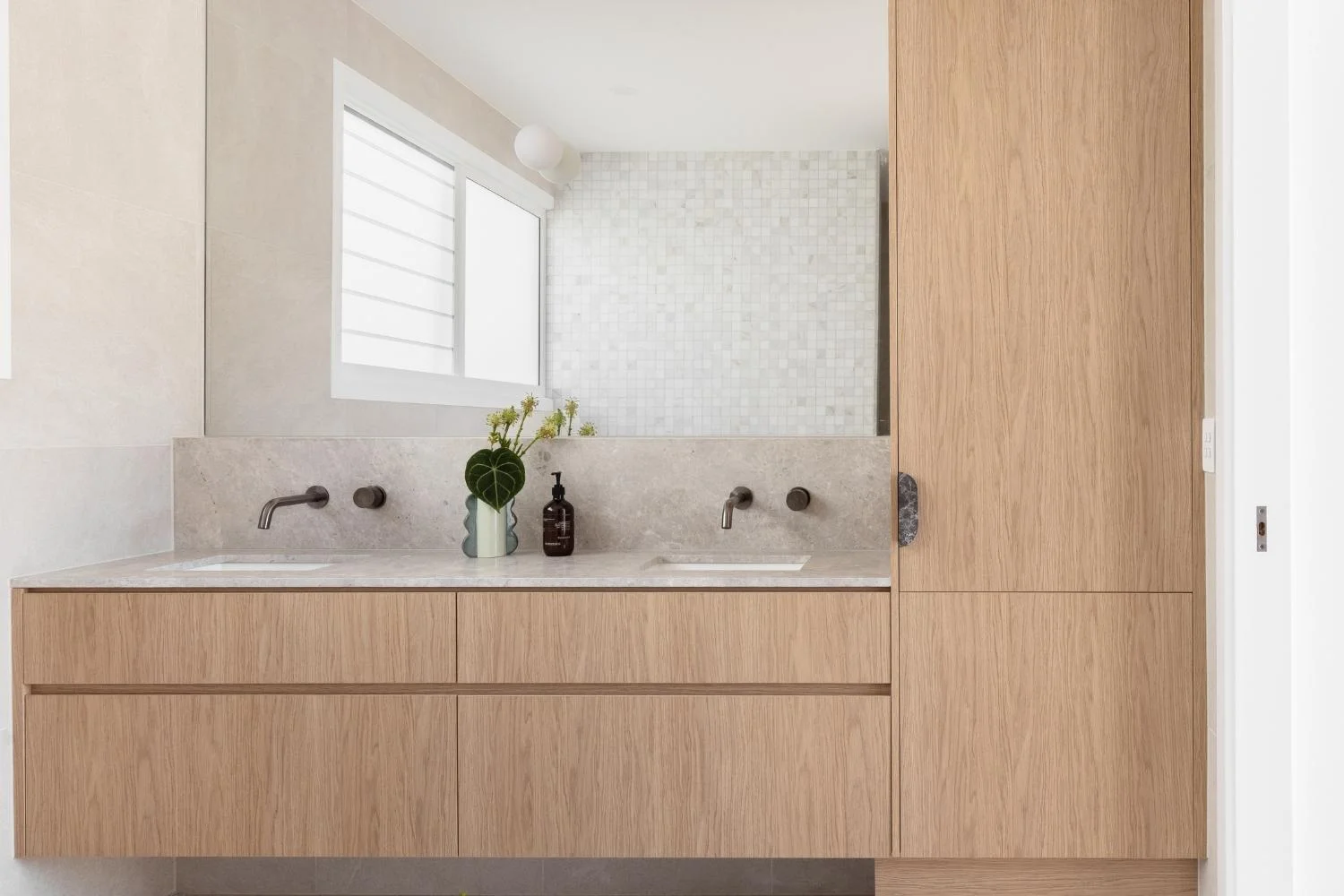
While marble is timeless, it is porous and prone to staining. Engineered quartz is the preferred choice for 2026 renovations because it offers the same veining patterns with near-zero porosity. To save money, check with local stone yards for "remnants." Since bathroom vanities are usually small (24 to 72 inches), you can often purchase a high-end slab remnant for a fraction of the cost of a full slab.
Tile: The 80/20 Rule
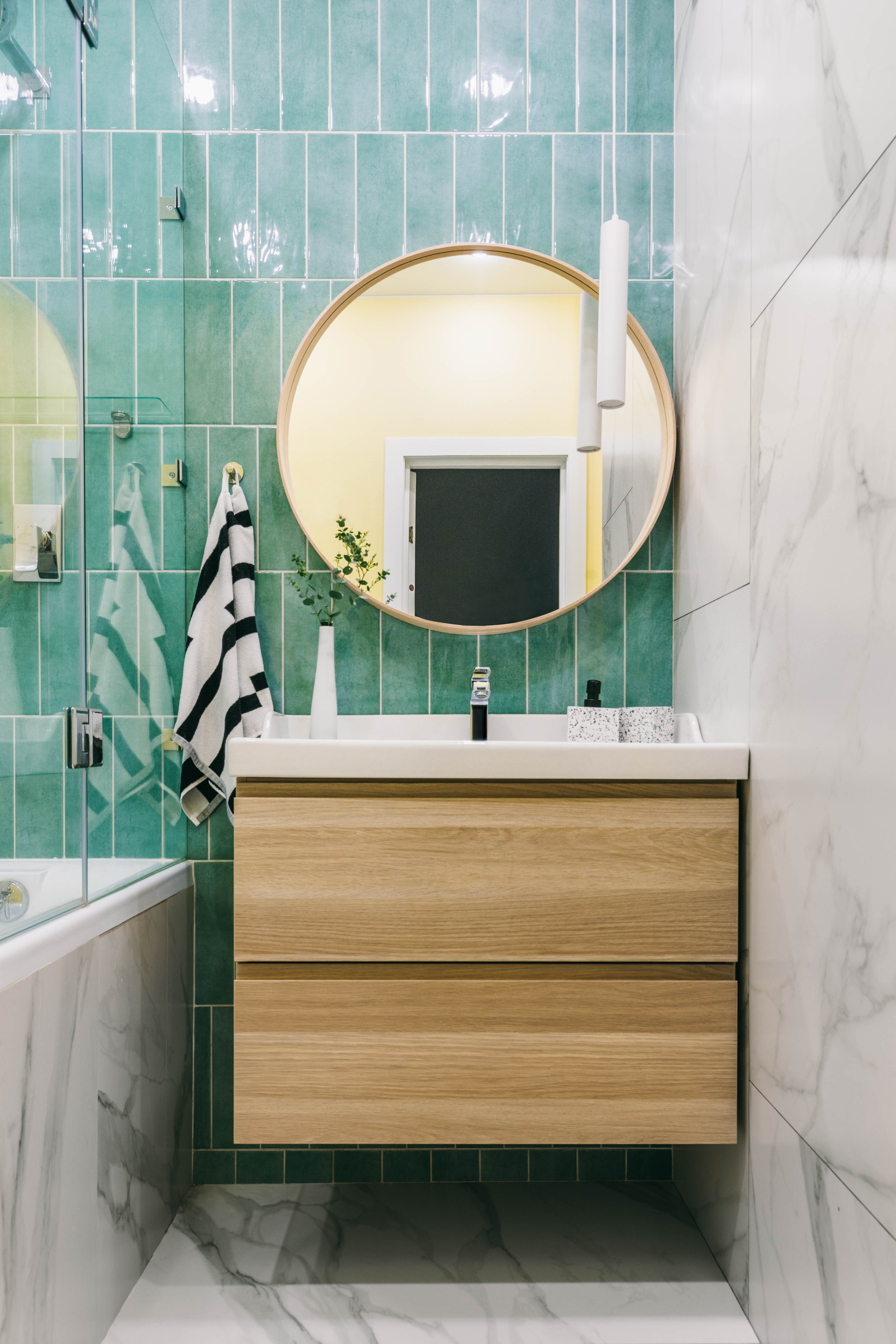
Apply the 80/20 rule to your tiling: 80% of your tile should be budget-friendly, and 20% should be your "splurge" tile. For example, use a classic, inexpensive white subway tile for the majority of the shower walls. Then, create a vertical "waterfall" feature or a recessed niche using a more expensive handmade Zellige or glass mosaic tile. This draws the eye to the luxury material while the inexpensive tile provides a clean, modern backdrop.
Flooring Alternatives
Luxury Vinyl Plank (LVP) and high-definition porcelain tile have become the standard for cost-conscious, stylish bathrooms. LVP is 100% waterproof and can be installed directly over many existing floors, saving on demolition costs. Porcelain tile can now perfectly replicate the look of hardwood or natural slate, providing a durable surface that withstands the humidity of a bathroom better than real wood.
Hardware and Lighting: The Jewelry of the Bathroom
If the walls and floors are the "outfit," the hardware and lighting are the "jewelry." These are the elements that users interact with most frequently, and they have a disproportionate impact on the perceived value of the room.
Upgrading the Vanity
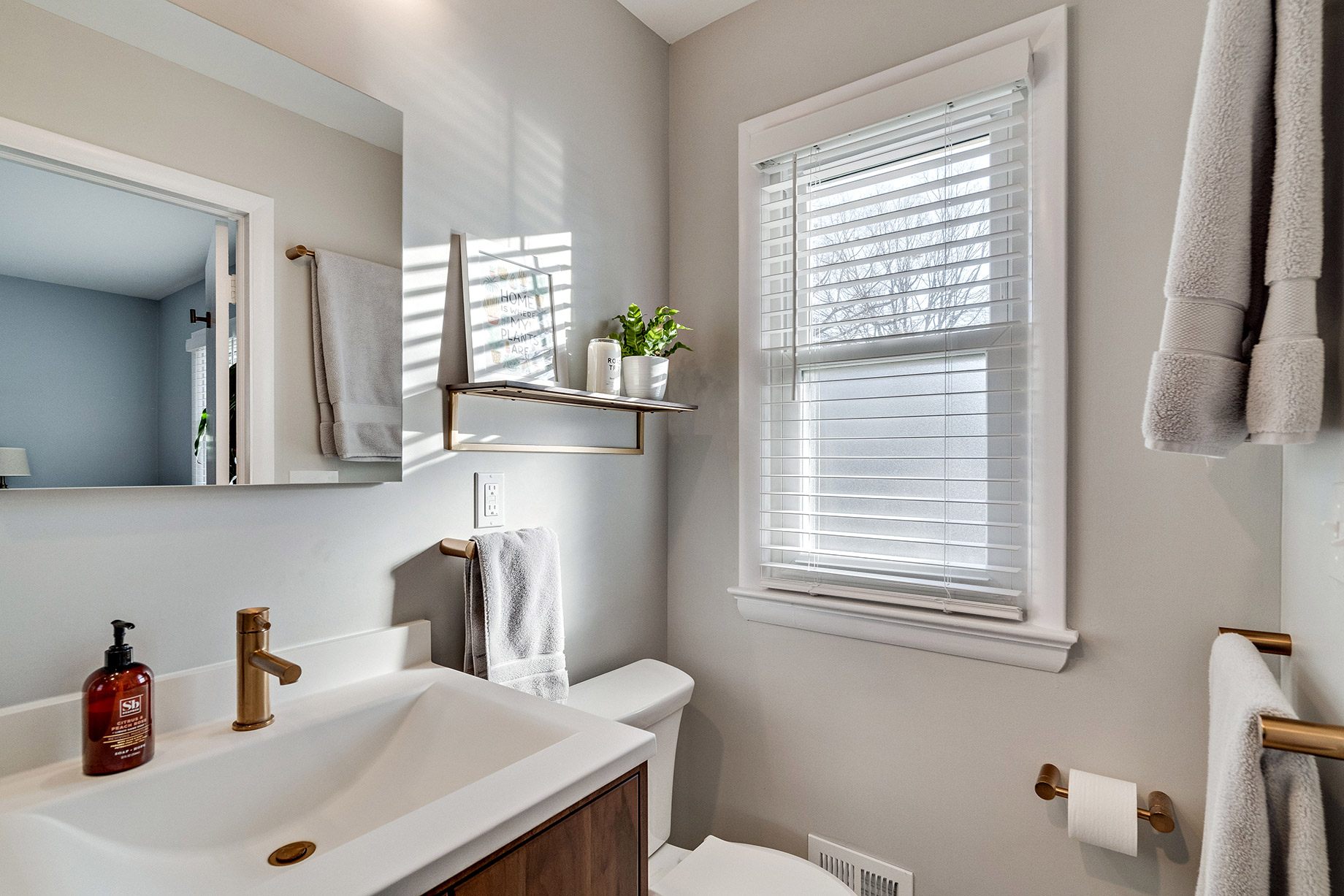
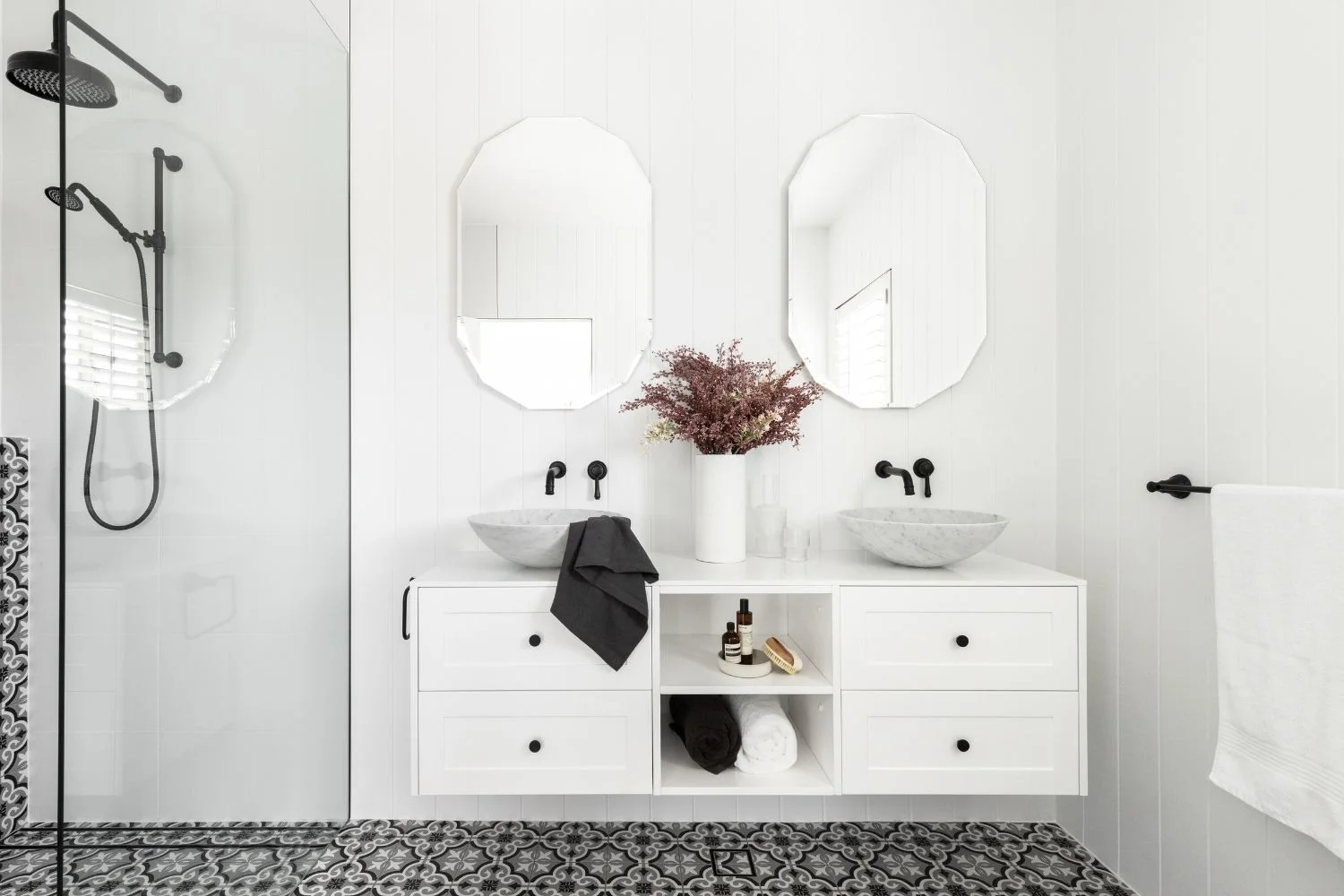
A standard, prefabricated vanity can be transformed into a custom-looking piece simply by replacing the stock plastic or brushed nickel knobs with high-quality brass or matte black hardware. In 2026, "mixed metals" are a major trend, allowing you to pair a chrome faucet with brass cabinet pulls for a sophisticated, curated look.
Layered Lighting Design
Standard "builder-grade" bar lights over a mirror are often harsh and unflattering. To elevate the style, implement layered lighting:
- Task Lighting: Sconces mounted at eye level on either side of the mirror eliminate shadows on the face.
- Ambient Lighting: A dimmable overhead fixture or recessed "can" lights provide general illumination.
- Accent Lighting: LED strip lighting hidden under a floating vanity or inside a shower niche adds a futuristic, high-end hotel vibe for minimal cost.
According to the National Kitchen & Bath Association (NKBA), proper lighting is one of the top three factors that influence a homeowner's satisfaction with a renovation.
Sustainable Luxury: Saving Money Long-Term
Style and cost-effectiveness also intersect in the realm of sustainability. In 2026, eco-friendly fixtures are no longer a niche luxury; they are a standard requirement for many building codes and a selling point for future buyers.
High-Efficiency Fixtures
Installing EPA WaterSense certified faucets and toilets can reduce water usage by up to 20-30%. While these fixtures might have a slightly higher upfront cost, the reduction in monthly utility bills provides a clear return on investment. Modern low-flow toilets have solved the "clogging" issues of previous decades, utilizing advanced vacuum-assist or pressure-assist technologies to ensure performance.
Ventilation and Longevity
Cost-effectiveness isn't just about the initial build; it's about how long the renovation lasts. High-quality ventilation (measured in CFMs, or Cubic Feet per Minute) is essential to prevent mold and mildew. A stylish bathroom that develops mold in two years is a financial failure. Invest in a quiet, high-efficiency exhaust fan with a humidity sensor that automatically turns on when it detects moisture.
Comparison of Cost vs. Style Priorities
The following table outlines where to invest your budget for maximum stylistic impact versus where you can safely economize.
| Component | The "Save" Option | The "Splurge" Option | Impact Level |
|---|---|---|---|
| Vanity | Prefabricated unit with upgraded hardware | Custom-built cabinetry | Medium |
| Countertop | Quartz remnants or laminate | Full-slab natural marble | High |
| Shower | Acrylic/Fiberglass insert | Custom tile with glass enclosure | High |
| Faucets | Chrome or brushed nickel finishes | Designer finishes (Gold, Matte Black) | High |
| Flooring | Luxury Vinyl Plank (LVP) | Natural Stone or Radiant Heated Tile | Medium |
| Lighting | Single overhead fixture | Layered lighting (Sconces + Recessed) | High |
| Toilet | Standard gravity-fed model | Wall-hung or Smart Toilet | Low |
Managing Labor and the "Owner-Builder" Approach
In 2026, labor accounts for roughly 40% to 60% of a bathroom renovation budget. To balance cost and style, you must manage labor efficiently.
What to DIY and What to Delegate
If you are handy, you can save thousands by handling the demolition, painting, and hardware installation yourself. However, unless you are a licensed professional, you should never DIY the plumbing or electrical work. Mistakes in these areas can lead to catastrophic water damage or fire hazards, which will far exceed the cost of hiring a pro.
The Importance of a Detailed Contract
Cost overruns often happen due to "scope creep" or misunderstandings. Ensure your contractor provides a detailed "line-item" quote. For example, instead of a quote for "tiling," the contract should specify "installation of 12x24 porcelain tile in a 1/3 offset pattern with epoxy grout." This prevents the contractor from charging extra for "complex patterns" halfway through the job.
Frequently Asked Questions
Do I need a permit for a bathroom renovation in 2026?
Yes, most jurisdictions require a permit for any work that involves moving or adding plumbing lines, electrical circuits, or structural walls. Cosmetic changes, such as replacing a vanity in the same location or painting, typically do not require permits. Always check with your local building department to ensure compliance and avoid fines when you sell your home.
How long does a typical bathroom renovation take?
A standard "rip and replace" renovation (where the layout stays the same) usually takes 2 to 4 weeks. A full gut-renovation involving layout changes can take 6 to 10 weeks. Delays are most commonly caused by backordered materials (like custom glass shower doors) or the coordination of different tradespeople.
What is the best way to choose a timeless style?
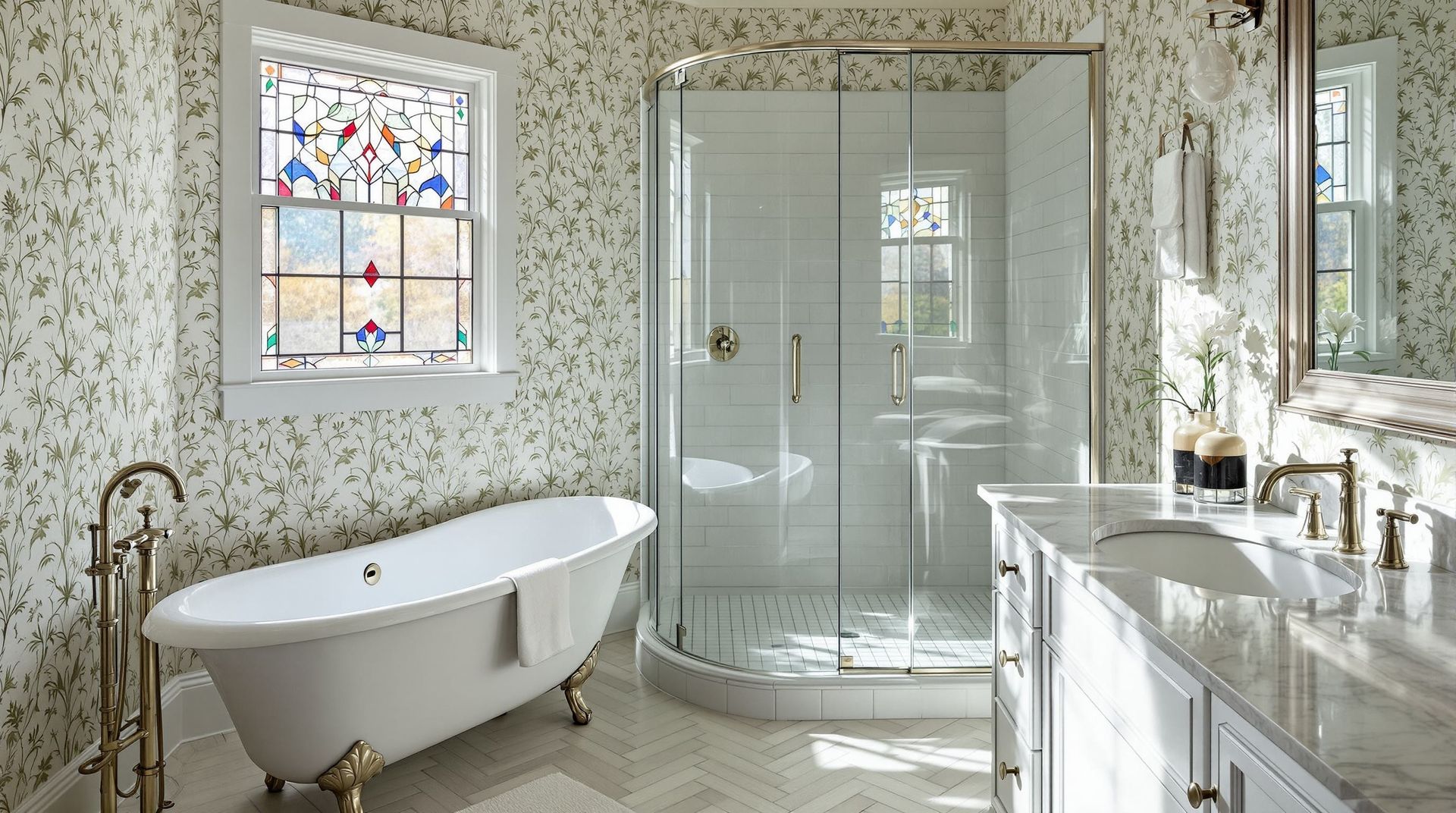
To ensure your bathroom doesn't look dated by 2030, stick to a neutral "base." Use white, grey, or beige for permanent fixtures like the tub and toilet. Save "trendy" colors or patterns for items that are easy to change, such as wallpaper, towels, and mirrors. The "Transitional" style—a mix of traditional and contemporary—remains the most popular and resale-friendly choice in 2026.
Is a bathtub necessary for resale value?
In 2026, the trend of "master suite wet rooms" has made large walk-in showers more desirable than tubs in primary bathrooms. However, most real estate experts still recommend having at least one bathtub in the house (usually in a secondary bathroom) to appeal to families with young children.
How can I save money on a glass shower enclosure?
Custom glass is expensive because a technician must measure and cut it to fit your specific space. You can save 50% or more by designing your shower opening to fit "standard" glass door sizes (usually 24, 28, or 30 inches) available at major home improvement retailers.
Practical Next Steps for Your Renovation
Before you swing a sledgehammer or buy a single tile, create a comprehensive "Mood Board" and a spreadsheet. A mood board allows you to see how different textures and colors interact, ensuring that your "cost-saving" items don't clash with your "splurge" items.
Once your design is set, order your "long-lead" items—specifically the vanity and plumbing fixtures—at least six weeks before construction begins. In the current 2026 market, having all materials on-site before the contractor arrives is the best way to prevent labor delays and keep your renovation on schedule and within budget.
Image Gallery