The Significance of Rosie in the 1994 Film Fresh: Narrative Impact and Character Study
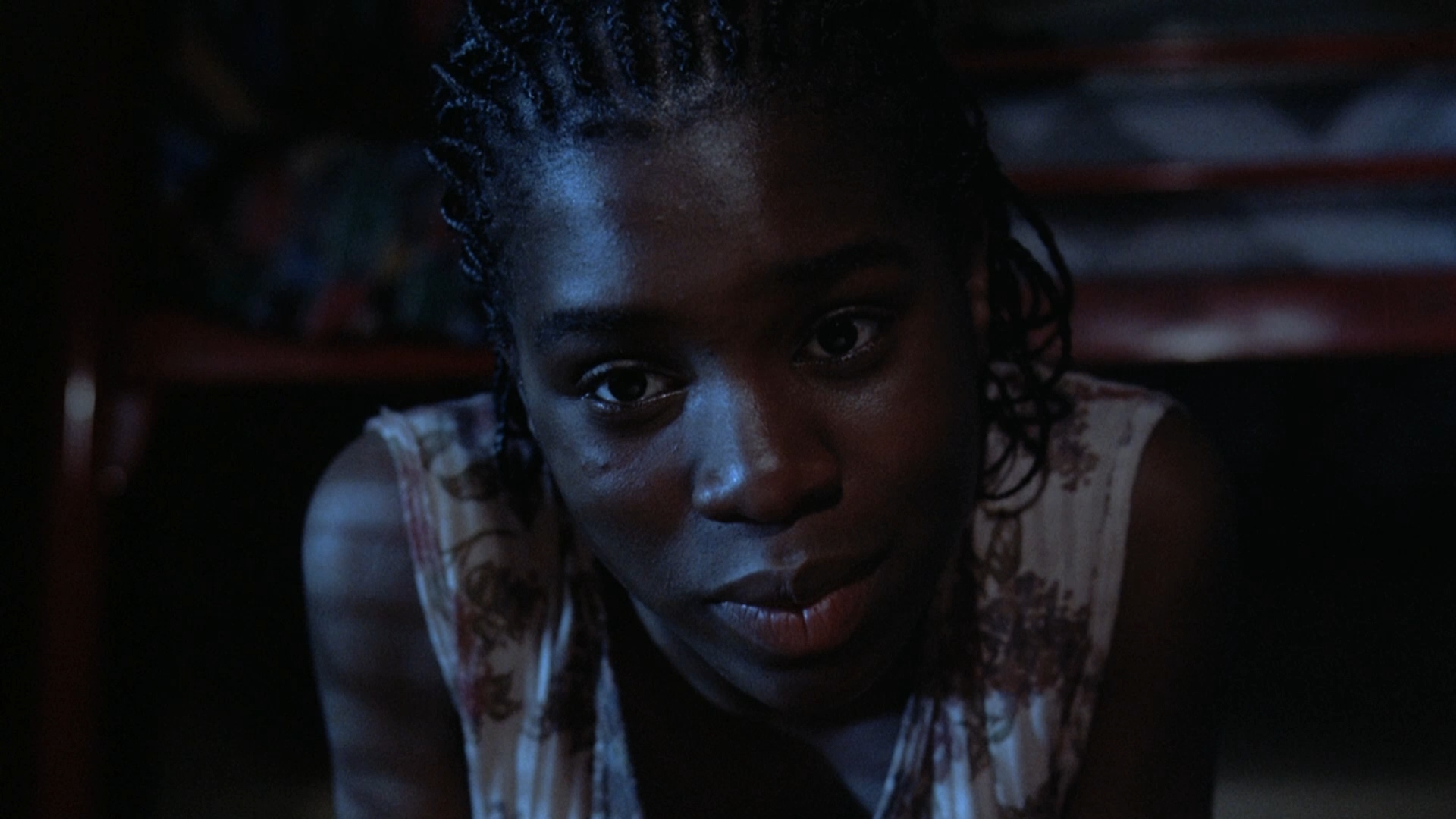
Rosie, portrayed by N'Bushe Wright, is the older sister of the protagonist in the 1994 neo-noir urban drama Fresh. She serves as the primary emotional motivation for the main character, a young drug runner named Fresh, who orchestrates...
Rosie, portrayed by N'Bushe Wright, is the older sister of the protagonist in the 1994 neo-noir urban drama Fresh. She serves as the primary emotional motivation for the main character, a young drug runner named Fresh, who orchestrates a complex and dangerous "chess match" against local drug lords to rescue her from a life of addiction and exploitation.
Contents
The Narrative Role of Rosie in the Architecture of Fresh
In Boaz Yakin’s directorial debut, Fresh, the story follows a 12-year-old boy (Sean Nelson) who works for various drug dealers in Brooklyn. While the film is often categorized alongside the "hood films" of the early 1990s, it functions more accurately as a cold, calculated thriller. Rosie is the heart of this thriller. She is not merely a background character or a plot device; she is the stakes of the game.
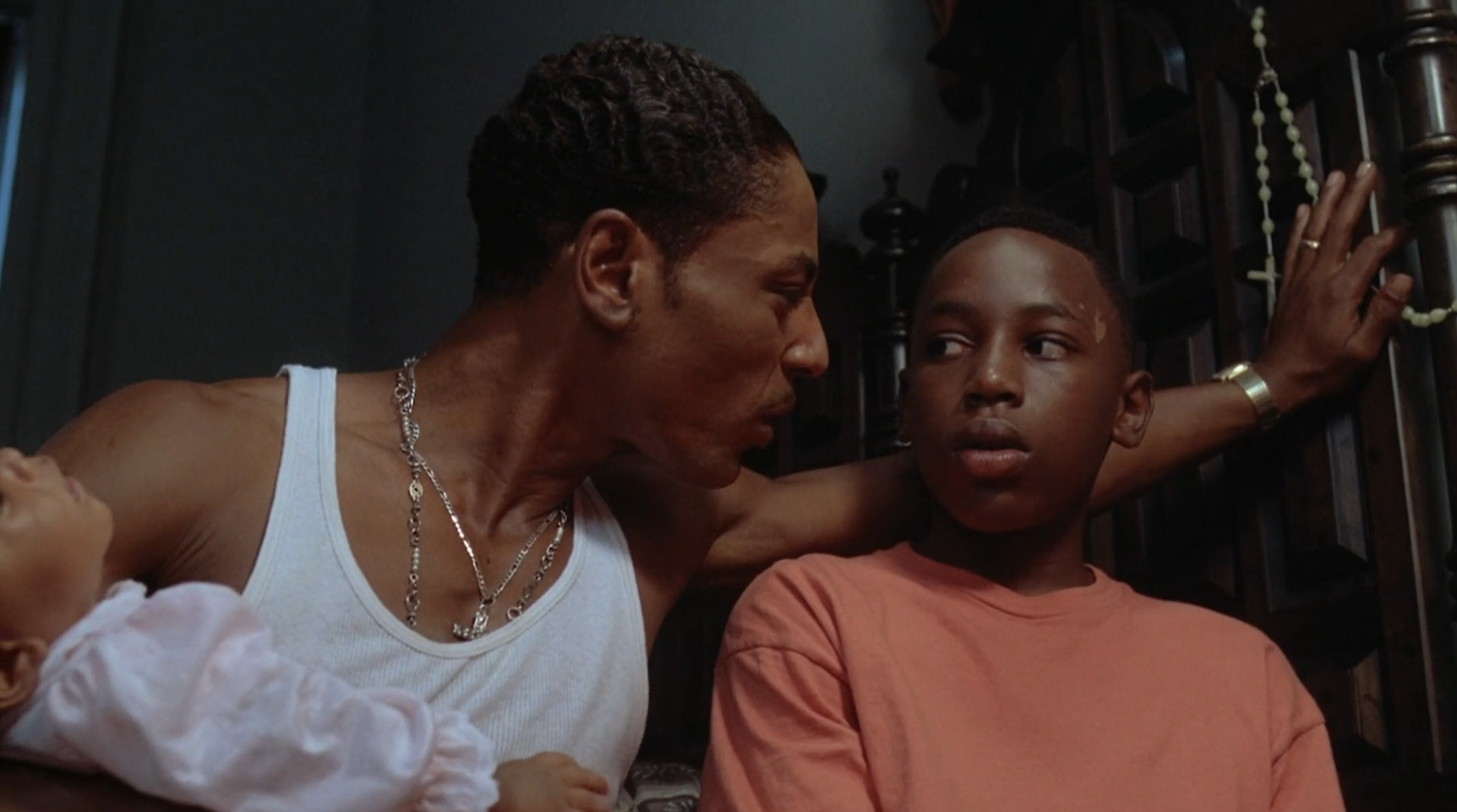
Rosie’s character represents the devastating human cost of the narcotics trade that Fresh navigates with such eerie professionalism. Unlike her brother, who has developed a psychological armor of silence and observation, Rosie is vulnerable and exposed. Her addiction to heroin and her reliance on the very men who distribute the poison—most notably the volatile dealer Corky (Giancarlo Esposito)—create a cycle of abuse that Fresh recognizes he cannot break through traditional means.
The narrative utilizes Rosie to illustrate the breakdown of the family unit in an environment dominated by systemic poverty and crime. With their father (Samuel L. Jackson) living in a trailer and relegated to speed-chess games in Washington Square Park, Rosie is the only immediate family Fresh has left. Her descent into drug-induced stupors and her sexual exploitation by the dealers she associates with provide the "inciting incident" for Fresh’s grand strategy. He realizes that unless he removes her from the environment entirely, her fate is already sealed.
N'Bushe Wright’s Performance and Character Depth
N'Bushe Wright delivered a performance that was widely praised for its raw, unvarnished realism. In 1994, Wright was a rising star in independent cinema, having previously gained attention in Zebrahead (1992). Her portrayal of Rosie required a delicate balance: she had to embody the physical and mental degradation of a heroin user while maintaining the inherent dignity of an older sister who, in her lucid moments, truly loves her brother.
Wright’s performance is marked by its physicality. The way she carries herself—shoulders slumped, eyes often vacant or glazed—contrasts sharply with the rigid, upright, and observant posture of Sean Nelson’s Fresh. This physical contrast highlights the difference between those who have succumbed to the streets and those who are actively fighting to outmaneuver them.
As of 2026, critics and film historians often point to Rosie as one of the most poignant depictions of addiction in 90s cinema. Wright avoided the histrionics often associated with "drug movies," instead opting for a quiet, tragic resignation. This makes the scenes where Fresh tries to reach her even more heartbreaking. When he finds her in a crack house or sees her being used by Corky, the audience feels the weight of his burden. It is through Wright’s performance that we understand why a 12-year-old would be willing to risk his life to deceive multiple murderous organizations.
The Chess Metaphor: Rosie as the Ultimate Objective
The central metaphor of Fresh is the game of chess. Fresh meets his estranged father, Sam, for regular games in the park. Sam is a grandmaster-level player who teaches his son that the game is about sacrifice, positioning, and thinking several moves ahead. "You're playing with your own pieces, and you're playing with his," Sam tells him.
In the metaphorical "board" that Fresh constructs out of the Brooklyn streets, Rosie occupies a unique position. While some analysts might label her the "Queen" because she is the most valuable piece Fresh seeks to protect, she is perhaps more accurately the "Endgame." Every move Fresh makes—pitting the ruthless Esteban (Giancarlo Esposito in a dual-layered performance context, though he plays Corky, the conflict involves Esteban, played by Giancarlo Esposito) against the local gangs—is designed to create a path of egress for him and Rosie.
Fresh’s strategy involves:
- Isolation: He separates Rosie from the influence of Corky.
- Sacrifice: He is willing to sacrifice his "friends" and his standing in the drug trade to clear the board.
- Positioning: He ensures that when the dust settles, the authorities are looking at the kingpins, while he and Rosie are far from the carnage.
The brilliance of the film lies in how Fresh treats his sister’s rescue as a technical problem to be solved with cold logic, even though his motivation is purely emotional. This internal conflict is what elevates Fresh above its contemporaries.
Comparison of Character Dynamics in Fresh
To understand Rosie’s specific place in the film, it is helpful to look at how she relates to the other major figures in Fresh’s life.
| Character | Relationship to Rosie | Role in the Narrative | Impact on Rosie's Fate |
|---|---|---|---|
| Fresh | Younger Brother | The Protector/Strategist | Orchestrates her escape and sobriety. |
| Sam | Father | The Mentor (Absent) | Provides the intellectual tools Fresh uses to save her. |
| Corky | Antagonist/Dealer | The Exploiter | Maintains her addiction to ensure her compliance. |
| Esteban | Employer/Drug Lord | The Threat | Represents the systemic violence Fresh must bypass. |
| The Aunt | Guardian | The Caretaker | Provides a fragile, unstable home life for the siblings. |
Social Commentary and the Urban Environment
The character of Rosie is a vehicle for the film’s social commentary on the 1990s. This was an era where the "war on drugs" was at its height, and the crack-cocaine and heroin epidemics were ravaging inner-city neighborhoods. Rosie represents a generation of young people who were essentially "discarded" by the system.
Unlike the hyper-violent portrayals seen in other films of the era, Fresh uses Rosie to show the silence of the crisis. Her story isn't one of grand shootouts or flashy wealth; it is one of quiet rooms, dim lighting, and the slow erasure of a personality. The film suggests that the violence of the drug trade isn't just in the bullets, but in the way it consumes the vulnerable.
Fresh’s decision to hide money in his sister’s room or to watch her from afar shows a level of maturity that is both impressive and deeply sad. He has been forced to become the "parent" in the relationship. This role reversal is a common theme in literature and film regarding impoverished households, but here it is dialed up to an extreme degree.
The Technical Execution of Rosie’s Scenes
From a technical standpoint, the way Boaz Yakin and cinematographer Adam Holender (known for Midnight Cowboy) frame Rosie is vital. Many of her scenes are shot with a shallow depth of field, blurring the world around her. This visual choice mirrors her intoxicated state and her disconnection from reality.
When Fresh enters her world—the drug dens or their shared apartment—the camera often adopts a more clinical, wide-angle perspective. We see the filth and the danger that Rosie is too impaired to notice. This creates a sense of urgency for the viewer. We see the "trap" that is closing in on her, and we understand why Fresh’s "chess game" is a race against time.
The sound design also plays a role. The world of the dealers is loud, filled with the sounds of the street, rap music, and shouting. Rosie’s world is often muted or filled with the low hum of a television or a distant radio. This auditory separation further emphasizes her isolation from the "business" side of the streets, even though she is a direct victim of it.
The Resolution: Does Rosie Find Salvation?
The ending of Fresh is famously ambiguous and emotionally exhausting. After Fresh successfully pits the two drug factions against each other, leading to a series of arrests and deaths, he manages to secure his and Rosie’s safety through witness protection or a similar arrangement orchestrated by the police.
However, the final scene shows Fresh sitting across from his father, Sam, one last time. As Sam talks about the game, Fresh begins to cry—the first time he has shown any emotion in the entire film. This moment is crucial to Rosie’s story. While she has been physically "saved" from the dealers and is presumably heading toward a path of recovery, the emotional cost to Fresh has been total.
Rosie’s salvation came at the price of Fresh’s childhood. He had to behave like a sociopath—manipulating deaths and betraying people—to ensure her survival. The film leaves the audience wondering if Rosie will ever truly know what her brother did for her, and if their relationship can ever be "normal" again after such a traumatic series of events.
Frequently Asked Questions
Who played Rosie in the 1994 film Fresh?
Rosie was played by actress N'Bushe Wright. She is also well-known for her role as Dr. Karen Jenson in the 1998 Marvel film Blade and her work in various independent films throughout the 1990s.
What is the relationship between Fresh and Rosie?
They are siblings. Rosie is the older sister, and Fresh is the younger brother. Due to the absence of their father and the instability of their household, Fresh takes on a protective, almost parental role over Rosie to save her from her heroin addiction and exploitative dealers.
Does Rosie die in the movie Fresh?
No, Rosie does not die. By the end of the film, Fresh’s plan succeeds in removing her from the dangerous environment of the Brooklyn drug trade. She is seen being taken away to safety, presumably to undergo rehabilitation and start a new life under police protection.
Why is Rosie’s character important to the chess metaphor?
While her father Sam teaches Fresh the rules of chess, Rosie is the reason Fresh applies those rules to real life. She represents the "piece" that Fresh cannot afford to lose. His entire strategy is built around protecting her and clearing the "board" of enemies who threaten her safety.
What happened to N’Bushe Wright after the film?
N'Bushe Wright continued to have a successful acting career through the late 90s and early 2000s. She appeared in films like Dead Presidents (1995) and television series like Widows (2002). As of 2026, her performance in Fresh remains cited by film students as a masterclass in supporting character work.
Final Recommendation for Viewers
To fully appreciate the character of Rosie, it is recommended to watch Fresh not as a standard crime drama, but as a character study. Pay close attention to the scenes where Fresh and Rosie are in their shared apartment. These moments of quiet desperation provide the necessary context for the high-stakes violence that occurs later in the film. For those interested in the evolution of 90s cinema, Fresh remains an essential watch, and Rosie stands as one of the era’s most tragic and realistically portrayed characters.
For further research on the film's production and critical reception, you can visit the following authoritative resources:
Image Gallery