Harry Stonecipher and the Boeing 787 Era: A Legacy of Cultural and Structural Transformation
Harry Stonecipher’s leadership at Boeing, particularly from 2003 to 2005, defined the "787 Era" by shifting the company’s focus from engineering-led innovation to a finance-driven business model. This period saw the launch of the 787 D...
Harry Stonecipher’s leadership at Boeing, particularly from 2003 to 2005, defined the "787 Era" by shifting the company’s focus from engineering-led innovation to a finance-driven business model. This period saw the launch of the 787 Dreamliner, characterized by radical global outsourcing and a focus on shareholder value that permanently altered Boeing's corporate culture.
Contents
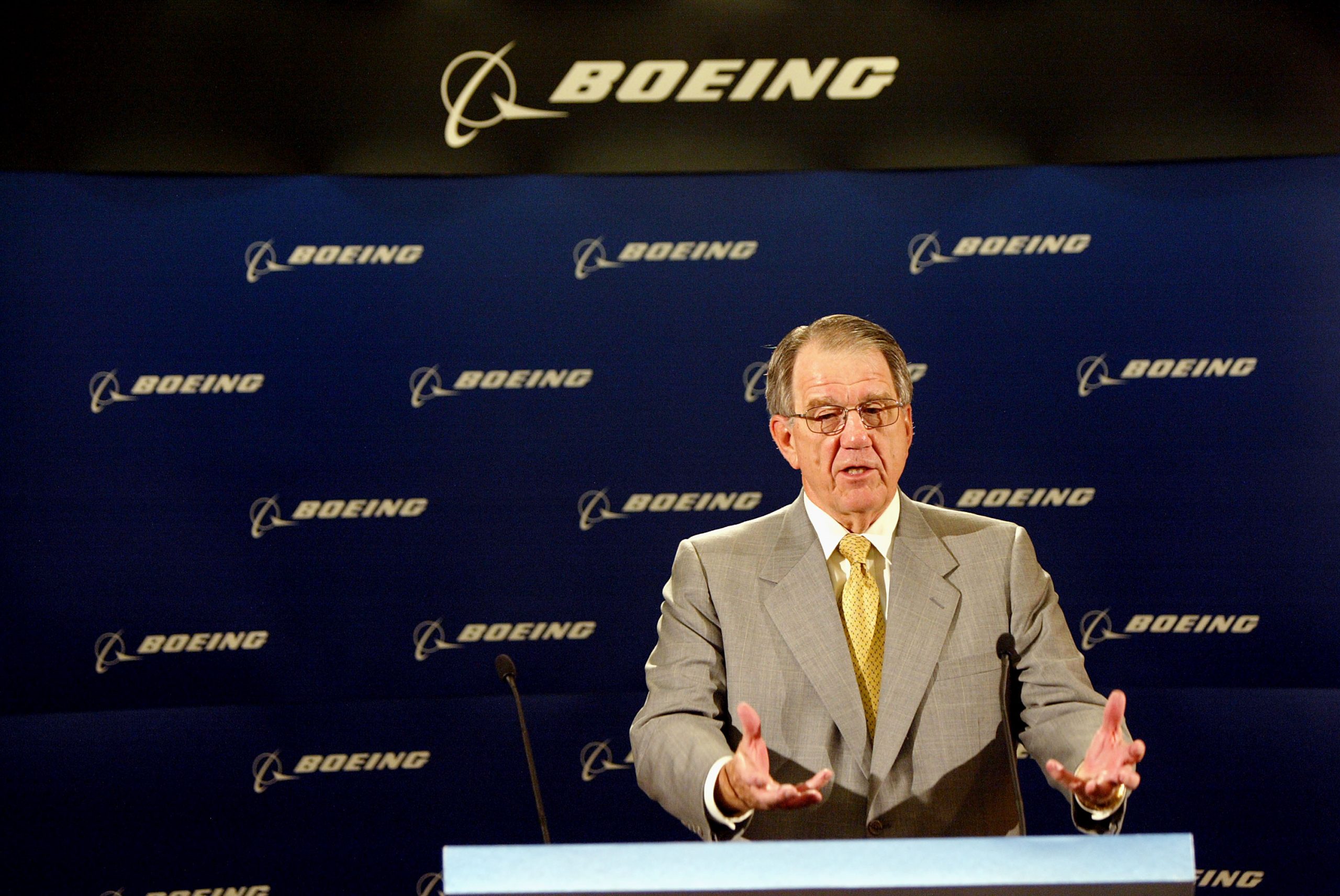
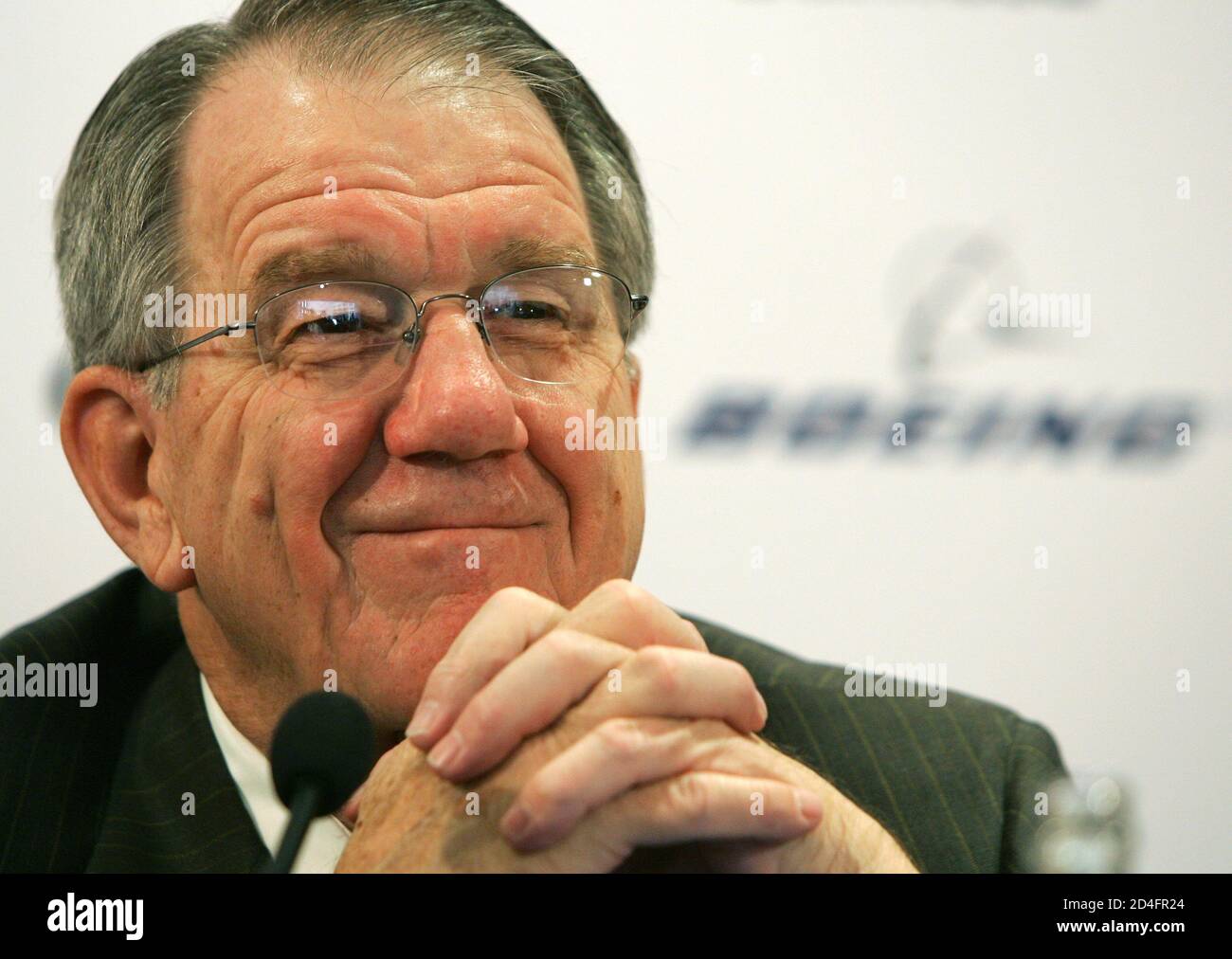
The history of modern aviation is often divided into the era of the "old Boeing"—an engineering powerhouse driven by technical perfection—and the "new Boeing," a multi-billion dollar corporate entity where financial metrics and supply-chain efficiency became the primary metrics of success. At the center of this pivot was Harry Stonecipher, the executive who championed the merger with McDonnell Douglas and later returned from retirement to lead Boeing during the critical formative years of the 787 Dreamliner. By 2026, the long-term consequences of this era, both in terms of technical achievement and organizational challenges, remain central to the discourse on American manufacturing.
The McDonnell Douglas Merger: The Catalyst for Change
To understand the Stonecipher era and the birth of the 787, one must look back to the 1997 merger between Boeing and McDonnell Douglas. At the time, Boeing was the world’s leading commercial jet manufacturer, while McDonnell Douglas was a dominant military contractor struggling with its commercial division. Harry Stonecipher, then the CEO of McDonnell Douglas, became the President and COO of the merged Boeing.
Many aviation analysts observed that while Boeing technically bought McDonnell Douglas, the culture of the latter eventually took over. Stonecipher was a protégé of Jack Welch at General Electric, where he learned the art of "lean" operations and prioritizing the bottom line. He famously remarked that Boeing should be run like a business rather than an "engineering association." This philosophy clashed with the traditional Boeing culture, which prioritized long-term R&D and engineering autonomy.
This cultural shift laid the groundwork for the 787 Dreamliner program. The goal was no longer just to build a better airplane; it was to build an airplane that maximized profit margins through a revolutionary (and risky) production model.
The Birth of the 787 Dreamliner (7E7)
In the early 2000s, Boeing faced a strategic crossroads. Under the leadership of Phil Condit and Harry Stonecipher, the company initially proposed the "Sonic Cruiser," a high-speed aircraft meant to fly just below the speed of sound. However, the airline industry, reeling from the 2001 economic downturn and rising fuel costs, signaled a preference for efficiency over speed.
In late 2003, as Condit resigned amid procurement scandals, Harry Stonecipher was brought back as CEO. Under his brief but impactful tenure, the board officially approved the 7E7 program, later renamed the 787 Dreamliner.
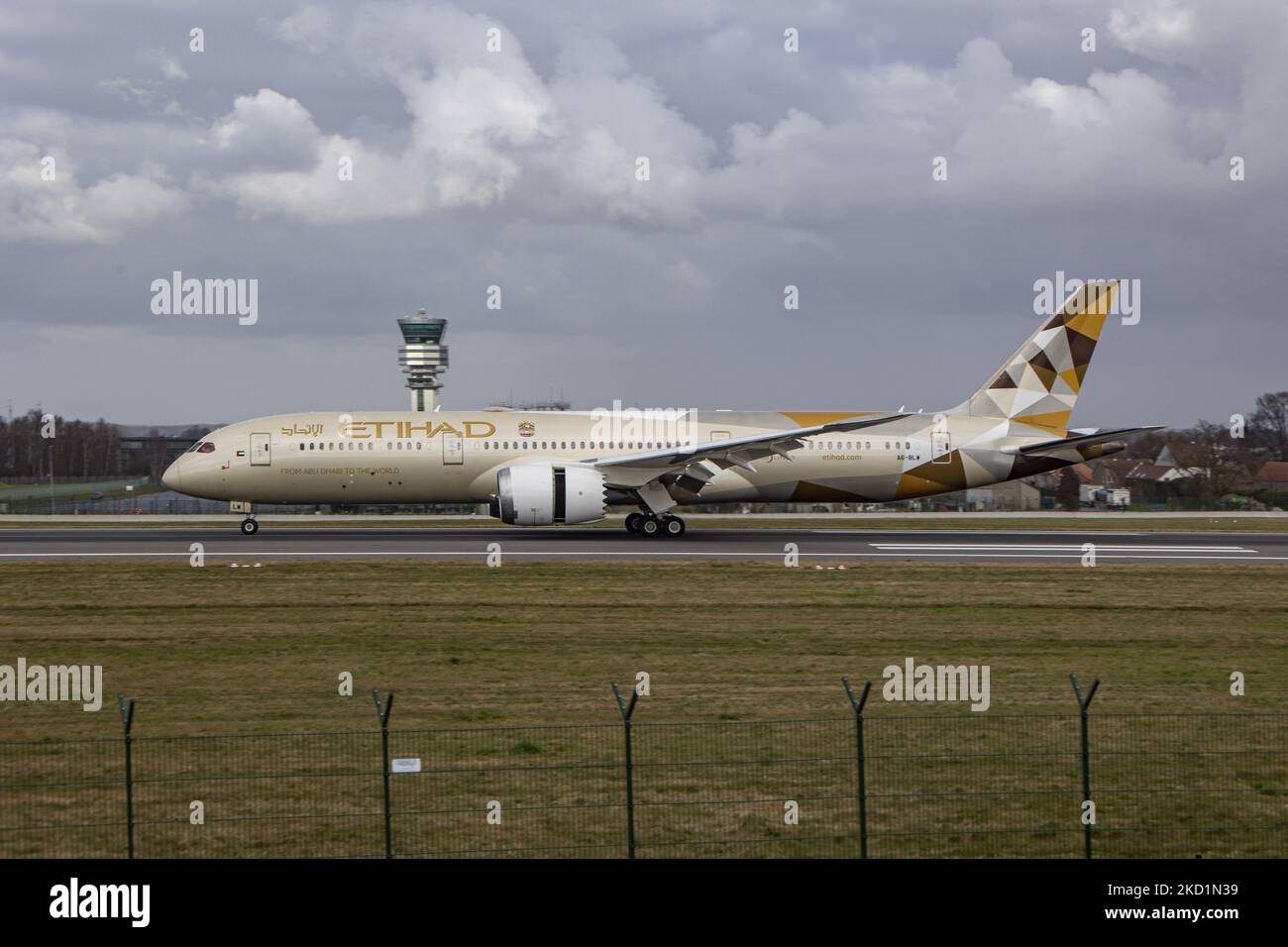
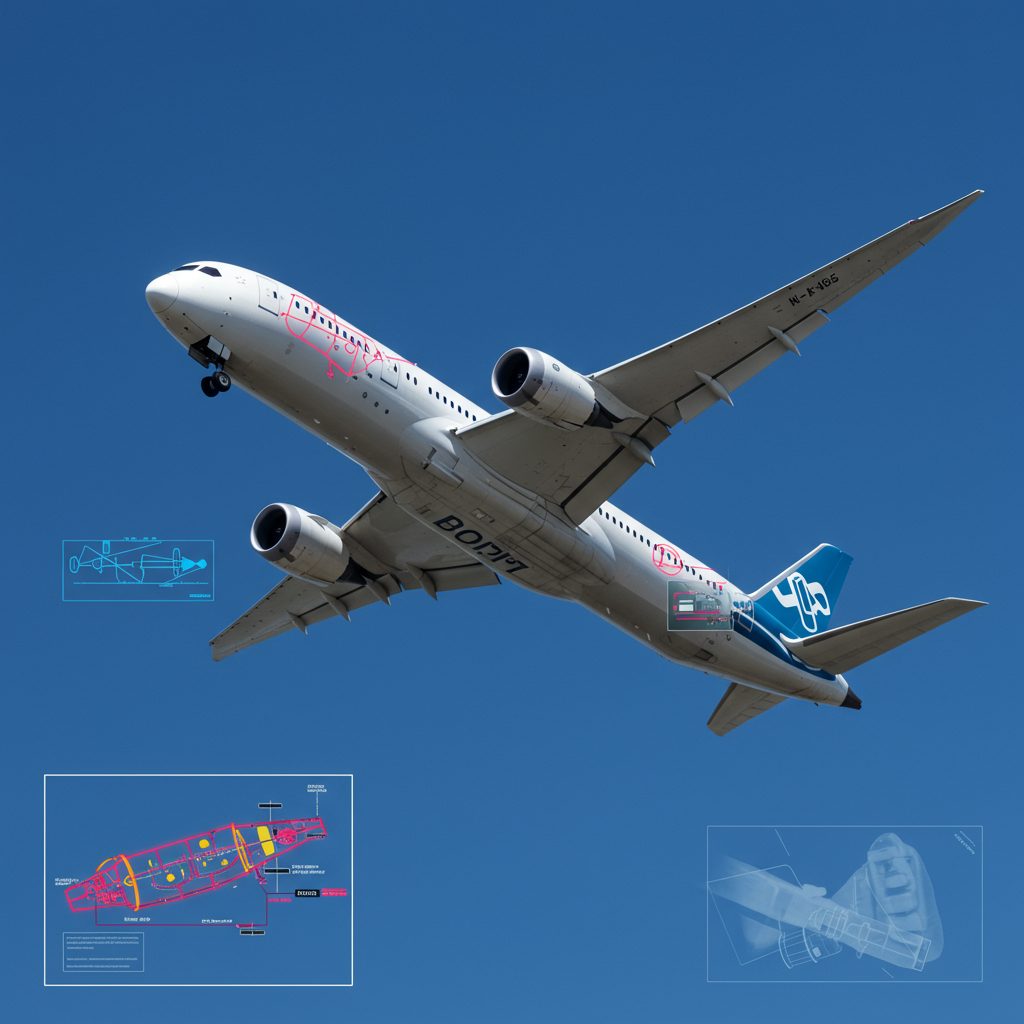
The 787 was designed to solve a specific problem: the "hub-and-spoke" model was becoming congested. Airlines wanted "point-to-point" travel, flying passengers from secondary cities (like Nashville to London) without stopping at major hubs. To achieve this, the 787 needed to be exceptionally fuel-efficient, which required:
- Carbon Fiber Composites: Replacing aluminum to reduce weight and increase cabin pressure for passenger comfort.
- Electrical Systems: Moving away from traditional bleed-air systems to power hydraulics and electronics.
- Advanced Engines: Using the GEnx and Rolls-Royce Trent 1000 engines for a 20% improvement in fuel burn.
The Stonecipher Philosophy: Radical Outsourcing
Stonecipher and his team introduced a production strategy for the 787 that was unprecedented in the aerospace industry. In previous programs, like the 777, Boeing designed and built the majority of the aircraft in-house or through traditional subcontractors. For the 787, Boeing shifted to a Tier 1 Strategic Partner model.
In this model, Boeing functioned as a final assembly point. Major partners—such as Fuji Heavy Industries in Japan, Alenia Aeronautica in Italy, and Spirit AeroSystems in the U.S.—were responsible for designing, engineering, and manufacturing entire sections of the fuselage and wings. These partners also bore the financial risk of development.
Stonecipher’s goal was to reduce Boeing’s capital expenditures and speed up time-to-market. By shifting the financial burden to suppliers, Boeing could report higher returns on invested capital. However, this move effectively outsourced much of Boeing’s core engineering expertise. In 2026, industry experts still point to this specific decision as the root cause of the "quality-escape" issues that plagued the company for two decades.
Comparison of Production Models: Traditional vs. 787 Era
| Feature | Traditional Boeing Model (747/777) | Stonecipher/787 Era Model |
|---|---|---|
| Engineering | Centralized in Seattle/Everett | Distributed across global partners |
| Manufacturing | In-house fabrication of major components | Assembly of pre-fabricated "kits" |
| Financial Risk | Primarily held by Boeing | Shared with Tier 1 suppliers |
| Supply Chain | Vertical integration | Globalized outsourcing |
| Primary Metric | Technical performance/reliability | Shareholder value/Cash flow |
The Financialization of Boeing
Under Stonecipher, the Boeing corporate headquarters were famously moved from Seattle to Chicago. This physical distance between the executive suites and the factory floor symbolized the ideological distance Stonecipher sought to create. He wanted his executives to think about the company’s stock price and global portfolio, not just the intricacies of wing-box assembly.
This era saw a significant increase in stock buybacks and dividends. While investors initially applauded the improved financial discipline, the long-term impact on the 787 program was severe. The "lean" approach meant that when technical issues inevitably arose—such as the 2007 "fastener shortage" or the 2009 wing-join issues—the company lacked the internal engineering depth to resolve them quickly.
The 787 program, originally slated for a 2008 delivery, was delayed by over three years. These delays cost Boeing billions in penalties and rework, largely neutralizing the cost savings Stonecipher had envisioned through outsourcing.
The Fall of Harry Stonecipher
Harry Stonecipher’s tenure as CEO ended abruptly in March 2005. Unlike his predecessor Phil Condit, who resigned due to corporate ethics scandals involving the U.S. Air Force, Stonecipher was forced out due to a personal matter. The Boeing board discovered that Stonecipher was having a consensual but undisclosed extramarital affair with a female vice president at the company.
While the relationship was consensual, the board determined it violated Boeing’s code of conduct, which Stonecipher himself had heavily promoted following the previous scandals. His departure left a vacuum during the most critical design phase of the 787. He was succeeded by Jim McNerney, another 3M and GE veteran, who continued Stonecipher’s financial-first strategy, further entrenching the McDonnell Douglas-style culture.
Long-Term Impacts on the 787 and Boeing’s Reputation
By 2026, the 787 Dreamliner is recognized as a technical marvel that changed the economics of long-haul travel. However, the "Stonecipher Era" is viewed with a more critical eye. The decision to prioritize financial engineering over traditional aerospace engineering led to several systemic issues:
- Supply Chain Fragility: The radical outsourcing model made Boeing vulnerable to the financial and technical failures of its partners. When a supplier in Italy or South Carolina struggled with quality control, the entire production line in Everett would grind to a halt.
- Regulatory Oversight: The pressure to meet deadlines under the "lean" model eventually led to strained relations with the Federal Aviation Administration (FAA). In the early 2020s, 787 deliveries were halted for over a year to address manufacturing defects that were traced back to the original outsourcing strategy.
- Loss of Institutional Knowledge: By outsourcing the design of major components, Boeing lost a generation of engineers who understood how the entire aircraft integrated. This "siloing" of information contributed to the challenges seen in subsequent programs, including the 737 MAX and the 777X.
Frequently Asked Questions
Was the 787 Dreamliner a success despite Harry Stonecipher's strategy?
Technically, yes. The 787 revolutionized point-to-point travel and remains one of the most fuel-efficient aircraft in the sky. However, the program was a financial struggle for many years due to massive cost overruns caused by the very outsourcing strategy intended to save money.
How did Harry Stonecipher change Boeing's culture?
Stonecipher shifted the culture from an "engineering-first" focus to a "business-first" focus. He prioritized profit margins, stock performance, and lean operations, often at the expense of traditional R&D and the internal engineering workforce.
Did the McDonnell Douglas merger cause Boeing's quality issues?
Many historians and former Boeing employees argue that the merger brought a "cost-cutting at any price" mentality from McDonnell Douglas that eventually eroded Boeing’s safety and quality standards. Stonecipher was the primary architect of this cultural integration.
What was the "7E7" and how did it become the 787?
The "7E7" was the original designation for the Dreamliner, where the "E" stood for Efficiency, Economics, and Environmental-friendliness. It was officially renamed the 787 in early 2005, shortly before Stonecipher’s departure.
Why did Boeing move its headquarters to Chicago under this leadership?
The move was intended to detach the corporate leadership from the day-to-day operations of the Seattle factories. Stonecipher and Condit believed this would allow for more neutral, business-focused decision-making, though it was later criticized for creating a "leadership vacuum" on the factory floor.
Practical Lessons for Modern Leadership
The Stonecipher era serves as a cautionary tale for complex manufacturing industries. While financial discipline is necessary for any corporation, the Boeing 787 experience demonstrates that in high-stakes engineering, the cost of "lean" can be extraordinarily high if it compromises technical oversight.
For executives in 2026, the lesson is clear: innovation cannot be entirely outsourced. A company must retain core competencies and institutional knowledge to manage its supply chain effectively. As Boeing continues to work toward restoring its reputation for quality, it does so by gradually re-integrating some of the very processes that Harry Stonecipher and his team sought to outsource decades ago.
Image Gallery