How a Life Insurance Policy Works in Atlantis, FL: A 2026 Resident’s Guide
In Atlantis, Florida, a life insurance policy functions as a legally binding contract between an individual and an insurance carrier. The policyholder pays regular premiums in exchange for a guaranteed death benefit paid to designated...
In Atlantis, Florida, a life insurance policy functions as a legally binding contract between an individual and an insurance carrier. The policyholder pays regular premiums in exchange for a guaranteed death benefit paid to designated beneficiaries upon the insured's passing. These policies are governed by the Florida Insurance Code, which provides specific consumer protections regarding grace periods and claim settlements.
Contents
Life insurance in the city of Atlantis is often integrated into broader financial strategies, particularly for estate planning and wealth preservation. Given the demographic profile of Palm Beach County, understanding the mechanics of these policies—from the initial underwriting to the eventual payout—is essential for securing a family’s financial future. As of 2026, the process has become more streamlined through technology, yet the core legal and financial principles remain anchored in Florida state law.
The Legal Framework of Life Insurance in Florida
Every life insurance policy issued to a resident of Atlantis must comply with the regulations set forth by the Florida Office of Insurance Regulation (OIR). This state agency ensures that insurers remain solvent and that policy forms meet the minimum requirements of the Florida Insurance Code.
One of the most critical components of "how it works" in Florida is the Free-Look Period. Under Florida law, new policyholders generally have a 14-day window from the date of policy delivery to review the contract. If they decide the policy does not meet their needs, they can cancel it for a full refund of all premiums paid. This protection is vital for Atlantis residents who may be comparing complex permanent life products.
Additionally, Florida mandates a Grace Period. If a resident misses a premium payment, the policy does not immediately lapse. Instead, Florida law requires a minimum 30-day grace period during which the coverage remains in force. If the insured passes away during this window, the insurer may deduct the overdue premium from the death benefit, but they cannot deny the claim.
Primary Types of Life Insurance for Atlantis Residents
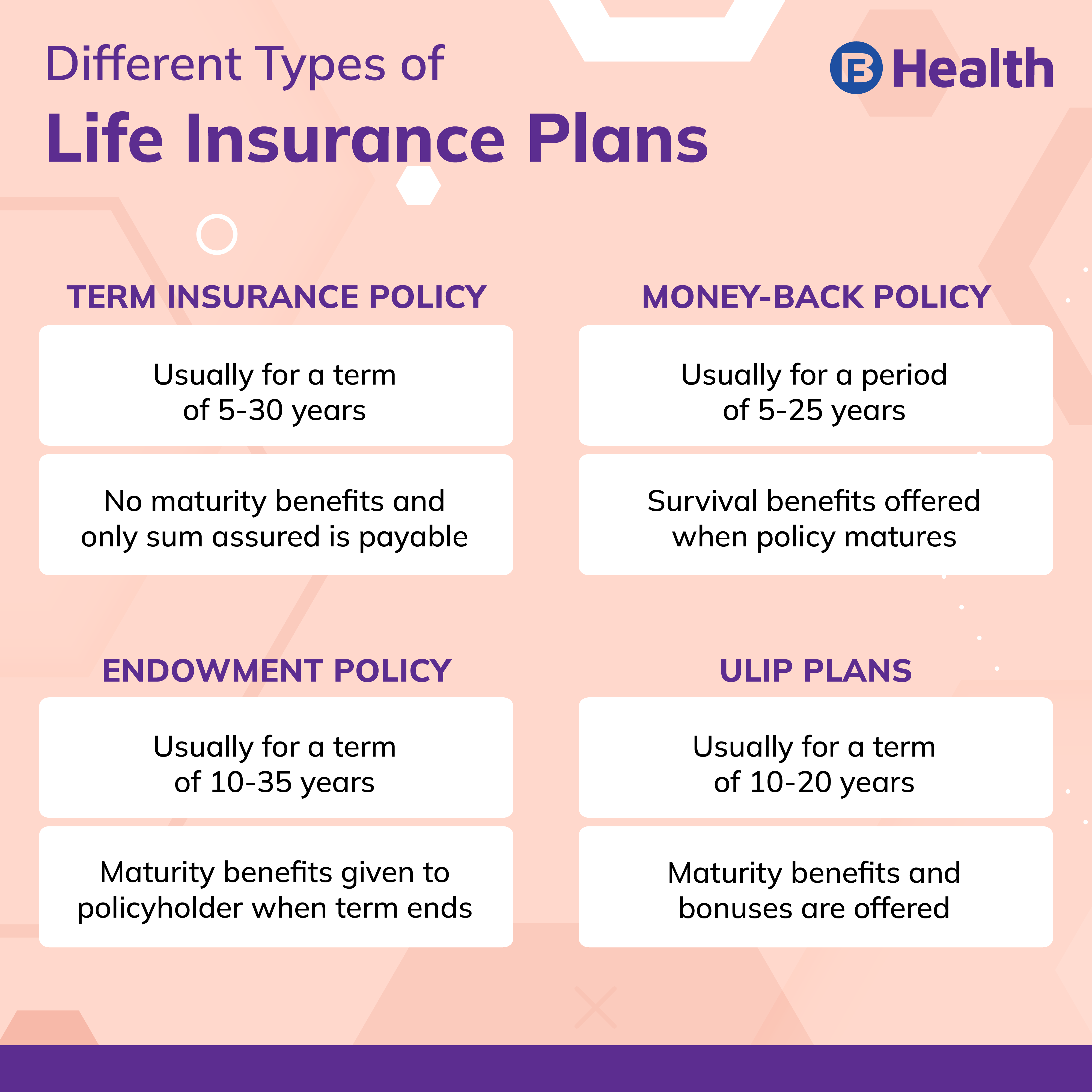
To understand how a policy works, one must distinguish between the two primary categories available in the 2026 market: Term Life and Permanent Life.
Term Life Insurance
Term life insurance is the most straightforward form of coverage. It works by providing protection for a specific duration—typically 10, 20, or 30 years.
- Pure Protection: It has no cash value component. Its only purpose is to pay a death benefit if the insured dies within the term.
- Affordability: Because it lacks an investment component, it is significantly less expensive than permanent insurance, making it ideal for young families in Atlantis looking to cover a mortgage or education costs.
- Renewability: Most policies in 2026 include a guaranteed renewability clause, though premiums will increase significantly once the initial term expires.
Permanent Life Insurance
Permanent insurance, including Whole Life and Universal Life, is designed to last the insured's entire lifetime as long as premiums are paid.
- Cash Value Accumulation: A portion of each premium is funneled into a cash value account. In Florida, this cash value is generally protected from creditors, making it an attractive asset for business owners and professionals in Atlantis.
- Whole Life: Features fixed premiums and a guaranteed rate of return on the cash value.
- Universal Life: Offers more flexibility, allowing policyholders to adjust their premiums and death benefits as their financial situation changes.
The Underwriting Process in 2026
When an Atlantis resident applies for a policy, they undergo underwriting. This is the process by which the insurance company evaluates the risk of insuring the individual.
In 2026, many carriers have shifted toward "Accelerated Underwriting." This utilizes vast databases, including pharmacy records, motor vehicle reports, and even wearable health data (with consent), to issue policies without the traditional medical exam (blood draw and vitals). However, for high-value policies—often required for estate taxes in the $5 million+ range—a full paramedical exam is still standard.
The insurer will assign a risk class, such as Preferred Plus, Standard, or Substandard. This classification directly dictates the premium costs. Residents of Atlantis, known for active lifestyles and proximity to high-quality healthcare facilities in Palm Beach County, often qualify for favorable rates if they maintain healthy habits.
Beneficiary Designations and the Death Benefit
The primary goal of a life insurance policy is the payout. When the policyholder passes away, the beneficiaries must file a claim.
Naming Beneficiaries
In Florida, policyholders have the right to name primary and contingent beneficiaries. It is common for Atlantis residents to name a Revocable Living Trust as the beneficiary. This allows for more control over how the funds are distributed, which is particularly useful for protecting heirs from creditors or ensuring the funds are used for specific purposes like college tuition.
The Payout Process
Once the insurer receives a certified copy of the death certificate and a completed claim form, they are generally required under Florida law to pay the claim promptly. If a claim is not paid within 30 days, the insurer may be required to pay interest on the proceeds.
It is important to note the Contestability Period. In Florida, an insurance company has a two-year window from the date of policy issuance to contest a claim if they discover material misrepresentations on the application. After two years, the policy becomes "incontestable," meaning the insurer must pay the claim even if an error is discovered, except in rare cases of extreme fraud.
Comparison of Policy Structures
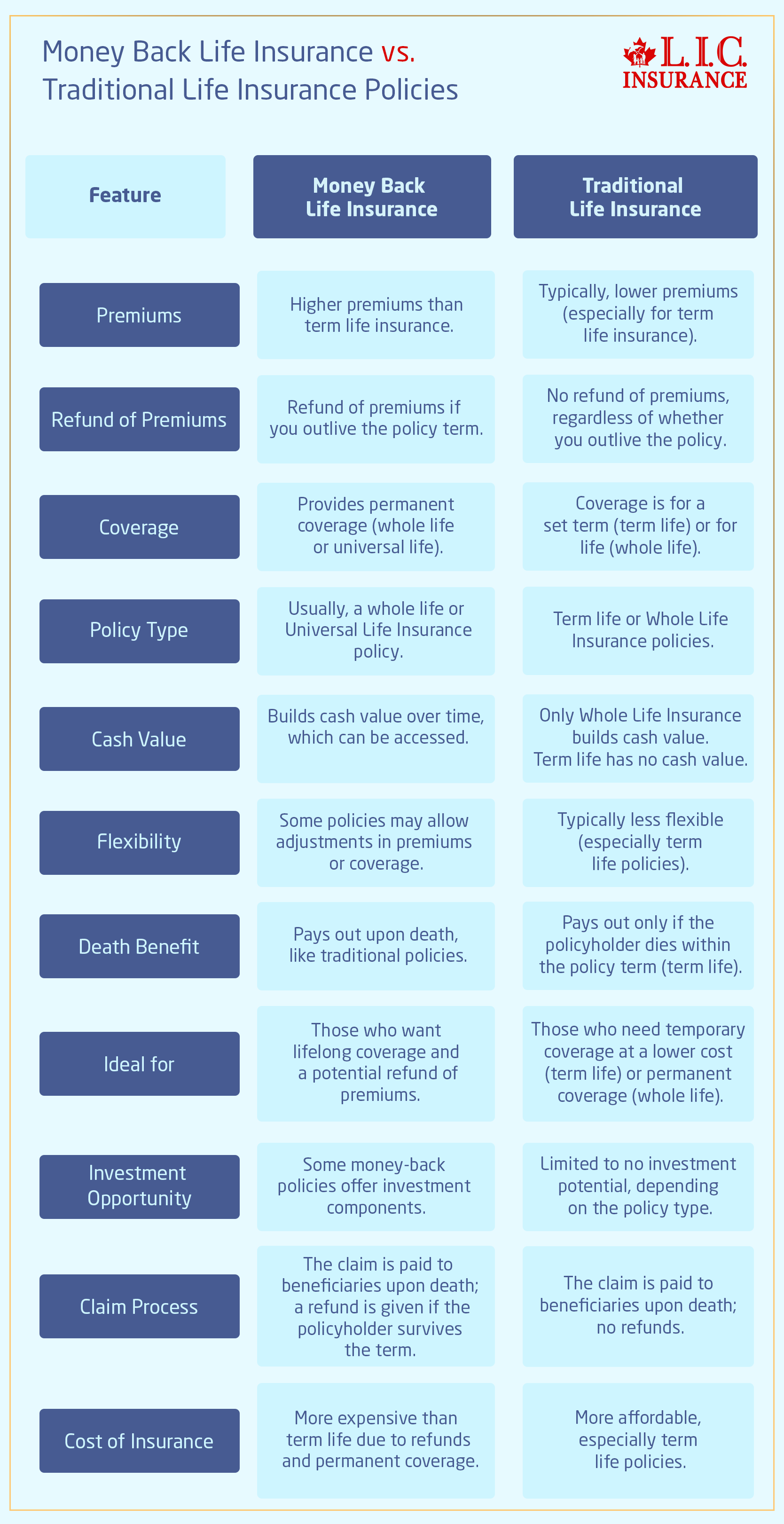
The following table illustrates the functional differences between the most common life insurance structures available to residents of Atlantis in 2026.
| Feature | Term Life Insurance | Whole Life Insurance | Universal Life Insurance |
|---|---|---|---|
| Coverage Duration | Set term (e.g., 20 years) | Lifelong | Lifelong (flexible) |
| Premium Cost | Lowest | Highest | Moderate to High |
| Cash Value | None | Guaranteed growth | Variable growth |
| Premium Flexibility | Fixed | Fixed | Highly Flexible |
| Death Benefit | Fixed | Fixed | Adjustable |
| Best Use Case | Income replacement | Estate taxes / Inheritance | Wealth transfer / Buy-sell |
The Role of the Florida Life & Health Insurance Guaranty Association
A common concern for policyholders is what happens if the insurance company goes bankrupt. Atlantis residents are protected by the Florida Life & Health Insurance Guaranty Association (FLAHIGA).
If a member insurer becomes insolvent, FLAHIGA provides a safety net. As of 2026, the association generally provides up to $300,000 in death benefits and $100,000 in cash surrender value per insured person. While it is always advisable to choose a carrier with a high financial strength rating (such as A.M. Best "A" or higher), this state-mandated protection adds an extra layer of security for Florida residents.
Tax Implications for Atlantis Policyholders
One of the most powerful aspects of life insurance in Florida is its tax-advantaged status.
- Income Tax-Free Death Benefit: Under current IRS rules, the death benefit paid to beneficiaries is generally not subject to federal income tax.
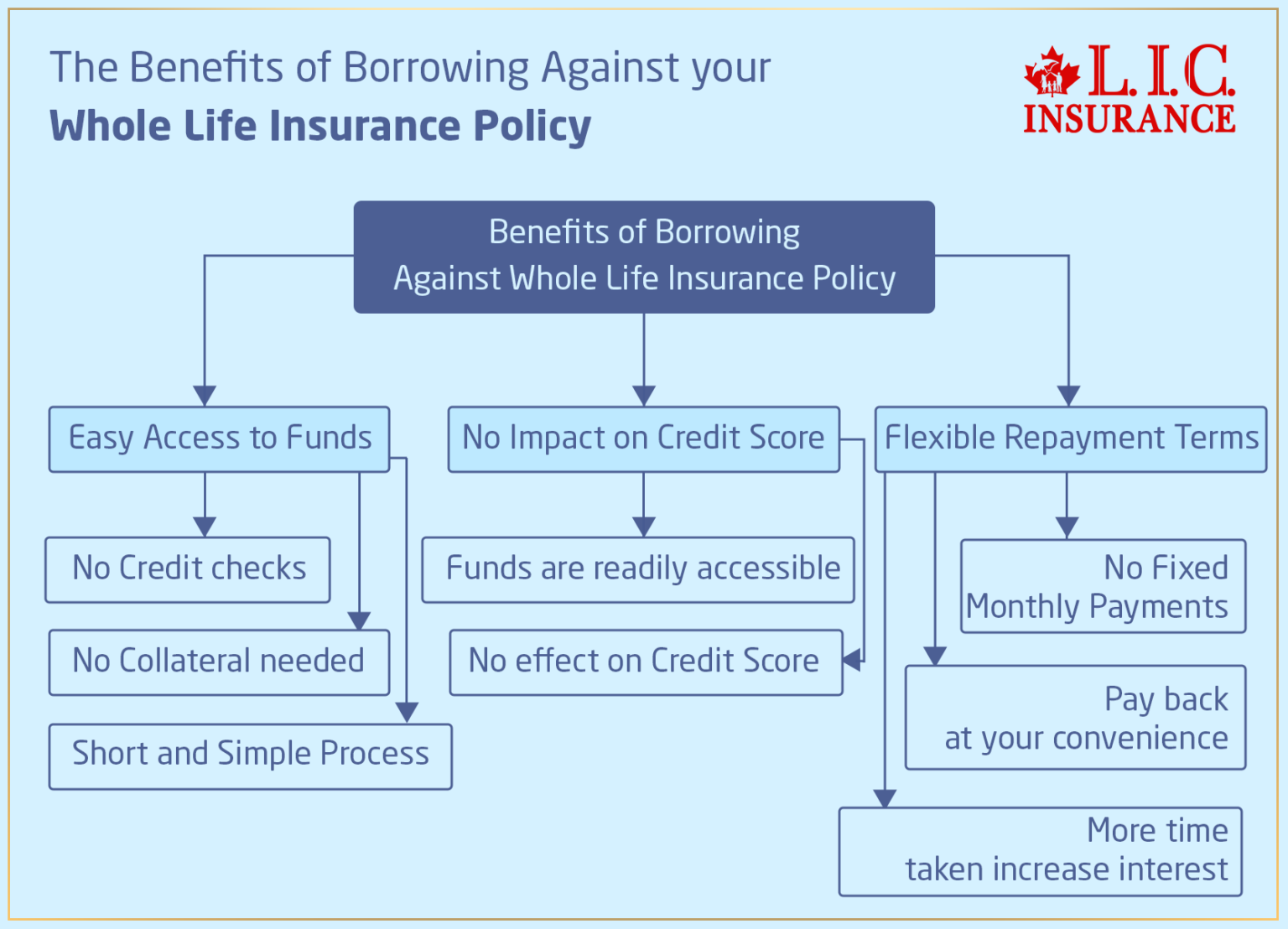
- Tax-Deferred Cash Value Growth: The growth of the cash value within a permanent policy is tax-deferred. Policyholders can often access this money through policy loans, which are also generally tax-free if the policy remains in force.
- Estate Tax Mitigation: For wealthy individuals in Atlantis, life insurance is often held within an Irrevocable Life Insurance Trust (ILIT). When structured correctly, the death benefit is kept out of the insured's taxable estate, providing liquidity to pay federal estate taxes without forcing the sale of other assets like real estate or businesses.
Common Mistakes to Avoid
Residents should be aware of specific pitfalls that can disrupt how a policy works:
- Lying on the Application: Even minor discrepancies regarding tobacco use or medical history can lead to a denied claim during the two-year contestability period.
- Failing to Update Beneficiaries: Life changes such as divorce or the birth of a grandchild necessitate a review of beneficiary designations. In Florida, a divorce may automatically revoke a spouse as a beneficiary under certain statutes, but relying on state law rather than explicit updates is risky.
- Ignoring the Policy's Internal Costs: For Universal Life policies, the "cost of insurance" rises as the insured ages. If the cash value is not performing well, the policyholder may need to increase premiums to prevent the policy from lapsing in later years.
FAQ
Can I buy life insurance in Atlantis if I am a seasonal resident? Yes. If you own property in Atlantis and spend a significant portion of the year in Florida, you can generally apply for a policy through a Florida-licensed agent. The insurer will likely consider Florida your state of residence for regulatory purposes, provided you meet their residency requirements.
How does smoking or vaping affect my policy in 2026? Insurance carriers distinguish between tobacco users and non-users. In 2026, most carriers also classify vaping and nicotine replacement therapies under "tobacco" or "nicotine" rates, which can be double or triple the cost of standard rates. Some carriers offer "non-smoker" rates for occasional cigar users, but disclosure is mandatory.
Are there specific exclusions for recreational activities in Atlantis? Most standard policies do not have exclusions for common hobbies like golf or tennis. However, if you participate in high-risk activities such as private piloting or scuba diving to extreme depths, the insurer may add an "exclusion rider" or charge a "flat extra" fee to cover the increased risk.
What happens if I move away from Atlantis, FL? Life insurance policies are portable. If you move to another state or even another country, your coverage remains in effect as long as you continue to pay the premiums. However, you should notify the insurance company of your change of address to ensure you receive annual statements and tax documents.
Is suicide covered under Florida life insurance policies? Most Florida policies include a two-year suicide clause. If the insured takes their own life within the first two years of the policy's issuance, the insurer will typically only refund the premiums paid. After the two-year period has passed, the death benefit is generally paid out in full.
Final Recommendation for Atlantis Residents
To ensure a life insurance policy works effectively, residents should perform an annual "policy audit." This involves reviewing the death benefit amount against current inflation rates, checking the financial rating of the insurance carrier via A.M. Best, and ensuring that beneficiary designations align with current estate planning documents. For those with complex estates, consulting with a Florida-based financial advisor or estate attorney is recommended to integrate the policy into a comprehensive legacy plan.
Image Gallery